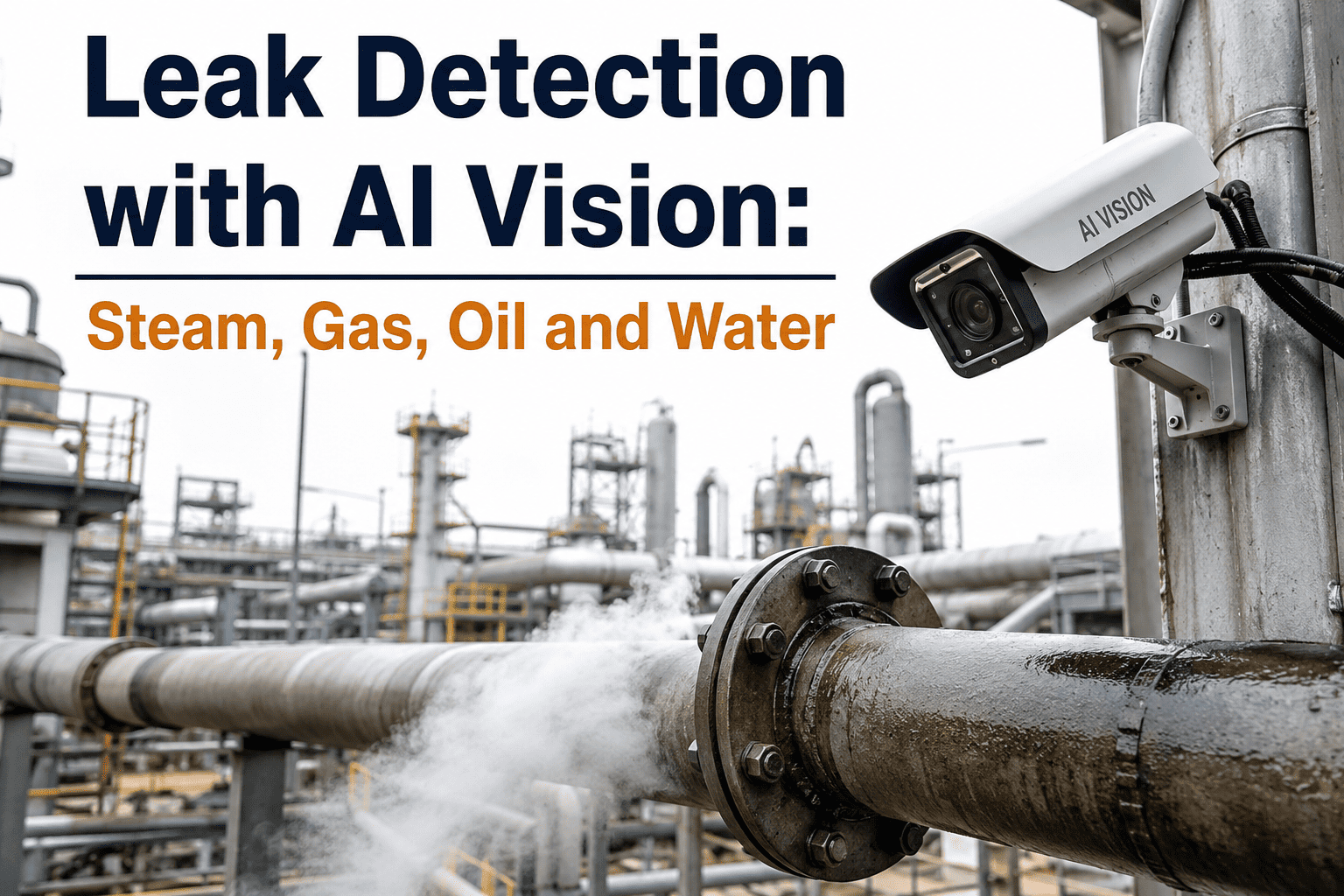
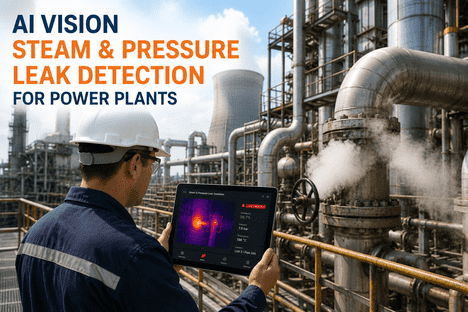
Uncontrolled leaks are one of the most expensive and least visible problems in industrial plants, quietly draining energy budgets, threatening safety, and triggering unplanned shutdowns long before anyone notices a drop in pressure. Steam, gas, oil, and water leaks each carry distinct visual and thermal signatures that the human eye tends to miss during routine walkthroughs, especially in noisy, high-traffic, or poorly lit areas of a plant. AI vision cameras trained on these signatures can spot a leak within seconds of it forming, flagging its exact location and severity so maintenance teams act before a small drip becomes a costly failure. Plants that have shifted from manual leak surveys to continuous AI-based monitoring consistently report catching issues weeks earlier than their old inspection schedules allowed, which is why many operations leaders are now comparing providers and requesting a live walkthrough of leak detection in action.
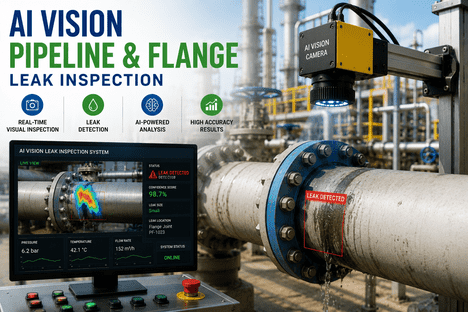
AI VISION FOR LEAK DETECTION
Catch Steam, Gas, Oil and Water Leaks Before They Cost You
AI-powered cameras continuously scan your facility for visual and thermal leak signatures, alerting your team the moment a leak forms instead of during the next scheduled inspection.
Four Leak Types, Four Different Signatures
Each leak type behaves differently on camera, which is why a single detection model rarely works across all of them. Purpose-built AI vision separates true leaks from harmless background conditions like ambient humidity or reflective glare.
Steam Leaks
Thermal imaging identifies the heat plume and vapor pattern of a steam leak even when it is barely visible to the eye, distinguishing it from routine condensation around valves and traps.
Gas Leaks
Optical gas imaging paired with AI classification flags the faint shimmer and concentration patterns of escaping gas around flanges, seals, and compressor housings.
Oil Leaks
Visual models trained on surface sheen, pooling, and staining patterns detect oil seepage from hydraulic lines and gearboxes long before it spreads across the floor.
Water Leaks
Cameras track wet-surface reflectivity and drip patterns around piping and cooling systems, catching slow leaks that evaporate before a human inspection ever passes by.
20-30%
Of compressed air and gas system output is commonly lost to undetected leaks in industrial facilities
15-30%
Typical steam trap failure rate in plants without continuous monitoring, per ASME maintenance guidance
Seconds
Time for an AI vision camera to flag a new leak signature versus days or weeks for manual rounds
Manual Inspection vs AI Vision Detection
Manual leak surveys depend on scheduling, visibility, and inspector experience. AI vision runs continuously and applies the same detection standard to every camera, every shift, every day.
How AI Leak Detection Works on Your Floor
1
Camera Placement and Calibration
Standard and thermal cameras are positioned at high-risk points such as valves, flanges, seals, and pipe runs, then calibrated to the site's normal visual baseline.
2
Continuous Signature Monitoring
The AI model scans live video feeds for the visual and thermal patterns unique to steam, gas, oil, and water leaks, filtering out normal operational variation.
3
Instant Alert and Location Tagging
When a leak signature is confirmed, the system sends an alert with the camera location, severity estimate, and a saved clip for verification.
4
Work Order and Trend Tracking
Confirmed leaks feed directly into maintenance work order systems while historical trends highlight recurring failure points for longer-term fixes.
Where Leak Detection Delivers the Most Value
Refineries and Chemical Plants
Gas and vapor leaks around process units carry both safety and emissions compliance implications, making continuous monitoring a priority investment.
Power Generation
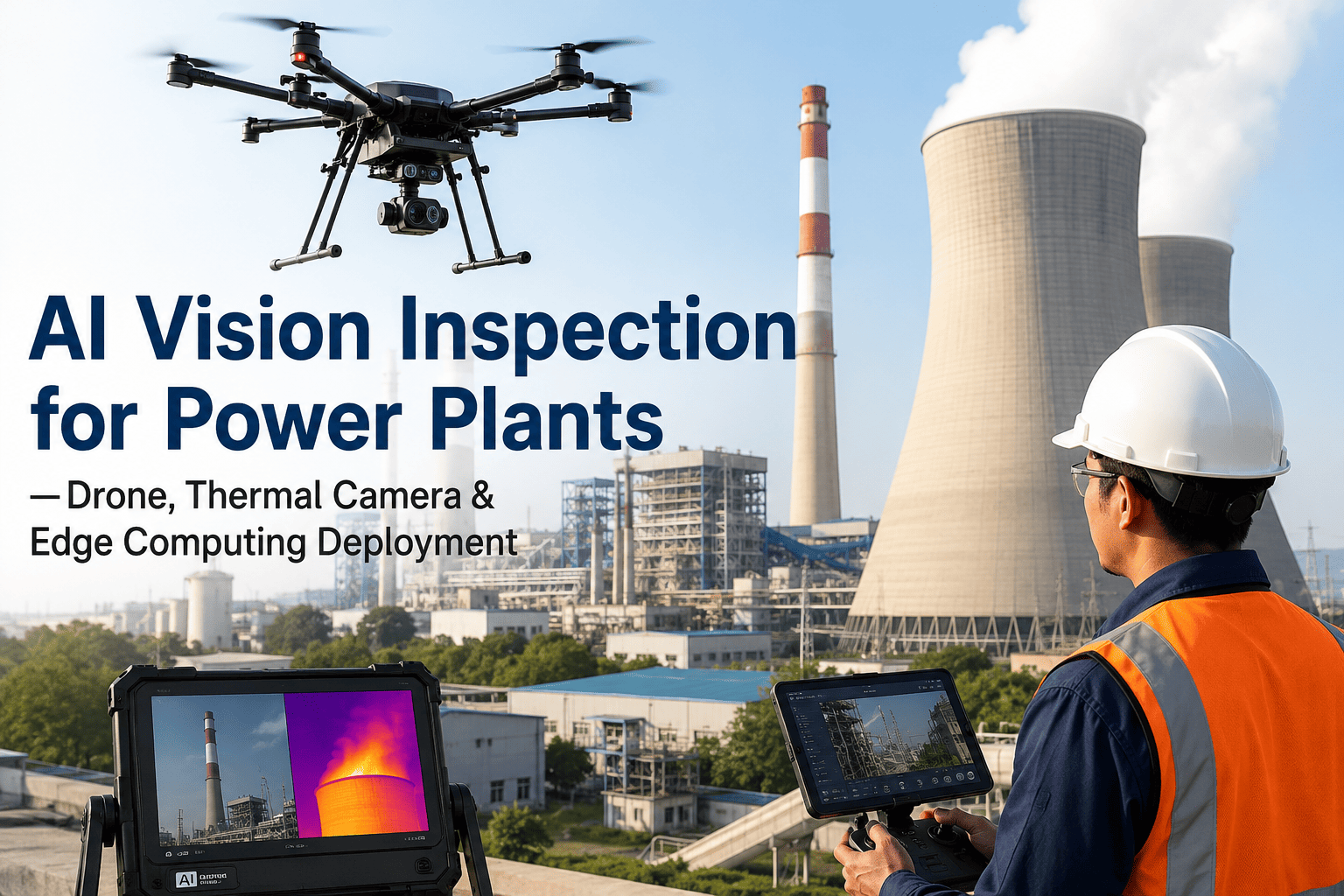
Steam leaks around turbines and boiler headers directly reduce thermal efficiency, so early detection protects both output and equipment life.
Food and Beverage Processing
Water and steam leaks near production lines create hygiene and slip-hazard risks that AI monitoring can flag before an incident occurs.
Heavy Manufacturing
Hydraulic oil leaks around presses and stamping equipment are caught early, reducing both cleanup costs and fire risk from oil-soaked surfaces.
What Actually Causes Leaks to Form
Most leaks do not appear out of nowhere. They develop gradually from a small set of recurring mechanical and process conditions, which is why trend data from continuous monitoring is often as valuable as the individual alerts themselves.
Gasket and Seal Fatigue
Repeated thermal cycling and pressure changes gradually degrade gasket material at flanges and fittings until a seal finally fails.
Steam Trap Failure
A failed-open steam trap can waste significant energy for weeks before it shows up as an obvious plume, making early thermal detection valuable.
Corrosion at Weld Seams
Pipe and vessel welds exposed to moisture or corrosive process fluids thin over time, eventually developing pinhole leaks.
Vibration-Induced Loosening
Fittings near rotating equipment can loosen gradually from constant vibration, a pattern that recurring leak location data makes easy to spot.
Why Leak Monitoring Also Supports Compliance Goals
Beyond energy savings, leak detection ties directly into environmental reporting and workplace safety obligations that most industrial facilities already track.
Emissions Reporting
Fugitive gas emissions from leaking components are a recognized category in environmental compliance programs, and continuous detection creates a documented record of monitoring effort.
Slip and Fire Hazard Reduction
Oil and water leaks on walkways are a common source of slip incidents, while gas accumulation near ignition sources raises fire risk that early detection helps control.
Energy Efficiency Programs
Many facilities track compressed air and steam system losses as part of broader energy efficiency initiatives, and leak data feeds directly into those metrics.
See Leak Detection Running on Real Plant Footage
Bring your own camera feeds or plant layout to the call and see how quickly the system would have caught your last leak incident.
Frequently Asked Questions
STOP LEAKS BEFORE THEY SPREAD
See How Much Your Undetected Leaks Are Really Costing You
Get a personalized walkthrough of AI leak detection using your own plant layout and camera feeds.