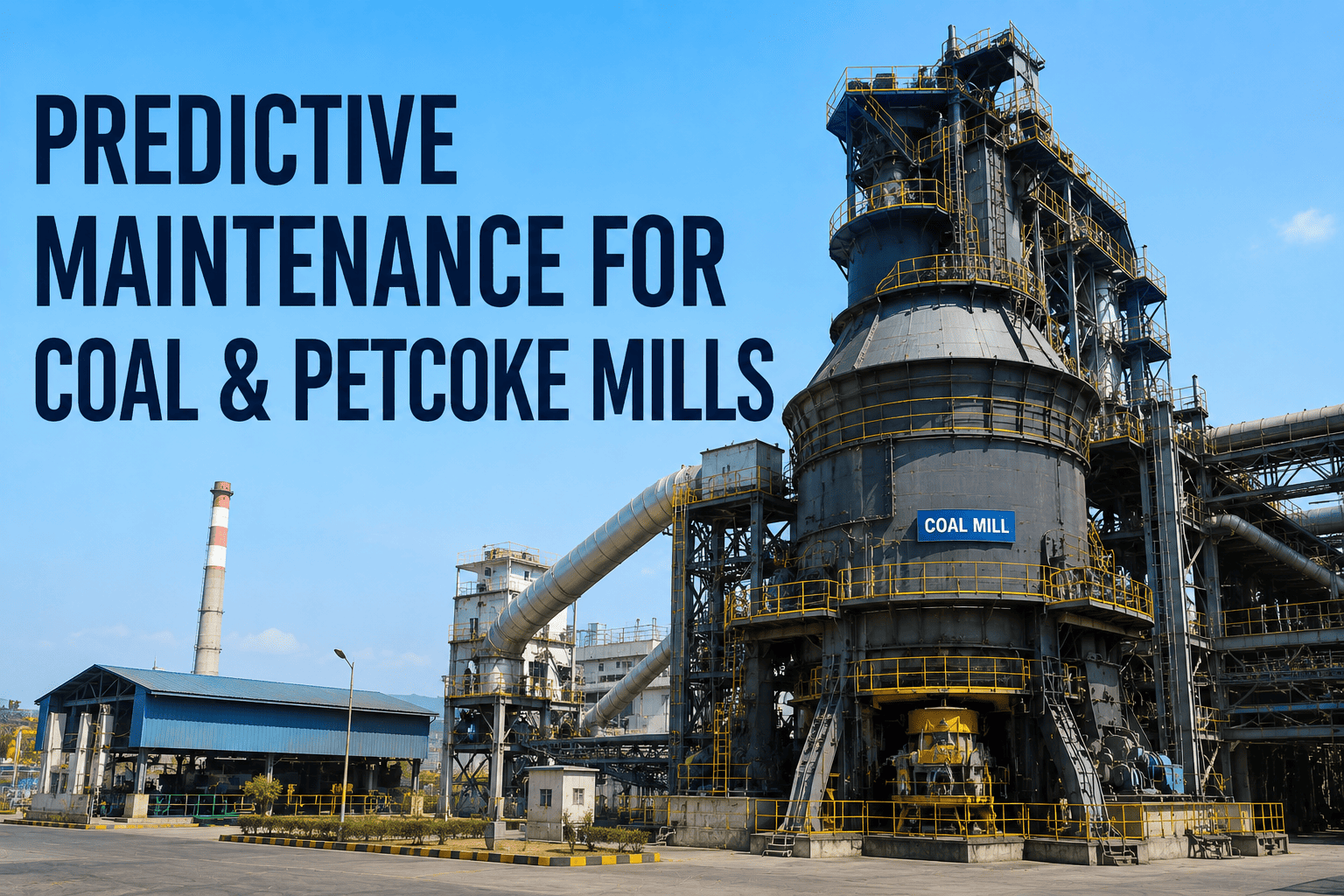
Every mill in a cement plant can break down. Only one can explode. The coal or petcoke mill takes a combustible fuel, grinds it to a fine dust, dries it with hot gas, and moves it through ducts and silos in the presence of oxygen — assembling, by design, every ingredient a fire needs. It is the single highest-safety-risk machine on the site, and it also has to stay reliable, because when the fuel mill stops, the kiln is not far behind. That combination is why it deserves a monitoring layer built for both jobs. iFactory's predictive maintenance and safety analytics watch for fire and explosion precursors, inerting-valve issues, and roller wear together — protecting the most dangerous mill on the plant while keeping it running.
Grinding Reliability and Safety
Predictive Maintenance for Coal and Petcoke Mills
iFactory monitors CO, oxygen, and temperature for self-heating and explosion precursors, checks inerting-valve readiness, and tracks roller and bearing wear — an added layer of protection on the plant's highest-risk mill, running around the clock.
Fine coal and petcoke dust suspended in warm, oxygen-rich air is one of the most hazardous conditions in heavy industry. Deposits build in dead zones and begin to self-heat. A hotspot smolders unseen. Oxygen that should be kept low creeps up. Each of these is a step toward a fire or a deflagration, and each leaves a trace in the data long before it becomes visible. Explosion protection hardware — venting, suppression, isolation, and inerting — is the last line of defense. Continuous precursor monitoring is the line that keeps you from ever needing it.
Every Fire Needs Three Things
A fire cannot start without fuel, oxygen, and heat together. Remove any one and the fire cannot happen. A coal mill assembles all three by its very nature, so protection means watching each leg of that triangle and reacting the moment one starts to shift.
iFactory watches all three legs at once. A rise in CO, a climb in oxygen, or a temperature excursion is flagged early — so the response happens while it is still a data point, not a fire.
A Fire Announces Itself Before It Starts
A coal-mill fire is almost never instant. It escalates through stages, and the earliest stage — coal quietly self-heating and giving off carbon monoxide — is invisible to the eye but loud in the data. Rising CO, especially a sharp rate of rise, is the clearest early warning there is. Catch it at that first stage and the response is routine. Miss it, and the next stages are anything but.
Stage 1
Normal
Stable CO, oxygen, and temperature
iFactory catches it here
Stage 2
Self-heating
CO begins to climb as coal warms
Stage 3
Smoldering
A deposit is burning slowly, unseen
Without monitoring, found here
Stage 4
Open fire
Visible, urgent, and dangerous
Stage 5
Explosion risk
The outcome protection exists to prevent
Three Signals That Decide the Mill's Safety
Behind the escalation are three measurements. Read individually they are useful; read together as live trends with rate-of-rise, they become an early-warning system. This is what each one tells you.
Carbon monoxide
safewatchalarm
The first sign of self-heating coal. A rising trend, and especially a fast rate of rise, is the earliest fire precursor.
Oxygen
safewatchalarm
Kept low by inerting to stay outside the explosive range. A climb means the inerting envelope is slipping and needs attention.
Temperature
safewatchalarm
Mill gas and bearing temperatures reveal hotspots and ignition risk. Excursions and abnormal patterns are flagged as they build.
How early would your current alarms catch a rising CO trend on the coal mill? Book a 30-minute demo and we'll review your fuel-mill signals against live precursor detection.
Two Jobs on One Mill: Safety and Reliability
The fuel mill has to be both safe and available, and the two are linked — an unreliable mill invites the unstable conditions that raise safety risk. iFactory covers both on one platform, so the same system that watches for precursors also protects the campaign.
Safety Analytics
CO trend and rate-of-rise for self-heating and smoldering
Oxygen against the inerting envelope
Gas and bearing temperature for hotspots
Inerting-valve readiness and response behaviour
Predictive Maintenance
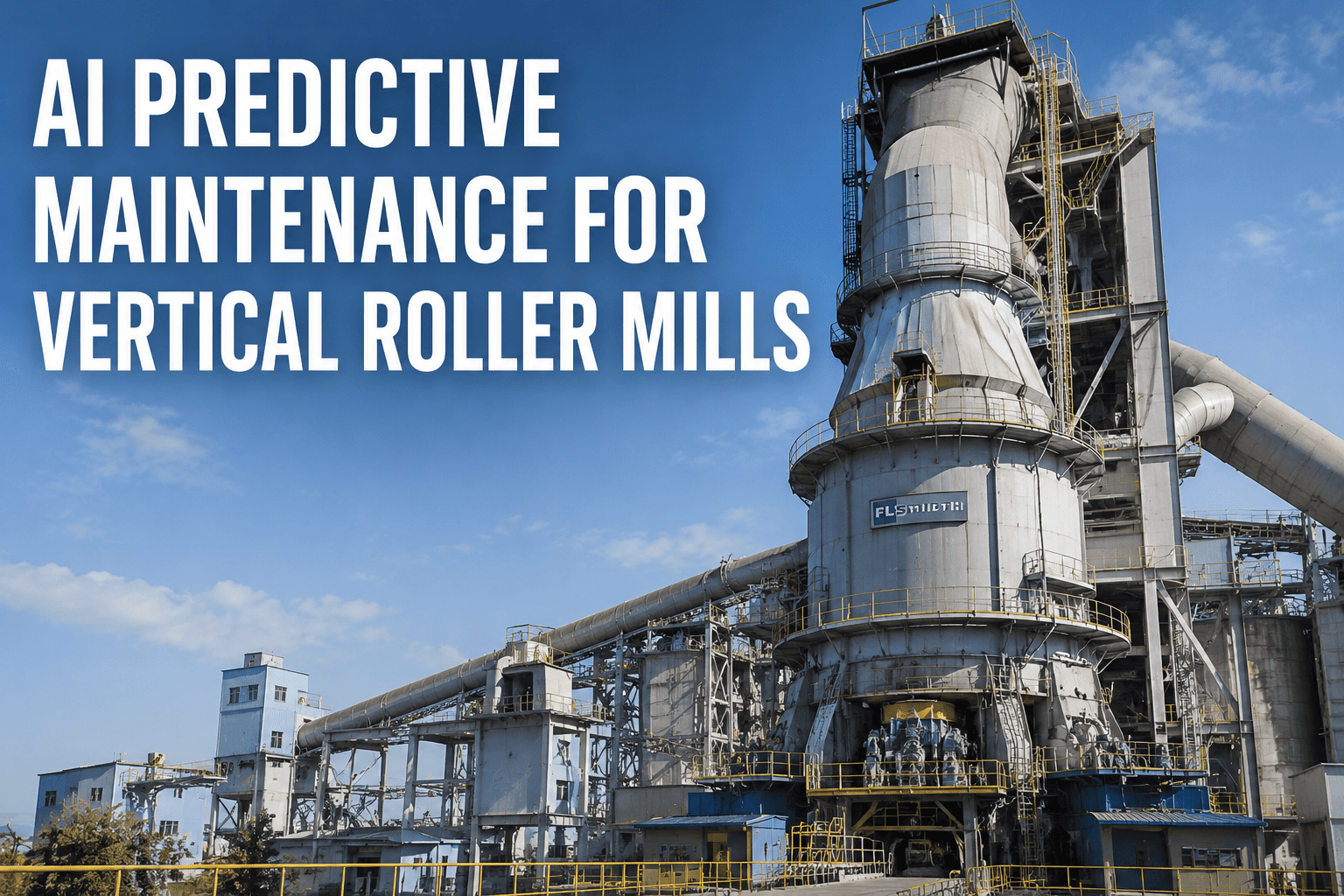
Roller and grinding-element wear on the VRM
Bearing and gearbox condition
Mill vibration and stability
Remaining-life estimates to plan campaigns
What This Layer of Protection Delivers
Adding continuous precursor monitoring and predictive maintenance to the fuel mill changes the risk profile and the reliability profile at the same time.
Earlier
Fire warning
CO trends caught at the self-heating stage
Ready
Inerting confidence
valve health and oxygen watched continuously
Longer
Roller campaigns
wear tracked to true end of life
↑
Mill availability
fewer trips, fewer surprise stops
Frequently Asked Questions
Does this replace our explosion protection and safety systems?
No, and it should not. Certified explosion protection, inerting, interlocks, and your safety systems remain the primary safeguards, and iFactory is designed to complement them, not substitute for them. It adds an early-warning layer that watches trends and precursors continuously, so conditions are addressed before the protective systems ever need to act.
How is trend-based detection better than our fixed CO alarm?
A fixed threshold only trips once CO has already reached a high level, which can be well into an event. iFactory looks at the trend and the rate of rise, and correlates CO with oxygen and temperature, so a developing problem is visible while the absolute value is still low. That difference is often the gap between a routine check and an emergency.
Does it work for both coal and petcoke, and for VRM or ball mills?
Yes. The precursor logic applies to any fine solid fuel, including petcoke, and the reliability side adapts to your mill type, whether it is a vertical roller mill with grinding rollers or a ball mill. The safety signals and thresholds are configured to your specific fuel and mill.
Can it monitor risk during shutdowns and layup?
This is one of the more valuable cases. Coal left in a mill during a stop can self-heat quietly, and continuous CO and temperature monitoring during shutdown and layup gives warning of a developing hotspot when nobody is watching the mill closely. The system keeps trending whether the mill is running or idle.
What do we need to get started?
Most fuel mills already have the core instrumentation: CO and oxygen analyzers, gas and bearing temperatures, and often vibration on the mill. iFactory uses those signals as live trends and adds the reliability models on top. The best next step is a demo on your own fuel-mill data, where we show where past events left early signatures and how much earlier they could have been flagged.
Protect the Mill That Can Explode.
See Coal-Mill Precursors Caught at the Self-Heating Stage
Bring your fuel-mill CO, oxygen, and temperature data, and any past fire or trip events. We'll show where the early signatures lived, how much earlier trend-based detection would have flagged them, and how roller wear is tracked alongside.