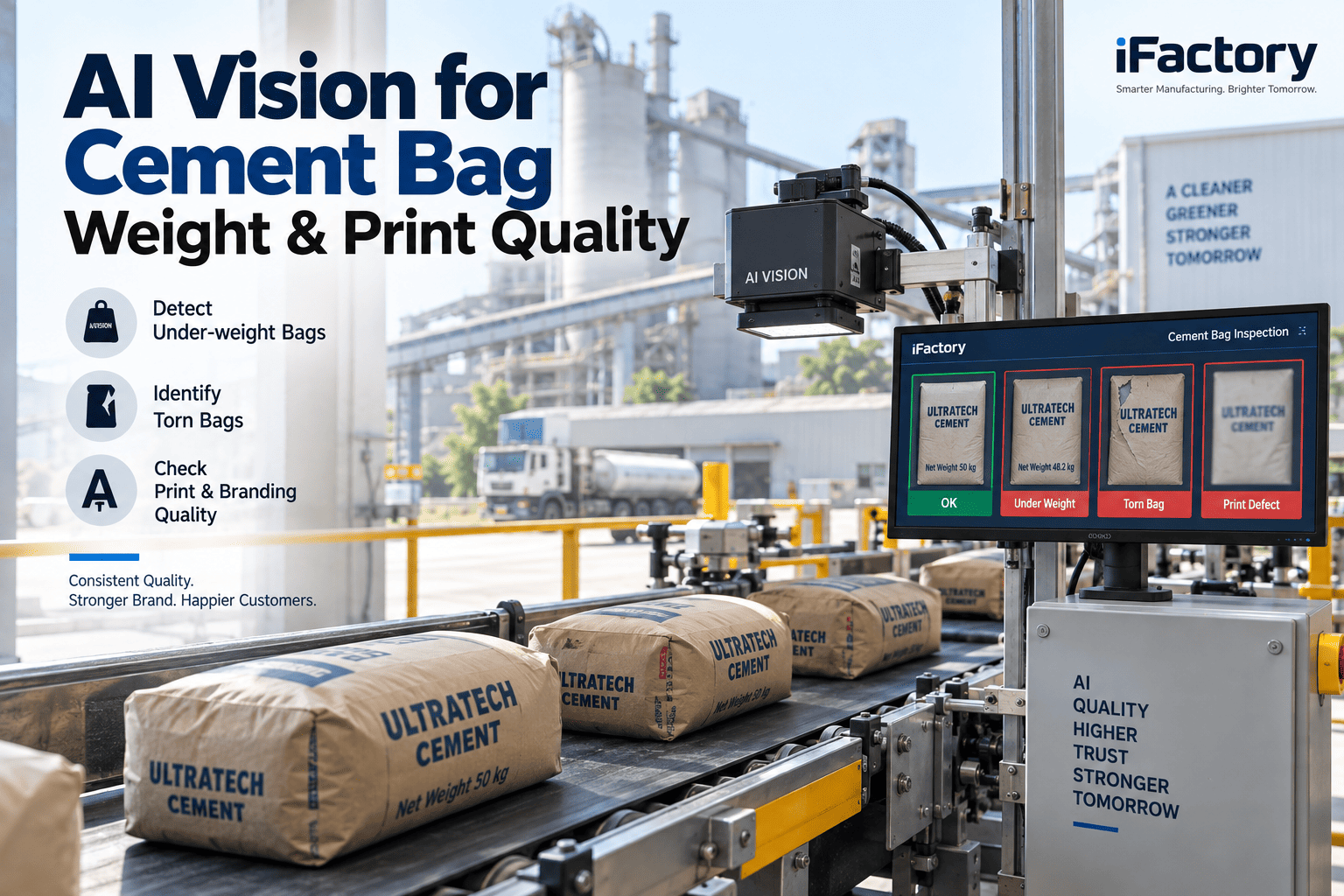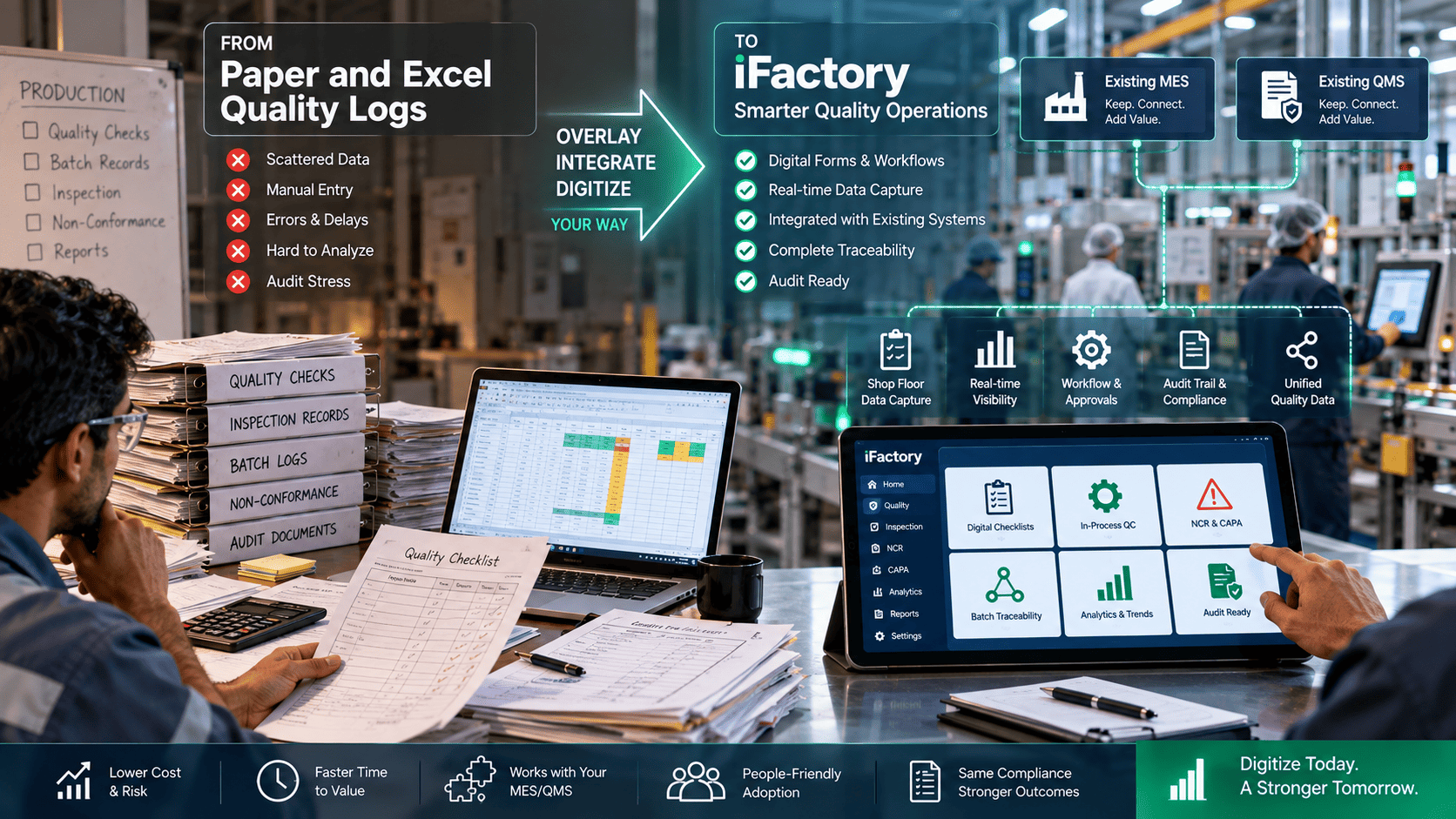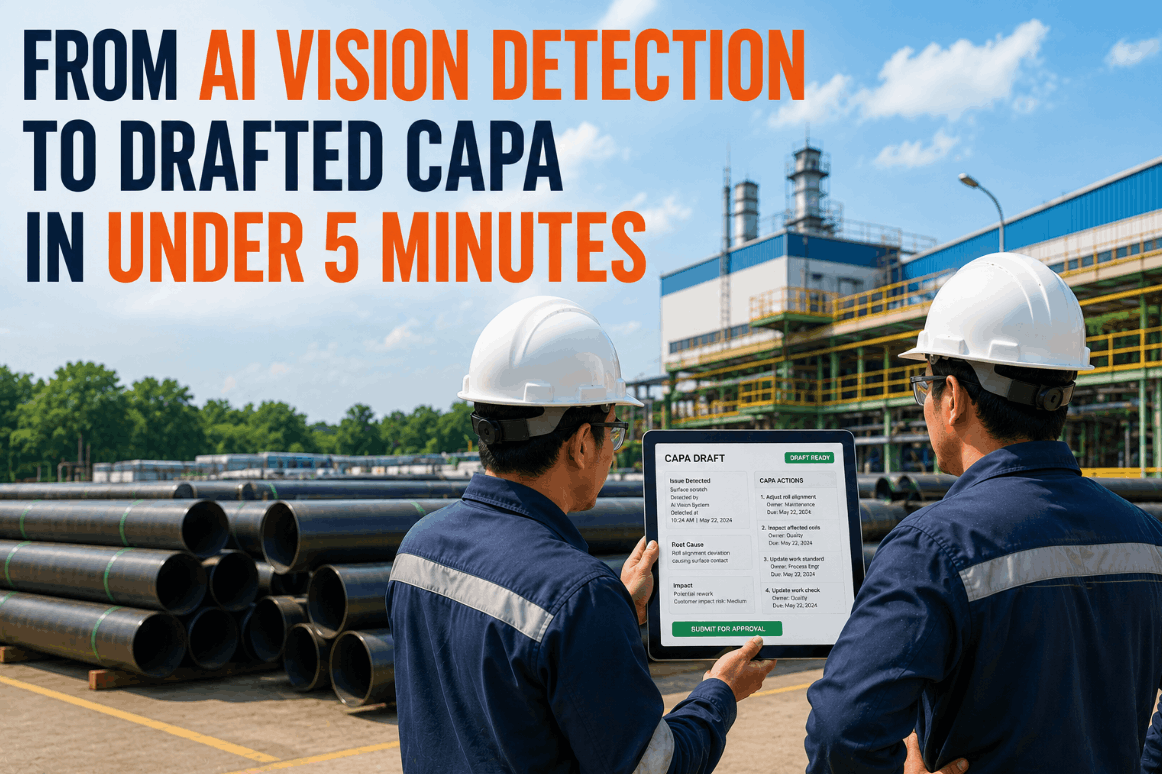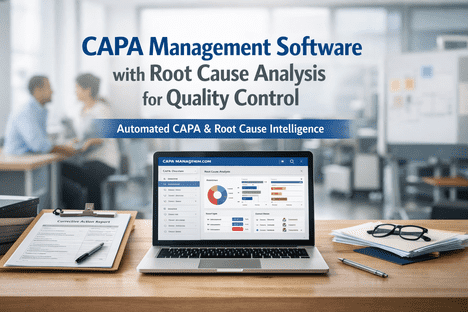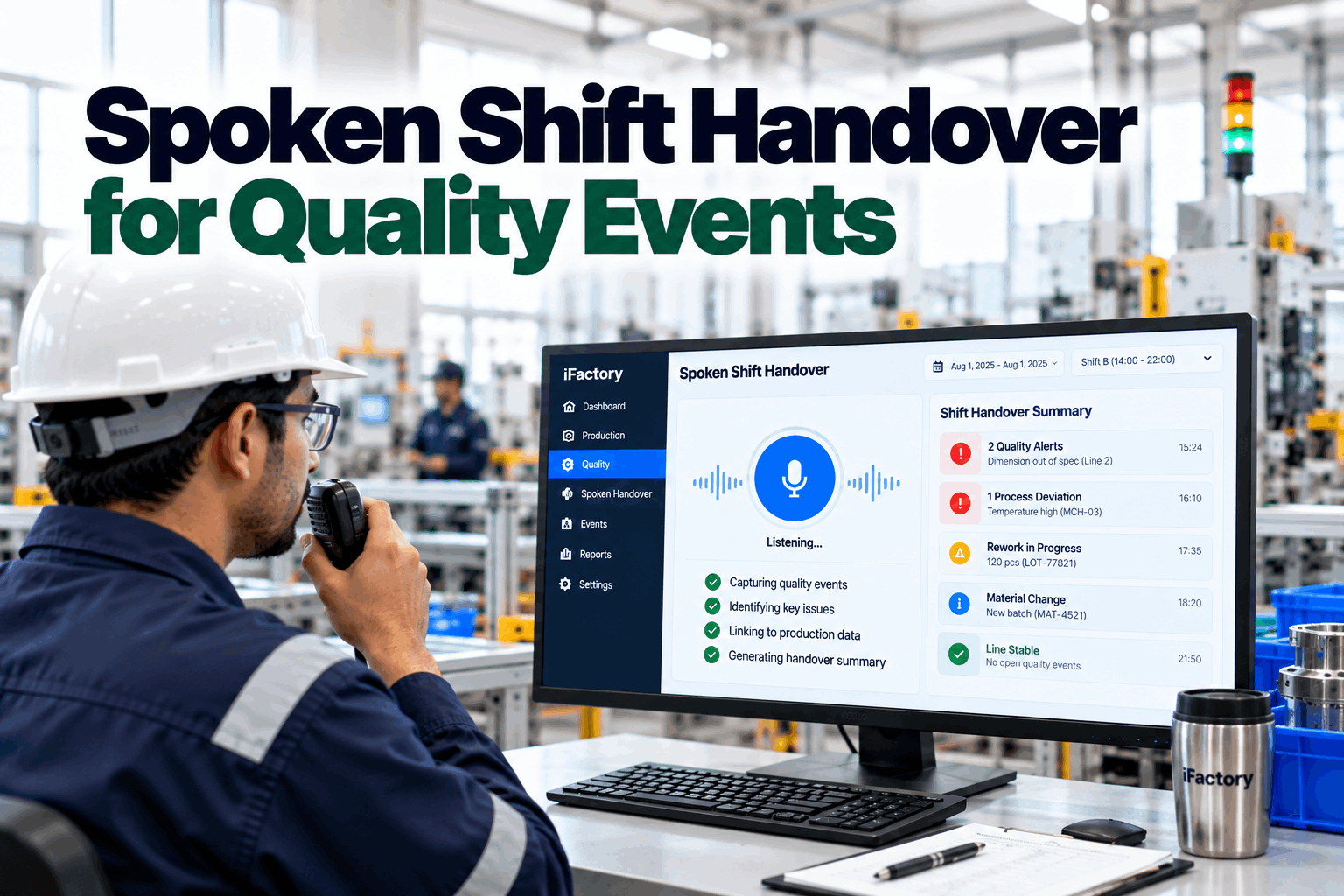
A shift lead walks into work and inherits a partial story — some notes, some tribal knowledge, and a nagging sense that a quality event from the earlier shift is not fully resolved. In that moment, the handover has to be more than a stack of notes. It has to be the same conversation continued, with the quality event chain intact. iFactory AI overlays your MES, QMS, historian, and SPC stack with a spoken handover layer that stitches the quality event trail across shifts, so the incoming crew knows what happened, what is unresolved, and what the outgoing crew was watching. Book a 30-minute walkthrough of one three-shift handover reviewed together.
A handover is not a folder of notes. It is a story that has to survive intact — with holds, CAPAs, and vision events explained the same way to the next crew.
At a Glance
Why Handover Quality Matters More Than the Note
Handovers are the seams in a plant. A great crew executing well across a shift can still lose ground if the handover to the next crew loses the quality event chain. A hold that was placed at 22:00 needs to be understood at 06:00. A CAPA that was opened on day shift needs to be visible on night shift. A vision alarm pattern that started building at the end of one shift needs to be watched by the crew that inherits it. When those threads are lost at the seam, the next quality event can look like a new problem when it is actually a continuation of an unresolved one.
A handover discipline that focuses only on production numbers — how many units, how many stops, how long the changeover took — misses the qualitative context that determines whether the incoming crew starts strong or starts behind. A handover that includes the quality event trail — holds, CAPAs, vision alarms, SPC triggers, open investigations — gives the incoming crew a fair start on the shift.
Elements of a Handover That Preserves the Trail
Which lots or containers are held, why, and what evidence is being gathered.
Which corrective actions are running against the current shift and what needs to be watched for evidence.
What patterns were building at end of shift and whether they were resolved or handed off.
Who owns each open item into the next shift and how the handover was acknowledged.
Signals the outgoing crew wants the incoming crew to monitor even if they did not fire a formal event.
Short explanation of why the outgoing crew chose to hold, release, or escalate — so the next reviewer can follow the reasoning.
iFactory keeps the quality event trail intact from one crew to the next, spoken at the line and searchable afterward.
Holds, CAPAs, vision and SPC patterns gathered at shift end automatically.
A plain-language summary the outgoing lead edits and confirms.
The incoming crew hears what is open, what to watch and who owns it.
Who handed over, who received and what was agreed.
Ask what the last shift said about a lot or machine and get the answer.
Items handed over shift after shift without closure, flagged for CI.
Bring one 24-hour period with holds, CAPAs, and vision events. We walk through the handover trail across three shifts — beside your existing MES and QMS.
Where Spoken Analytics Fits
Spoken analytics does not run the handover. The crew still leads the handover conversation, and the shift lead still signs off on what is transferred. The role of spoken analytics is to organize the trail — collect the open holds, CAPAs, vision alarms, and SPC triggers into a review-ready summary; draft the handover narrative in plain language; and provide a durable record that the next shift can search when a question comes up mid-shift. The crew reviews, edits, and confirms; the layer preserves what was agreed and makes it searchable.
Over time, this creates a handover audit trail that supports continuous improvement. Recurring handover gaps — items that keep being handed off shift after shift without resolution — become visible and can be reviewed by CI leads for structural fixes rather than shift-by-shift firefighting.
Signals That Handover Discipline Is Working
When handover discipline is working, the plant sees fewer quality events that surprise the incoming crew, faster resolution of holds and CAPAs across shift boundaries, and a lower rate of duplicated investigations where two shifts unknowingly work the same issue in parallel. It also sees a growing archive of handover records that supports CI reviews — the recurring gaps become visible, not because a dashboard highlighted them, but because the handover text over time makes the pattern obvious.
There are also common failure modes to watch for. If handovers routinely mention the same item across many shifts without progress, the item is a candidate for a structural fix rather than continued watchlist status. If the incoming crew regularly discovers open items that were not in the handover, the outgoing crew is under-representing the trail — usually because the workflow makes it hard to capture the full context under time pressure. If handovers become mechanical text with no rationale, the practice has drifted into paperwork and the value is eroding. Each of those signals is fixable, and the fix usually lies in making the handover easier to capture correctly, not harder.
Frequently Asked Questions
Open holds and their scope, open CAPAs and verification windows, vision and SPC trigger patterns, named ownership, watch items, and short rationale for key decisions.
No. The crew still leads the handover conversation and the shift lead signs off. The layer organizes evidence and preserves a searchable record.
By keeping the CAPA and its verification window visible across shifts, so the crew running when the evidence appears knows what to watch for and how to record it.
Yes. Preserving the handover as structured, searchable text turns it into an audit trail that supports investigations and continuous improvement.
When the same item keeps being handed off shift after shift without resolution, the pattern becomes visible and CI leads can review it for structural fixes.
A spoken handover layer preserves the quality event trail, gives the incoming crew a fair start, and turns the handover itself into a searchable audit trail that supports continuous improvement.