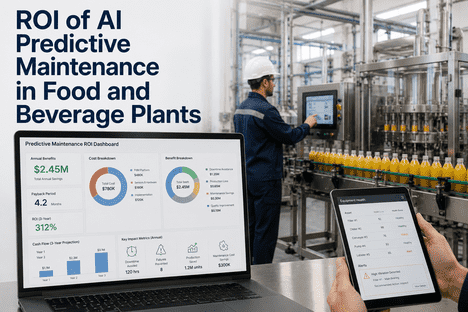
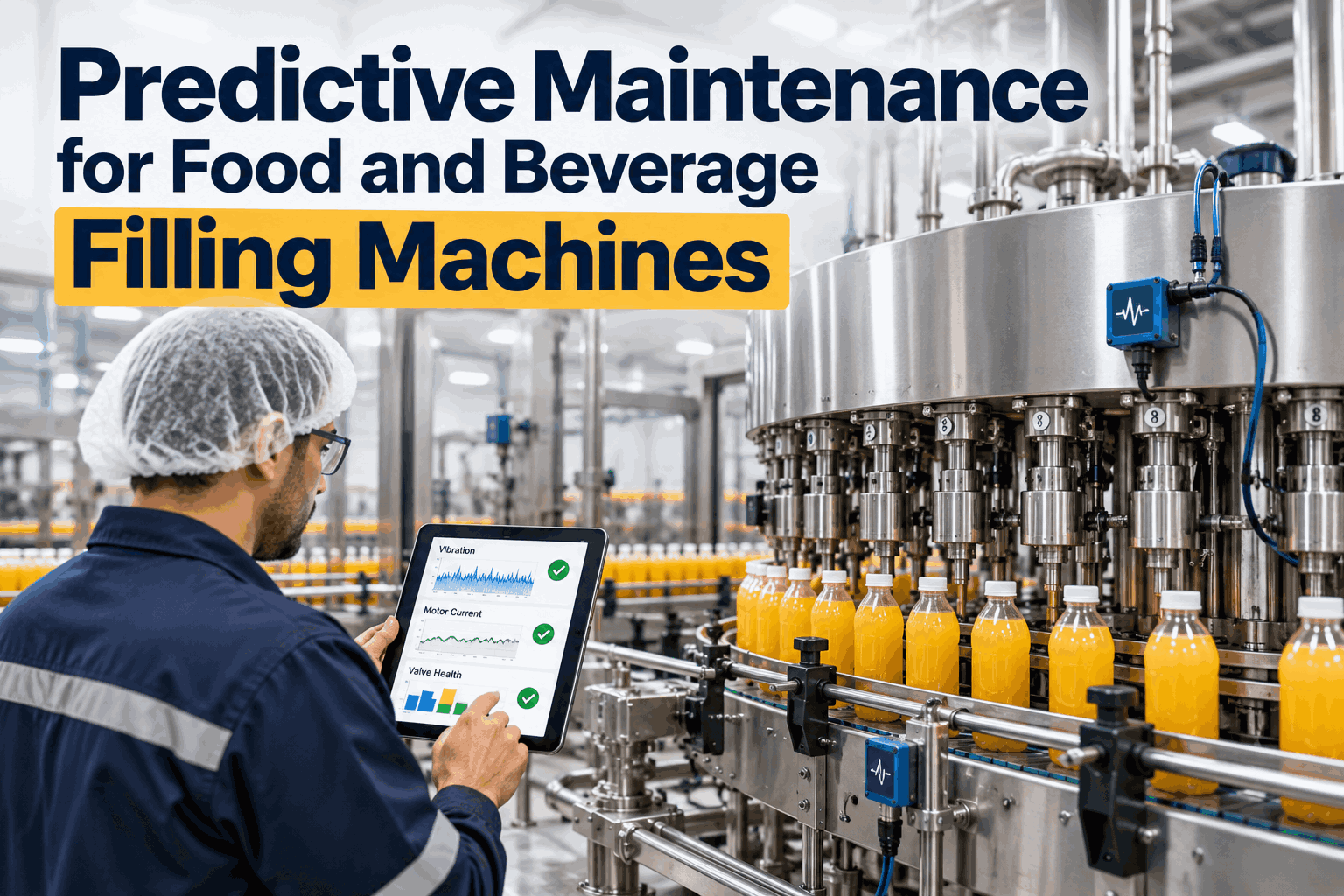
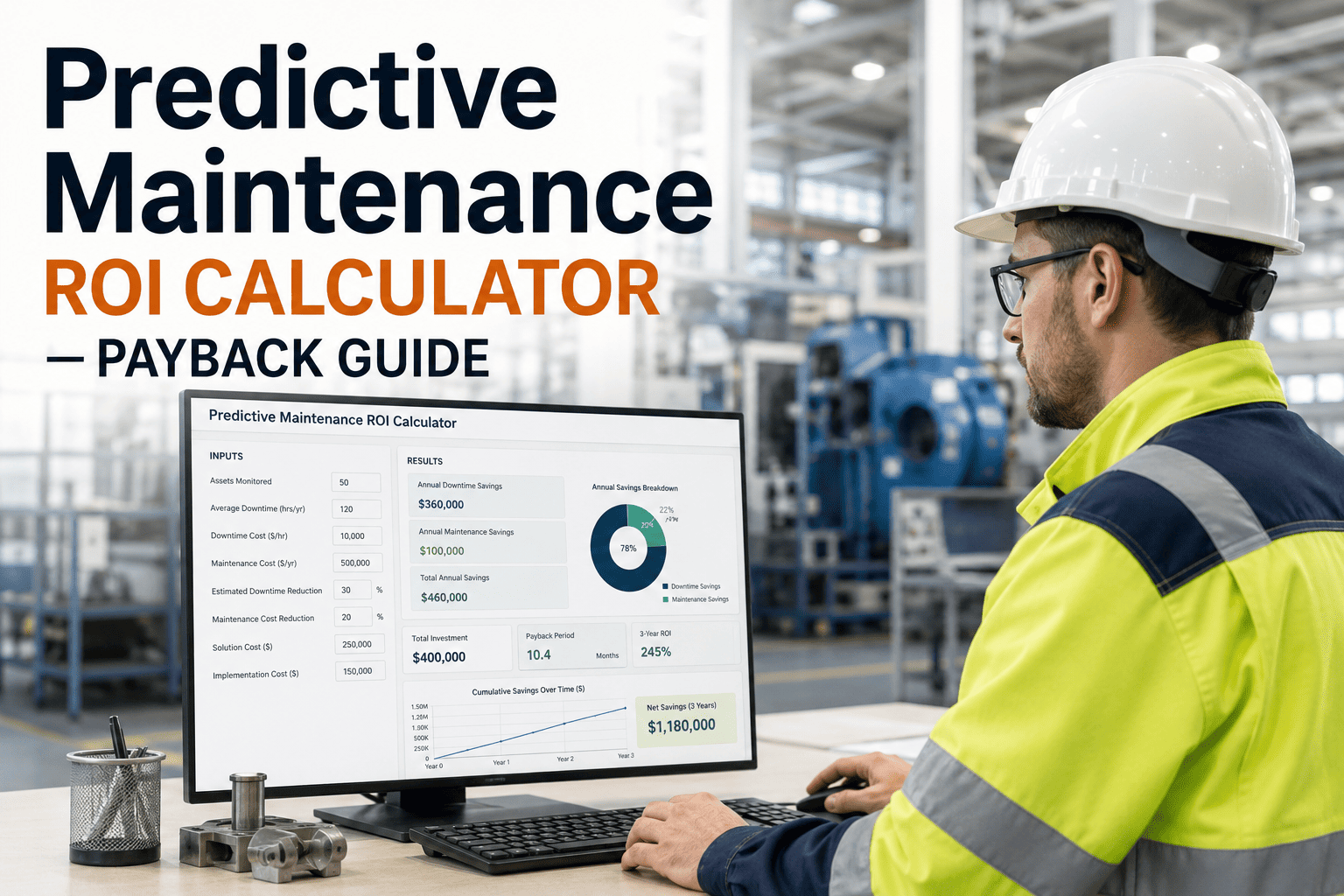
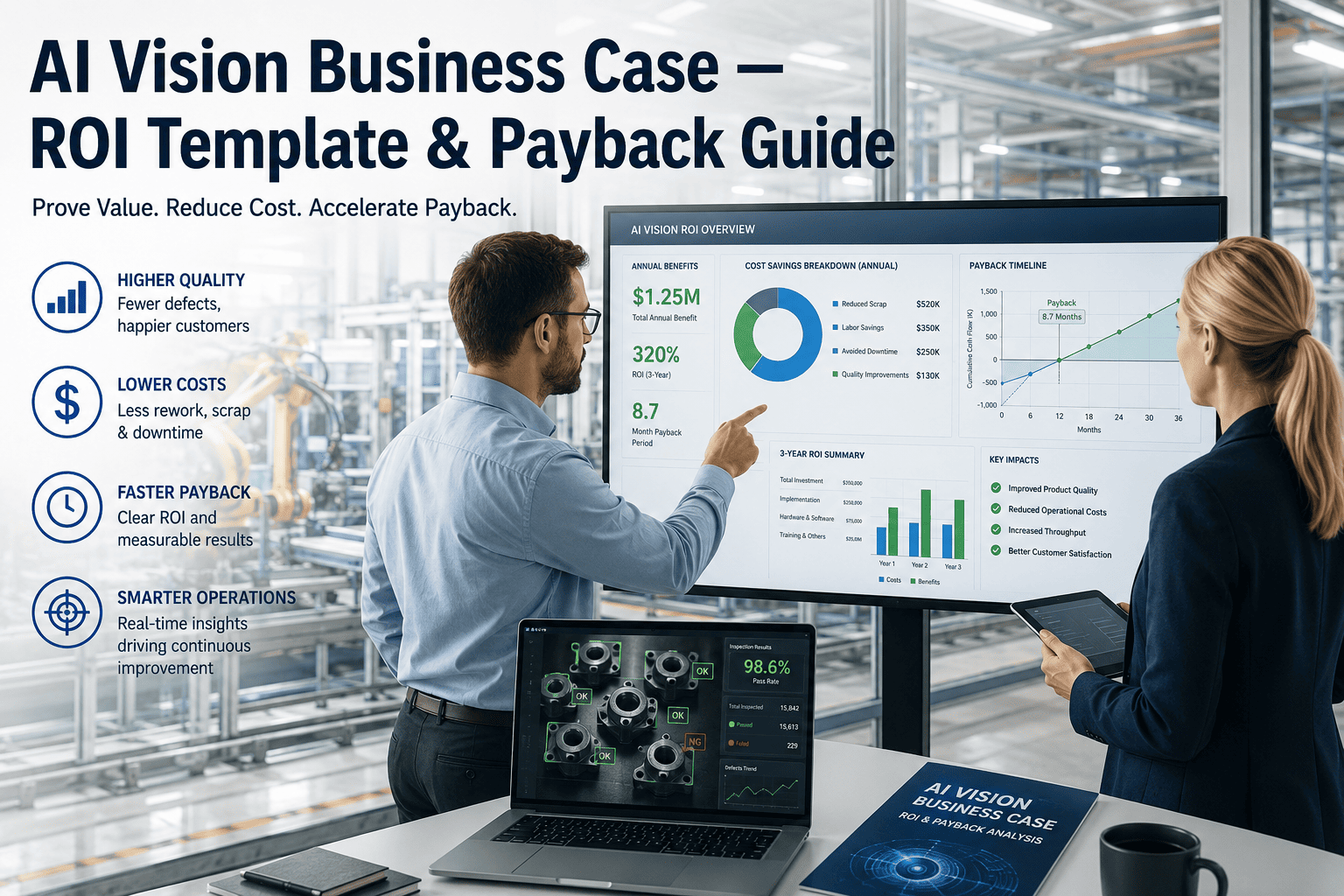
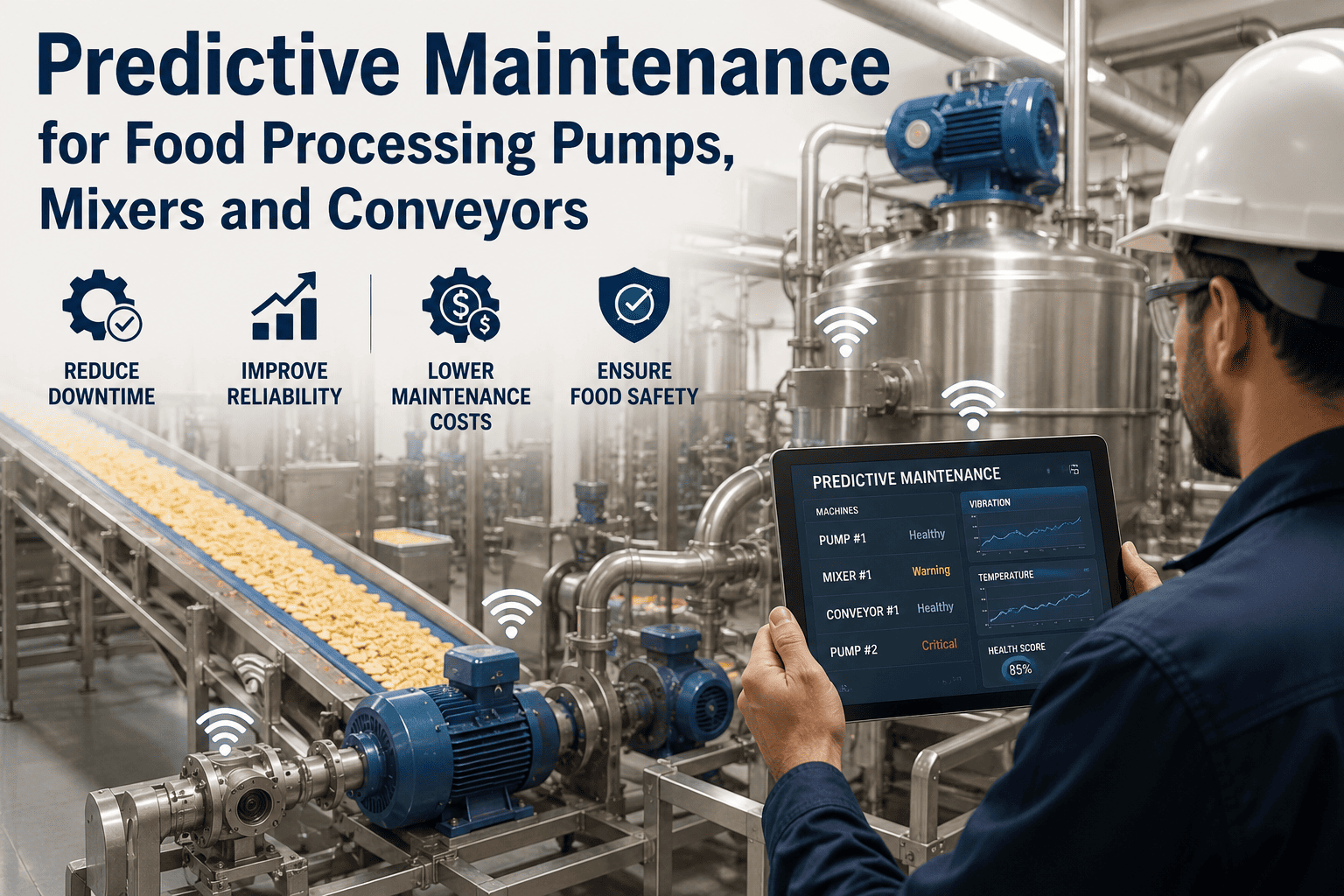
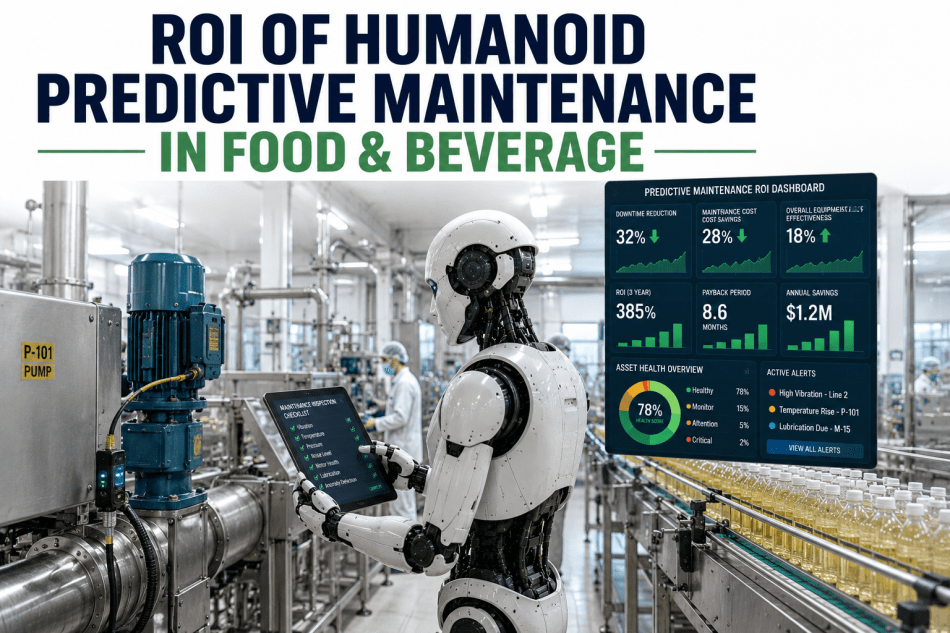
Here is the whole business case in one sentence: stop one filler or chiller failure a year, and the predictive maintenance platform has already paid for itself. That is not a sales line — it is arithmetic. Unplanned downtime runs a median of roughly $125,000 per hour, and in a food plant a single breakdown rarely stays a clean mechanical event. It drags scrapped batches, an unplanned CIP cycle, a temperature excursion, maybe a HACCP hold behind it. Against numbers like that, the cost of an AI predictive maintenance program is small — and the payback math is hard to argue with once you actually run it.
iFactory AI Predictive Maintenance
The ROI of AI Predictive Maintenance in F&B Plants
One prevented filler or chiller failure pays back the platform. Here is the real ROI math — with case data from food and beverage plant deployments.
$125K
median downtime per hour
35-50%
less unplanned downtime
9-14mo
typical ROI breakeven
1
prevented failure pays it back
Why a Food Plant Failure Costs More Than the Repair
In most industries a line stop is a cost event. In food and beverage it is that plus a second risk layer — contamination exposure, temperature excursions, product holds, and HACCP non-conformances with regulatory and commercial consequences. The repair bill is often the smallest line on the invoice.
Lost Production
The line is down, output stops, and delivery commitments slip — the visible cost that everyone counts first.
Scrapped Product
In-process batches spoil or go off-spec when a filler, mixer, or chiller fails mid-run, and that material is gone.
Unplanned Cleaning
A breakdown can force an extra CIP cycle and extended sanitation, burning time, water, energy, and chemicals.
Compliance Exposure
Temperature exceedance or contamination risk can trigger a HACCP hold, a recall, or regulatory penalties.
The Payback Math, Step by Step
The business case does not need optimistic assumptions — just the fully-loaded cost of one hour of downtime on a critical line, and the failures a year that a program prevents. Walk it through and the platform pays for itself before the first year is out.
1
Cost one hour of downtime
Add up lost production, labor, scrapped product, and cleaning on your most critical line. The median sits near $125K per hour.
2
Count the failures prevented
AI cuts unplanned downtime 35 to 50%. Even preventing one or two major events a year is enough to move the needle.
3
Compare to program cost
Set the avoided losses against the platform cost. Preventing one or two events a year often returns the full investment.
4
Break even in well under a year
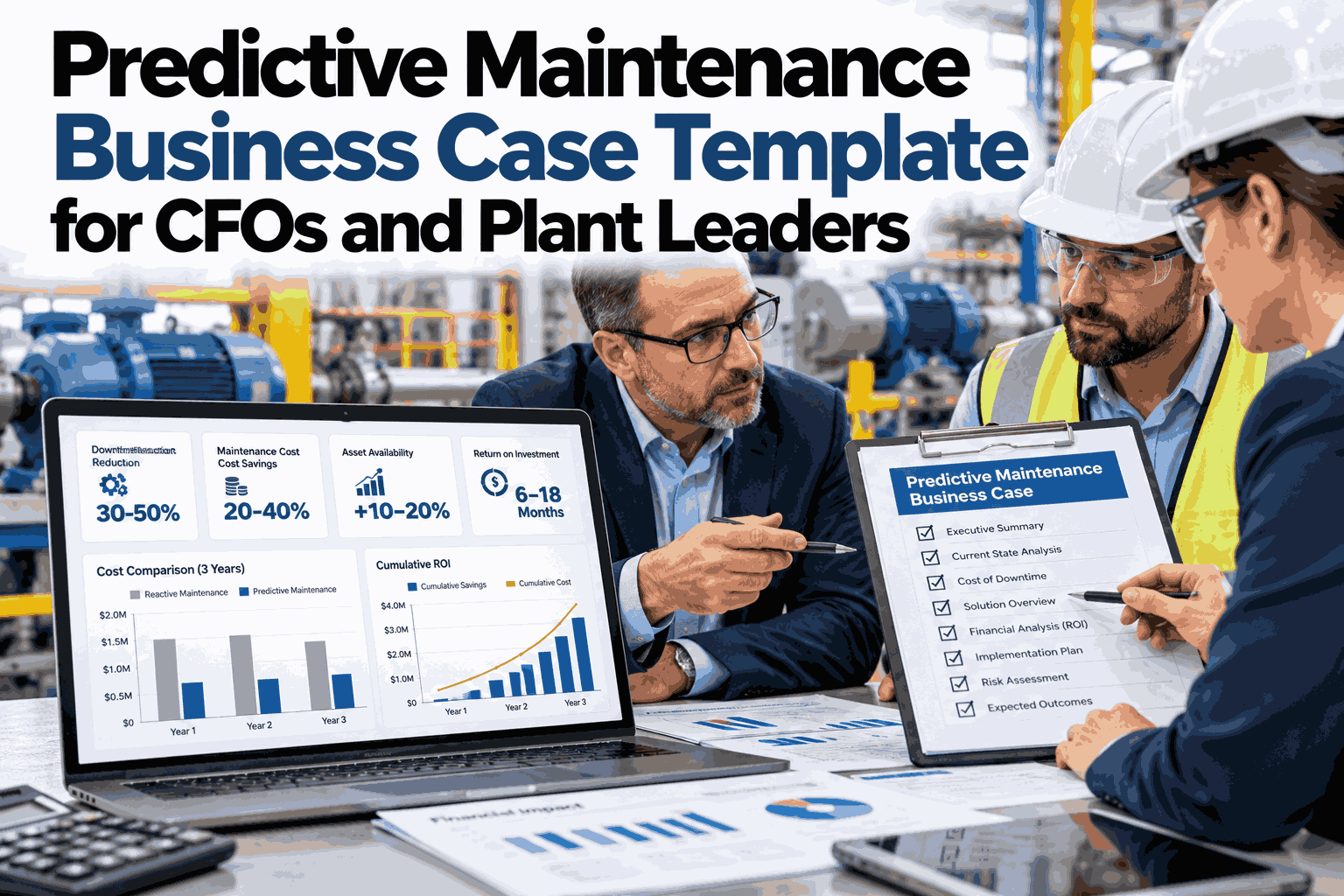
Breakeven typically lands in 9 to 14 months — and as fast as 3 to 6 on high-downtime-cost lines.
Want this modeled on your own lines and downtime cost? Book a demo and we'll build the ROI math for your critical assets.
Proof From the Plant Floor
The math is not theoretical — food and beverage deployments have put real numbers on it. A single prevented failure, caught weeks early, is repeatedly what tips the program into clear positive return.
$330K
In 6 months
A leading F&B manufacturer's savings in the first half-year, from catching early bearing and lubrication issues before failure.
7x
Overall ROI
A dairy producer avoided one costly failure on aging machinery and saw a seven-fold return on the program.
$120K
One failure avoided
That same dairy producer's savings from a few simple preventive measures that headed off a single major breakdown.
30-45
Days to first win
Most food plants identify their first measurable savings opportunity within the first month and a half of monitoring.
Where the Savings Come From
The return is not one big number — it is several value streams stacking up. Reduced downtime is the headline, but lower maintenance cost, longer asset life, and avoided product loss all add to the same total.
35-50%
Less unplanned downtime
Failures predicted weeks ahead become planned repairs in scheduled windows instead of emergency line stops.
20-35%
Lower maintenance cost
Work happens when the asset needs it, not on a calendar — ending both over-maintenance and emergency premiums.
Longer
Asset life
Catching degradation early prevents the secondary damage a run-to-failure breakdown inflicts on equipment.
Fewer
Product losses
Avoiding mid-run failures protects in-process batches and sidesteps contamination and compliance exposure.
Curious which value stream is biggest for your plant? Talk to our reliability team and we'll break down where your savings would land.
Weeks of Warning, Not Minutes
The reason the math works is lead time. AI does not just tell you something broke — it flags degradation early enough to plan around it, turning a catastrophic emergency stop into a routine repair slotted into the next scheduled downtime.
4-8 Weeks Mechanical
Bearing wear and compressor issues are typically caught four to eight weeks ahead, ample time to plan the fix.
2-4 Weeks Electrical
Electrical faults and refrigerant leaks are usually detected two to four weeks out, before they cascade into failure.
Planned, Not Emergency
A predicted failure becomes a 30-minute belt or seal swap during scheduled downtime, not a frantic line stop.
Built for F&B Assets
Fillers, chillers, mixers, and conveyors stressed by moisture, CIP cycling, and high-speed fatigue are all covered.
What the ROI Case Delivers
Run the numbers and the conclusion is consistent: the program defends itself on a single prevented failure and compounds from there. These reflect outcomes food and beverage plants report after deploying AI predictive maintenance.
1
Failure to break even
preventing one major event often returns the full investment
9-14mo
Typical payback
faster than most capital equipment investments deliver
Stacked
Value streams
downtime, maintenance cost, asset life, and product loss
Rising
Return over time
savings compound as monitoring widens across the plant
Ready to put real numbers behind the case? Book a demo and we'll model the payback for your filler and chiller fleet.
Frequently Asked Questions
How does preventing one failure pay for the whole platform?
Because of the scale of a single food-plant failure. Unplanned downtime runs a median near $125,000 per hour, and a breakdown also drags scrapped product, an unplanned CIP cycle, and possible compliance exposure behind it. Set the fully-loaded cost of one such event against the program cost and preventing just one or two major events a year typically returns the full investment.
What's a realistic payback period?
ROI breakeven is typically 9 to 14 months across a fleet of 20 or more critical assets — faster than most capital equipment investments. On lines with very high downtime cost or critical cooling, payback can land in 3 to 6 months. And most food plants identify their first measurable savings opportunity within 30 to 45 days of deploying continuous monitoring.
What savings actually make up the ROI?
Several stacked value streams: a 35 to 50% reduction in unplanned downtime, 20 to 35% lower maintenance costs, longer asset life from catching degradation early, and fewer product losses from avoided mid-run failures. Reduced downtime is the headline, but the maintenance-cost and product-loss savings often matter just as much in a thin-margin food operation.
How much warning does the AI actually give?
Enough to plan around. Mechanical issues like bearing wear and compressor problems are typically flagged four to eight weeks ahead; electrical faults and refrigerant leaks two to four weeks out. That lead time converts a catastrophic emergency stop into a routine 30-minute belt or seal replacement scheduled into the next planned downtime.
Do we need new staff or a long rollout?
No. Modern AI predictive maintenance platforms are built as turn-key solutions designed for the maintenance and reliability professionals you already have, and food-grade IP69K stainless sensors mount without compromising sanitation. The fastest way to see fit is a demo where we model the ROI on your own critical assets — book a slot and bring your most failure-prone filler or chiller line.
One Prevented Failure Pays for It.
See the ROI Math for Your Plant
Bring your most failure-prone filler or chiller line and its downtime cost. We'll build the payback math against your numbers, show the case data from food and beverage deployments, and map the value streams — so the business case writes itself before you leave the call.