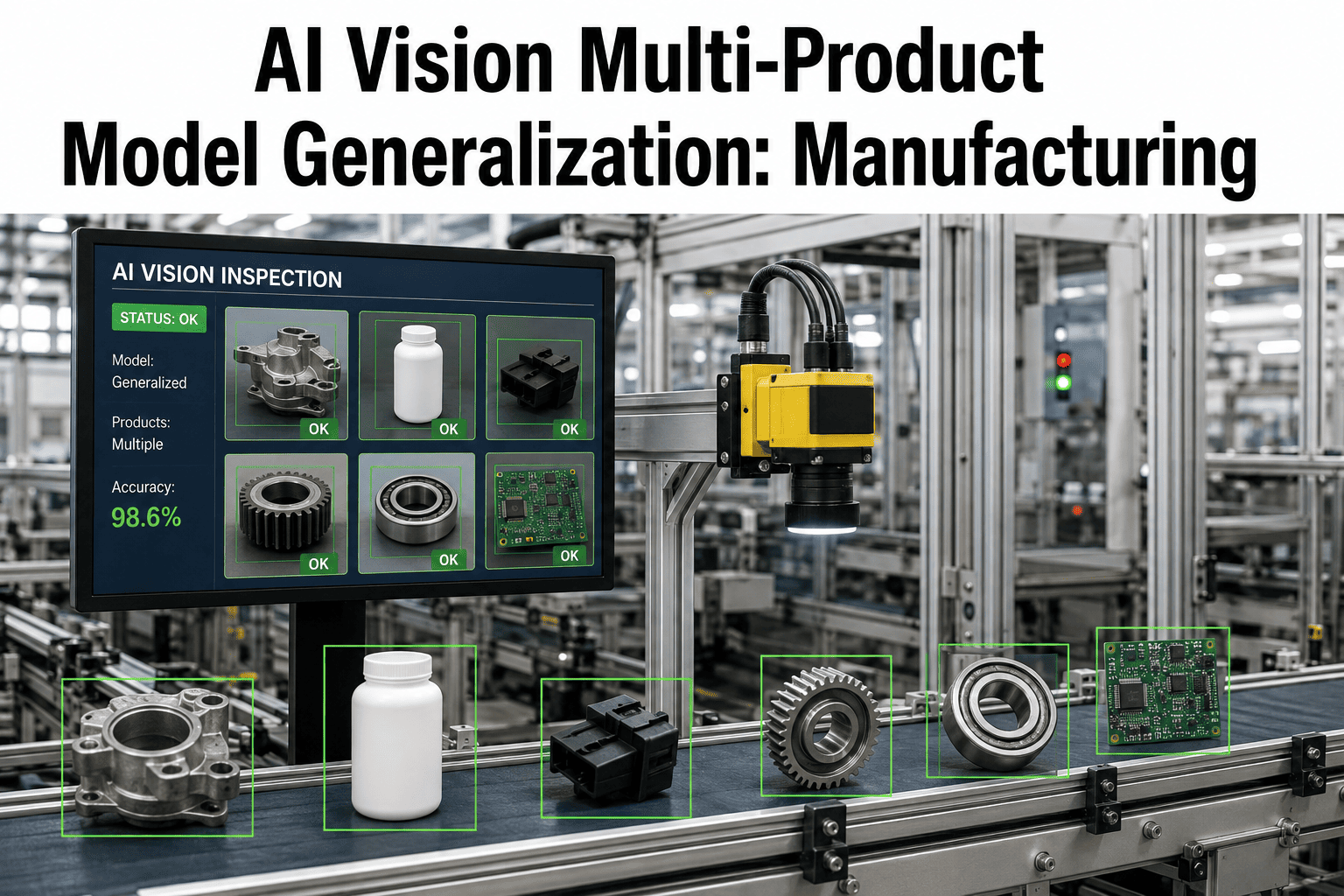
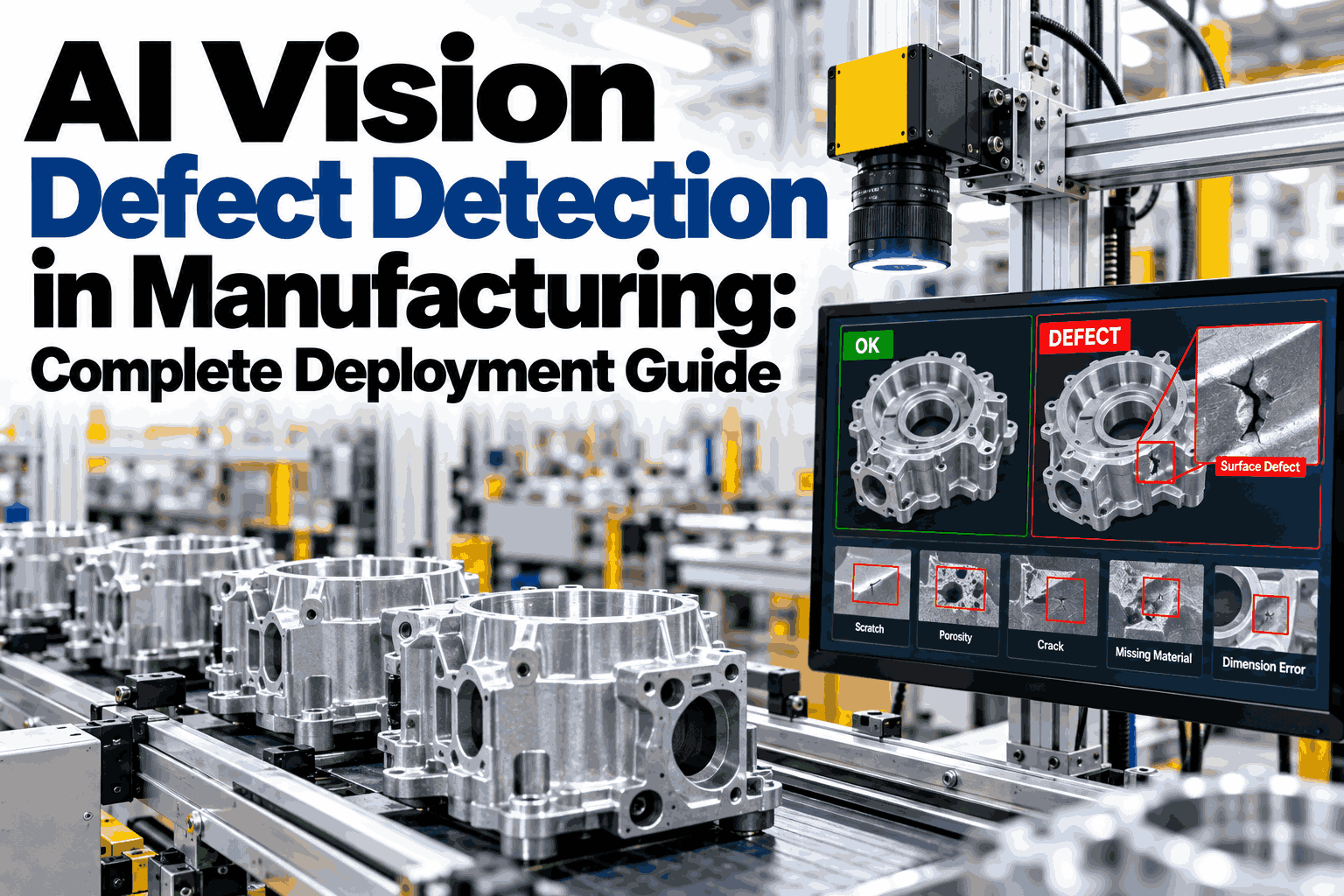
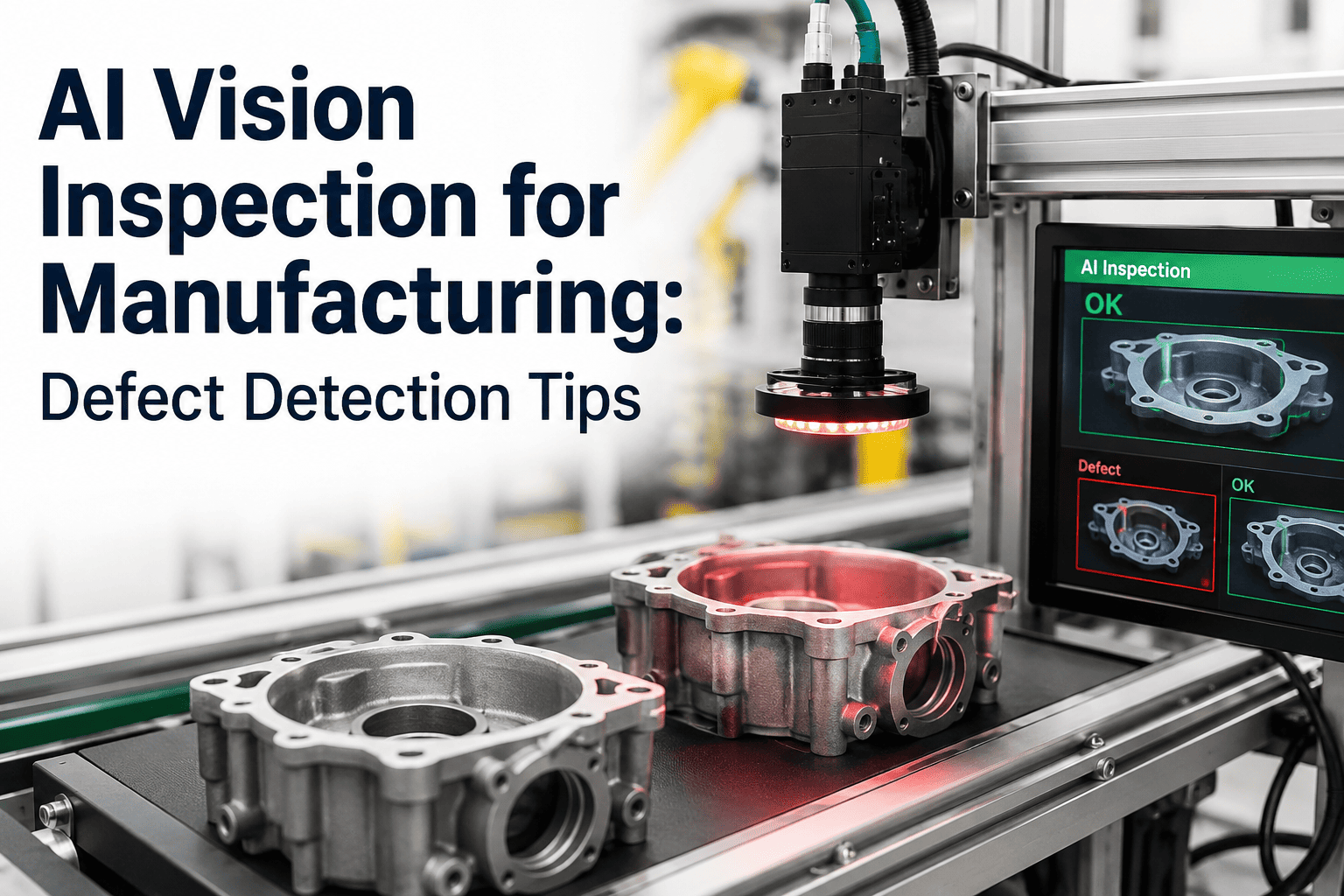
A plant running twelve product variants on one line faces a choice most AI vision vendors gloss over in the demo, train one model to handle every variant, or maintain twelve separate models and swap between them every changeover. Pick the first option without the right approach and accuracy quietly degrades on the variants with less training data. Pick the second and the maintenance burden grows every time a new SKU launches. Getting multi-product AI vision right means understanding which generalization approach fits your actual product mix, not defaulting to whichever one a vendor happened to build first. iFactory designs vision models around how varied your product line actually is, and you can book a demo to see which approach fits your specific product mix.
AI VISION · MULTI-PRODUCT MODELS · TRANSFER LEARNING
One Inspection System, Many Products, No Accuracy Trade-Off
iFactory builds AI vision models that generalize across product variants using the right combination of multi-class detection and transfer learning, so adding a new SKU does not mean starting from zero.
WHY MULTI-PRODUCT LINES BREAK NAIVE MODELS
The Same Model That Works Great on One Product Often Struggles on Ten
A vision model trained heavily on your highest-volume product tends to perform well on exactly that product and noticeably worse on lower-volume variants it saw far less often during training. This is not a flaw in the underlying technology, it is a direct consequence of how the model was built, and it is entirely avoidable with the right architecture decisions made up front.
10+
Product variants commonly run on a single manufacturing line requiring one inspection strategy
Faster
Onboarding time for new SKUs when a model uses transfer learning instead of training from scratch
1 System
Consistent inspection standard maintained across the full product mix without separate model swaps
THREE WAYS TO HANDLE PRODUCT VARIETY
Different Approaches Fit Different Product Mixes
There is no universally correct approach, the right one depends on how similar your product variants are visually and how often new products are introduced.
Multi-Class Detection
A single model trained to recognize and classify multiple product types directly, well suited to products that share similar defect types and visual characteristics.
Transfer Learning
A base model trained on your primary product is adapted quickly to new variants using a smaller training set, cutting onboarding time for each new SKU.
Product-Type Classification Layer
A first-stage classifier identifies the product type, then routes inspection to a specialized model, useful when variants differ significantly in appearance or defect profile.
CHOOSING THE RIGHT FIT
Matching Approach to Product Mix
The decision generally comes down to how visually similar your products are and how frequently new variants are introduced to the line.
| Product Mix Situation |
Recommended Approach |
Why It Fits |
| Similar products, shared defect types |
Multi-class detection |
One model learns shared visual patterns efficiently |
| Frequent new SKU launches |
Transfer learning |
New variants onboard fast with limited new training data |
| Visually distinct product families |
Classification plus routing |
Specialized models avoid accuracy loss from over-generalizing |
| Stable, low-variety product line |
Single dedicated model |
Added complexity of generalization is not needed |
Find the Right Model Strategy for Your Product Mix
iFactory reviews your product variety and defect profile before recommending a generalization approach. Book a demo to see which strategy fits your line.
WHAT HAPPENS WHEN GENERALIZATION IS DONE WRONG
The Failure Modes Worth Avoiding From the Start
Getting multi-product generalization wrong does not usually cause an obvious, immediate failure, it shows up gradually as inconsistent accuracy across the product mix.
Accuracy Skewed to High-Volume Products
Low-volume variants receive less training exposure and quietly underperform without anyone noticing until a defect escapes.
Slow Onboarding for New SKUs
Without transfer learning, each new product requires building a full training set from scratch before it can be inspected reliably.
Maintenance Overhead From Model Sprawl
Maintaining a fully separate model per product without a shared strategy becomes increasingly difficult to manage as SKU count grows.
False Confidence From Aggregate Metrics
Overall detection rate can look strong while masking poor performance on specific lower-volume products buried in the average.
FREQUENTLY ASKED QUESTIONS
Questions Engineering Teams Ask Before Scaling Inspection Across Products
How much training data do we need for each new product variant?
With transfer learning from an established base model, new variants typically require a much smaller training set than building a model from scratch, since the model already understands general visual and defect patterns from prior products. The exact amount still depends on how visually different the new variant is from what the base model already knows.
Book a demo to estimate data requirements for your specific product line.
Will accuracy on our highest-volume product suffer if we add support for more variants?
Not when the generalization approach is matched correctly to your product mix, per-product accuracy is monitored individually rather than relying on an aggregate metric, so a drop on any single product is caught rather than hidden by strong overall numbers. This is exactly why per-variant tracking matters more than a single blended accuracy figure.
Contact our support team to review per-product accuracy monitoring.
How do we know which of the three approaches is right for our line?
The assessment looks at how visually similar your products are, how often new SKUs launch, and what defect types you are trying to catch, and generally points clearly toward one approach or a combination of two. Most manufacturers benefit from starting with a candid review of their actual product mix rather than picking an approach up front.
Book a demo to get a recommendation based on your product mix.
Can we switch approaches later if our product mix changes significantly?
Yes, the underlying models can be retrained or restructured as your product mix evolves, and a system built with transfer learning in mind from the start makes that transition considerably smoother than one built as a single rigid model. Planning for future product growth during the initial design avoids a costly rebuild later.
Contact our support team to discuss scaling plans as your product line grows.
Does this work if our product variants have very different defect types, not just different appearances?
Yes, this is typically where a classification-and-routing approach performs best, a first-stage classifier identifies the product type and routes it to a specialized model trained specifically on that product's relevant defect types. This avoids forcing one model to learn defect patterns that only apply to a subset of your product line.
Book a demo to review this approach for varied defect profiles.
Build Inspection That Scales With Your Product Line, Not Against It
iFactory designs multi-product AI vision models that stay accurate as your SKU count grows. Book a demo to review the right approach for your product mix.