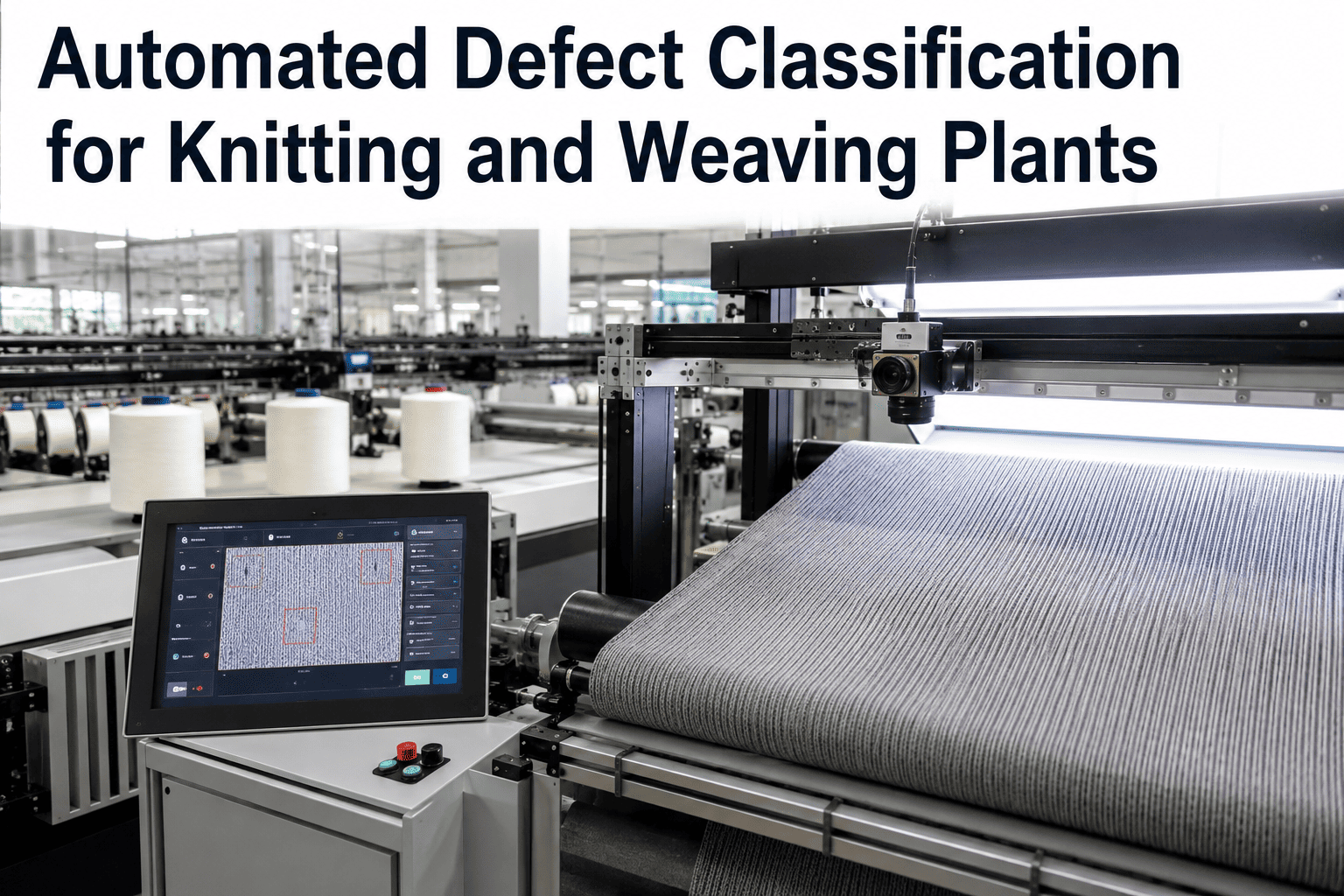
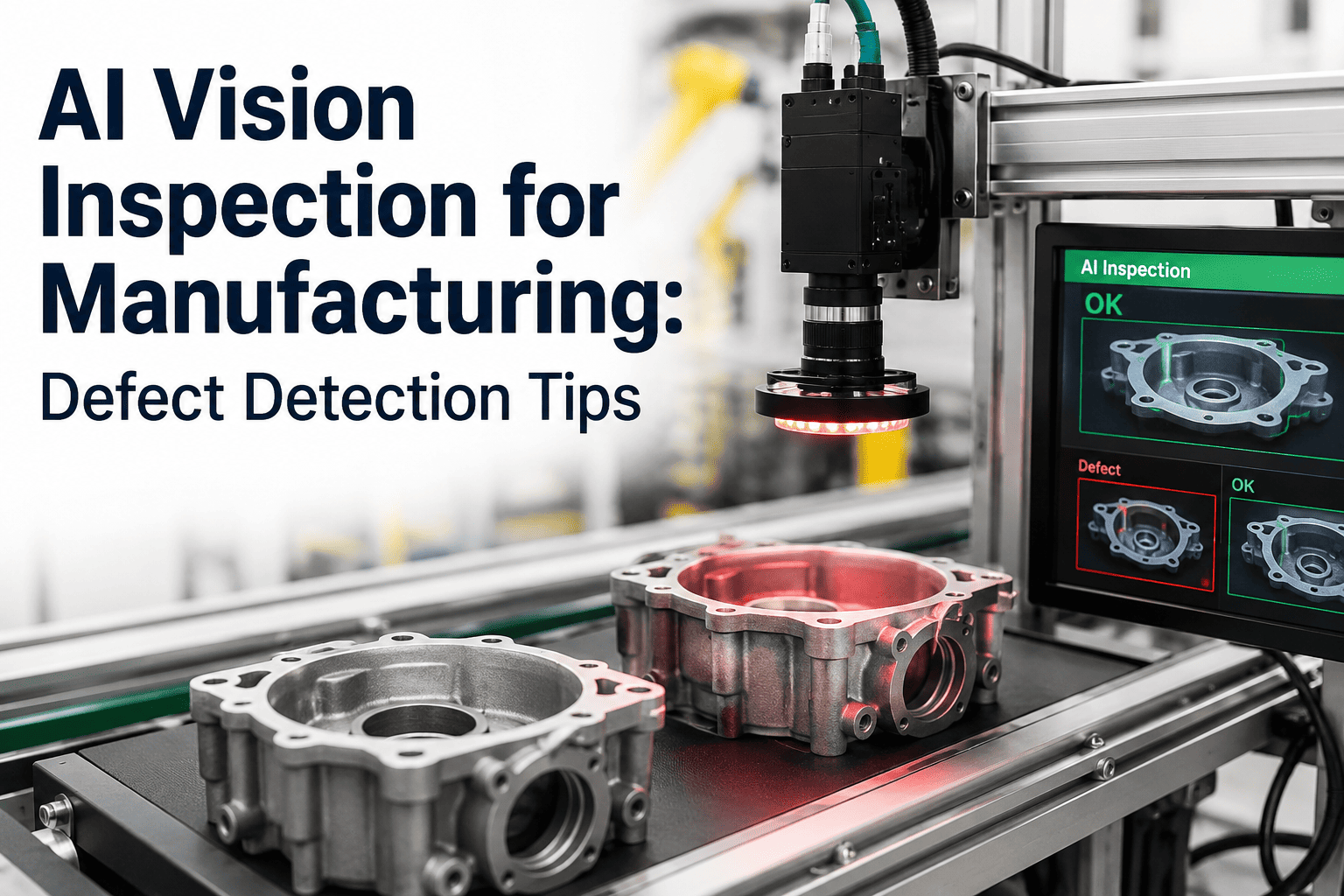
A weaving plant produces dozens of distinct fault types — warp breaks, weft bars, reed marks, oil stains, missing picks — and a knitting plant produces an entirely different set — dropped stitches, needle lines, holes, barre. Most vision systems on the market are trained on one or the other, or worse, trained generically and left to guess at both. The result is a system that catches the obvious faults and misses the subtle ones your experienced fabric checkers would have flagged instantly, which means the plant ends up running two inspection processes side by side instead of one. iFactory classifies fabric defects using detection models built separately for knitting and weaving fault libraries, so the system recognizes what it's actually looking at instead of applying one generic standard to two very different processes. Book a demo on your own knitted or woven fabric.
Quick Answer
iFactory runs separate AI defect classification models for knitting and weaving, recognizing 15+ distinct fault types per process — from dropped stitches and needle lines to warp breaks and reed marks — with automatic grading and shift-wise fault trend reporting. Plants typically cut manual grading time by 50% and catch 20% more graded-out defects than manual four-point systems.
The Fault Library: What iFactory Actually Recognizes
Classification only works if the model knows what it's looking for. Here is how iFactory's fault library is organized across the two processes, with common defect types tagged by process and typical severity.
Knitting Faults
Dropped StitchNeedle LineHole
BarrePillingYarn Contamination
Course MisalignmentRunner
Weaving Faults
Warp BreakMissing PickReed Mark
Weft BarOil StainSlub
Temple MarkFloat
Severity indicates typical grading impact: high severity faults usually trigger a downgrade or reject; medium and low faults are logged and trended by frequency.
One Fault Library Per Process, Not One Generic Standard for Both
See iFactory's knitting and weaving fault classification applied to your own fabric during a live demo.
How Classification Feeds Into Grading and Reporting
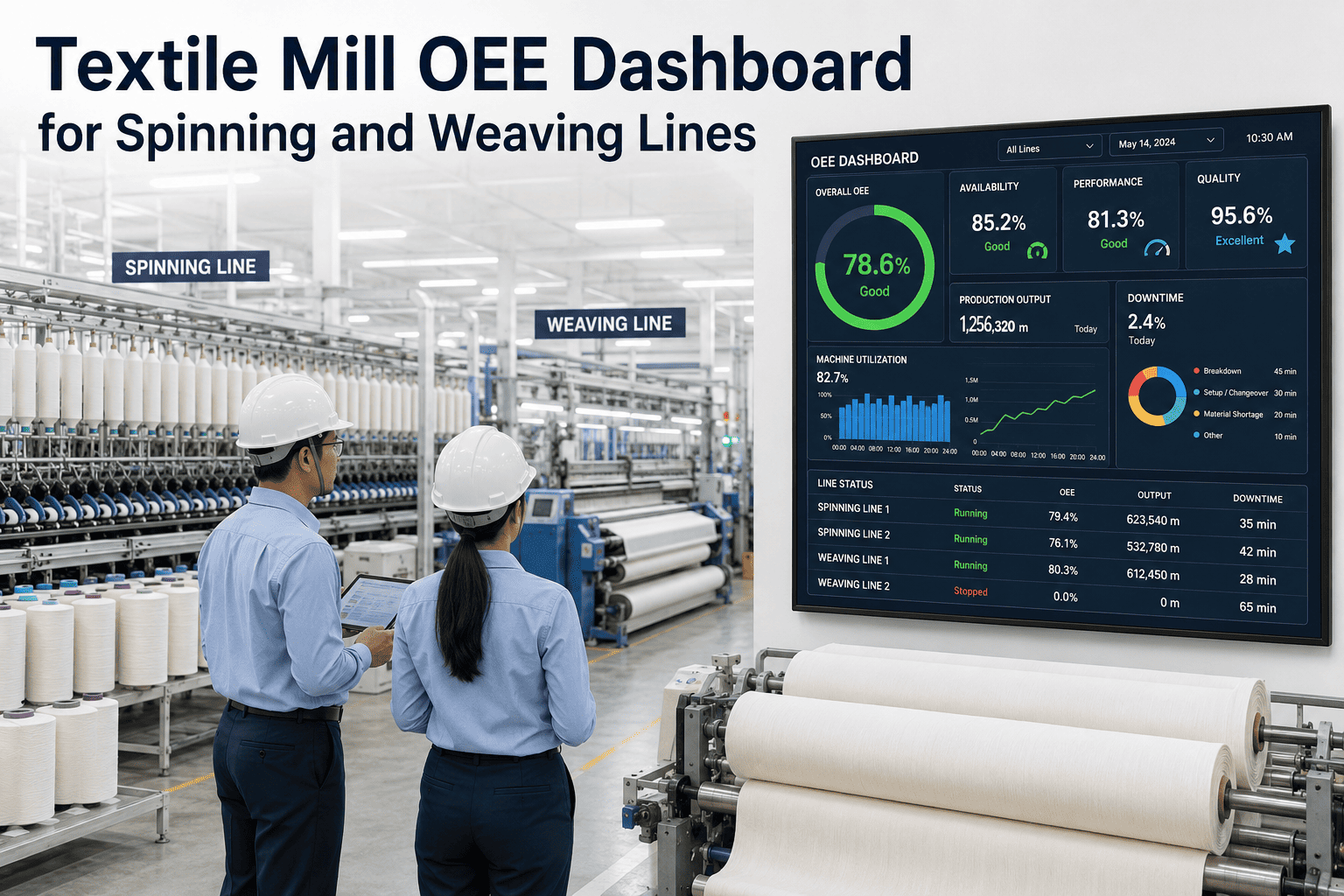
Detecting a fault is only step one. iFactory ties each classified defect into your existing four-point grading scale and produces trend reports your quality team can act on shift over shift. See a live fault trend report during your demo.
1
Fault Detected & Classified
Camera identifies the defect type and location on the fabric roll in real time as it passes the inspection frame.
2
Graded Against Standard
Fault severity and length are automatically scored against your configured four-point or two-point grading scale.
3
Roll-Level Report Generated
A per-roll defect map and point score is produced automatically, replacing a manual checker's paper tally sheet.
4
Shift & Machine Trend Alerts
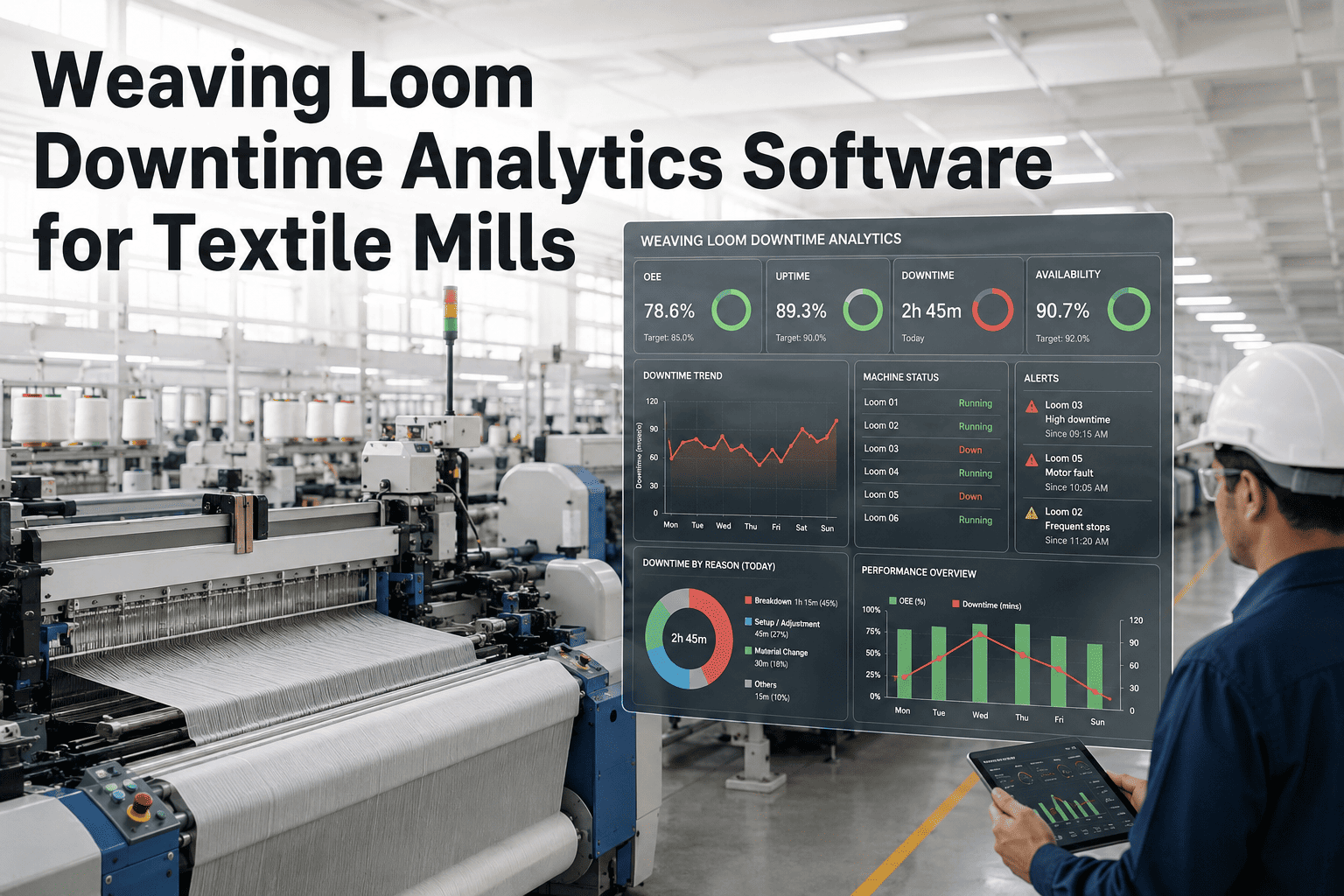
Recurring fault types by machine are flagged to maintenance, so a needle line issue traced to one specific frame gets fixed at the source.
iFactory vs Traditional Fabric Inspection Systems
Generic fabric inspection cameras and manual four-point checkers each have real limitations. iFactory is built to combine process-specific fault recognition with automatic grading in one workflow. Compare against your current inspection process.
| Capability | iFactory | Manual Four-Point Checking | Generic Fabric Vision Camera |
|---|
| Fault Recognition |
| Separate models for knitting vs weaving faults | Process-specific libraries | Depends on checker training | Generic defect classes |
| Consistent detection across a full shift | No fatigue curve | Drops with fatigue | Consistent, narrower scope |
| Grading & Reporting |
| Automatic four-point grading per roll | Automatic | Manual tally sheet | Requires custom setup |
| Fault trend reporting by machine | Included | Not tracked systematically | Not typically included |
Based on publicly available industry benchmarks as of Q2 2026. Verify current figures for your specific fabric category.
Our Numbers
15+
Fault Types Recognized Per Process
50%
Less Manual Grading Time Required
20%
More Graded-Out Defects Caught
4 wks
To First Line Fully Configured
Find Out Which Machine Is Producing Your Most Recurring Fault
iFactory ties every classified defect back to the specific frame or loom that produced it, so maintenance fixes the source, not just the symptom.
What Our Clients Say
"We tried a generic vision camera two years ago and it kept flagging normal knit texture as a defect while missing actual dropped stitches, so we went back to manual checking. iFactory's knitting-specific model was a different experience entirely — it recognized our fault types correctly from week one, and the shift trend report showed us that one specific circular knitting machine was responsible for most of our needle line complaints. We rebuilt three needles on that machine and the fault rate dropped immediately."
Fabric Quality Head
Knitwear Manufacturing Group, Tirupur
Frequently Asked Questions
QDo we need separate camera installations for our knitting and weaving departments, or is it one system?
iFactory uses the same camera hardware across both departments, but applies a different classification model depending on which process the camera is installed on. During setup, each inspection point is configured against the correct fault library for knitting or weaving, so a single platform manages both departments without cross-contaminating fault definitions between the two very different processes.
Ask about a mixed knitting and weaving rollout.
QHow does the system handle new or unusual fault types that aren't in the standard library yet?
When a fault type outside the standard library appears, it is typically flagged as an anomaly rather than silently ignored, and your quality team can review and classify it manually. Once confirmed, that fault type can be added to your plant's specific library so future occurrences are recognized automatically, which means the system's accuracy improves specifically for the fault patterns unique to your fabric and machines over time.
QCan the grading scale be configured to match our specific buyer's four-point or two-point standard?
Yes, the grading logic is configurable per buyer or per fabric category, so a buyer requiring a strict two-point scale and another accepting a standard four-point scale can both be applied correctly within the same plant, without your quality team manually re-scoring rolls for different customers.
Bring your buyer's grading standard to a configuration review.
QHow reliable is the fault-to-machine tracing — can we really trust it to point maintenance to the right frame or loom?
Fault-to-machine tracing depends on the fabric roll being tagged with its originating machine at the point of production, which iFactory sets up during the integration with your existing production tracking. Once that link is established, recurring fault trends are reliably attributed to the specific machine, and plants typically find this traceability accurate enough to justify targeted maintenance action within the first few weeks of live trend data.
QWhat is the accuracy difference between iFactory's classification and an experienced human fabric checker?
On well-defined fault types, iFactory's classification models typically match or exceed an experienced checker's consistency, since the model applies the same standard on the last roll of a 12-hour shift as it did on the first. Where iFactory tends to add the most value is not replacing a good checker on a good day, but eliminating the variability between checkers, between shifts, and across a fatigue curve that no human inspection process fully avoids.
Fault Classification Built Separately for Knitting and Weaving — Not One Generic Standard
iFactory recognizes what your fabric actually is before it decides what counts as a defect, tying every classification back to automatic grading and machine-level trend reports.
15+ Fault Types
Process-Specific Models
Automatic Grading
Machine-Level Trends