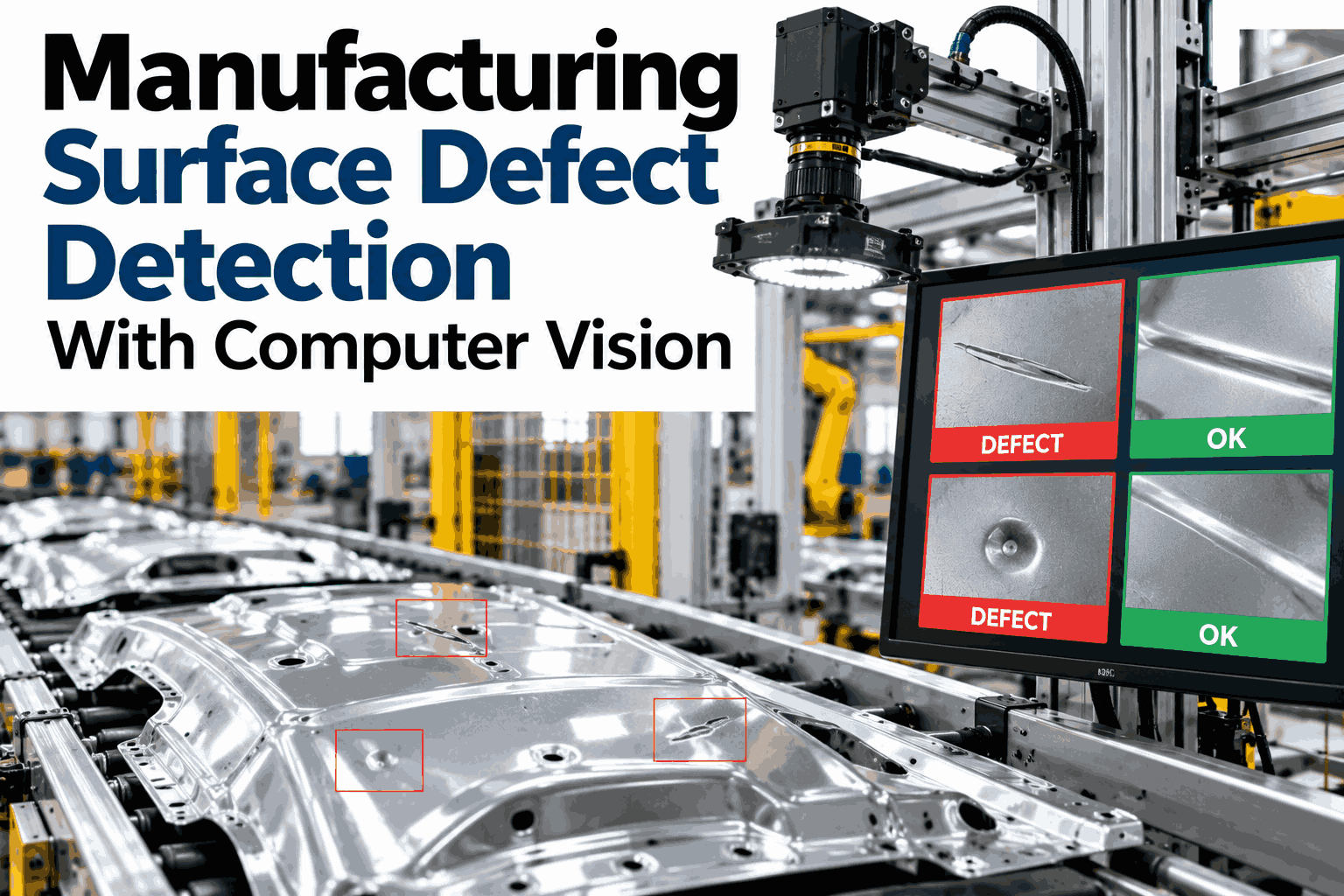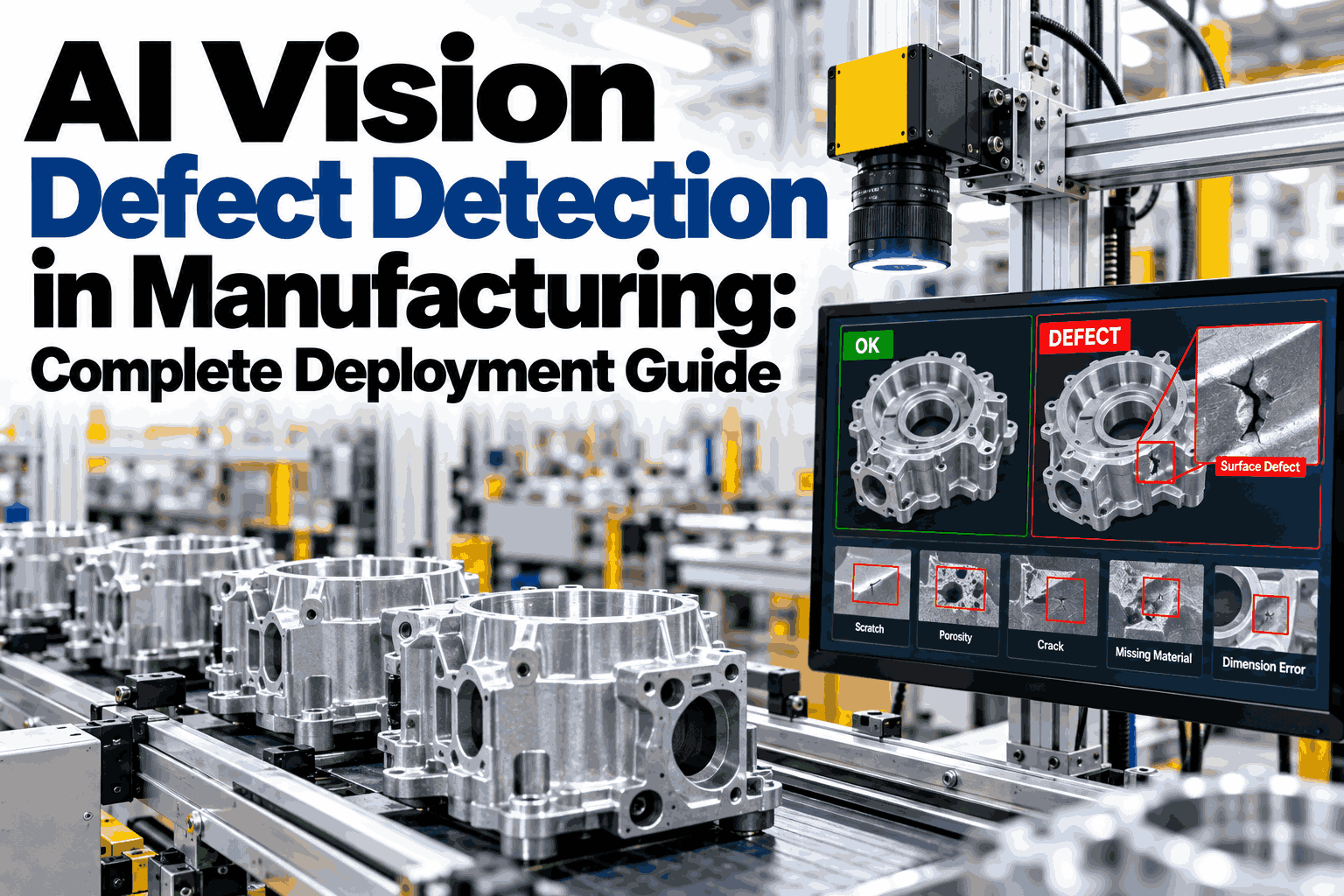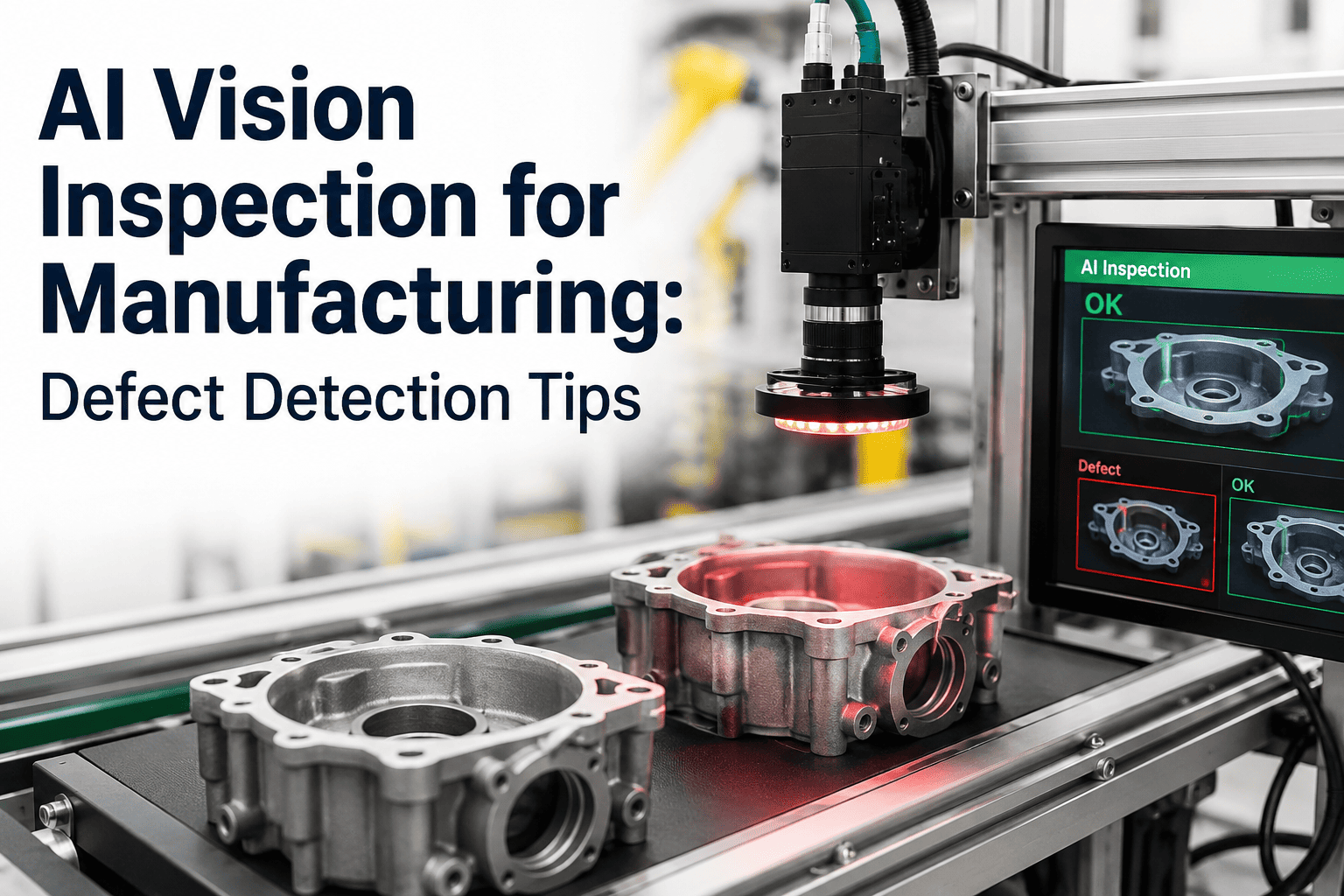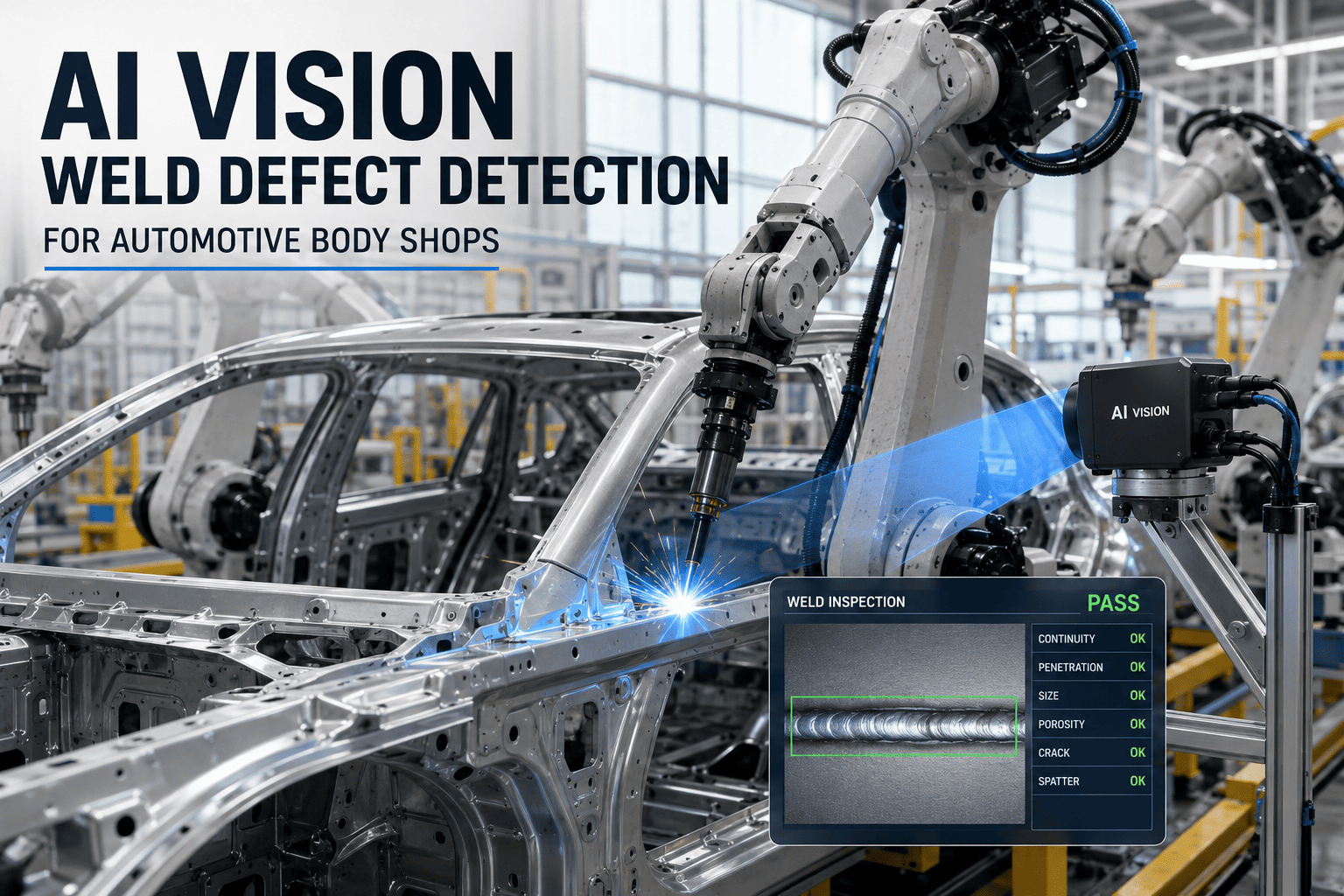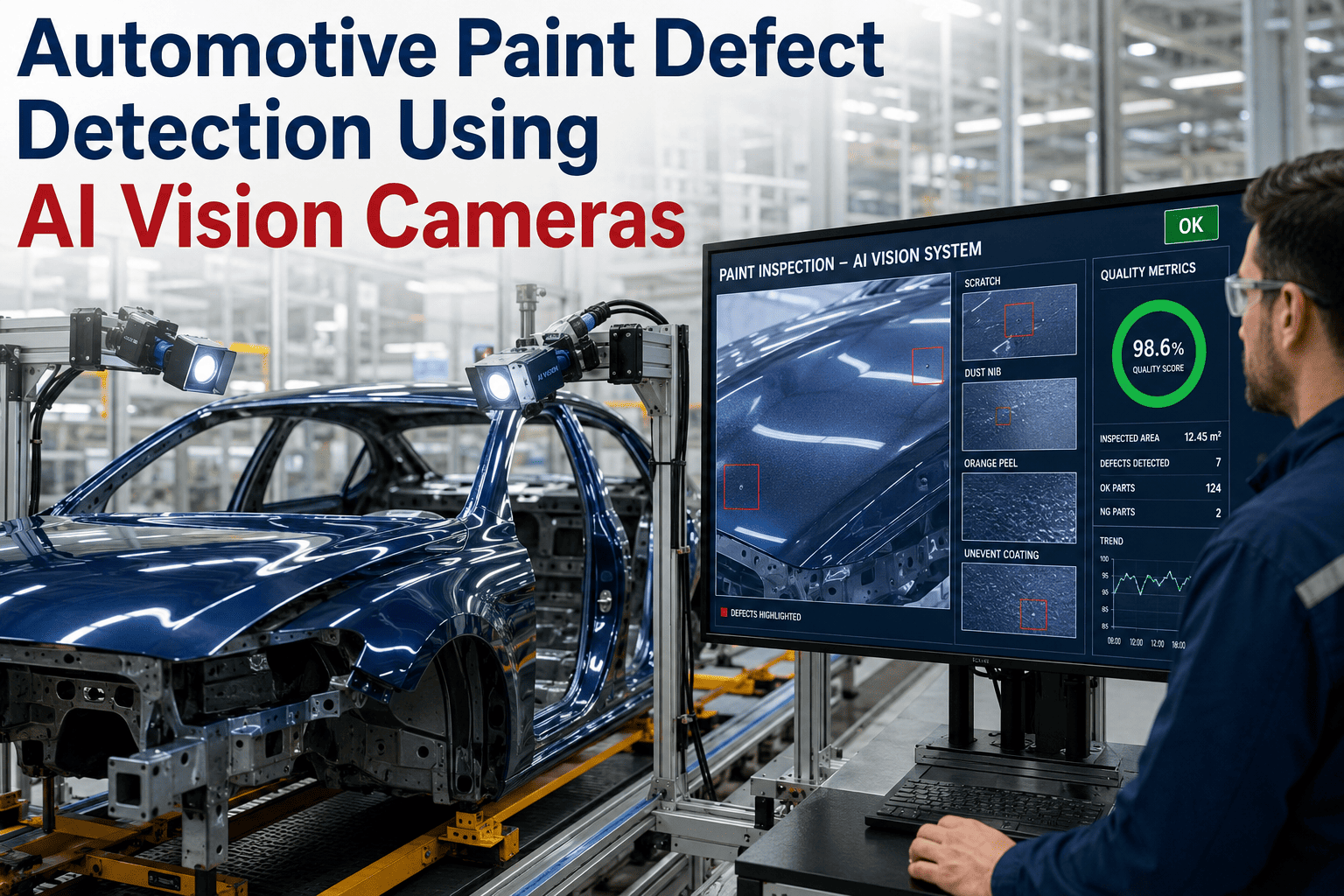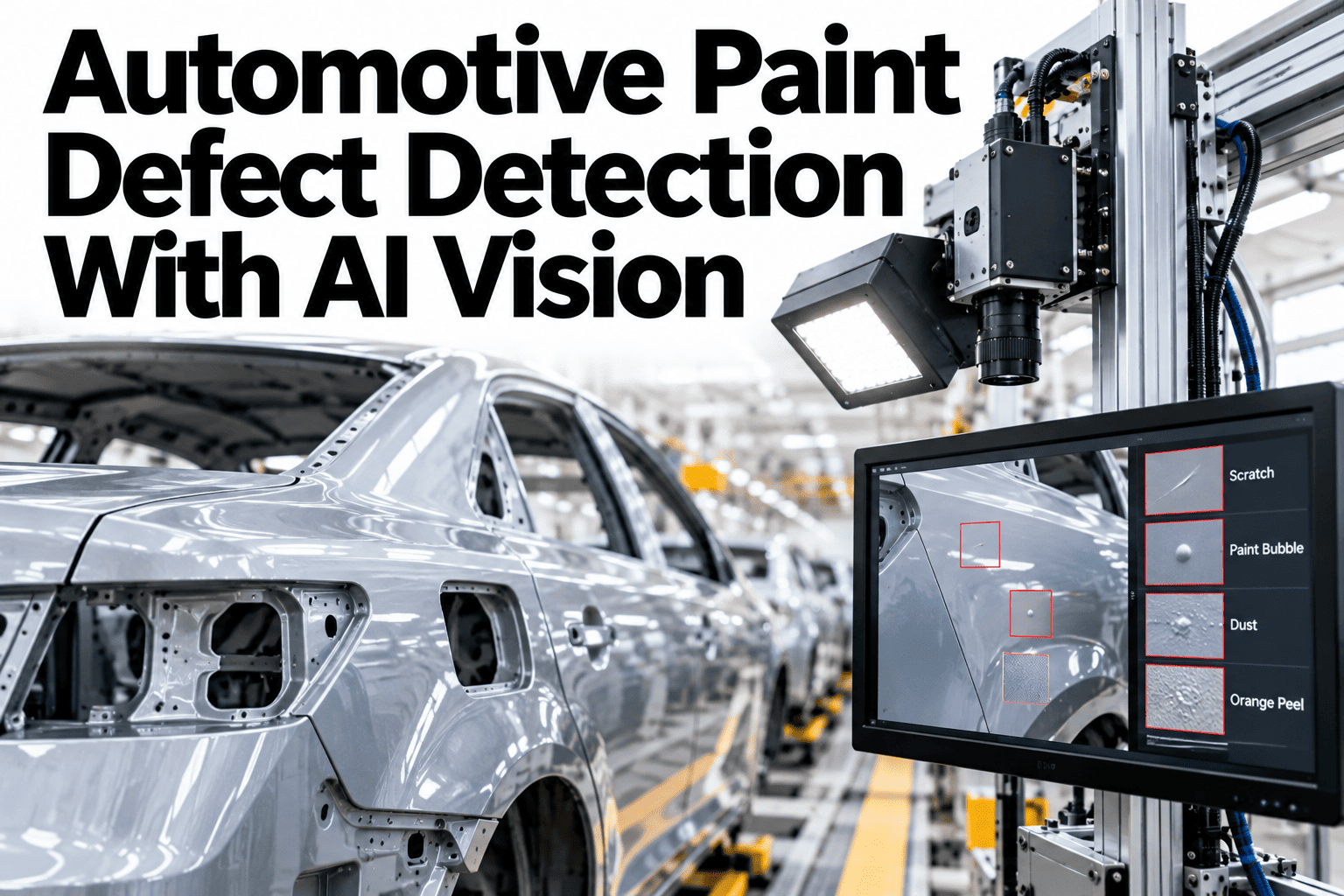
Paint defects are some of the hardest flaws in automotive manufacturing to catch consistently, because they depend on lighting angle, surface curvature and a defect type that can be a fraction of a millimeter in size. A human inspector under booth lighting does remarkably well, but consistency drops across a shift, and some defect types, like subtle orange peel or a faint contamination spot, are genuinely difficult for the eye to catch reliably every time. AI vision trained on these specific defect types adds a consistent second check. Paint shop quality engineers can see paint defect detection run against real booth imagery on iFactory AI to judge the fit for their own defect library.
Some Paint Defects Are Genuinely Hard for the Eye to Catch
iFactory AI trains on your specific defect types, from orange peel to contamination, as a consistent second check alongside human inspection.
Why Paint Defects Are Their Own Category of Hard
Some defects are only visible at specific lighting angles, which a fixed sampling pattern can miss.
A defect's visibility changes across a curved panel, unlike a flat inspection target.
Detection logic has to account for every color in the paint program, not just one.
Fine-detail visual inspection is especially prone to drift across a long shift.
Common Paint Defect Types and Their Signatures
| Defect Type | Typical Cause | Why Vision Helps |
|---|---|---|
| Orange peel | Spray technique, viscosity, booth conditions | Subtle texture, easy to miss under time pressure |
| Contamination (dirt, fiber) | Booth cleanliness, airflow | Small size, visible mainly at certain angles |
| Runs and sags | Excess film build, application speed | More visible, but still benefits from consistent scanning |
| Color mismatch | Batch variation, mixing error | Requires precise, repeatable color measurement |
| Gloss variation | Cure temperature, film thickness | Hard to judge consistently by eye alone |
Train the System on Your Own Defect History
Bring a sample of past paint defects to a 30-minute session and see detection run against your specific color program.
Human Inspection vs Vision-Assisted Inspection
A Composite Scenario: The Color Lot That Drifted
Picture a paint color gradually drifting over several shifts due to a batch variation nobody notices until a customer complaint arrives weeks later.
Consistent color measurement at the booth would have flagged the drift within the shift it started, letting the paint team correct the mix before dozens of vehicles were affected instead of after.
Where iFactory AI Fits
Trains on your defect library
Calibrates detection to your actual colors and historical defect types.
Checks every angle consistently
Applies the same scan pattern regardless of shift fatigue.
Flags for human confirmation
Routes uncertain cases to an inspector rather than deciding alone.
Tracks trends over time
Links recurring defect types back to booth conditions or process drift.
Expert Review
A paint process engineer's perspective, reviewed for accuracy before publication: paint defect detection is one of the clearer cases where vision systems add real value alongside human inspectors rather than instead of them. The defects that genuinely benefit most are the subtle, angle-dependent ones that are hard for any person to catch consistently at line speed. Running your own historical defect images through detection is the fastest way to see where it actually helps.
Frequently Asked Questions
Which paint defects does AI vision detect most reliably?
Defects with a consistent visual signature, such as contamination spots, runs and sags, and measurable color or gloss deviation, tend to be detected reliably once the system is trained on enough examples. More subjective or highly variable defects may still benefit from human judgment alongside the system's flag. See how your own common defect types would perform in a short session.
How much training data is needed for a new paint color?
It depends on how different the new color is from existing trained colors and how much historical defect imagery exists for it. A color close to an existing trained program may need less additional data than an entirely new color family. Ask for an estimate based on your own color program's range.
Does this replace the paint inspector role?
Typically not entirely. Most implementations use vision detection to flag likely defects for an inspector to confirm, combining consistent machine detection with human judgment on ambiguous or novel cases rather than removing the inspector from the process. Explore how this would fit alongside your current inspection team.
Can it detect color drift before it becomes a visible defect?
Consistent, repeatable color measurement at the booth can catch a gradual drift in the data before it reaches a threshold a human eye would flag as wrong, giving the paint team a chance to correct the mix earlier. This depends on measurement happening regularly enough to show the trend. Try a review of how early drift detection would work for your color program.
How does booth lighting affect detection accuracy?
Lighting consistency matters for both human and automated inspection, since defect visibility genuinely changes with angle and intensity. A vision system calibrated to your specific booth lighting setup will generally perform more reliably than one trained on generic conditions, so booth-specific calibration is a meaningful part of setup. Join a review of your booth lighting for calibration purposes.
Give Subtle Defects a Second, Consistent Check
iFactory AI trains on your own paint defect history to catch what's hardest to see consistently. Book a walkthrough with your own imagery.