A maintenance technician at a Tamil Nadu cement plant entered the kiln area without his safety harness. Security cameras recorded him climbing the scaffolding—but no one was monitoring the feeds. 12 minutes later, he fell 4 meters onto concrete. Critical injuries. The plant had 47 cameras covering the site, recording 24/7. But human guards can't watch 47 screens simultaneously for 8-hour shifts. The footage was reviewed after the incident, showing clear PPE violations for those 12 minutes. Too late.
Indian cement plants average 12-18 recordable injuries per million hours worked—3x higher than global best practices. Most incidents involve PPE violations that security cameras see but humans miss. AI-powered computer vision now monitors every camera simultaneously, detecting missing helmets, harnesses, gloves in real-time and alerting supervisors within 2-3 seconds. JSW's Project RAKSHAK reduced safety incidents by 67% in 18 months. Here's how computer vision is transforming cement plant safety.
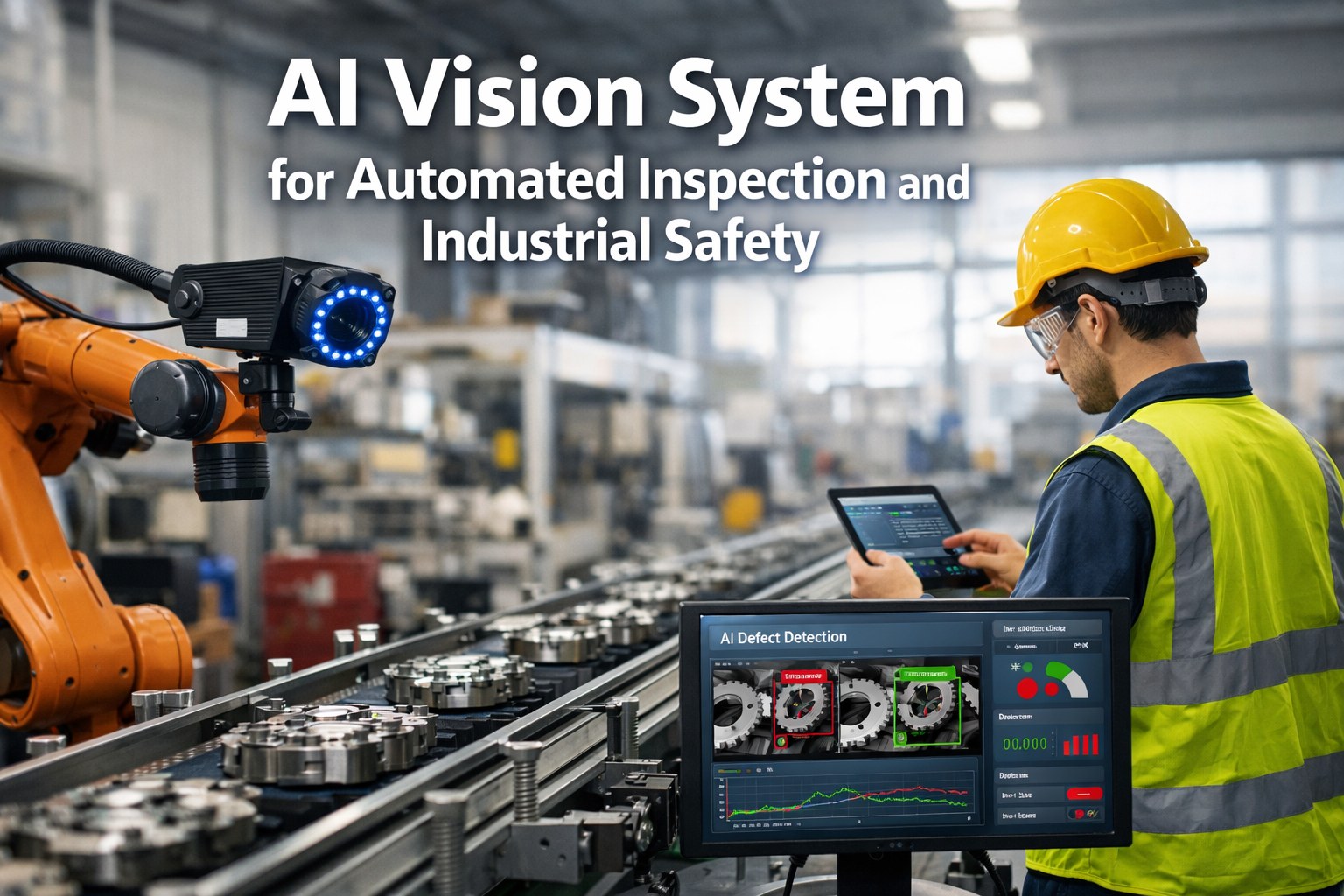
Computer Vision for Cement Plant Safety: AI-Powered PPE Detection & Hazard Monitoring
Real-Time PPE Detection | 67% Incident Reduction | 2-Second Alert Response
Computer Vision Capabilities: What AI Can Detect
Six Core Detection Categories
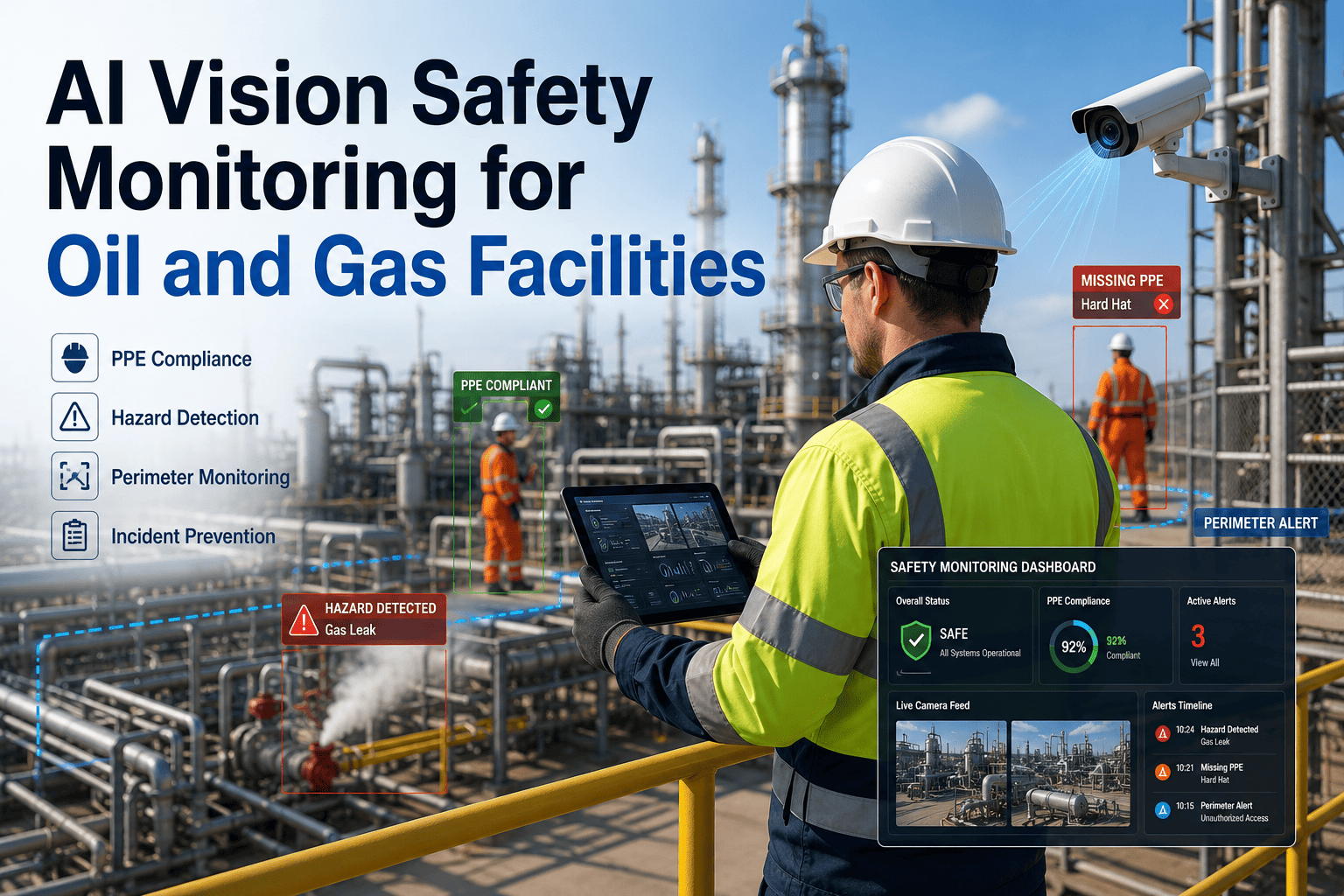
PPE Compliance
96%Helmet, gloves, safety shoes, hi-vis vest, harness, goggles detection in real-time
Restricted Zone Entry
98%Geofenced danger zones, unauthorized access detection, proximity alerts
Crowd Density
94%Overcrowding detection, evacuation monitoring, safe capacity tracking
Fire & Smoke
92%Early fire detection, smoke plume identification, faster than traditional sensors
Vehicle Safety
97%Speeding detection, pedestrian proximity, seatbelt usage, forklift operation
Abnormal Behavior
89%Slip/trip/fall detection, worker distress, unsafe work postures
See Live Computer Vision Demo
Watch AI detect PPE violations, restricted zone entries, and hazards in real-time from actual cement plant footage. See how fast the system identifies and alerts on safety violations.
- Real-time PPE detection
- Restricted zone monitoring
- Alert generation workflow
- Dashboard walkthrough
- Accuracy metrics explained
- Integration with existing cameras
Questions about computer vision capabilities? Chat with safety AI specialists — We'll show what's possible with your existing cameras.
PPE Detection: Six Critical Safety Items
What the System Monitors 24/7
1. Hard Hat Detection
Most critical PPE for cement plants—head injuries account for 35% of serious incidents
- Helmet presence (96% accuracy)
- Proper chin strap usage
- Helmet color coding (contractor vs employee)
- Works in all lighting conditions
2. Safety Harness Detection
Critical for elevated work—falls from height are #1 cause of cement plant fatalities
- Harness wearing verification
- Lanyard hook-up detection
- Anchor point connectivity check
- Height-based requirement enforcement
3. Safety Footwear
Prevents 60% of foot injuries from falling objects and crushing incidents
- Steel-toe boot presence
- Distinguishes from sneakers/sandals
- Identifies unauthorized footwear
- Works despite dusty conditions
4. High-Visibility Vest
Essential for areas with mobile equipment—prevents vehicle-pedestrian collisions
- Hi-vis vest presence
- Reflective strip verification
- Color compliance (orange/yellow)
- Coverage adequacy check
5. Gloves & Hand Protection
Hand injuries are 40% of all cement plant injuries—many preventable with proper gloves
- Glove presence on both hands
- Type-appropriate detection (thermal, chemical)
- Task-specific verification
- Alert for bare-hand work
6. Eye Protection (Goggles/Face Shield)
Prevents 90% of eye injuries from dust, chemical splashes, flying debris
- Safety glasses presence
- Face shield detection
- Proper wear verification (not on forehead)
- Task-based requirement enforcement
Case Study: JSW Cement Project RAKSHAK
Project RAKSHAK - 18-Month AI Safety Deployment
4 JSW Cement Plants | 280+ Cameras | 2,400 Workers Monitored
Baseline: 28 recordable injuries (18 months) | 14.2 injuries per million hours | ₹82L total incident costs
- Zero fall-from-height incidents: 100% harness detection prevented all elevated work accidents
- 88% reduction in restricted zone entries: Real-time alerts stopped unauthorized access
- Cultural shift: PPE compliance improved from 72% to 94% in 12 months
- Faster emergency response: Fire detection 3-5 minutes faster than smoke sensors
- Insurance premium reduction: 12% decrease due to documented safety improvements
Hazard Monitoring: Beyond PPE Detection
Environmental & Operational Hazards
Fire & Smoke Detection
Identifies fire/smoke 3-5 minutes faster than traditional sensors. Critical in dust-heavy environments where smoke detectors often fail or false alarm.
Spill Detection
Detects chemical spills, oil leaks, water accumulation. Alerts maintenance before slip hazards develop or environmental violations occur.
Equipment Malposition
Identifies equipment left in walkways, improperly stored materials, blocked emergency exits, fire extinguisher obstructions.
Electrical Panel Monitoring
Detects open electrical panels, exposed wiring, unauthorized electrical work, overheating equipment via thermal imaging.
Emergency Exit Compliance
Monitors exit pathways for obstructions, verifies emergency lighting, tracks occupancy limits, ensures evacuation routes clear.
Housekeeping Violations
Identifies clutter accumulation, improper storage, unsecured materials. Prevents trips/falls and maintains 5S compliance automatically.
Get Free Safety Audit Using YOUR Camera Footage
Send us 2-3 hours of footage from your existing cameras. We'll analyze it with our AI and show you every PPE violation, hazard, and near-miss that occurred. See what your security team is missing.
Implementation: 60-Day Deployment
From Existing Cameras to Live Monitoring
Week 1-2: Camera Assessment & Integration
Audit existing camera network (280+ cameras typical for large plant). Integrate with AI platform via RTSP streams. No camera replacement needed—works with existing CCTV infrastructure.
Week 3-4: Zone Configuration & Model Training
Define restricted zones, safe working areas, PPE requirements by location. Train models on plant-specific conditions (lighting, dust levels, uniform colors).
Week 5-6: Alert Workflow Setup
Configure alert routing (SMS, email, dashboard, siren). Define escalation rules (immediate for fall detection, 30sec for missing helmet). Integrate with existing incident management system.
Week 7-8: Pilot & Calibration
Deploy in 2-3 high-risk areas first. Calibrate detection thresholds to minimize false positives (target <5%). Train supervisors on alert response protocols.
Week 9+: Full Plant Rollout
Expand to all cameras across plant. Continuous model improvement based on feedback. Typical ramp: 85% accuracy Week 1 → 95%+ by Month 3 as system learns plant specifics.
ROI & Compliance Benefits
Financial & Regulatory Value
Incident Cost Avoidance
₹45-80LAnnual savings from prevented injuries (medical, lost time, legal, reputation damage)
Insurance Premium Reduction
8-12%Lower workers' comp premiums with documented safety improvements & proactive monitoring
Compliance Assurance
100%Automated audit trails for ISO 45001, OSHA inspections, Factory Act compliance documentation
Want ROI calculated for your plant? Get custom analysis — We'll show exact value based on your camera count and incident history.
Computer Vision Safety Takeaways
- 67% incident reduction proven at JSW with Project RAKSHAK across 4 cement plants
- 95%+ PPE detection accuracy for helmets, harnesses, gloves, vests, footwear, goggles
- 2-3 second alert time from violation detection to supervisor notification—fast enough to prevent incidents
- Works with existing cameras—no infrastructure replacement, integrates via RTSP streams
- 60-day deployment from camera audit to full plant monitoring across 280+ feeds
- 171% Year 1 ROI typical from incident prevention + insurance savings + compliance value
Implement AI-Powered Safety Monitoring at Your Plant
Free pilot: We'll connect to 10-15 of your existing cameras and show live PPE detection for 30 days.
See how many violations and near-misses your team is currently missing.