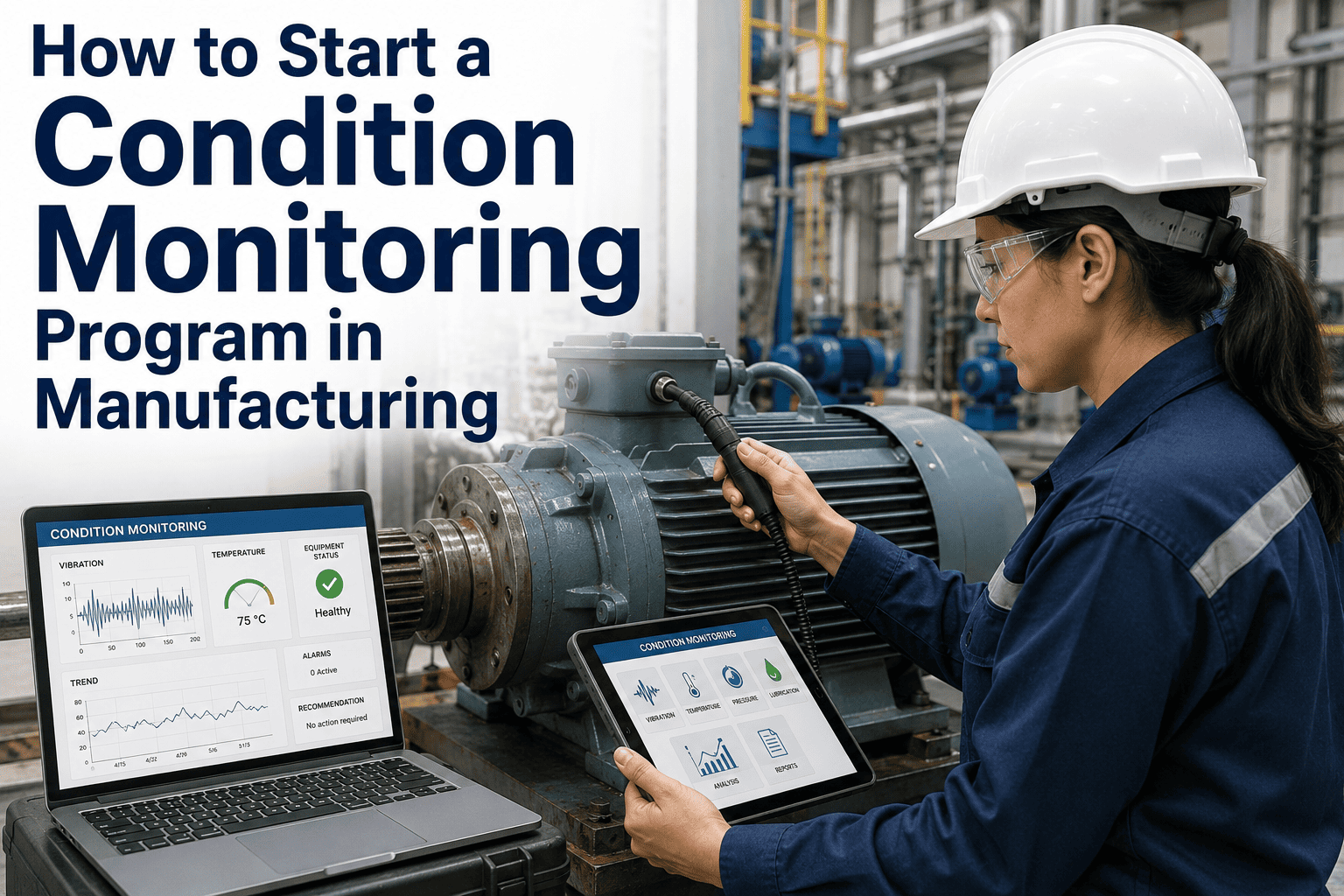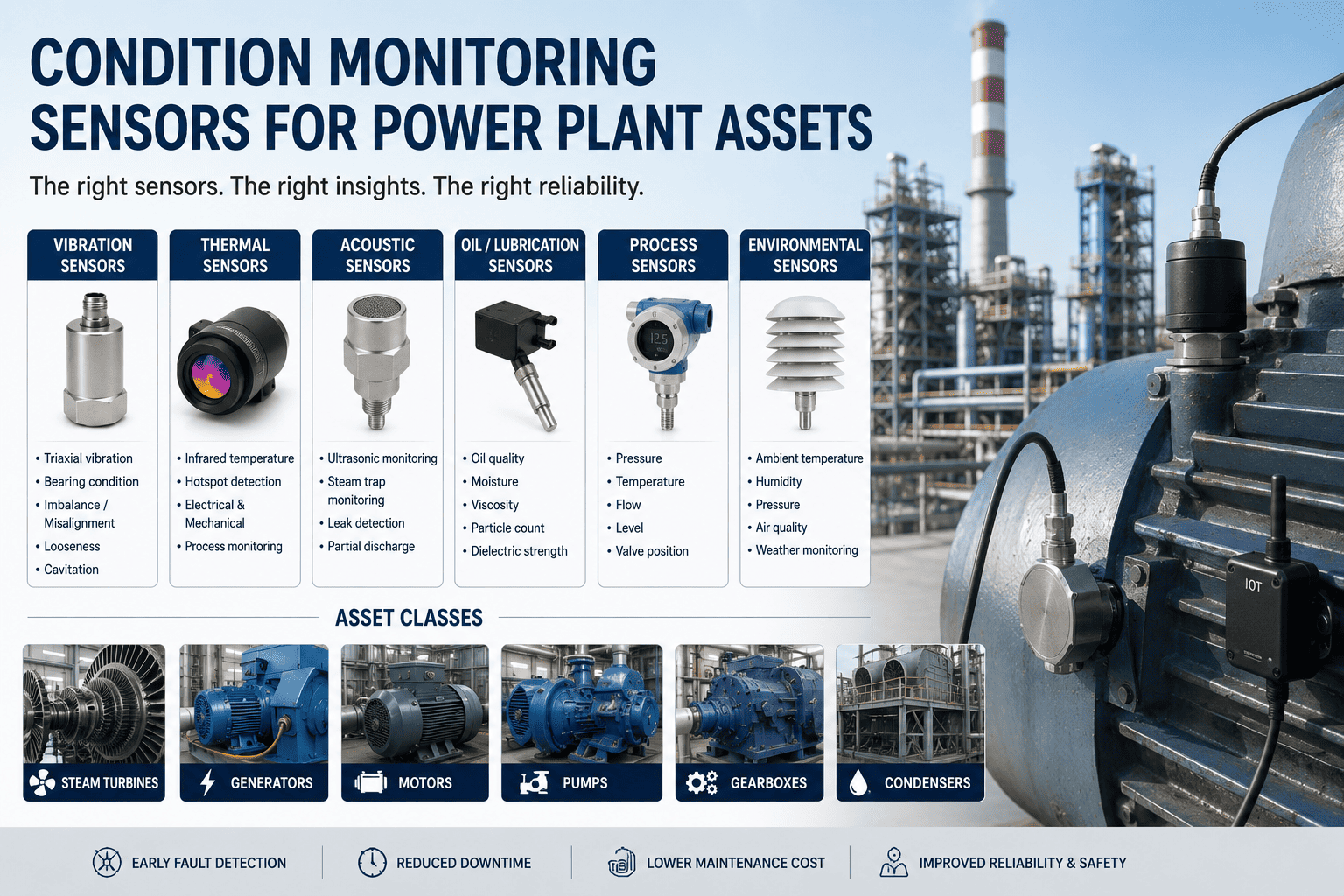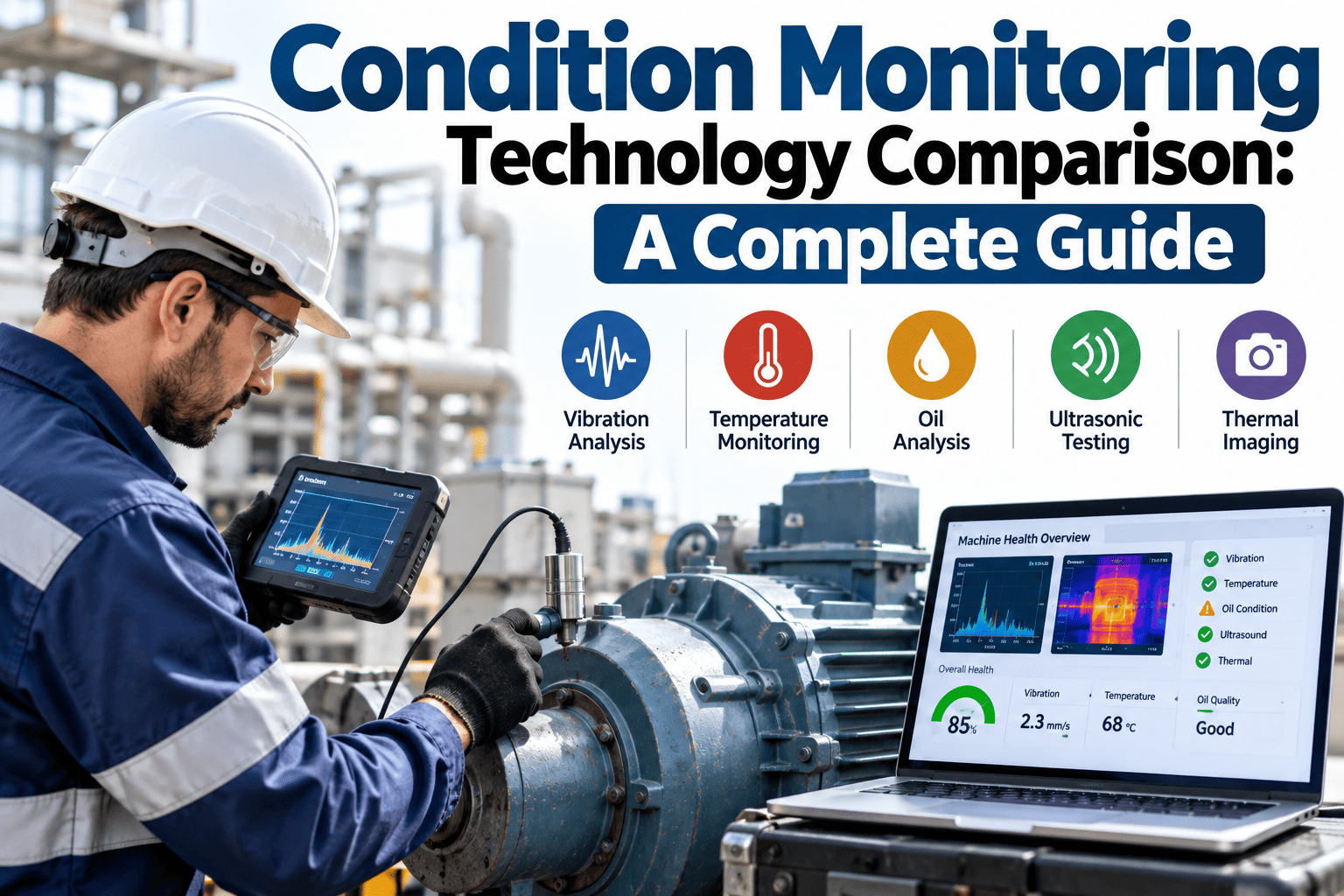
Vibration analysis gets most of the attention in condition monitoring conversations, but it's one of five distinct technologies, each sensitive to a different physical signature of equipment degradation, and no single one of them catches everything. A plant relying exclusively on vibration monitoring will still miss lubrication breakdown, electrical faults, and certain leak-related failure modes that other technologies are specifically designed to detect. Teams building a genuinely comprehensive monitoring program can Book a Demo to see how iFactory combines multiple monitoring technologies into one coherent asset health view.
Why No Single Technology Covers Every Failure Mode
Each condition monitoring technology is sensitive to a specific physical phenomenon, and equipment failures don't all announce themselves through the same phenomenon. A bearing wearing out produces a mechanical vibration signature. A lubrication problem produces a thermal signature from increased friction, often before it produces a strong vibration signature. An electrical connection loosening produces a thermal hotspot and possibly an electrical signature, but very little vibration at all. Building a monitoring program around a single technology, no matter how well-implemented, leaves entire categories of failure invisible until they progress far enough to eventually show up in whichever single signal is being watched.
The Five Core Technologies at a Glance
Matching Technology to Failure Mode: A Direct Comparison
Laying the five technologies against the failure modes they detect best clarifies why a comprehensive program combines several of them rather than standardizing on one, and helps prioritize which technology to add next when expanding an existing monitoring program.
| Technology | Strongest Fit | Weaker Fit |
|---|---|---|
| Vibration | Bearing defects, imbalance, misalignment | Electrical faults, lubricant contamination |
| Thermal | Electrical connections, friction, insulation | Internal wear not producing surface heat |
| Ultrasonic | Leaks, arcing, early bearing friction sound | Slow mechanical wear without acoustic signature |
| Oil analysis | Internal wear debris, lubricant degradation | Faults on non-lubricated components |
| Electrical | Motor rotor, insulation, and load faults | Purely mechanical faults with no electrical signature |
Building a Layered Program: Where to Start and How to Expand
Most plants can't deploy all five technologies across every asset simultaneously, and a phased build-out based on asset criticality and known failure history makes far better use of limited budget and implementation effort. Vibration analysis is the most common starting point for rotating equipment given its broad applicability, followed by thermal imaging for its relatively low cost and quick win potential on electrical and mechanical hotspots. Oil analysis and electrical monitoring typically follow once the initial program has proven its value and specific asset types justify the added technology.
Frequently Asked Questions: Condition Monitoring Technology Comparison
If we can only afford one monitoring technology to start, which should it be?
Vibration analysis is the most common starting recommendation for plants with significant rotating equipment, since it addresses the broadest range of common mechanical failure modes and has the most mature ecosystem of tools and expertise available, but the right first technology genuinely depends on which failure modes have historically caused the most downtime at a specific plant — a facility with frequent electrical issues might reasonably prioritize thermal or electrical monitoring first instead. Teams can Book a Demo to review technology prioritization against a specific failure history.
Do these five technologies require entirely separate software platforms to manage?
They don't have to — while each technology often originates from a different specialized tool or sensor type, a unified condition monitoring platform can ingest data from all five and present a combined asset health view, which is generally far more useful for maintenance decision-making than reviewing five separate disconnected dashboards for the same asset.
How much overlap is there between what vibration and electrical monitoring can each detect on a motor?
There is meaningful overlap for certain bearing-related faults, since both technologies can pick up signatures from a degrading bearing through different physical mechanisms, but each also catches failure modes the other largely misses — vibration is generally stronger for pure mechanical imbalance and misalignment, while electrical monitoring is stronger for rotor bar and insulation-related faults — so the overlap is better understood as partial redundancy rather than full duplication.
Is ultrasonic detection only useful for leak detection, or does it have broader applications?
Leak detection on compressed air and gas systems is a very common and high-value use case, but ultrasonic detection also picks up early-stage bearing friction sound and electrical arcing or corona discharge, both of which can be detected acoustically before they produce a strong signal in other monitoring technologies, making ultrasonic a useful complement rather than a single-purpose tool.
How do we decide which assets get the full five-technology treatment versus a lighter approach?
Asset criticality should drive this decision just as it drives the continuous-versus-periodic monitoring frequency choice — a genuine bottleneck asset with diverse failure risk justifies the investment in comprehensive multi-technology coverage, while a lower-criticality, redundant asset is often adequately served by just one or two of the five technologies matched to its most likely failure modes. Contact iFactory Support for help scoping technology coverage across a specific asset population.