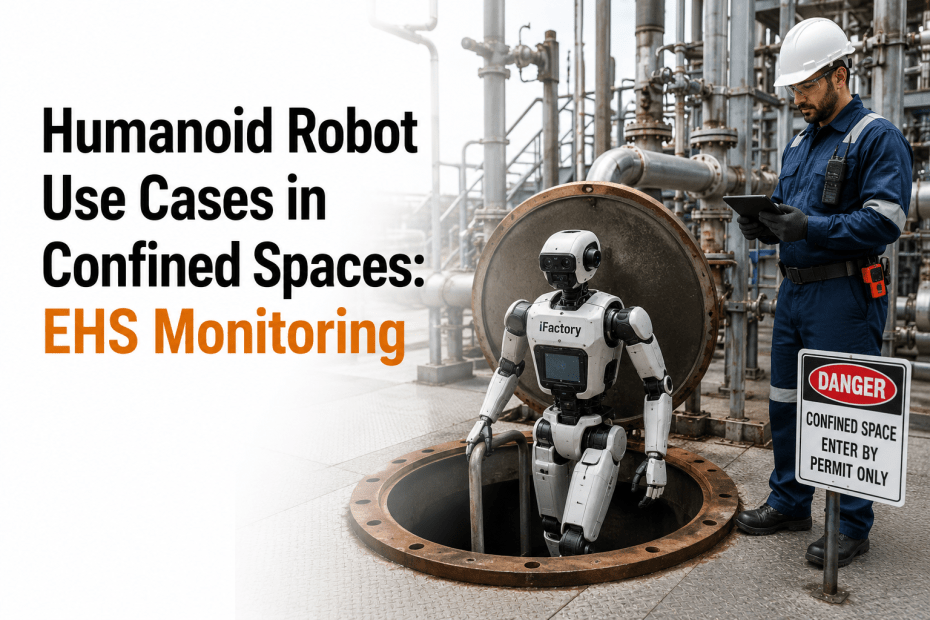
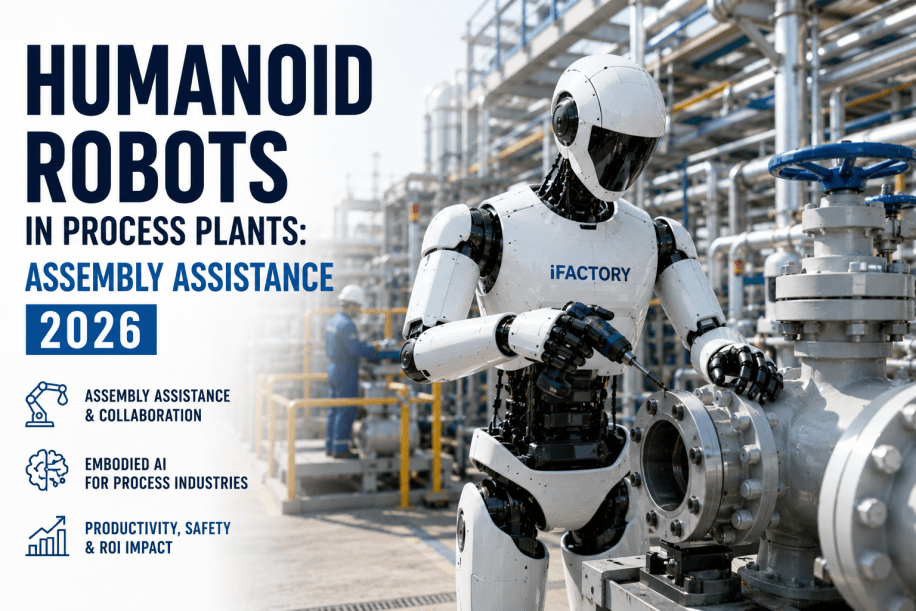
The chemical plant operator at the control board sees a red alert: a pressure vessel in the reactor building has developed a suspected pinhole leak, and the confined space around it is rated for hydrogen sulfide at potentially lethal concentrations. No human can enter without a full hazmat suit, air supply, and a two-hour decontamination cycle. The line will be down for at least 12 hours. The operator thinks: there has to be a better way to handle confined space and hazardous area work without putting people at risk or shutting down production for a day.
Deploy Humanoid Robots for Confined Space & Hazardous Area Assembly Assistance
iFactory's embodied AI platform turns order-aware humanoid robots into autonomous collaborators that operate in confined spaces and hazardous environments — no breathing apparatus, no entry permits, no line downtime.
One Platform for Confined Space Assembly, Hazardous Area Inspection & Autonomous Collaboration
iFactory is the first AI-native manufacturing intelligence platform purpose-built to manage humanoid robots in the most dangerous corners of a chemical plant. The platform ingests live data from your CMMS, MES, and sensor networks to generate order-aware work instructions — telling the robot exactly which bolt to turn, which valve to close, and which assembly sequence to follow in a confined space. The robot operates autonomously, with real-time contextual awareness of gas levels, temperature, and spatial constraints. No cloud dependency. No data leaving the plant network. A working pilot in 6–12 weeks, running on an NVIDIA appliance installed directly on your plant floor.
Six Core Capabilities for Confined Space & Hazardous Area Automation
iFactory delivers a complete suite of embodied AI capabilities that turn humanoid robots into reliable, order-aware assembly assistants. Each capability is production-ready, integrated with your existing systems, and proven in chemical plant environments.
Autonomous Confined Space Navigation
Humanoid robots equipped with LiDAR and thermal cameras navigate tight manways, vertical ladders, and pipe galleries without human escort. The platform generates real-time 3D maps and collision-avoidance paths specific to each confined space entry point.
Hazardous Material Handling & Assembly
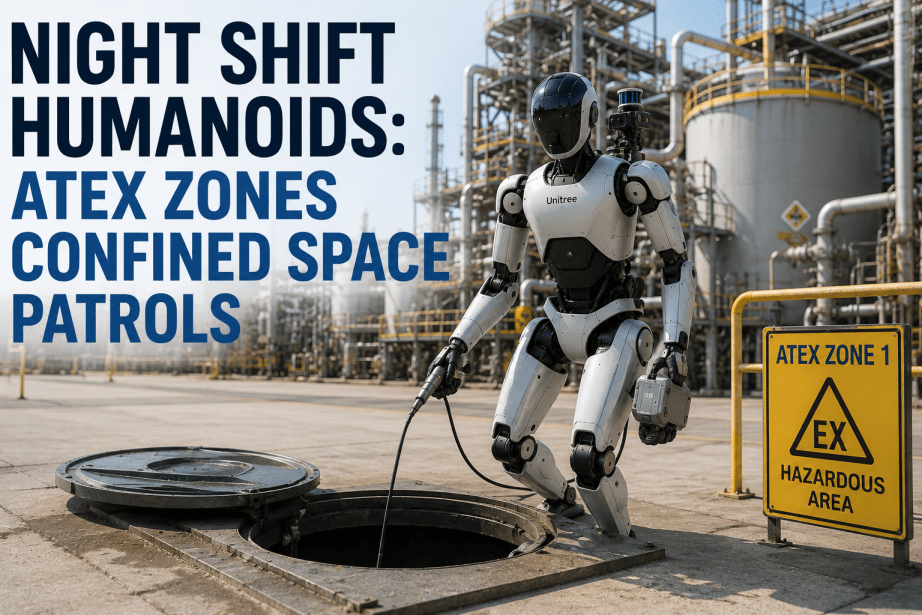
Robots perform valve actuation, flange bolt torquing, and gasket replacement in ATEX-rated zones. The platform integrates with gas detection arrays to pause operations if LEL levels exceed safe thresholds — no human exposure required.
Real-Time Assembly Workflow Execution
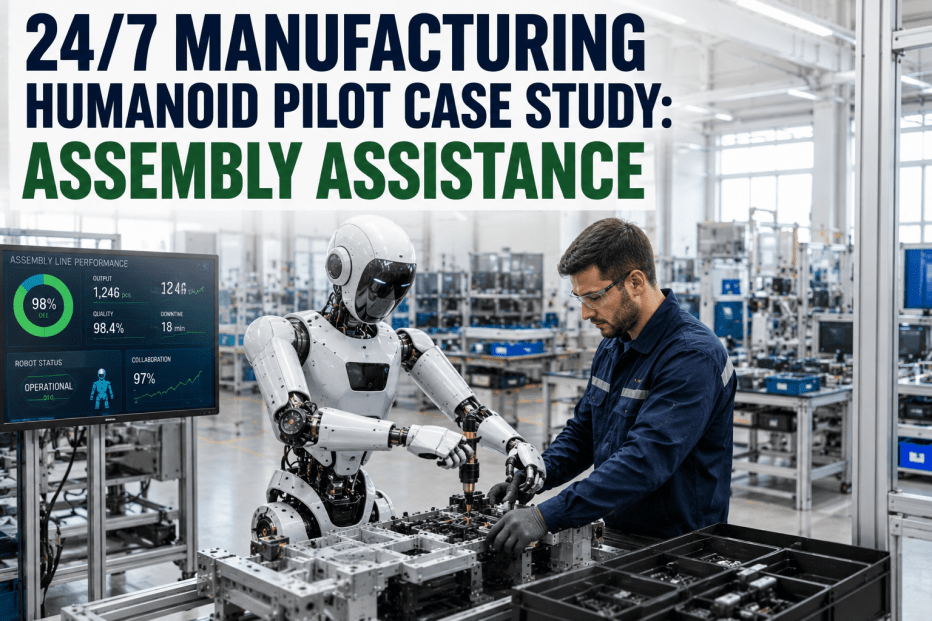
iFactory translates CMMS work orders and MES production schedules into step-by-step robot instructions. The robot knows which tool to pick, which fastener to use, and which torque specification to apply — all pulled live from your maintenance database.
Environmental & Spatial Context AI
On-device AI models process camera feeds, gas sensor data, and vibration signatures to understand the robot's immediate surroundings. The platform adapts grip force, movement speed, and tool selection based on real-time conditions in the confined space.
Human-Robot Team Coordination
When a human operator must enter a confined space, iFactory orchestrates the robot as a safety assistant — carrying tools, monitoring vitals, and providing emergency retrieval. The platform manages handoff sequences and communication protocols automatically.
Unified Robot Fleet Management
iFactory controls multiple humanoid robots from a single dashboard, managing task assignment, battery scheduling, and payload planning. The platform integrates with your CMMS and MES without middleware, running entirely on an on-premise NVIDIA appliance.
From Work Order to Autonomous Assembly in Four Steps
iFactory collapses the distance between a maintenance request and a robot performing the task in a confined space. The platform handles the entire workflow automatically.
Ingest Work Order
iFactory pulls the work order from your CMMS — task description, location, required tools, safety permits — and validates it against the robot's capability profile.
Generate Assembly Plan
The platform decomposes the work order into a sequence of robot actions: navigate to confined space, enter via manway, identify valve, apply torque, verify seal — each step with sensor-checked completion criteria.
Execute with Contextual Awareness
The humanoid robot executes the plan while iFactory monitors gas levels, temperature, and spatial constraints in real time, adjusting grip force and movement speed as conditions change.
Verify & Log Completion
The platform records every action, sensor reading, and deviation into your CMMS as a structured work log — complete with video evidence and torque confirmation data.
Why Confined Space & Hazardous Area Assembly Costs You Millions
Every hour a confined space task waits for a human entry team costs production capacity and exposes your workforce to unacceptable risk. The numbers tell the story.
Lost Production from Confined Space Downtime
A single reactor vessel inspection requiring confined space entry shuts down the line for 8–12 hours. At a mid-size chemical plant producing 200,000 metric tons per year, that's $150,000–$250,000 in lost output per incident.
Safety Compliance & Permit Costs
Every confined space entry requires a permit, a standby attendant, an air monitor, and a rescue plan. The administrative burden adds 3–4 hours per entry and costs $2,500–$5,000 in labor and paperwork per event.
Injury & Incident Liability
Confined space accidents in chemical plants carry an average workers' compensation claim of $120,000 and can trigger OSHA fines up to $150,000 per violation. A single fatality event can exceed $1.5 million in total costs.
What Chemical Plants Achieve with iFactory Humanoid Robotics
Early adopters in chemical manufacturing report measurable improvements within the first quarter of deployment. These are real results from plants running iFactory on-premise.
You can have a humanoid robot operating autonomously in your most hazardous confined space within a single quarter. Book a 30-min walkthrough and we'll show you live on a chemical plant simulation.
Frequently Asked Questions About Humanoid Robots in Confined Spaces
Operations and engineering leaders ask these questions before deploying humanoid robots in hazardous chemical plant environments.
Stop Sending People Into Confined Spaces. Start Deploying Humanoid Robots.
iFactory delivers a working pilot in 6–12 weeks, running on an on-premise NVIDIA appliance with zero cloud dependency. You hand over data-source access; we hand over autonomous assembly assistance in your most hazardous environments. Book a demo to see it live.
.png)