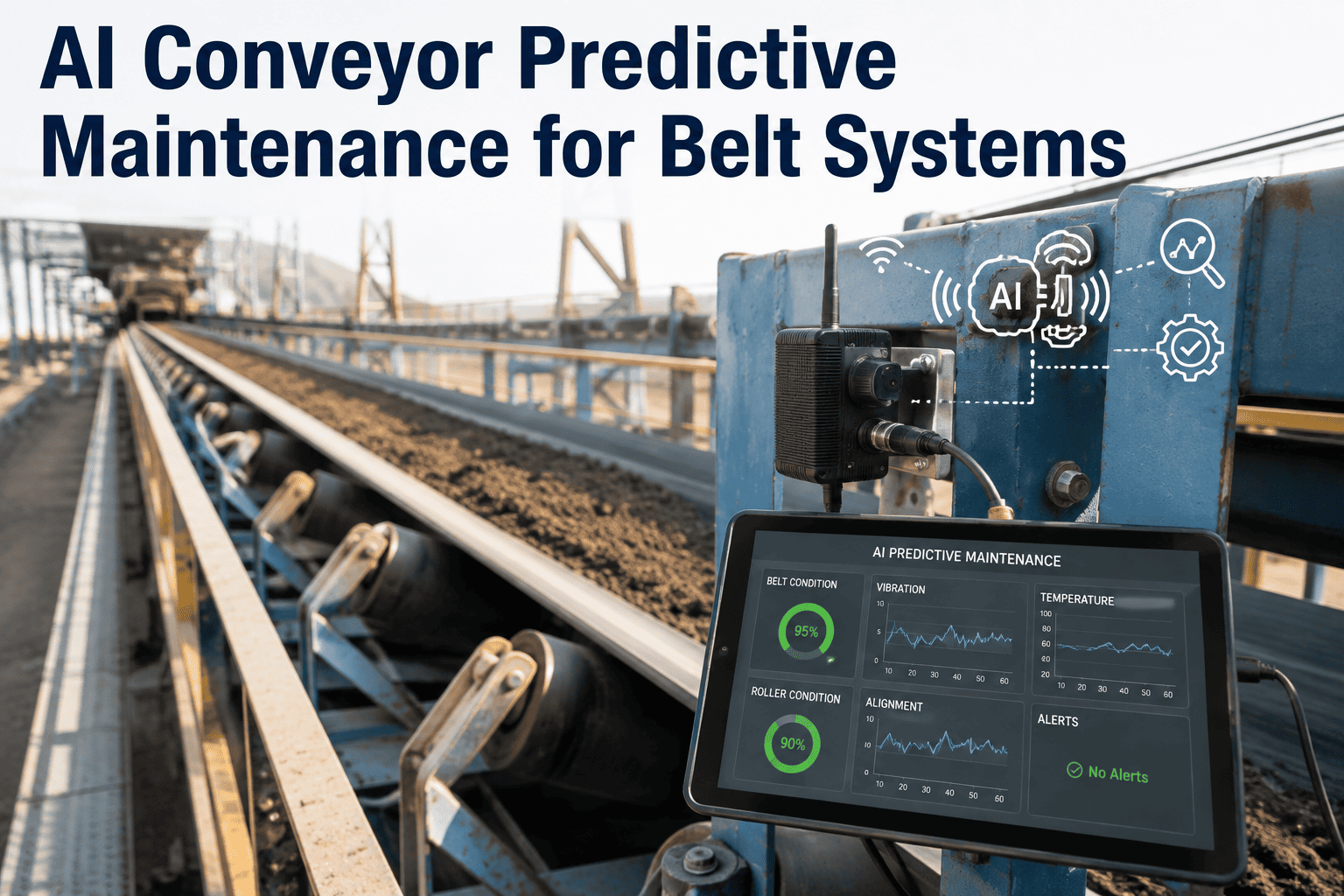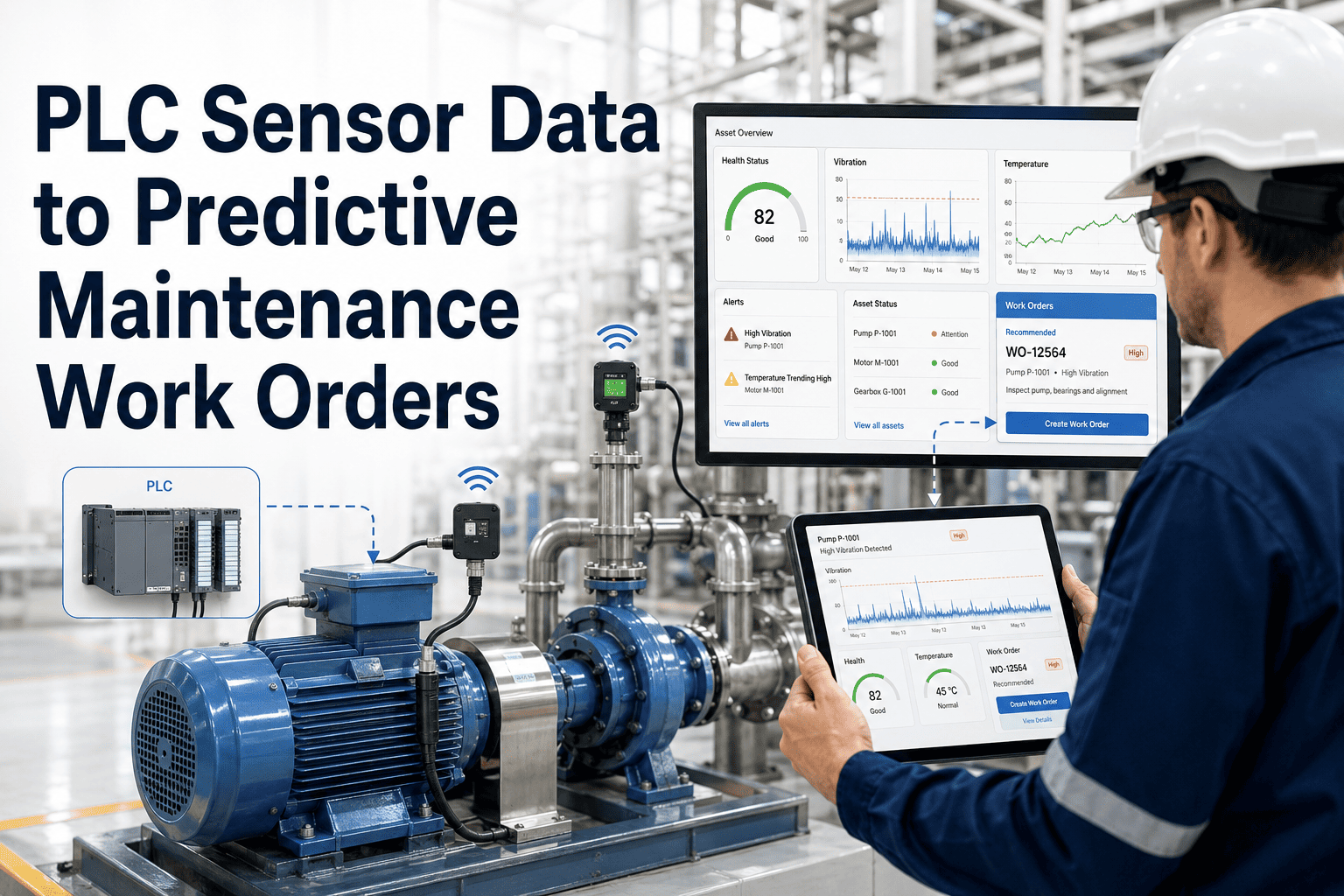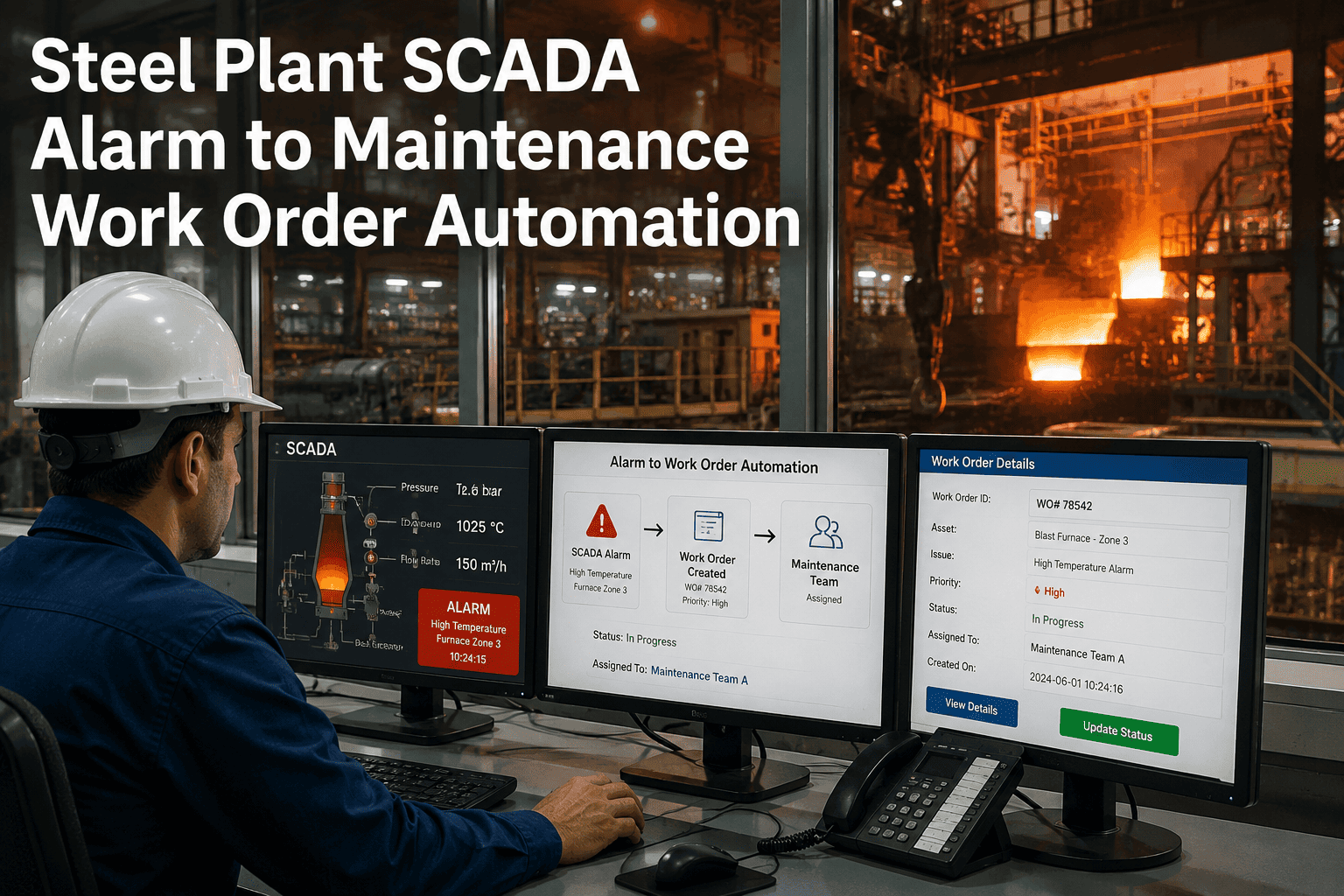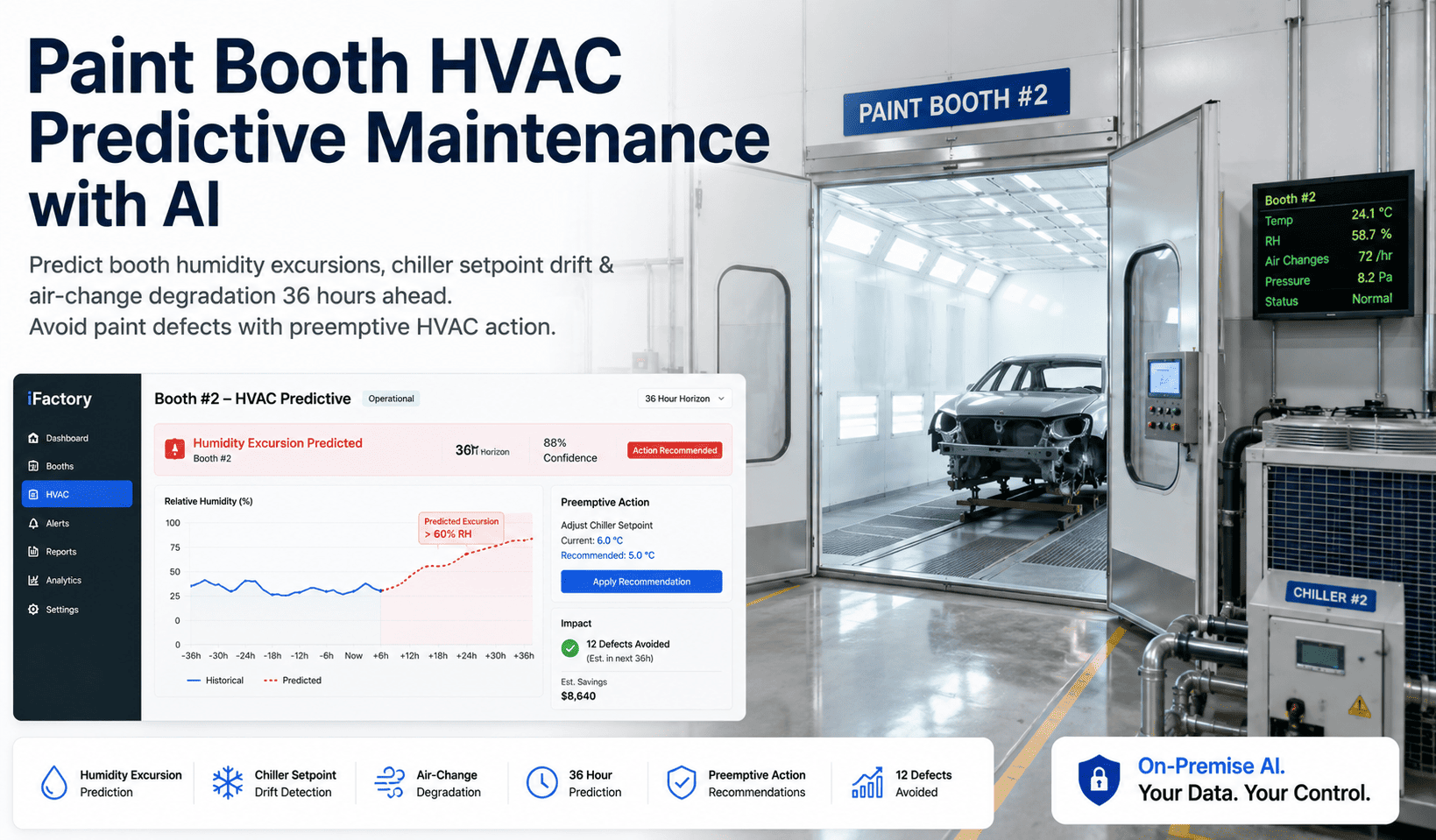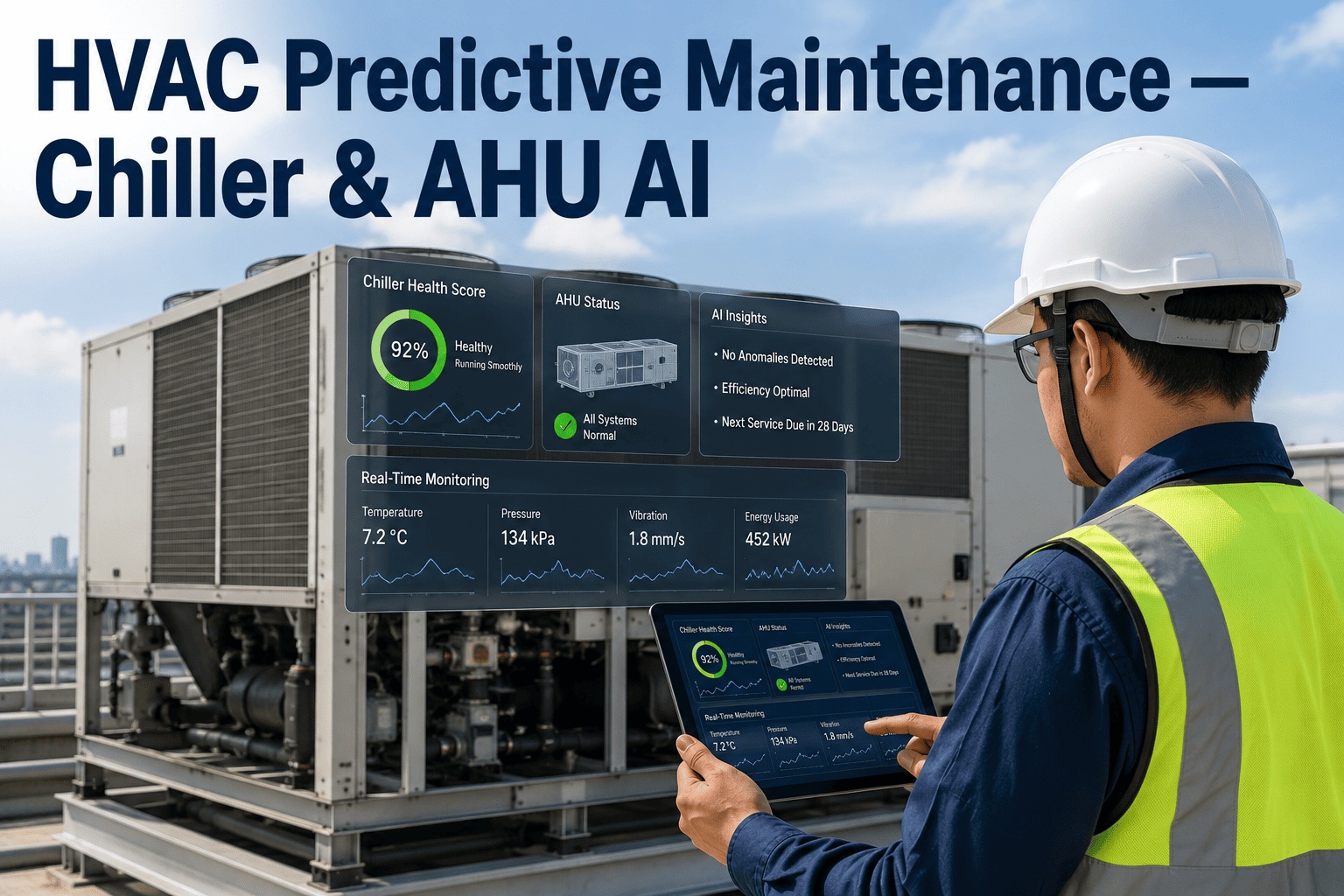
High-rise HVAC failure is almost never a technical mystery, it is an information problem. The building management system usually knows something is wrong ten days before a chiller trips, an AHU motor drawing eight percent more current than last quarter, a condenser approach temperature climbing steadily for three weeks, but that data rarely gets connected to a maintenance action until the tenant complaint arrives. AI-driven predictive maintenance reads the telemetry your BMS is already generating, ranks it by asset criticality, and turns it into a work order before anyone on the floor feels a degree of discomfort.
iFactory turns existing BMS telemetry into predictive work orders for chillers, AHUs, and cooling towers.
Most Buildings Already Have the Data, Just Not the Connection
Roughly 60 to 70% of the sensing a predictive maintenance program needs is already flowing through a building's existing automation system. The gap is not instrumentation, it is that nobody has connected chiller controller data, AHU vibration signatures, and compressor current draw to a system that turns a slow trend into a scheduled work order before it becomes an emergency callout.
Three Systems, Three Failure Signatures
Chillers, air handling units, and cooling towers each degrade differently, and each one requires a different combination of signals to catch the fault while there is still time to schedule the fix instead of reacting to it.
Chiller Plant
Approach temperatures, compressor amp draw, oil pressure differential, and refrigerant charge state are tracked continuously. Condenser fouling shows up as a slow rise in approach temperature weeks before efficiency penalty becomes noticeable on the utility bill.
Air Handling Units
Belt slip and tension loss are detected through motor current signatures, and bearing race defects through vibration spectrum shifts, catching belt glazing six to ten weeks before a snap and bearing defects eight to fourteen weeks before seizure.
Cooling Towers
Fan motor current and fill degradation trends are monitored alongside approach temperature, catching progressive fill degradation and fan bearing wear before they force an unplanned shutdown during peak cooling season.
What an Early Warning Actually Looks Like
Rather than a generic alarm, the system produces a specific, evidence-backed recommendation an engineer can act on immediately. Book a demo to see this running against your own chiller and AHU telemetry.
Condenser approach temperature rising at 0.12°F per week for six consecutive weeks, consistent with tube fouling given current water quality. Tube cleaning is recommended within fourteen days. Continued operation remains safe in the interim, but the associated efficiency penalty is already at 6.2% and continuing to grow, which is why the system flags this now rather than waiting for a hard failure.
iFactory integrates with existing BAS and BMS infrastructure, adding an intelligence layer instead of new hardware.
Fixed-Schedule PM vs. AI-Driven HVAC Maintenance
| Approach | Fixed-Interval PM | AI-Driven Predictive Maintenance |
|---|---|---|
| Filter & belt changes | Quarterly or semi-annual regardless of condition | Triggered by actual wear signature |
| Chiller teardown | Annual, assumes steady-state degradation | Scheduled based on real fouling and wear trends |
| Failure detection | After the tenant complaint or trip | 3–8 weeks before failure |
| Sensor requirement | Standard BMS points only | Existing BMS plus supplementary wireless sensors |
| Work order generation | Manual, based on calendar | Automatic, based on confirmed anomaly |
Frequently Asked Questions
Do we need to rip out our existing BMS to add predictive maintenance?
No. AI predictive platforms integrate with your existing BAS or BMS through standard protocols such as BACnet, Modbus, or API connections. Most buildings already have 60 to 70% of the required sensing through existing automation, and supplementary wireless sensors for vibration, current, or temperature retrofit onto existing equipment without modification where extra coverage is needed.
Which HVAC equipment should we prioritize first?
Start with equipment that combines the highest failure costs with the most predictable degradation patterns, typically centrifugal chillers, screw compressors, large AHU fans, cooling tower motors, and boiler feed pumps. These systems tend to offer the largest gap between predicted and reactive maintenance costs, which is where the fastest return shows up first.
How much advance warning does the system actually give before a chiller fails?
Typically three to eight weeks, depending on the specific failure mode. Bearing wear via vibration spectrum analysis and refrigerant charge degradation via pressure trending tend to surface earliest, while compressor valve leakage through current signature analysis often gives eight to fourteen weeks of lead time. Book a demo to see lead times specific to your chiller model.
Can this integrate with our CMMS and shift reporting system?
Yes. Integration extends to major CMMS and ERP platforms including SAP, Oracle, and IBM Maximo, and shift logbooks can capture facility operator reports, tenant comfort complaints, and field inspection notes alongside sensor-generated predictions, giving full traceability for every maintenance decision.
Is this economical for a smaller building portfolio?
The economics scale differently for smaller operations, but predictive maintenance is increasingly viable even for portfolios as small as 20 to 30 units, particularly where existing BMS coverage reduces the amount of additional sensor hardware needed. Most high-rise facilities report measurable ROI within 90 days, primarily from reduced emergency callout costs and early-detection energy savings.
Connect your existing BMS telemetry to predictive work orders across chillers, AHUs, and cooling towers.