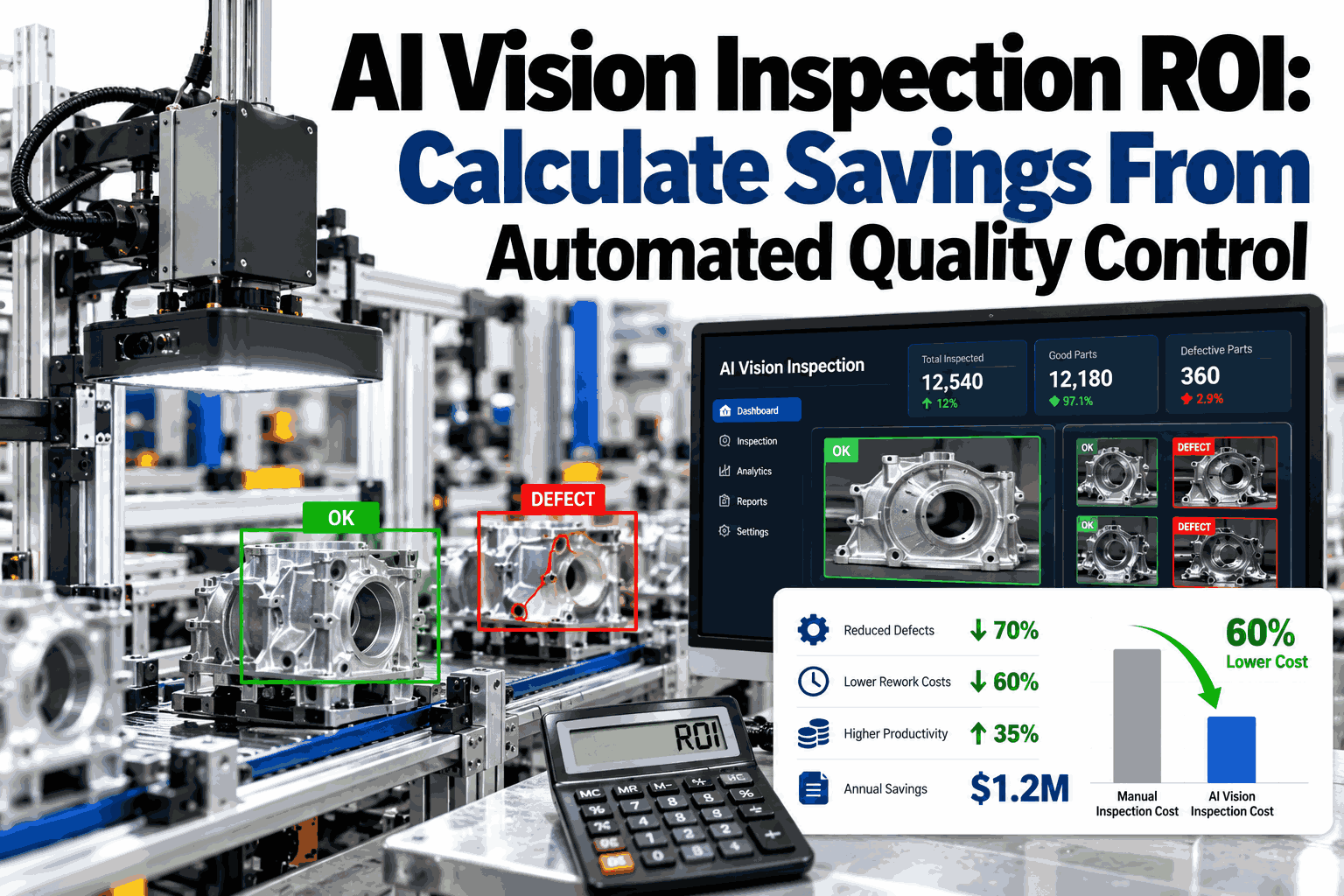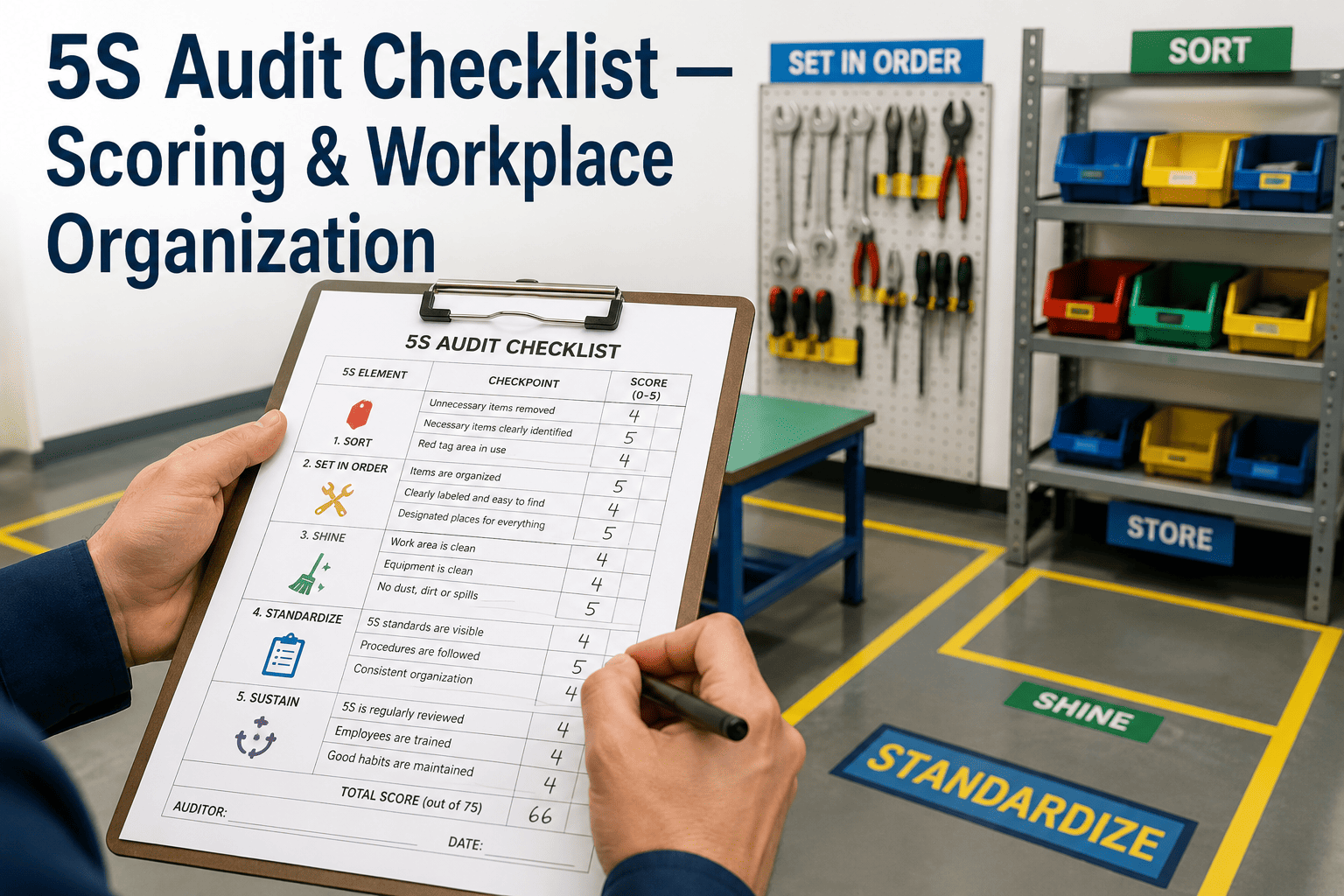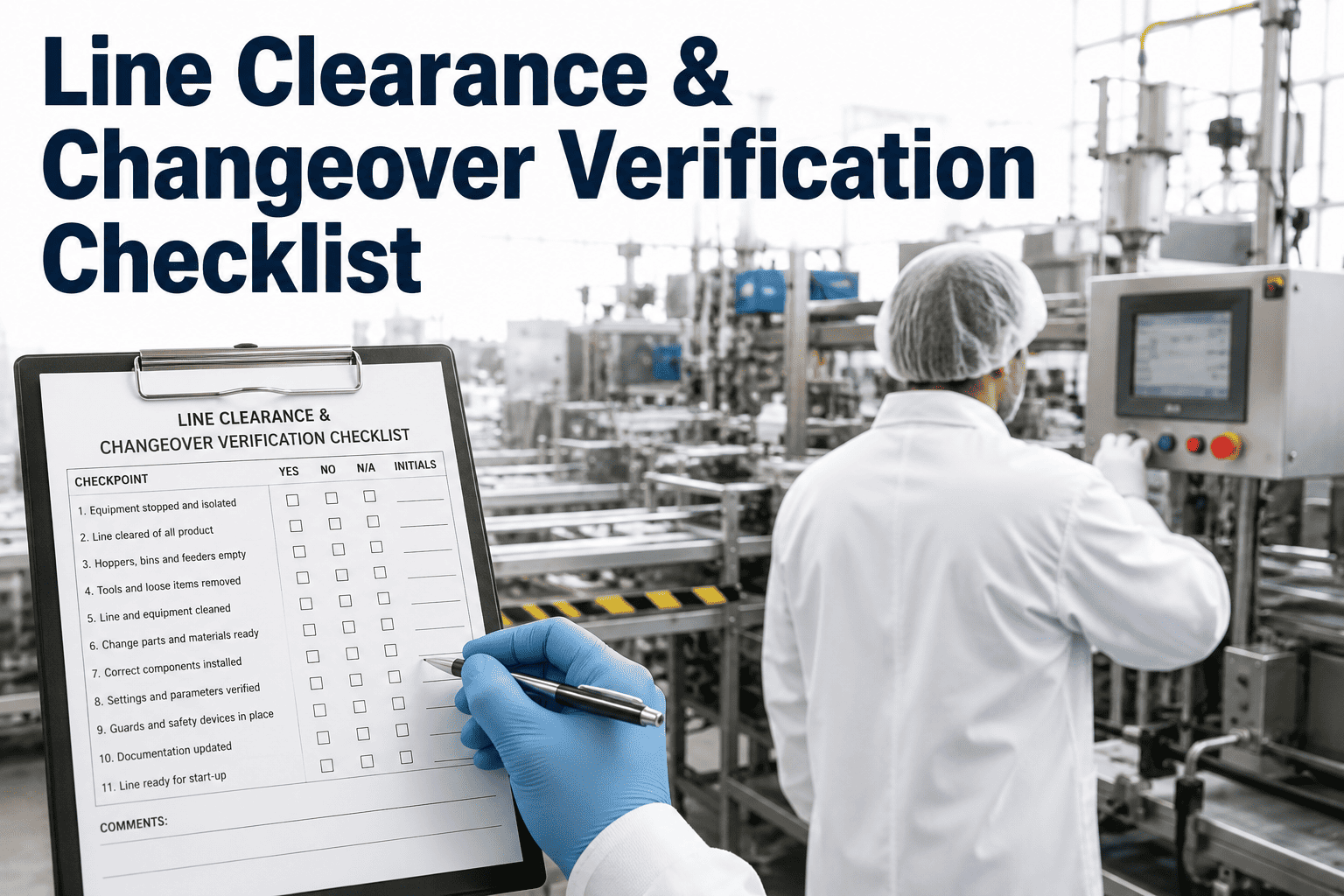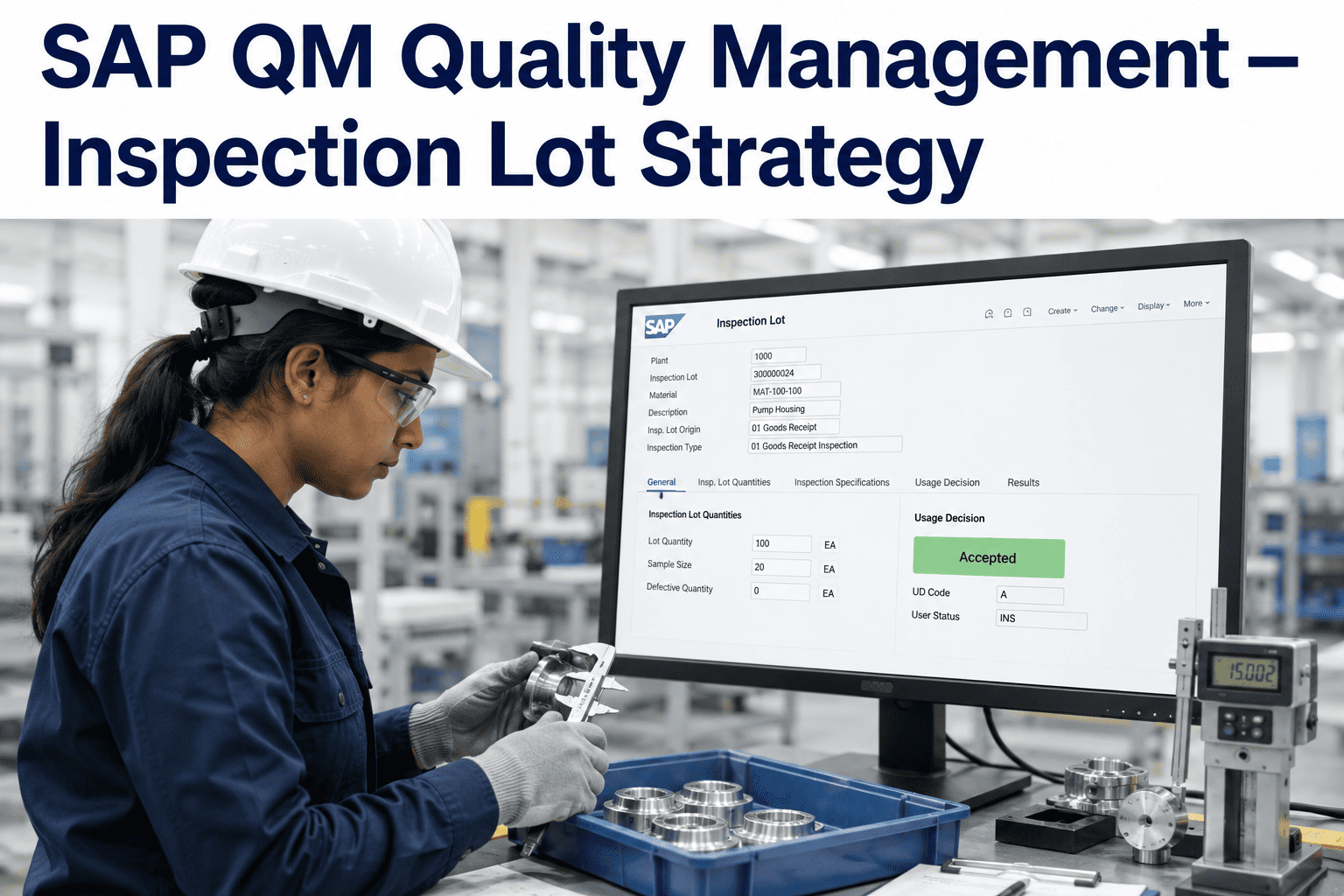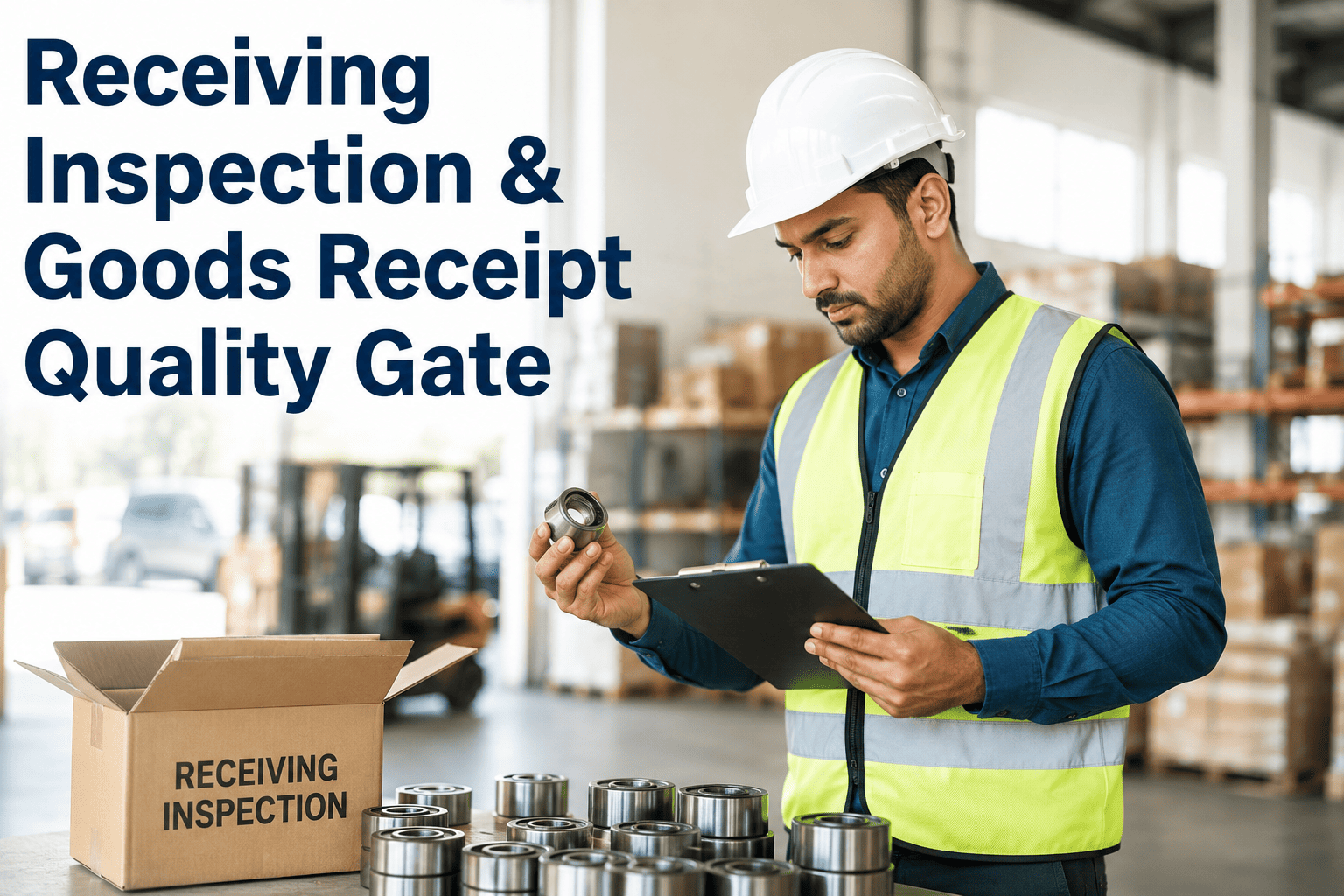
Bad material rarely announces itself at the receiving dock. A pallet with the right label, the right count, and a signature from the driver can still hide a wrong lot number, an expired certificate of analysis, or a visual defect that only shows up once it reaches the line. A digital receiving inspection quality gate stops that material before it enters inventory by validating every delivery against the purchase order, the CoA, and defined visual inspection criteria in one connected step. Operations teams tired of downstream surprises can book a demo to see the gate in action.
RECEIVING INSPECTION · QUALITY GATE · 2026
Stop Bad Material at the Dock, Not on the Line
A digital quality gate that checks every incoming delivery against the purchase order, the certificate of analysis, and visual inspection criteria before anything reaches inventory.
Receiving Inspection in Four Checkpoints
1
Match the PO
Delivery quantity, item codes, and supplier match against the original purchase order before anything unloads.
2
Verify the CoA
Certificate of analysis values are checked against required specification ranges, not just filed away unread.
3
Inspect Visually
Defined visual criteria are checked with photo evidence attached directly to the delivery record.
4
Release or Hold
Only material that clears every checkpoint is released to inventory, everything else is automatically held.
Why "Received" Should Not Mean "Approved"
In a lot of plants, receiving and quality approval are treated as the same event, when they should not be. A dock worker signs for a delivery based on the truck showing up with the right number of pallets, and that signature effectively becomes the material's ticket into inventory, available for production to pull from within the hour. The certificate of analysis might get filed, the visual check might happen if someone has time, but none of that is actually gating whether the material can be used.
A proper quality gate separates those two events. Receiving confirms the delivery arrived, but release to inventory only happens after the purchase order match, CoA verification, and visual inspection have all independently passed, which means a bad lot gets caught at the dock instead of after it has already been consumed on the line.
The financial argument for this separation is straightforward once it is laid out clearly. Material that has already been mixed into a batch, run through a machine, or incorporated into a partially finished product is dramatically more expensive to remediate than material still sitting on a pallet at the dock. A quality gate that adds a few minutes of verification time per delivery is trivial compared to the cost of scrapping a finished batch, halting a production line to isolate affected units, or managing a customer-facing recall that traces back to material that should never have been released in the first place.
Handling Exceptions Without Grinding Receiving to a Halt
A frequent objection to formal quality gates is the concern that they will create a bottleneck every time a delivery has a minor discrepancy, such as a CoA value that is technically outside spec but well within a range the plant has historically accepted with engineering approval. A well-designed gate accounts for this by supporting a defined exception and waiver process, where a qualified reviewer can approve a specific deviation with documented justification rather than the system rigidly blocking every delivery that does not match perfectly.
This distinction matters because a gate that is too rigid tends to get worked around informally, with staff finding manual ways to push material through when the system creates friction for a genuinely low-risk exception, which defeats the purpose of having a gate at all. The goal is not zero exceptions, it is ensuring every exception that does get approved is documented, reviewed by someone with the authority to make that call, and retrievable later if a question arises about why a particular lot was released despite an initial flag.
AUTOMATED HOLD LOGIC
Let Failed Checks Hold Material Automatically
See how a connected quality gate blocks release the moment any inspection step fails.
What Each Checkpoint Actually Validates
| Checkpoint | Validated Against | Failure Action |
|---|---|---|
| PO Match | Quantity, item code, supplier record | Delivery flagged for review |
| CoA Verification | Specification range per item | Material placed on hold |
| Visual Inspection | Defined defect criteria with photos | Material placed on hold |
| Final Release | All prior checkpoints passed | Blocked until resolved |
PO
Every delivery checked against its original purchase order before unloading proceeds
CoA
Certificate values verified against specification instead of filed unread
QC
Visual inspection criteria applied consistently with photo documentation
GO
Release to inventory only happens once every checkpoint has independently passed
What Supply Chain Leaders Are Saying
We used to find out about an out-of-spec lot after it was already mixed into a batch on the floor. Now the gate catches it at the dock, the supplier gets a documented hold notice within minutes, and production never touches material that should not have been released.
Supply Chain Director, Contract Manufacturing Plant
Frequently Asked Questions
Does this slow down receiving compared to a simple sign-off?
The checkpoints run in parallel with unloading rather than after it, so a dock worker can be verifying PO match and logging visual inspection photos while the delivery is still being unloaded, which in most plants keeps total dock time comparable to a manual process while adding verification that manual sign-off never provided in the first place. The time genuinely added is usually only for deliveries where something does not match, and those are exactly the deliveries worth slowing down for.
What happens to material that fails a checkpoint?
Failed material is automatically flagged as on hold in the system, physically segregated according to the plant's existing hold procedure, and a notification goes out to the responsible quality or purchasing contact with the specific reason for the hold attached, whether that is a quantity mismatch, an out-of-spec CoA value, or a failed visual check. The hold stays active until someone with the right authority reviews and either releases or rejects the material, so it cannot be pulled into production by accident.
Can suppliers see their own hold and rejection history?
Many plants choose to share a supplier-facing view of hold and rejection trends, since visibility into recurring issues tends to drive faster corrective action from the supplier than an occasional phone call. Whether to expose this externally is configurable, and teams can review options for supplier-facing reporting through support.
Does the quality gate work with our existing ERP or inventory system?
The gate is designed to sit alongside existing ERP and inventory systems, confirming release status before a delivery is marked available in inventory rather than replacing the inventory system itself, so purchase order data and stock records continue flowing through the systems already in place while the additional verification layer runs on top.
How long does implementation take for a single receiving dock?
A single dock with defined checkpoints for its most common material types is typically operational within three to four weeks, with most of that time spent defining visual criteria and CoA specification ranges alongside the quality team. Operations leaders can book a demo to map a realistic timeline for their own receiving process.
RECEIVING INSPECTION · QUALITY GATE
Catch Bad Material Before It Enters Inventory
Give every delivery a real quality gate instead of a signature-only receiving process.