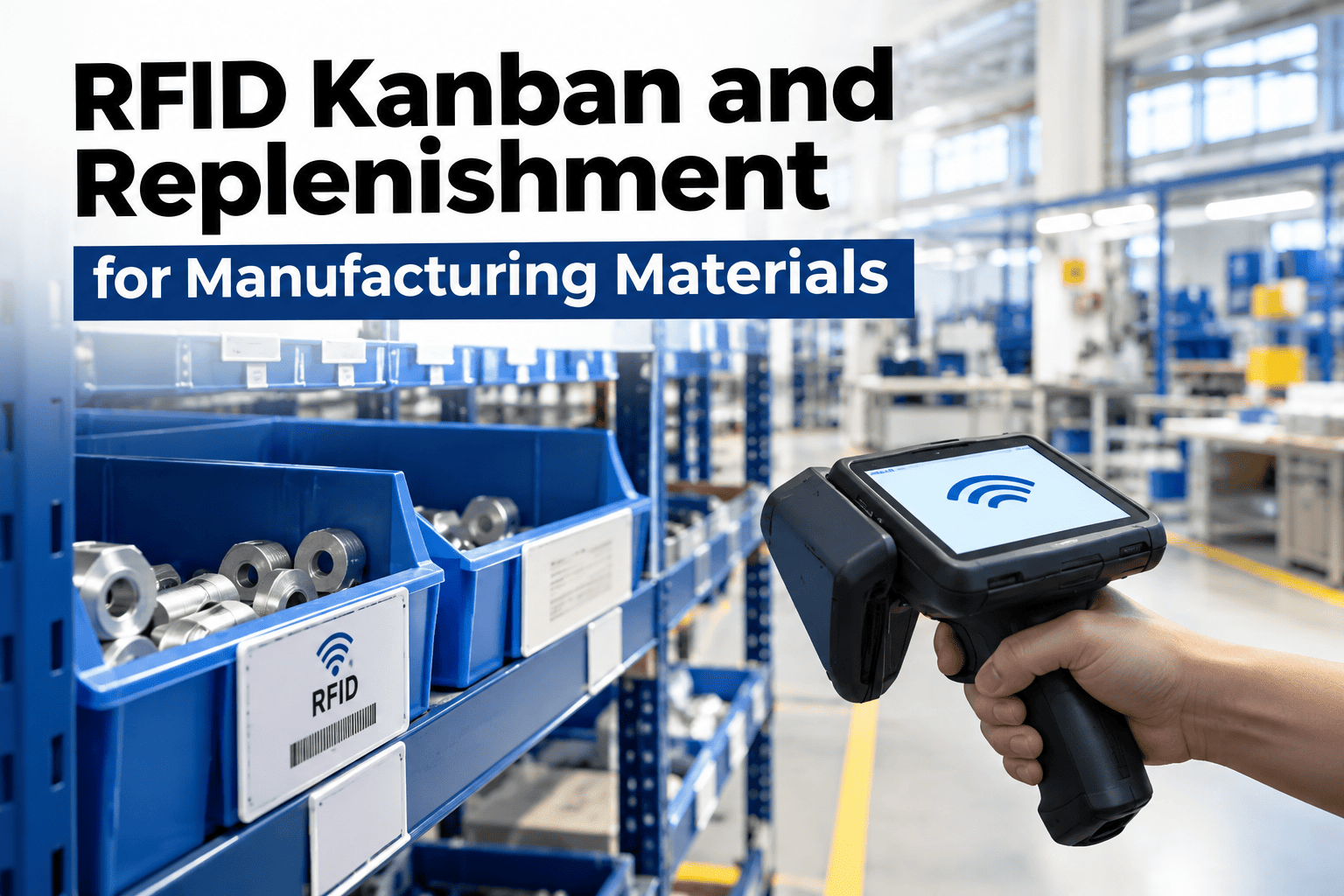
RFID Kanban automates the replenishment signal: when a tagged bin is emptied or moved, a reader detects it and a request goes to the supplier, whether that is a warehouse or a vendor, with no card to place and no label to scan. This removes the human step that fails first when the line is busy. Traditional kanban depends on a worker placing a card or scanning a label to trigger each request (CSSI Technologies, 2026), and a missed signal means a missed delivery. iFactory, an on-premise AI platform for smart manufacturing, ties tag reads to stock, orders and production consumption, and teams can watch a replenishment signal fire from a tagged bin on their own line in a short session.
RFID & Traceability · Replenishment
The Bin Empties. The Order Is Already on Its Way.
iFactory AI turns an RFID read at the empty point into a replenishment request, so lines stay supplied without cards.
Bin A · in use
Low: tag reads at the empty point
Signal sent
Bin B · reserve
Full: takes over at the line
What Is RFID Kanban?
It is a kanban system where the trigger comes from an RFID read, not from a card or a manual scan. The signal is automatic, timed to the moment a bin is empty, and recorded.
Card or scan-based kanban
Needs a worker action to trigger
Signals missed on busy shifts
No record of when it was empty
RFID kanban
Reader detects the bin automatically
Signal sent at the empty point
Every trigger logged with a time
What Does a Stockout Really Cost a Production Line?
A missing part stops every operation that needs it. The cost grows in three steps.
Line waits
Downstream stations halt until the item arrives, so output is lost by the hour.
Emergency purchase
Rush orders at spot prices replace contracted rates.
Rush shipping and rework
Premium freight and disrupted schedules add further cost.
Stockouts stop production, and unrecorded pulls make them harder to foresee (AssetVue, 2026). To see where your stockouts start, ask our team for a replenishment gap review.
Stop Replenishment From Depending on a Card
Share your top ten line-side materials. iFactory AI will show which bins to tag and where signals should fire.
The signalHow Does an RFID Replenishment Signal Travel?
Five steps carry the signal from the bin to the delivery. Each is automatic.
Bin empties
The tagged bin reaches its empty point.
Reader sees it
A reader notes the tag at the trigger location.
Rule fires
Stock and demand rules confirm a request.
Request sent
A pull request goes to the warehouse or vendor.
Delivery logged
Receipt closes the loop and resets the bin.
The rule step is where AI helps, by checking current stock and schedule before sending. To see rules in action, review a trigger rule example with our specialists.
PatternsWhich Kanban Patterns Work Best With RFID?
| Pattern | How the Trigger Works | Best For | Watch Out For |
|---|
| Two-bin | Empty bin moves to a reader, reserve bin takes over | Small parts, fasteners | Bins left out of place |
| Container return | Returned empty container is read at a return point | Returnable totes, trays | Containers lost or stacked |
| Bin level | Read of a tag on a bin lid or shelf when stock falls | High-use bulk items | Need clear empty definition |
| Supplier pull | Reads at the line trigger a vendor request | Vendor-managed items | Lead time must be agreed |
How Is the Reorder Point Set for an RFID Bin?
The same simple formula applies. RFID makes its inputs more accurate.
Daily use
times
Lead time
plus
Safety stock
equals
Reorder point
Illustrative: 200 pieces a day times a 3-day lead time, plus 150 pieces of safety stock, gives a reorder point of 750 pieces.
Because RFID catches depletion early, safety stock can often be set lower without adding stockout risk (AssetVue, 2026). To tune yours, ask support how reorder points are reviewed.
CausesWhat Causes Stockouts Even With Kanban in Place?
Unrecorded pulls
Material taken for small jobs without a log, so stock is overstated.
Bin in the wrong place
An empty bin left away from the trigger point is never seen.
Lead time drift
Suppliers slow down and the old reorder point is no longer enough.
Demand change
A new schedule raises use but the bin size is unchanged.
Slow receipt booking
Goods arrive but are not booked, so the system still shows empty.
What Should a Replenishment Dashboard Show?
Bins below trigger
Count of bins at or under the reorder point.
Open requests
Pull requests sent and not yet received.
Replenishment time
Average hours from signal to refill.
Stockout events
Times a line waited for material.
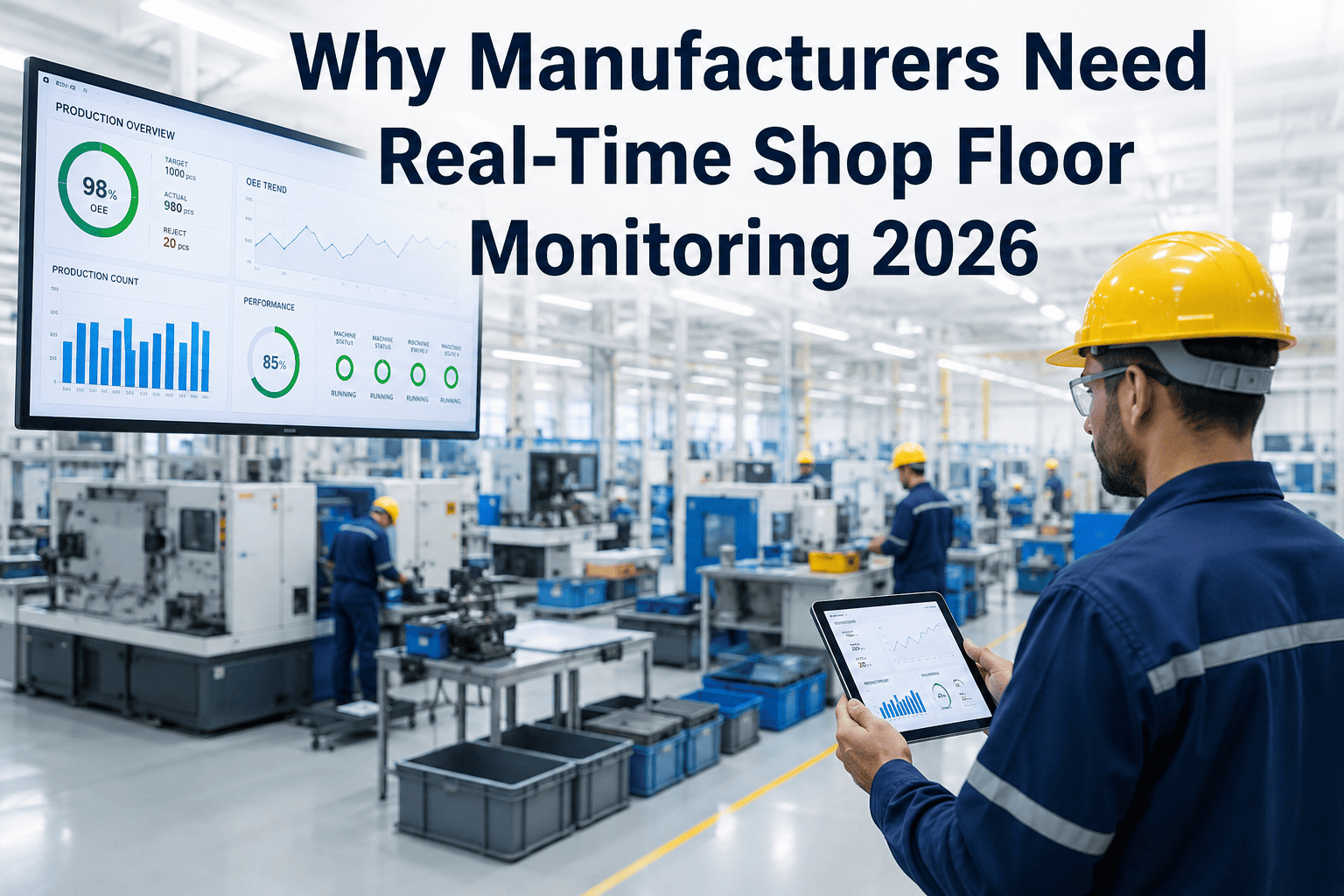
These four numbers show whether signals are firing and whether deliveries keep up. For a layout, review a replenishment view with our team.
SystemsHow Does RFID Kanban Connect to ERP, MES and Warehouse Systems?
ERP
Receives purchase requests and holds contracts and prices.
MES
Reports material consumption and schedule changes.
Warehouse system
Handles picking, put-away and stock locations.
iFactory platform
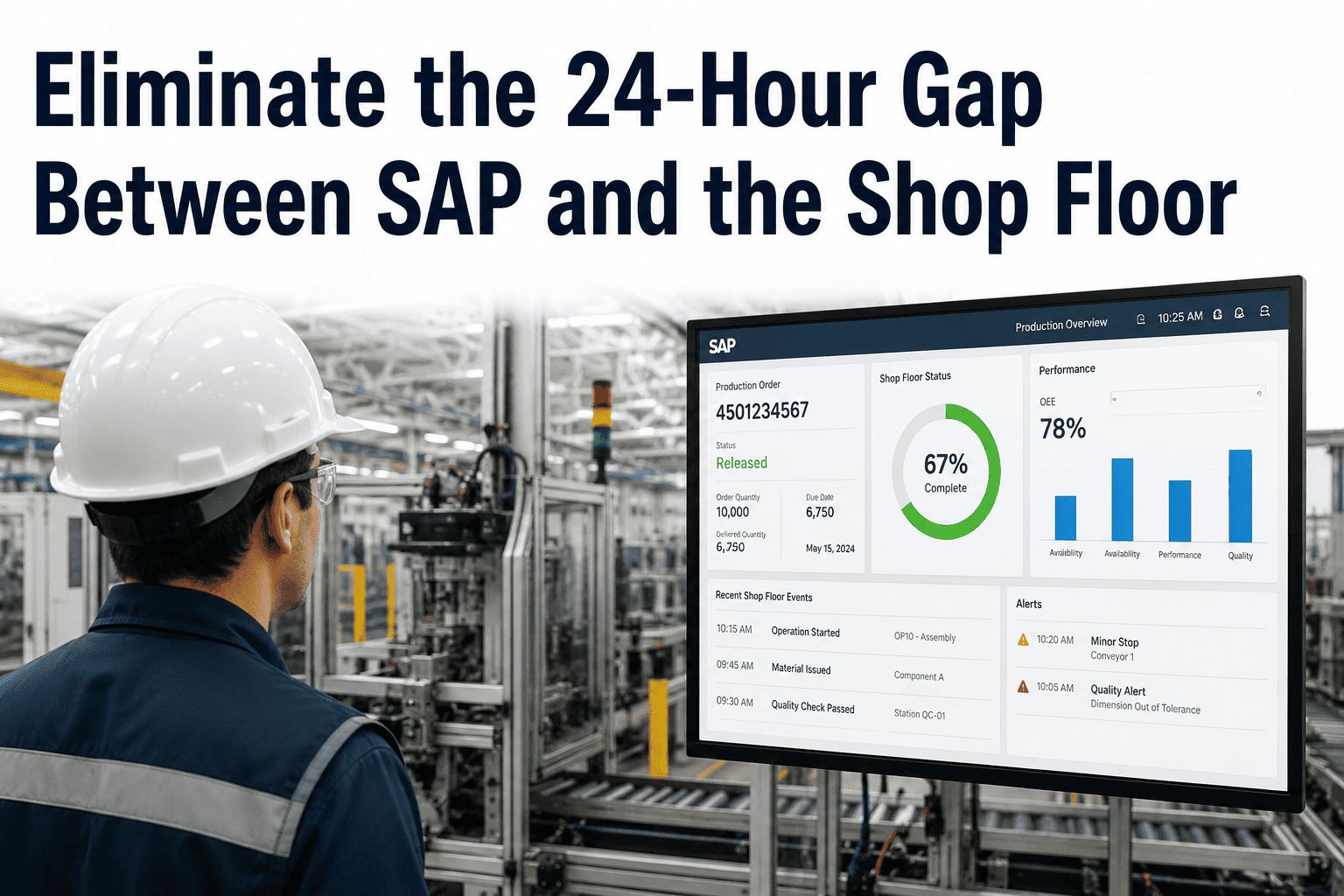
Joins tag reads, stock and consumption into one rule engine and view.
iFactory is delivered on an on-premise NVIDIA server, live in 6–12 weeks, with integration, training and 24×7 remote monitoring in scope.
Who benefitsWhich Teams Gain From Automated Replenishment?
Line operators
Spend less time hunting for parts and checking bins, and more time running the line.
Material handlers
Receive clear, timed requests instead of walking the floor to look.
Planners
See real consumption and lead times, so schedules and orders match reality.
Finance
Sees lower rush freight and less cash tied up in extra buffer stock.
Each group sees the same signal from its own point of view. To see role views, ask support about replenishment views by team.
Pilot checklistWhat Should You Settle Before a Pilot?
Which materials are worth automating first
Where each bin sits and what counts as empty
Tag type that survives the environment
Who receives each request and how fast
How receipts are booked
How reorder points are reviewed monthly
What Does a Realistic First 90 Days Look Like?
Days 1–30
Choose ten materials, define empty points and test tags and readers on the line.
Days 31–60
Go live with signals for those bins and compare with card-based requests.
Days 61–90
Retire cards for proven bins, tune reorder points and add the next materials.
Which Terms Should Teams Share?
Kanban
A pull signal that tells a supplier to refill.
Reorder point
The stock level at which a refill is requested.
Safety stock
Extra stock held against delays and surges.
Lead time
Time from request to delivery.
Point-of-use storage
Material kept at the line where it is consumed.
Stockout
Needed material is not available.
Automating Replenishment Responsibly
Holds up
Automatic triggers reduce missed signals, and early depletion detection supports lower safety stock.
Verify
Read rates at trigger points, a clear definition of empty and that receipts are booked promptly.
Avoid
Cutting safety stock before several weeks of reliable signals are proven.
Frequently Asked Questions
What is RFID Kanban?
It is a kanban system where an RFID read triggers the replenishment request when a bin is empty, instead of a card or manual scan. It keeps lines supplied with fewer missed signals.
See a signal fire on your own bins.
How does RFID reduce stockouts?
It detects depletion automatically and logs it, so requests go out on time and stock records stay accurate. Fewer unrecorded pulls means fewer surprises.
Ask how stockout causes are found.
Which materials should be tagged first?
Can RFID Kanban connect to our ERP?
Does the data stay in our plant?
Keep Every Line Supplied Without Cards
Book a session to see iFactory AI turn RFID reads into replenishment signals on your own materials.