A compressor room running at full load all shift is also running an exhaust stream hot enough to preheat makeup water for a wash-down process two buildings away, and in most plants that heat simply vents to the roof because nobody has mapped where it could go instead. Waste heat recovery is not a single project, it is a matching exercise between sources that are already producing more heat than the process needs and sinks elsewhere in the plant that could use exactly that grade of heat. Doing that survey properly, before screening payback, is what a structured waste heat assessment looks like against your own utility map.
Most Plants Vent Enough Heat to Cover a Real Share of Their Own Demand
iFactory AI surveys heat sources against process heat sinks and screens recovery opportunities by payback, not just by which exhaust stream is hottest.
Why Waste Heat Opportunities Stay Hidden
It is rarely a lack of heat available. It is a lack of a map connecting what is being vented to what could actually use it, maintained by the same person over time.
Sources and Sinks Are Owned by Different Teams
The utility team managing the compressor room rarely talks to the facilities team managing space heating, so an obvious match between the two never gets proposed.
Temperature Grade Gets Ignored
Not all waste heat is useful for all sinks. Low-grade heat that cannot raise water above the required process temperature gets dismissed as unusable even when a different sink would work.
Surveys Happen Once and Go Stale
An energy audit from several years ago still gets referenced, even though equipment changes since then have shifted which streams are actually hot enough to matter.
Common Heat Sources in an Industrial Plant
Some sources are consistent across almost every industrial plant, which makes them a reasonable starting point for a first survey.
| Source | Typical Temperature Range | Common Sink Match |
|---|---|---|
| Compressor exhaust | Moderate, consistent year-round | Space heating, makeup water preheat |
| Boiler flue gas | High, if not already recovered by an economizer | Combustion air preheat, feedwater preheat |
| Process cooling loops | Low to moderate | Low-temperature process preheat, domestic hot water |
| Oven or dryer exhaust | High, often underutilized | Makeup air preheat, adjacent process heating |
Temperature grade determines the match more than volume does. A large volume of low-grade heat is often less useful than a smaller stream at a higher temperature that matches a specific sink's requirement.
Find Your Own Source-to-Sink Matches
Bring a utility map to a 30-minute session and see which vented heat streams already match a demand elsewhere in your plant.
A Source Survey, Step by Step
A structured survey finds matches a casual walk-through misses, because it forces every source and every sink to be documented with the same data.
Screening a Match Before Committing Capital
Not every matched pair is worth pursuing. Proximity and the cost of a heat exchanger retrofit can make an otherwise good thermal match uneconomical.
The strongest waste heat projects are rarely the ones with the hottest exhaust stream. They are the ones where a moderate-temperature source sits physically close to a sink with a steady, overlapping demand, because that combination keeps installed cost low relative to the heat actually displaced. A full plant-wide survey, repeated periodically rather than treated as a one-time audit, is what surfaces these pairings as equipment and schedules change.
Frequently Asked Questions
How do we know if a heat source is actually worth recovering?
Temperature and flow have to be measured under real operating conditions, not estimated from nameplate data, and then compared against a nearby sink's actual demand before a reasonable payback estimate is possible. Get your own sources measured and screened in a short session.
What is pinch analysis and do we need it?
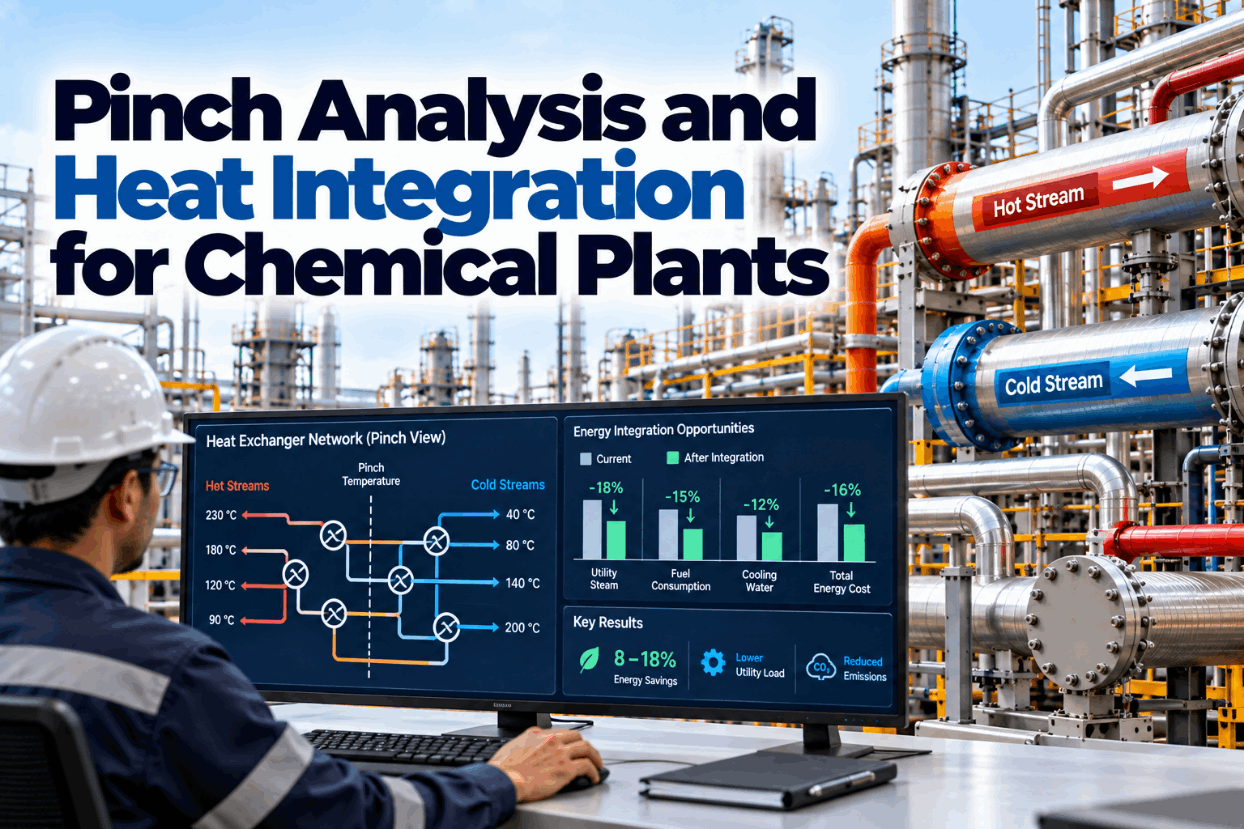
Pinch analysis is a systematic method for matching hot and cold streams across a process to minimize external energy use, and it is most valuable for plants with many interacting streams rather than a single obvious source-to-sink pair. Ask the iFactory AI team whether your plant needs a full pinch study.
How often should a waste heat survey be repeated?
A survey from several years ago can miss opportunities created by newer equipment or missed matches eliminated by changes since then, so revisiting the survey whenever major equipment changes, rather than treating it as a one-time audit, keeps the opportunity list current. Schedule a refreshed heat survey on a call.
What if our best heat source and best sink aren't physically close?
Distance drives up piping and installation cost, which can make an otherwise strong thermal match uneconomical, so distance should be weighed alongside temperature match from the start rather than discovered after a design is already underway. Screen a specific match for payback in a demo.
Does this require new sensors across the plant?
An initial survey can often start with portable measurement at candidate sources, with permanent monitoring added only once a match is confirmed economical and moves toward implementation. Discuss measurement options for your initial survey with the support team.
Match What You're Already Venting to What You Already Need
iFactory AI surveys your heat sources and sinks and screens matches by real payback. Book a walkthrough built around your own utility map.