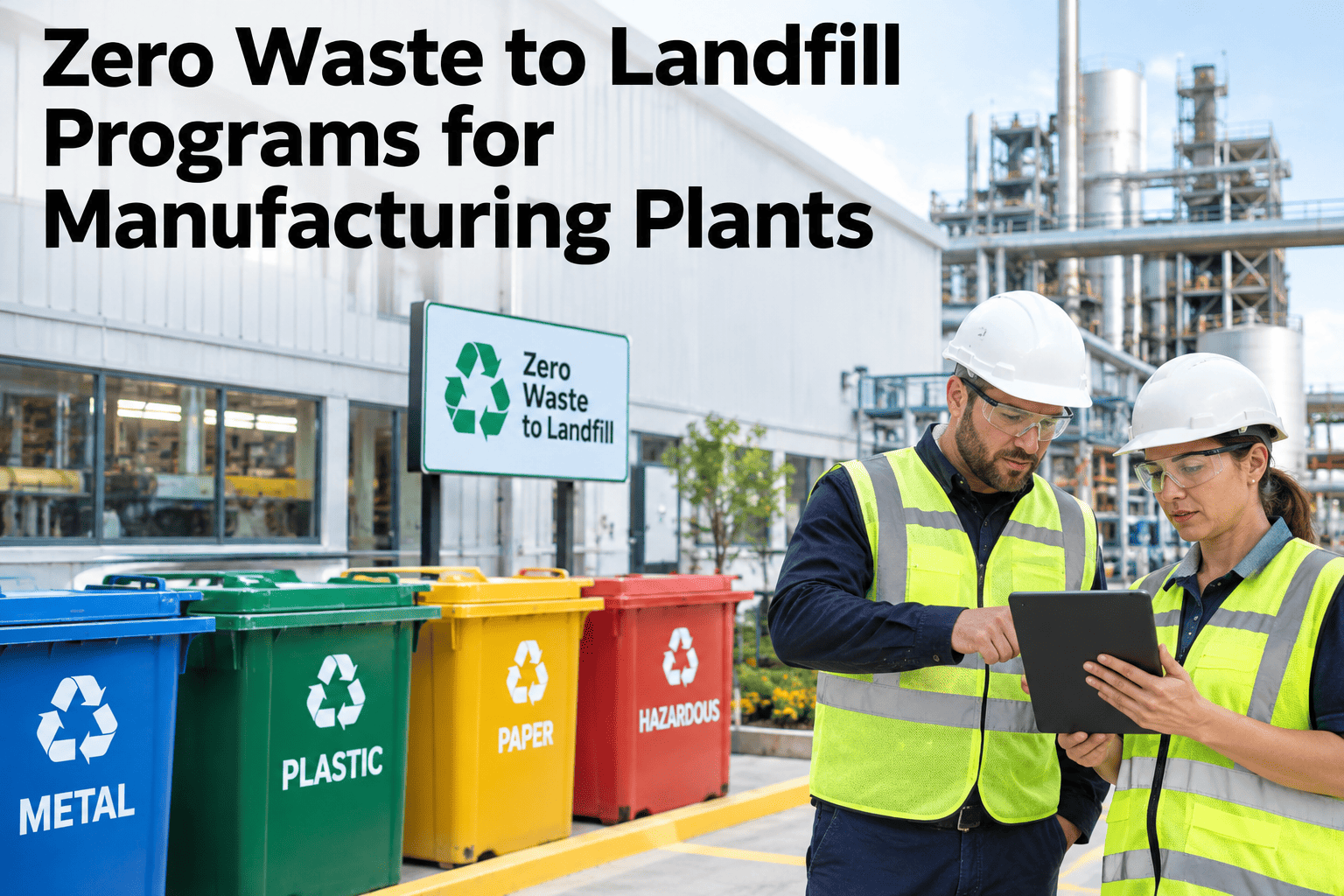
Zero waste to landfill certification looks straightforward until a plant is sitting at 85 or 90 percent diversion and the remaining waste streams turn out to be the hardest ones to solve. Under UL 2799, the standard most manufacturers certify against, Silver requires a landfill diversion rate of 90 to 94 percent, Gold requires 95 to 99 percent, and Platinum requires 100 percent with no more than 10 percent incinerated (UL Solutions, 2026). Reaching any of those tiers starts with stream-level data, not a target set from the top down. iFactory, an on-premise AI platform with energy monitoring and ESG reporting built in, gives sustainability teams the waste-stream visibility that tier-setting depends on. Teams that want to see where their own diversion rate currently sits can walk through a waste stream audit with our team.
Zero Waste to Landfill · UL 2799 Benchmark, 2026
Diversion Rate Decides the Tier. Stream Data Decides the Diversion Rate.
iFactory AI tracks waste by stream and destination, so a plant knows exactly which material is keeping it out of the next certification tier.
Advanced Diversion85–89%
Silver90–94%
Gold95–99%
Platinum100%, ≤10% incinerated
The certification tiers
What UL 2799 Actually Requires at Each Level
UL 2799, the Standard for Environmental Claim Validation Procedure, sets diversion-rate thresholds that are consistent across manufacturers, which is why most industrial zero-waste claims point back to it.
| Tier | Diversion rate | Waste-to-energy allowance |
|---|
| Advanced Waste Diversion | 85–95% | Included within the diversion rate |
| Silver (ZWTL) | 90–94% | Must reach 90% through methods other than waste-to-energy |
| Gold (ZWTL) | 95–99% | Must reach 90%+ through non-WTE methods |
| Platinum (ZWTL) | 100% | No more than 10% incinerated |
Facilities already certifying at these levels illustrate the range: ABB's Alingsås site reached Platinum, Samsung's SEHA facility reported Gold at 98 percent diversion with 2 percent thermal recovery, and Kamps Inc. reported a 90.7 percent enterprise-wide diversion rate for 2025 (UL Solutions / company disclosures, 2026).
Where the last streams hide
The Gap Between 85% and Gold Is Rarely the Easy Streams
Mixed-material packaging
Composite films and labels that cannot be separated by a standard recycling stream.
Hazardous waste categories
Solvents, oils, and chemical residues that need a certified disposal partner, not a general recycler.
Contaminated recyclables
Material that would otherwise be recyclable but is downgraded to landfill by cross-contamination on the floor.
Low-volume specialty streams
Waste types too small in volume to justify a dedicated vendor contract on their own.
Before setting a target
Four Numbers to Know Before Committing to a Tier
1
Current diversion rate by stream
Not a single plant-wide number — diversion rate for each material category separately.
2
Volume generated per stream
Which streams are large enough to move the overall percentage, and which are rounding errors.
3
Available local outlets
Recycling, waste-to-energy, and specialty disposal capacity actually reachable from the site.
4
Cost per stream
Diversion cost varies enormously by material — knowing this before setting a target avoids an unfunded commitment.
See What Tier Is Realistic for Your Plant This Year
Share your current waste hauling data and iFactory AI will break it down by stream to show which certification tier is within reach.
Audit vs ongoing tracking
A One-Time Audit Does Not Hold a Certification
Annual waste audit
Snapshot of one period only
Misses seasonal production shifts
Certification can drift between audits
Continuous stream tracking
Diversion rate visible by stream, every month
Flags a slipping stream before recertification
Supports the data a certifier actually asks for
Expert review
What a Sustainability Manager Checks First
A zero-waste program holds up when it is built stream by stream, with the hardest categories identified early rather than discovered at the recertification audit.
Verdict
Strong when the target tier is set after the stream-level audit, not before it.
Watch for
A plant-wide diversion percentage that hides one or two large streams still going to landfill.
Do next
Pull last quarter's hauling invoices and sort them by stream before setting a certification target.
Frequently asked questions
What Plants Ask About Zero Waste to Landfill Certification
What diversion rate do we need for Gold certification?
Under UL 2799, Gold requires a 95 to 99 percent landfill diversion rate, with at least 90 percent reached through methods other than waste-to-energy (UL Solutions, 2026).
See where your plant stands today.
Does waste-to-energy count toward diversion?
How long does a zero waste to landfill program typically take?
Timelines vary widely by starting diversion rate and the number of specialty streams involved, so a stream-level audit is the first step to building a realistic timeline.
Discuss a timeline for your plant.
What happens if diversion rate drops after certification?
Most certifiers require ongoing reporting and periodic recertification, so a drop can affect standing at the next audit cycle — continuous stream tracking is how most plants catch this early.
Ask support about recertification tracking.
Which waste streams are usually hardest to divert?
Know your streams before you set a target
Build a Zero Waste Program on Stream-Level Data
Book a session with iFactory AI to map your current waste streams against the UL 2799 tiers and find the fastest realistic path forward.