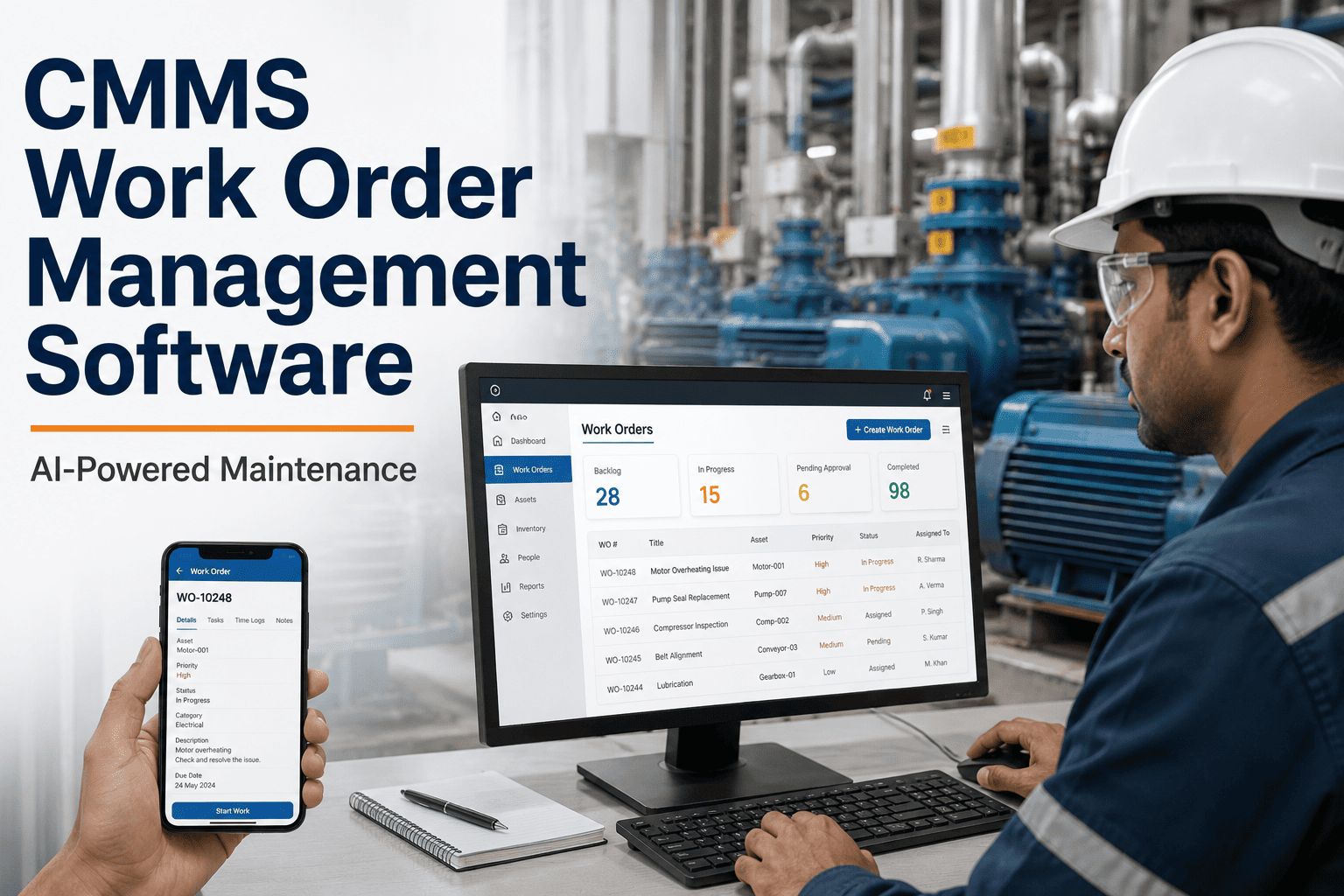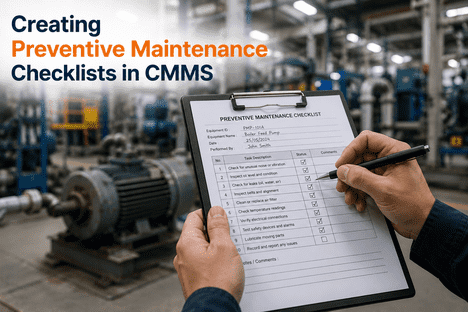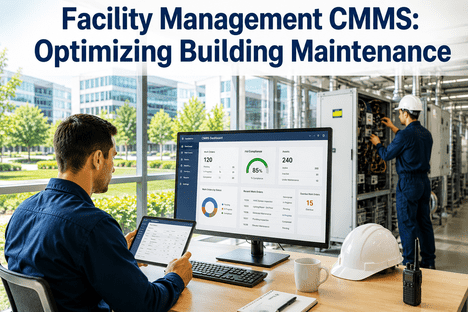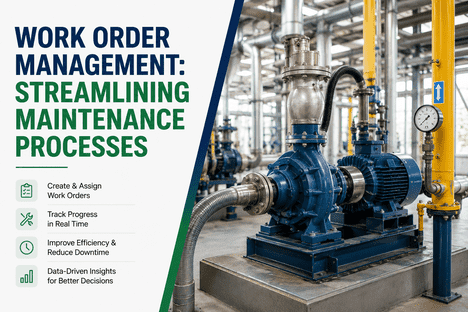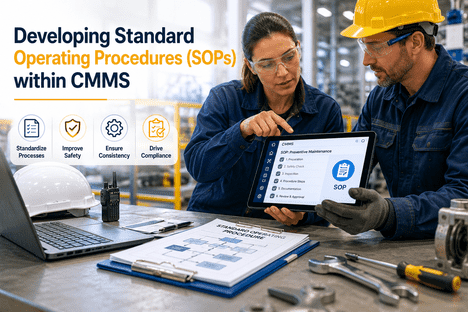
Developing Standard Operating Procedures (SOPs) within a Computerized Maintenance Management System (CMMS) transforms how maintenance teams execute work across refineries, petrochemical plants, and industrial facilities. By embedding step-by-step procedures directly into work orders, organizations eliminate procedural ambiguity, reduce technician training time, and ensure every maintenance task follows documented best practices with full audit traceability. In 2026, as regulatory pressure increases and the industrial workforce faces a widening experience gap, integrating SOPs directly into CMMS workflows is no longer optional — it is the foundation of reliable, repeatable maintenance execution. iFactory's AI-driven EAM platform enables organizations to author, attach, and enforce SOPs at the asset and task level, ensuring that every work order carries the exact procedures, safety protocols, and quality checks required. Procurement and reliability teams evaluating SOP digitization programs are encouraged to Book a Demo with iFactory to assess how SOP-integrated work flows reduce equipment failures and improve overall equipment effectiveness.
Embed Standard Operating Procedures Directly Into Every Work Order
iFactory connects SOP authoring, work order attachment, and AI-powered compliance verification — ensuring every maintenance action follows documented procedures across your entire facility.
Why Standard Operating Procedures Must Be Embedded Within Your CMMS
Standard Operating Procedures within a CMMS provide a single source of truth for every maintenance task across the facility. When a work order is generated for a critical pump in a refinery, the attached SOP specifies the exact lockout/tagout sequence, torque values, replacement part numbers, and post-maintenance testing requirements — eliminating the variance that occurs when technicians rely on memory or paper binders. Embedded SOPs also accelerate onboarding; new technicians can execute complex procedures correctly from day one, reducing the cognitive load on senior staff and minimizing the risk of procedural errors that lead to equipment damage or safety incidents. Organizations that integrate SOPs directly into their CMMS work order lifecycle report measurable reductions in rework rates, unplanned downtime, and compliance findings during regulatory audits. Reliability teams building SOP-integrated maintenance programs can evaluate how iFactory's digital SOP engine works within existing maintenance workflows.
Procedural Consistency
Embedded SOPs ensure every technician executes the same procedure with the same safety checks, torque values, and acceptance criteria — eliminating variability between shifts and skill levels.
Reduced Training Time
New technicians access complete, verified procedures at the point of work — reducing the ramp-up period from months to weeks and enabling faster deployment to critical tasks.
Compliance Traceability
Every work order linked to an SOP creates an auditable record of procedure version, technician acknowledgment, and step completion — satisfying regulatory and insurer requirements.
Data-Driven SOP Updates
Work order history feeds back into SOP revision cycles, enabling maintenance managers to refine procedures based on actual field execution data and failure patterns.
Key Components of Effective SOPs Within Your CMMS in 2026
Developing SOPs that deliver real maintenance reliability improvements requires more than documenting existing practices — it requires a structured framework that aligns procedure content with how CMMS work orders are created, assigned, executed, and closed. Each SOP developed within iFactory's EAM platform shares common structural elements designed for clarity, enforceability, and audit readiness. The following framework supports maintenance managers and reliability engineers in building SOPs that reduce equipment failures and drive operational consistency. Book a Demo to see how iFactory's SOP authoring tools integrate with preventive and predictive maintenance programs.
| SOP Component | Description | CMMS Integration | Compliance Value |
|---|---|---|---|
| Scope & Asset Mapping | Defines which assets, equipment classes, and operating conditions the procedure covers | Auto-attached to work orders based on asset ID and task type | Ensures correct procedure reaches the right asset every time |
| Safety & LOTO Requirements | Lockout/tagout sequence, required PPE, permit types, and isolation points | Mandatory acknowledgment before work order execution begins | Eliminates safety step skipping under production pressure |
| Step-by-Step Procedure | Numbered instructions with critical tolerances, torque values, and inspection criteria | Digital checklist with field validation and required photo evidence | Prevents incomplete or incorrect procedure execution |
| Quality Acceptance Criteria | Defined pass/fail metrics for completed repairs and post-maintenance testing | Mandatory sign-off blocks progress until criteria are satisfied | Reduces return-to-service failures and rework |
| Revision History & Approval | Version tracking with approver signatures and effective date management | Automatic revision control; outdated SOPs blocked from work order attachment | Maintains regulatory audit readiness across procedure lifecycles |
How iFactory AI Vision Camera Enforces SOP Compliance in Real Time
Authoring SOPs and attaching them to work orders solves the documentation problem — but it does not solve the execution compliance problem. Until now, maintenance managers had no way to verify that technicians actually followed each procedural step in the field. iFactory's AI Vision Camera closes this gap by bringing visual intelligence to SOP compliance within maintenance workflows. Deployed in workshops, tool cribs, and field locations, the camera system automatically captures and analyzes maintenance activities against the SOP attached to the work order. If a technician skips a critical step — such as failing to apply a lockout tag before beginning work — the system flags the deviation in real time and alerts the supervisor. This visual validation layer provides maintenance managers with objective compliance data for every work order, transforming SOPs from static documents into actively enforced procedures. Organizations combining SOP-integrated CMMS workflows with AI Vision Camera are the first to Book a Demo and see how visual compliance transforms their maintenance reliability metrics.
Developing SOPs Within CMMS — Frequently Asked Questions
What is an SOP in the context of a CMMS?
A Standard Operating Procedure (SOP) within a CMMS is a step-by-step set of instructions attached to work orders that ensures every maintenance task is performed consistently, safely, and in compliance with regulatory requirements and manufacturer specifications.
How do embedded SOPs improve maintenance quality?
Embedded SOPs eliminate procedural variation by providing technicians with exact instructions, torque values, safety steps, and acceptance criteria at the point of work — directly within the work order interface — reducing errors and rework by up to 60 percent.
Can iFactory's CMMS enforce SOP compliance automatically?
Yes — iFactory's EAM platform supports mandatory SOP acknowledgment before work begins, digital checklists with step-level field validation, and AI Vision Camera integration that detects and flags procedural deviations in real time.
How does the AI Vision Camera support SOP enforcement?
The AI Vision Camera monitors maintenance activities against the SOP attached to each work order, detecting skipped steps or unsafe practices and notifying supervisors immediately — creating an objective compliance record for every task.
What is the difference between SOPs and standard work instructions within a CMMS?
SOPs are formal, auditable procedures that must be followed for regulatory and safety compliance, while standard work instructions are detailed process guides. iFactory supports both — with SOPs featuring mandatory acknowledgment and revision control for compliance-critical tasks.
Turn Your Standard Operating Procedures Into Actively Enforced Maintenance Workflows
iFactory connects SOP authoring, CMMS work order integration, and AI Vision Camera compliance verification — converting every documented procedure into a digitally enforced maintenance action across your facility.