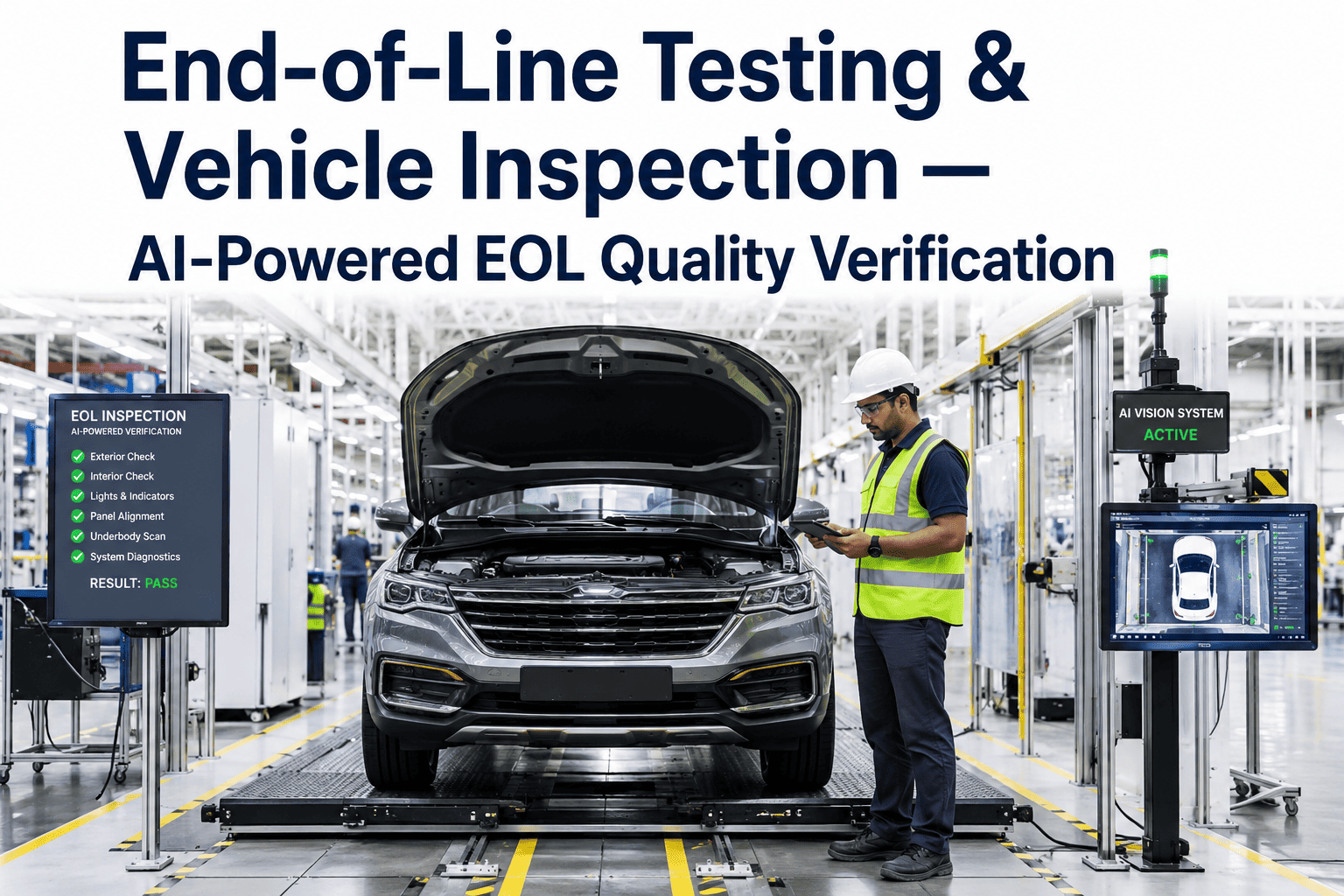
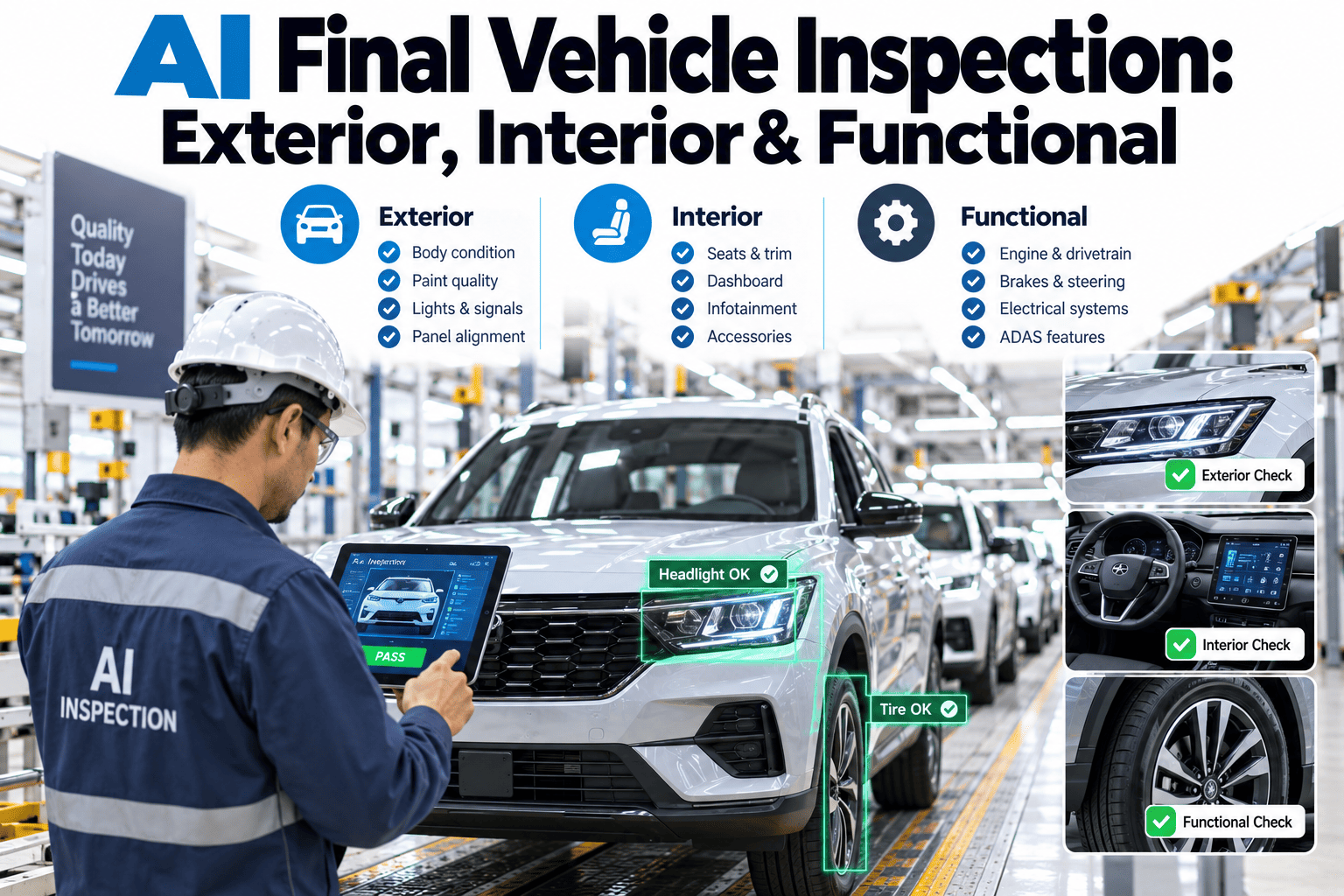
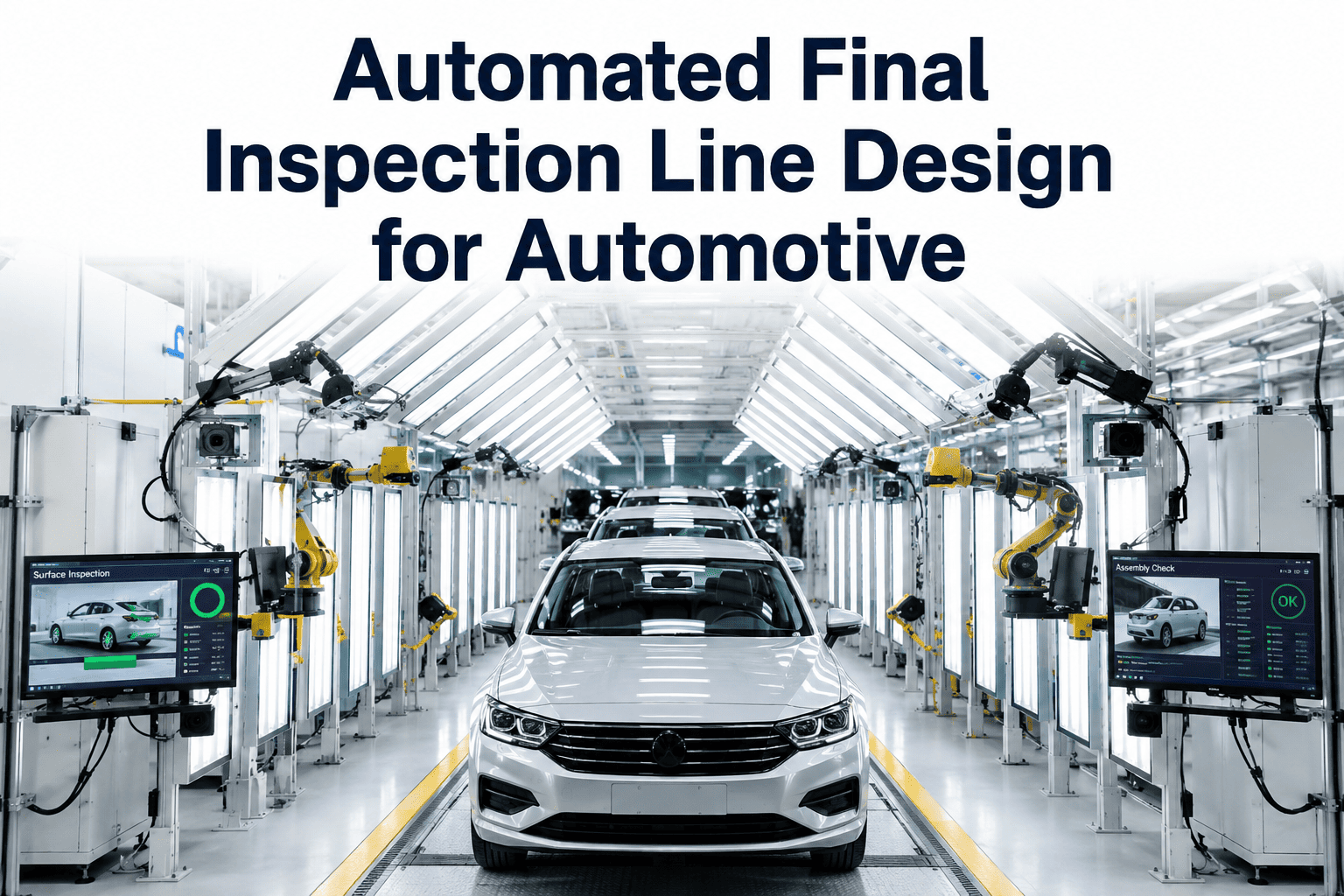
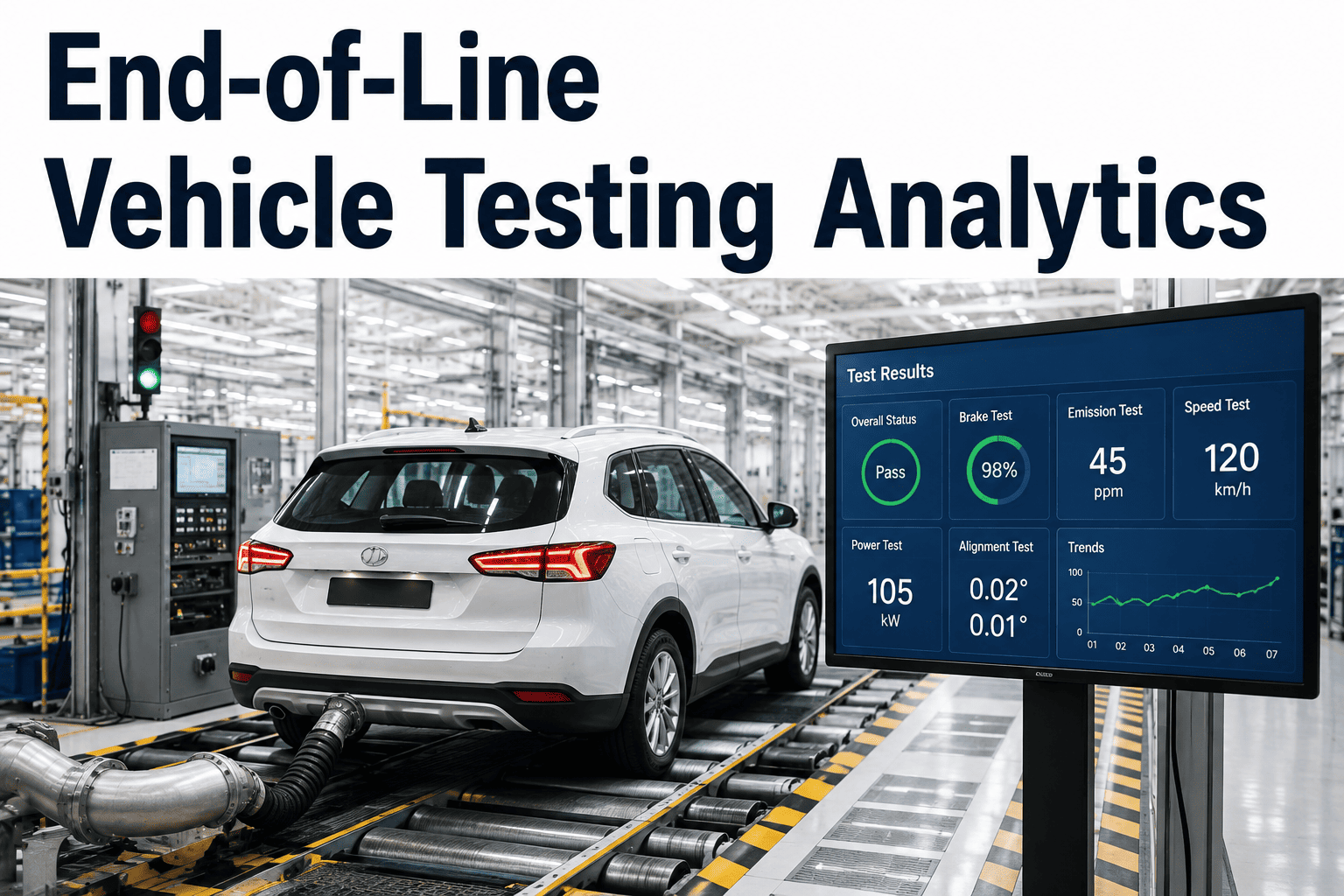
Every vehicle that reaches end-of-line has already passed through hundreds of individual assembly and inspection steps, which makes the final test bench the last real chance to catch anything those earlier steps missed. Electrical faults, ADAS calibration drift, fluid fill errors, and road test anomalies all converge at this one station, and a manual pass or fail call on any of them carries real consequences if it is wrong in either direction. A false pass sends a defect to a customer, a false fail sends a good vehicle back through unnecessary rework, and both cost time on a line that is measured in seconds per unit. AI analytics applied to end-of-line data reduce both kinds of error by comparing every test result against learned patterns instead of a fixed pass or fail threshold alone, which is why plant quality teams increasingly want to see this analysis running against their own EOL test data during a live demo.
AI-POWERED END-OF-LINE QUALITY VERIFICATION
Catch What the Final Test Bench Was Built to Catch
Apply AI analytics across ADAS calibration, electrical verification, fluid fill checks, and dynamic road test data before a vehicle receives final release approval.
The Four Test Stations Where AI Adds the Most Value
Each station generates a different kind of data, and each benefits from a different pattern of analysis rather than one generic pass or fail rule applied everywhere.
Station 1
ADAS Calibration Verification
Radar and camera calibration results are checked against expected tolerance patterns, flagging drift that a single-point pass threshold would miss entirely.
Station 2
Electrical System Testing
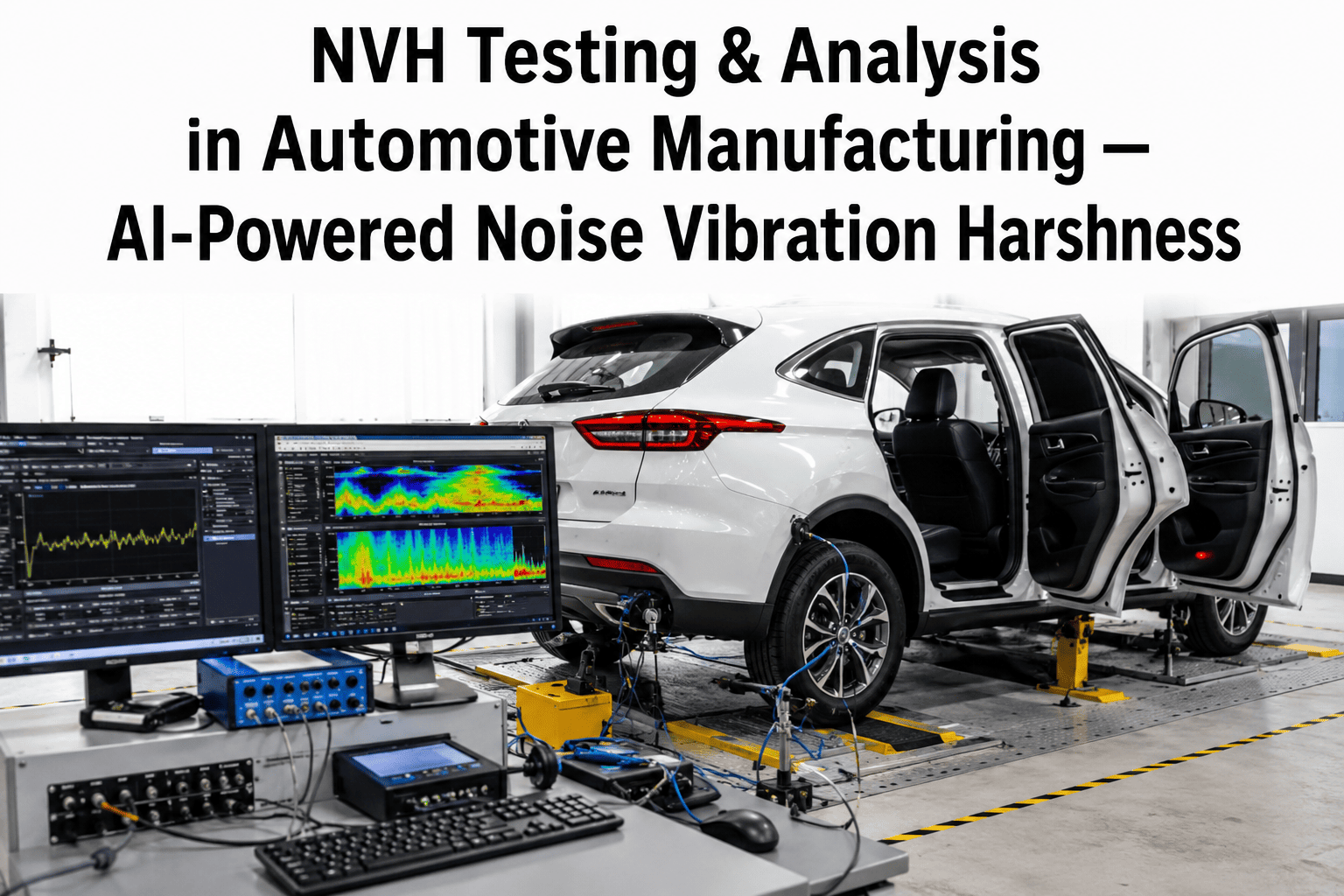
Voltage, current draw, and insulation resistance readings across wiring harnesses and control modules are analyzed for anomalies against the expected vehicle configuration.
Station 3
Fluid Fill Validation
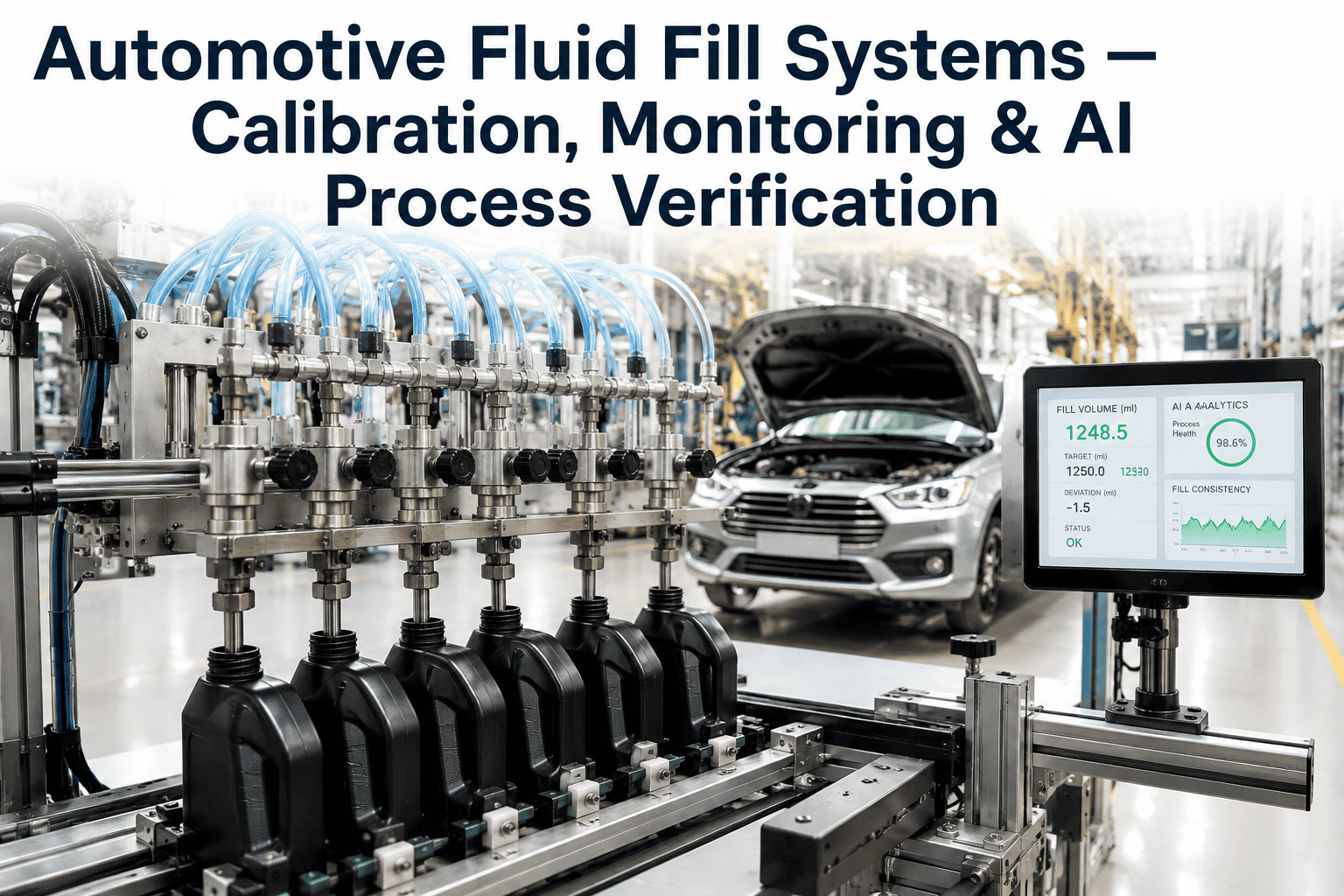
Fill levels and fluid type confirmation are cross-checked against the build sheet, catching a mismatch before the vehicle leaves the fill station.
Station 4
Dynamic Road Test Analysis
Acoustic signatures, vibration data, and braking response from the road test are analyzed for patterns that correlate with downstream warranty claims.
Threshold-Based Pass/Fail vs Pattern-Based Analysis
From Test Bench Reading to Release Decision
1
Multi-Station Data Capture
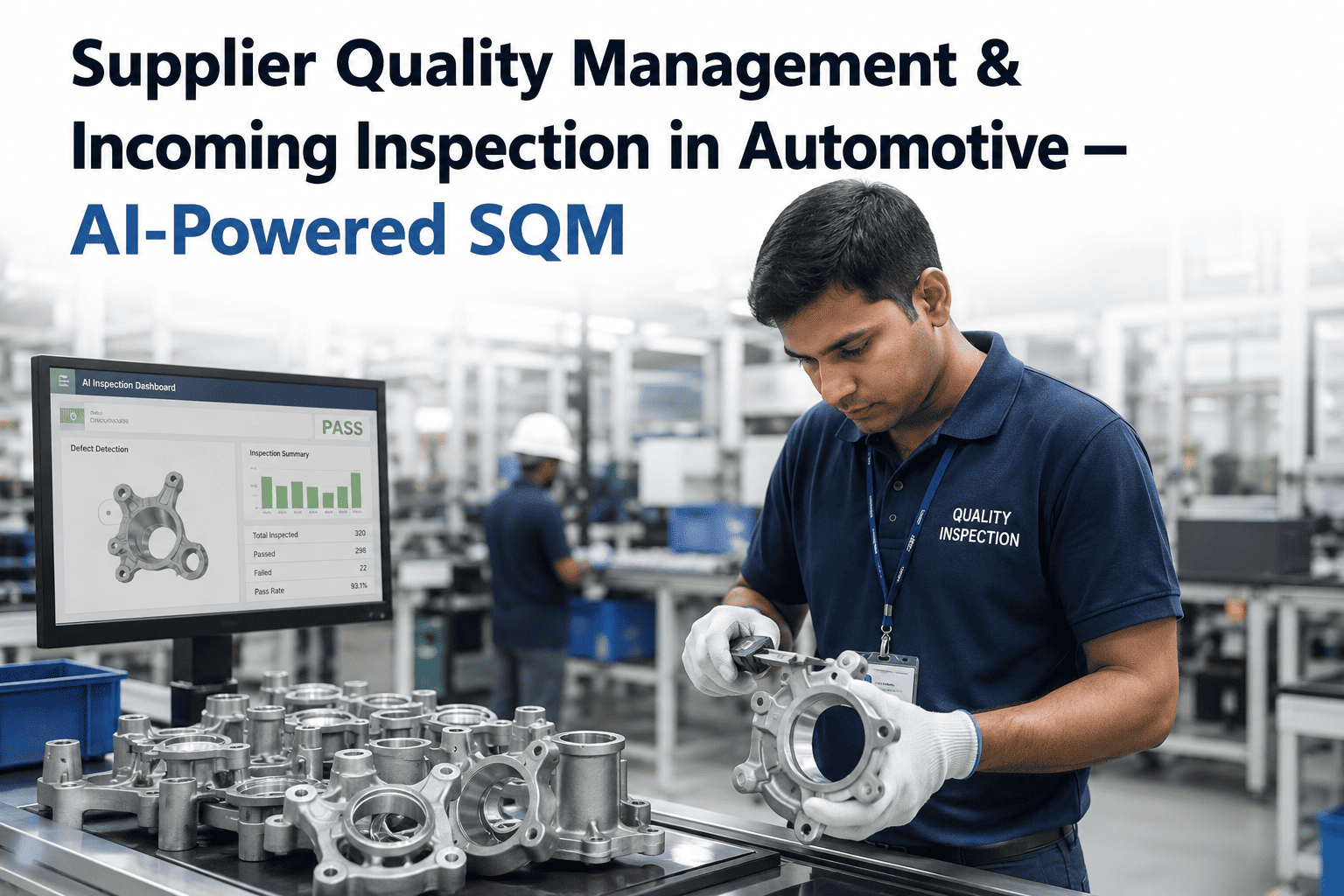
Readings from every EOL station are captured against the specific vehicle's build configuration rather than judged in isolation.
2
Pattern Comparison
Each reading is compared against the learned range of normal results for that specific test, model, and configuration combination.
3
Anomaly Flagging With Context
A flagged result arrives with the context of why it looked unusual, giving the reviewing engineer a starting point instead of a bare number.
4
Release Decision and Traceability
The final release decision, along with every station's test data, is logged against the vehicle's build record for warranty and audit traceability.
See Pattern Analysis Applied to Your EOL Test Data
Walk through how anomaly detection would apply to your specific ADAS, electrical, fluid, and road test parameters.
Configuration-Aware Testing
Every result judged against the specific model and trim built, not a generic threshold
Fewer False Flags
Context-aware scoring reduces unnecessary rework triggered by edge-case readings
Full Build Traceability
Every station result is tied permanently to the vehicle's build and release record
Frequently Asked Questions
Does AI analysis replace the fixed pass/fail thresholds required by OEM specifications?
No, required OEM thresholds remain the baseline pass/fail criteria and are always respected as the final gate, since those specifications carry contractual and safety requirements that cannot be overridden. What AI pattern analysis adds is a second layer that catches borderline results sitting just inside a threshold that still look statistically unusual compared to normally performing vehicles, giving engineers visibility they would not otherwise have. Specific threshold configurations can be reviewed during a
demo session.
How does the system account for legitimate differences between vehicle trims and configurations?
Learned normal ranges are built separately for each model, trim, and configuration combination rather than applied as one blanket range across an entire production line, since a legitimate electrical reading on a base trim can look anomalous on a higher trim with additional accessories. This configuration-aware approach is what keeps the false flag rate manageable even on lines running significant model mix through the same EOL test bench.
Can EOL test results be correlated back to upstream assembly stations?
Yes, when a pattern of anomalies traces back to a specific shift, station, or supplier batch, that correlation is surfaced so the root cause investigation can start upstream rather than only addressing the symptom at final test. This is particularly valuable for recurring electrical or fluid fill issues that trace back to a specific upstream process rather than being random one-off events. Teams can review correlation reporting through
support.
What happens when the road test flags an acoustic or vibration anomaly?
A flagged acoustic or vibration reading is routed for engineer review along with the specific frequency and timing pattern that triggered the flag, rather than a simple pass or fail note, giving the reviewer enough context to decide quickly whether further diagnosis is warranted. Over time, confirmed root causes for these flags feed back into the pattern model, improving how similar issues are identified on future vehicles.
Does this require replacing our existing EOL test bench hardware?
No, the analysis layer works with data already being generated by existing EOL test equipment rather than requiring new test hardware, since most plants already have ADAS, electrical, fluid, and road test systems in place that simply need their output connected to the analysis platform. This keeps implementation focused on data integration rather than a full test bench replacement project.
DON'T LET FINAL TEST BE THE LAST LINE OF DEFENSE ALONE
Strengthen Your End-of-Line Release Decisions
Get an EOL analysis setup built around your specific test stations and vehicle configurations.