A non-conformance report sitting in someone's email inbox is not a containment action — it's a delay with a paper trail. In a lot of automotive plants, that's exactly what happens: an inspector spots a defect, fills out a form, emails it to a supervisor, and the clock starts ticking on how many more suspect parts move through the line, into a sub-assembly, or out the door before anyone formally decides what to do about it. The plants that keep escape rates low have replaced that email chain with a structured workflow — report, triage, contain, investigate, correct, verify, close — where the containment step happens in minutes, not hours. Book a demo to see that workflow running against real production data.
NON-CONFORMANCE MANAGEMENT · NCR & CONTAINMENT · IATF 16949
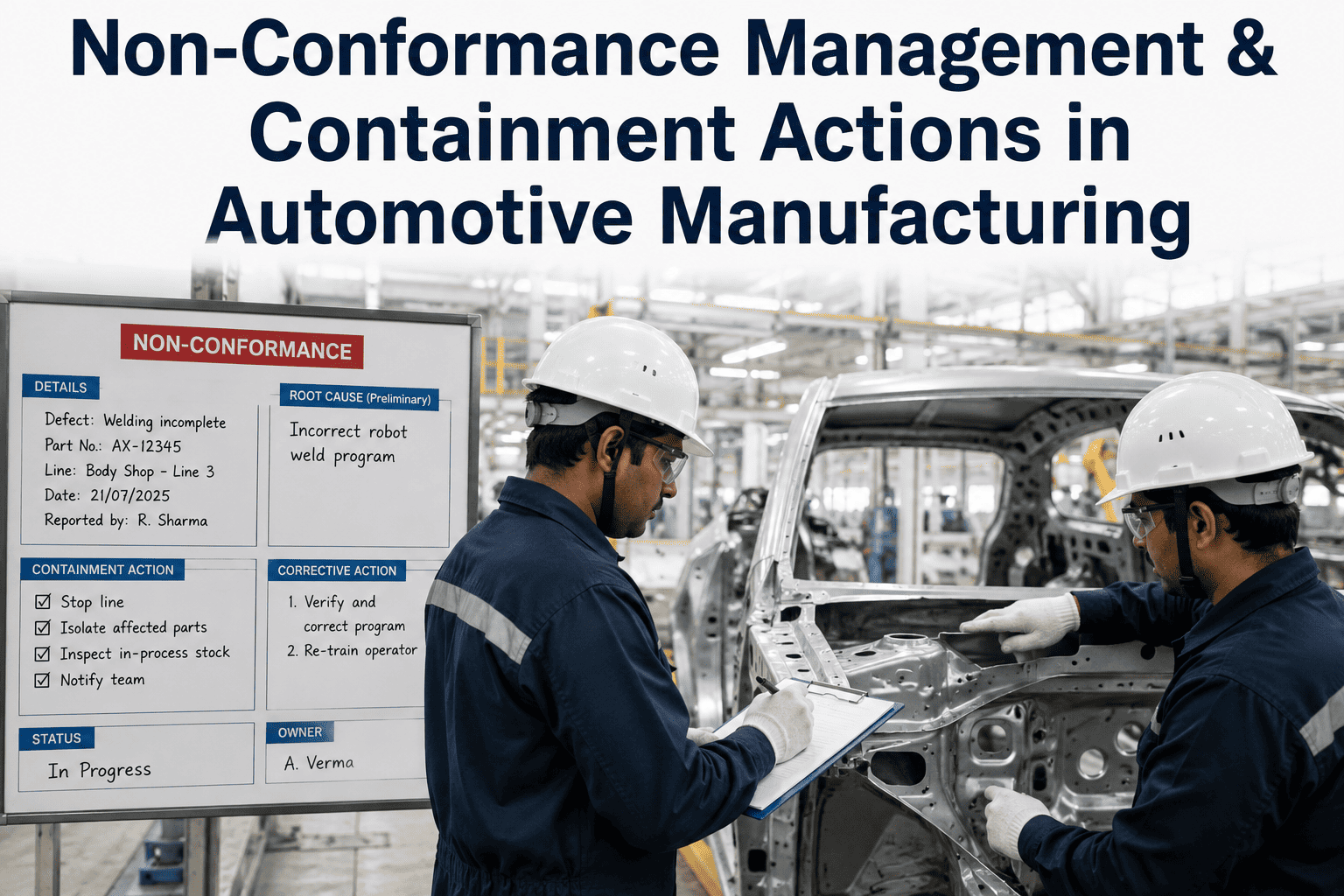
Non-Conformance Management & Containment Actions in Automotive Manufacturing
Every hour a non-conformance goes uncontained multiplies its cost. This guide covers the full NCR lifecycle, why containment speed matters more than most quality metrics get credit for, and how AI-assisted disposition workflows cut the gap between detection and action.
87–95%
Typical on-time CAPA completion rate with a structured NCR system
$500K–$5M
Estimated cost range of a single automotive recall event
7
Stages in a complete NCR-to-closure workflow
Minutes
Target containment time from detection with automated NCR triggers
WHY SPEED MATTERS
The Real Cost of a Slow Containment Response
Nonconformance reports exist to establish a controlled, auditable process for documenting and resolving deviations from specification — but the auditability isn't the part that saves money. It's the containment. Every part that continues moving through the process after a defect is identified, but before containment happens, adds to the population that eventually needs to be traced, re-inspected, and dispositioned, and if any of those parts escape into a downstream sub-assembly or a shipped vehicle, the cost curve steepens sharply.
Paper-based or email-driven NCR processes create exactly the kind of delay this dynamic punishes. A defect gets found, someone writes it up, someone else has to see the email, decide on containment, communicate it back to the line — and every step in that chain is a place where the response slows down or the message doesn't reach the right person in time. Structured NCR systems compress this into a single workflow with automatic notification, escalation, and status tracking, so the containment decision happens as close to the moment of detection as possible.
THE NCR LIFECYCLE
From Detection to Verified Closure — the Seven-Stage Workflow
1
Report
Defect captured with photos, measurements, and part/lot/supplier identifiers at the point of detection
2
Triage
Severity assessed and owner assigned automatically based on defect type and location
3
Contain
Affected lot or population placed on hold, production and shipping notified before further movement
4
Investigate
Root cause analysis using structured methods such as 8D, 5 Whys, or fishbone diagrams
5
Correct / Prevent
Corrective and preventive actions assigned, dated, and owned through to completion
6
Verify
Effectiveness confirmed against production data before the record is allowed to close
7
Close
Record finalized with full audit trail for IATF 16949 and customer scorecard reporting
Skipping the verification step is one of the more common shortcuts that undermines this workflow. A corrective action that closes without confirmed effectiveness against real production data isn't actually corrective — it's a documented guess, and it's the reason the same nonconformance so often reappears months later under a different NCR number.
Cut the Gap Between Detection and Containment
iFactory AI auto-classifies incoming defects by part, line, supplier, and spec, then triggers containment and recommends likely root causes based on your plant's own history.
WHAT AI ADDS
Where AI Changes the Non-Conformance Workflow
CLASSIFICATION
Automatic Defect Categorization
Photos and measurements captured at the point of detection are auto-classified by part, line, supplier, and defect code, removing the manual data entry step that slows down early NCR systems.
RECOMMENDATION
Root Cause Suggestions From History
Pattern matching against prior NCRs on the same part or process surfaces likely root causes and prior effective corrective actions before the investigation even starts.
TRACKING
Live KPI Dashboards
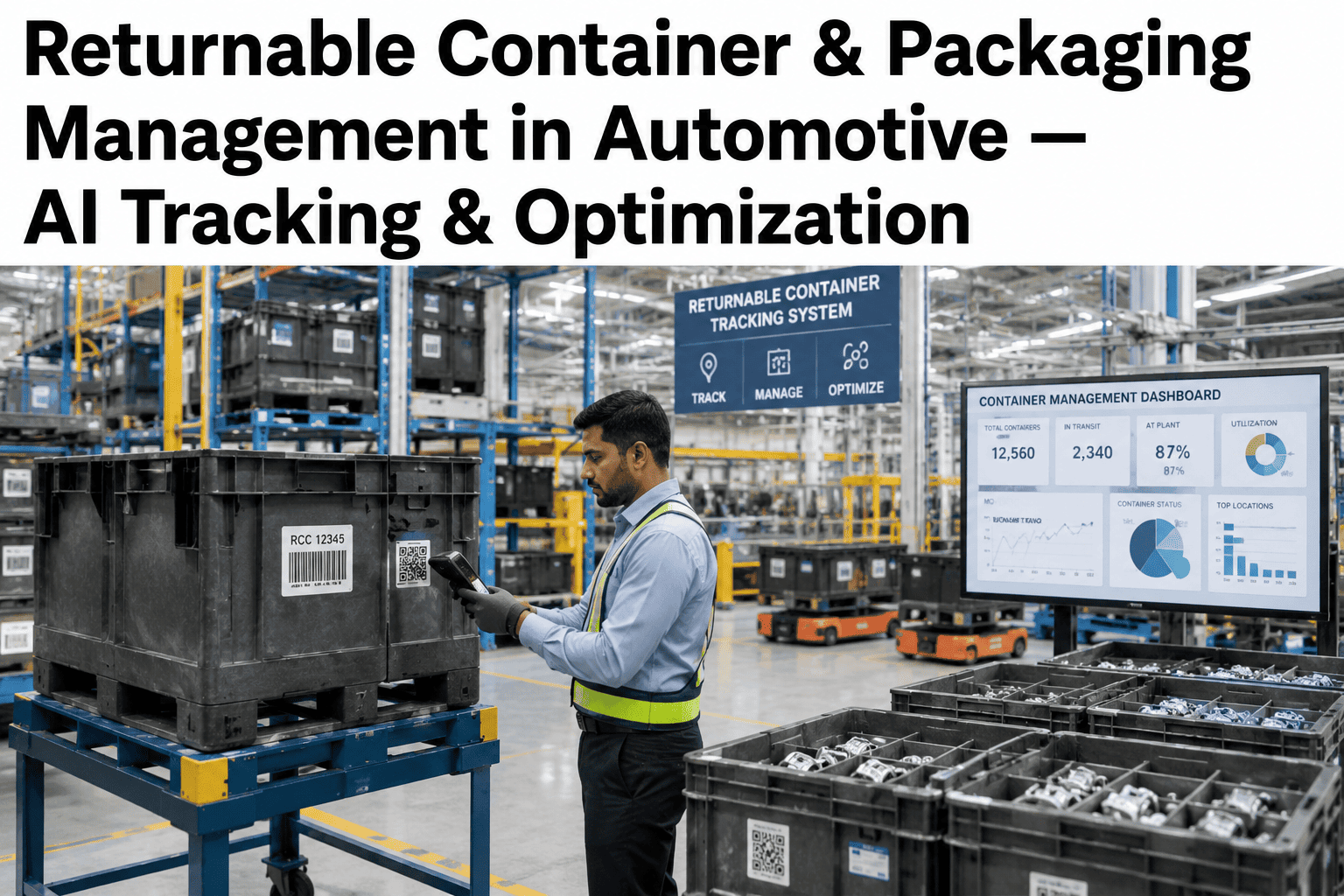
Severity mix, time-to-containment, recurrence rate, escape rate, and cost of poor quality update automatically as NCRs move through the workflow, rather than being reconstructed for a monthly report.
COMPLIANCE
Audit-Ready Records by Default
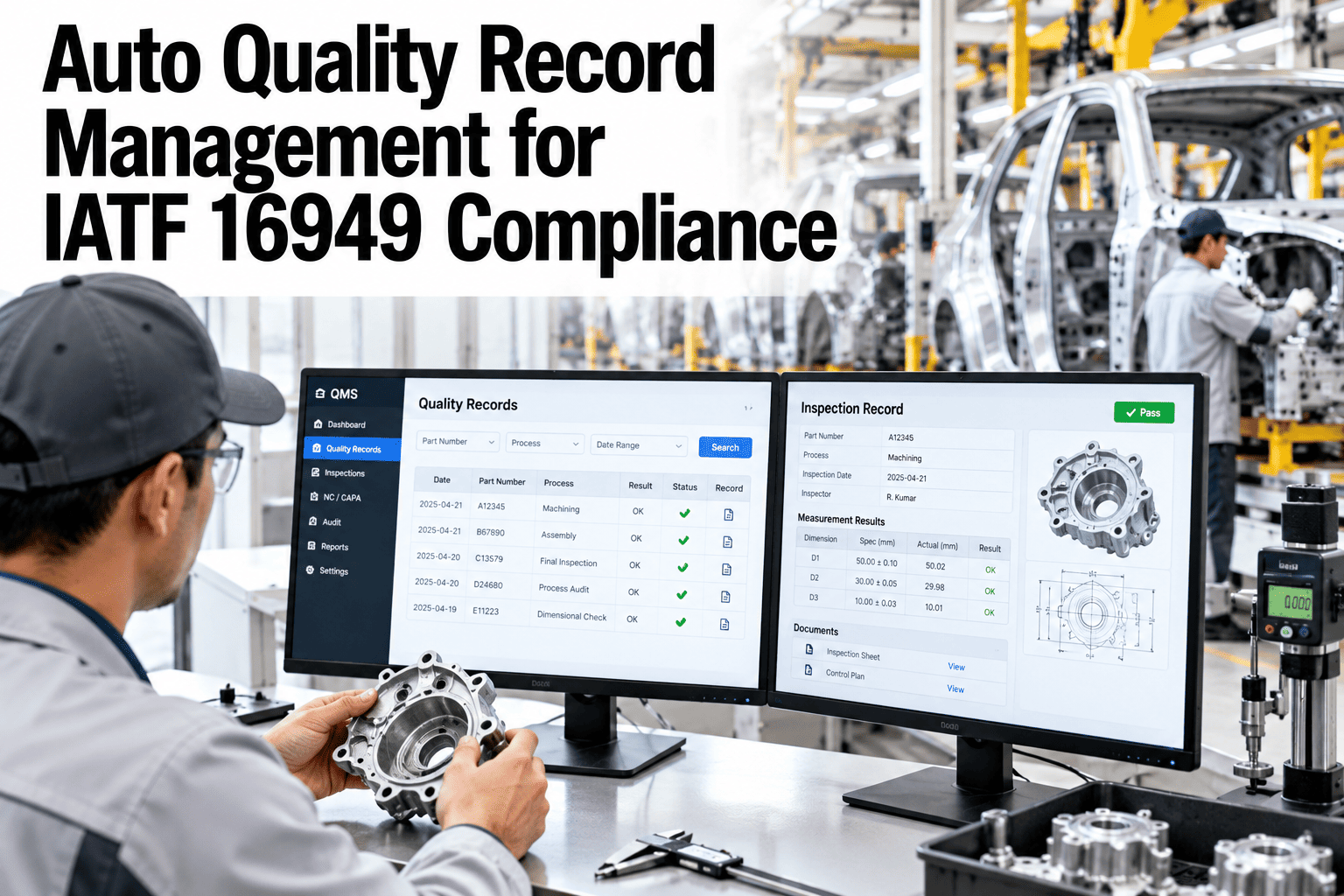
Every NCR carries a complete, timestamped trail from report through verified closure, formatted for ISO 9001 and IATF 16949 evidence without a separate reconstruction effort before an audit.
EXPERT REVIEW
Industry Perspective on Non-Conformance Management
Elena Vasquez
Director of Quality Systems · 19 years across automotive Tier 1 and Tier 2 suppliers · Former Corporate Quality Manager, Magna International
The metric I care about most isn't how many NCRs a plant generates, it's how long between detection and containment. I've seen plants with a beautiful CAPA closure rate that still had a two-day gap before the affected lot got put on hold, and that gap is where the real damage happens — it's the difference between three hundred suspect parts and three. When we moved to a system that auto-classified defects and pushed containment notifications immediately instead of routing through a supervisor's inbox, that gap dropped from hours to minutes, and the downstream cost of every NCR dropped with it, even though the number of NCRs we logged didn't change much at all.
FREQUENTLY ASKED QUESTIONS
Common Questions About NCR and Containment Management
What is the difference between containment and corrective action?
Containment is the immediate response that stops a known nonconformance from spreading further — placing a lot on hold, notifying shipping, segregating suspect stock — and it happens before the root cause is even known. Corrective action addresses the underlying cause so the nonconformance doesn't recur, and it typically follows a structured investigation such as 8D or 5 Whys. Confusing the two, or skipping containment while waiting to complete root cause analysis, is one of the more common gaps auditors flag, since IATF 16949 expects a documented reaction plan and containment step that doesn't wait on the full investigation.
How does an NCR system reduce quality escape risk?
Escape risk drops primarily by shrinking the time between detection and containment, since every hour a nonconformance goes uncontained increases the population of parts that could carry it downstream. A structured NCR system reduces that window through automated severity triage, immediate notification to production and shipping, and lot-hold enforcement that doesn't depend on a person manually remembering to flag every affected batch. Combined with genealogy and traceability data, it also narrows exactly which parts are affected, so containment doesn't have to default to a wider, more disruptive hold than necessary.
What counts as a supplier non-conformance versus an internal one?
A supplier non-conformance originates in incoming material or components — a dimensional issue, a documentation gap, a certificate of conformance mismatch — identified typically at receiving inspection or first use in production. An internal non-conformance originates within the plant's own process — a machining error, an assembly mistake, a process parameter drift. Both follow the same core NCR lifecycle, but supplier non-conformances typically also trigger a Supplier Corrective Action Request (SCAR) and feed into the supplier's quality scorecard, since the corrective action responsibility sits with the external supplier rather than the plant's own process engineering team.
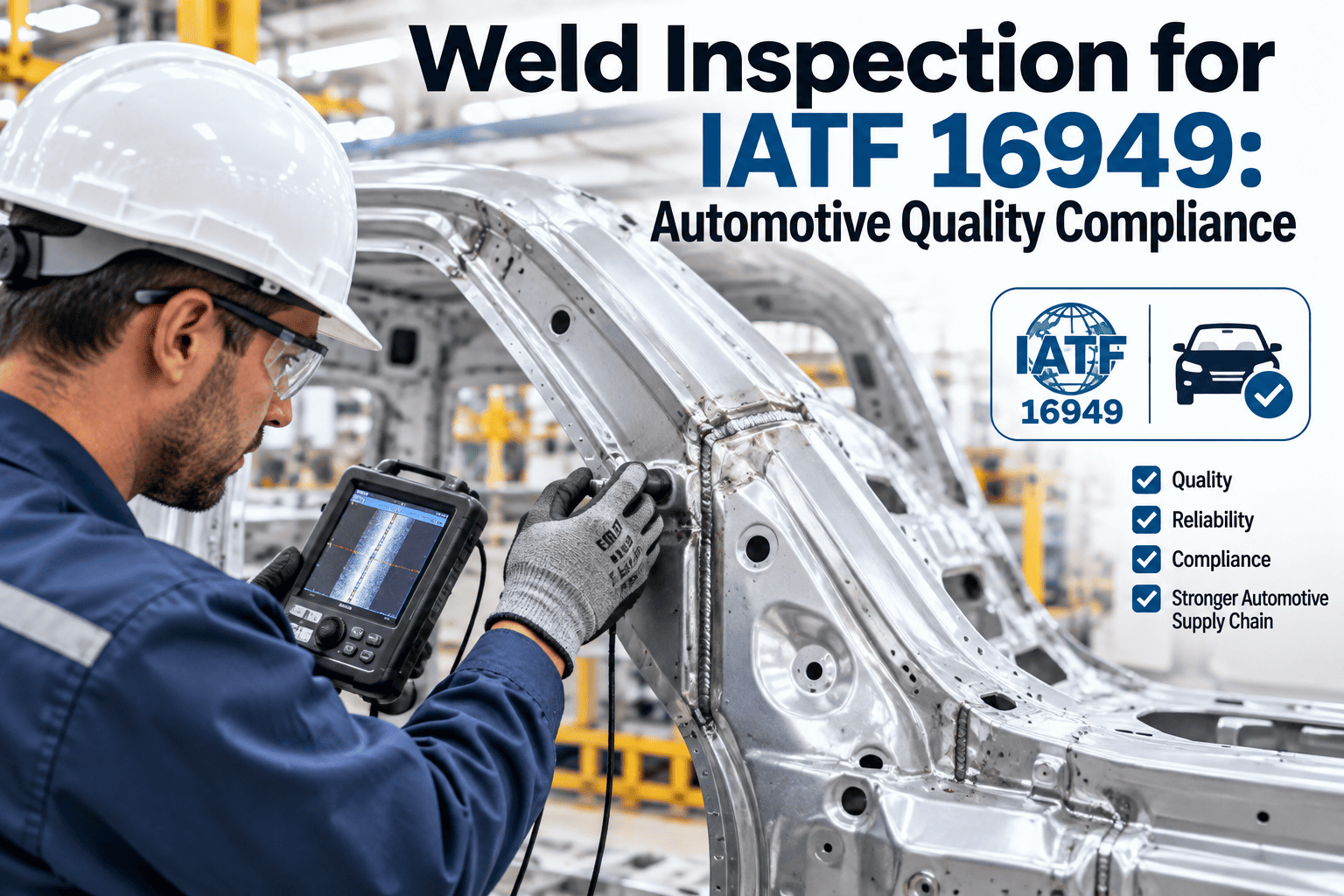
Does IATF 16949 require a specific root cause analysis method?
IATF 16949 requires a documented, effective root cause analysis and corrective action process but does not mandate one specific method by name — 8D, 5 Whys, and fishbone (Ishikawa) diagrams are all widely accepted and commonly used across automotive supply chains, and many customer-specific requirements reference 8D explicitly for supplier-facing corrective actions. What auditors generally look for is evidence that the root cause identified is the actual cause rather than a symptom, and that the corrective action's effectiveness was verified against real production data before the record was closed. Details on structuring an 8D response are covered in
iFactory's support library.
How is non-conformance data used beyond individual NCR closure?
Beyond closing individual records, aggregated NCR data drives trend analysis that identifies recurring defect types, chronic supplier issues, and process areas generating disproportionate cost of poor quality. This trend view is what typically prompts a broader improvement project rather than another one-off corrective action, and it's also the data customer audits and scorecards increasingly expect to see — not just individual closed NCRs, but evidence that the organization is using its own non-conformance history to prioritize prevention, not just reaction.
Turn Every NCR Into a Faster, Verified Closure
See how iFactory AI moves your team from Report to verified Close with automated containment, guided investigation, and audit-ready records at every step.