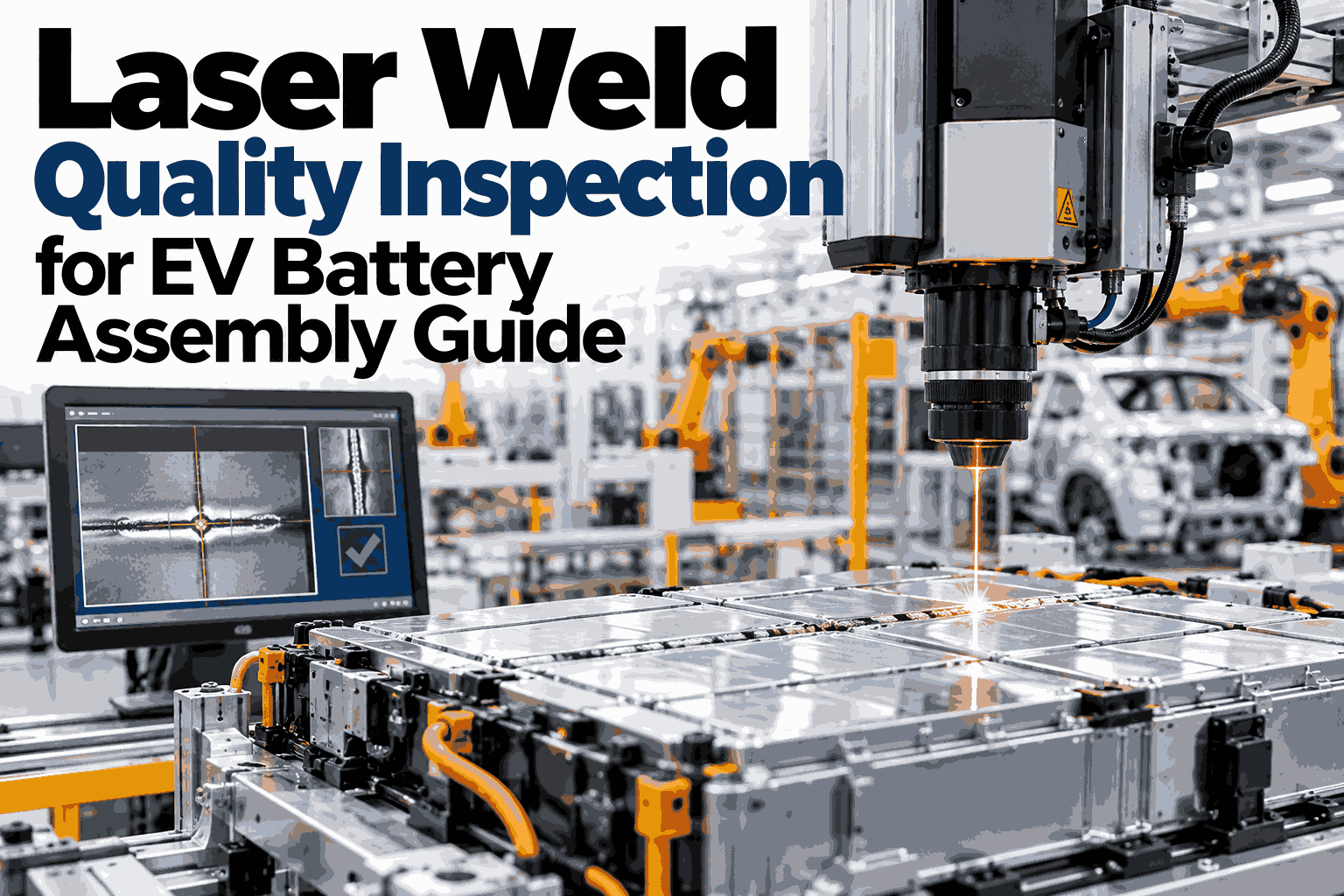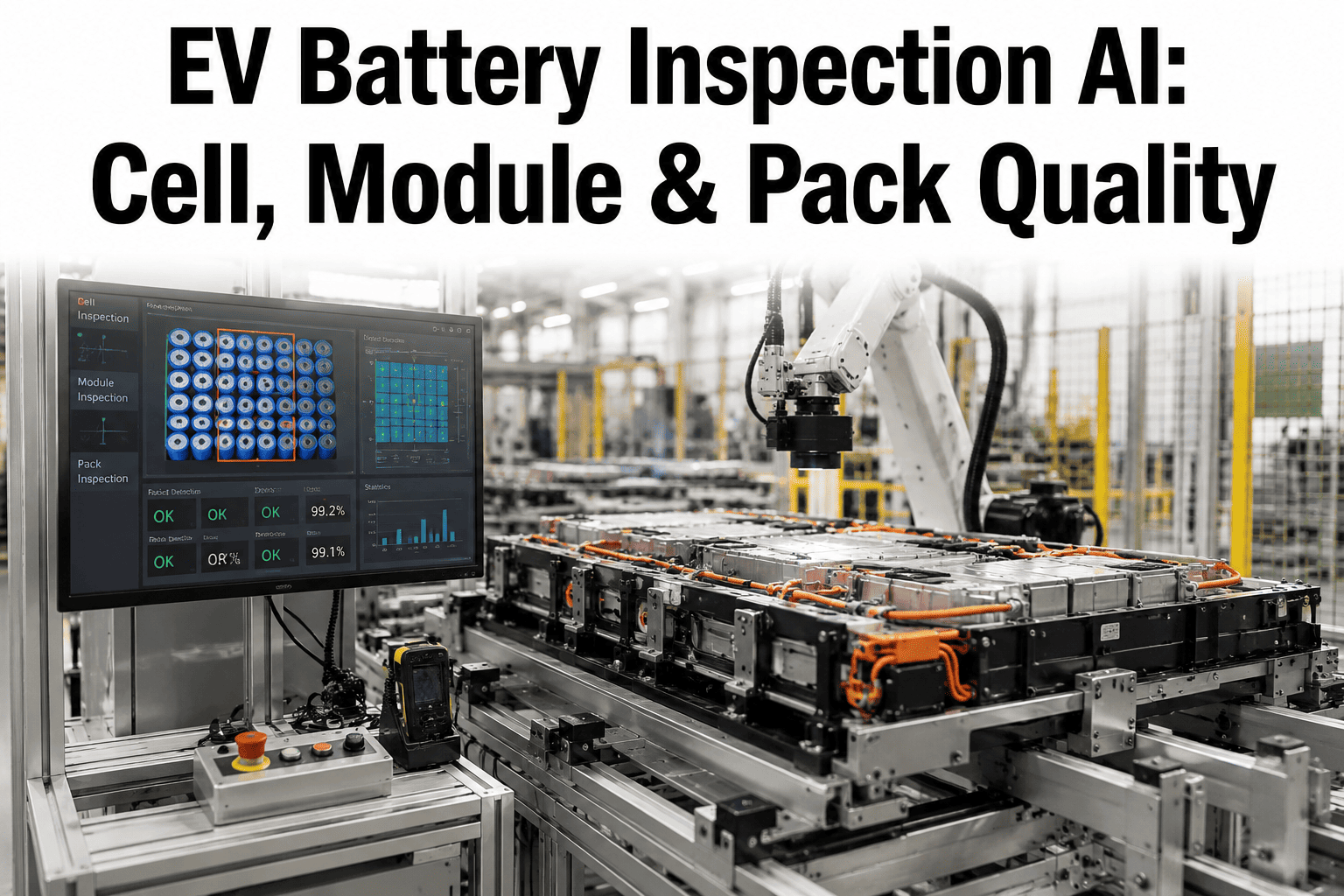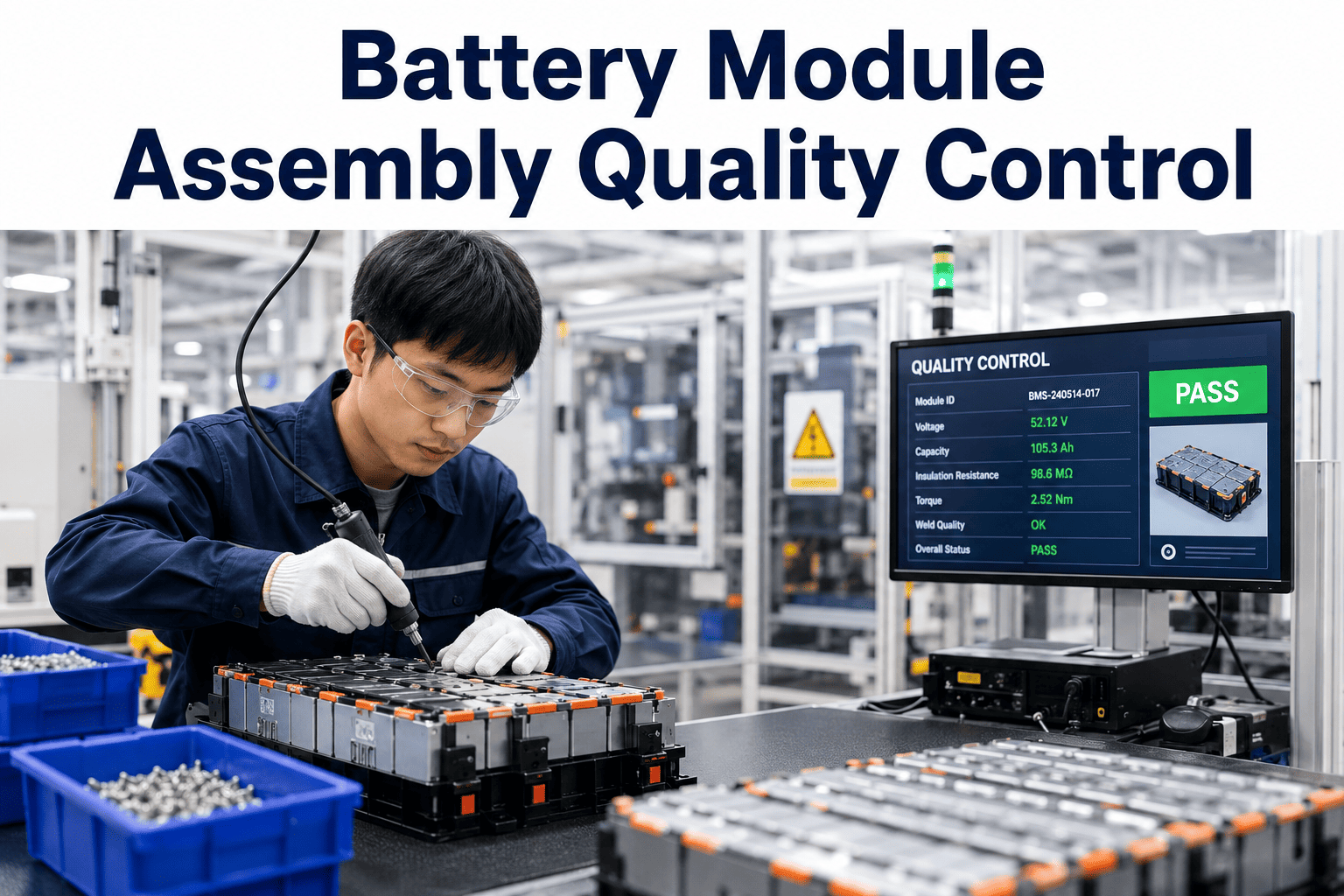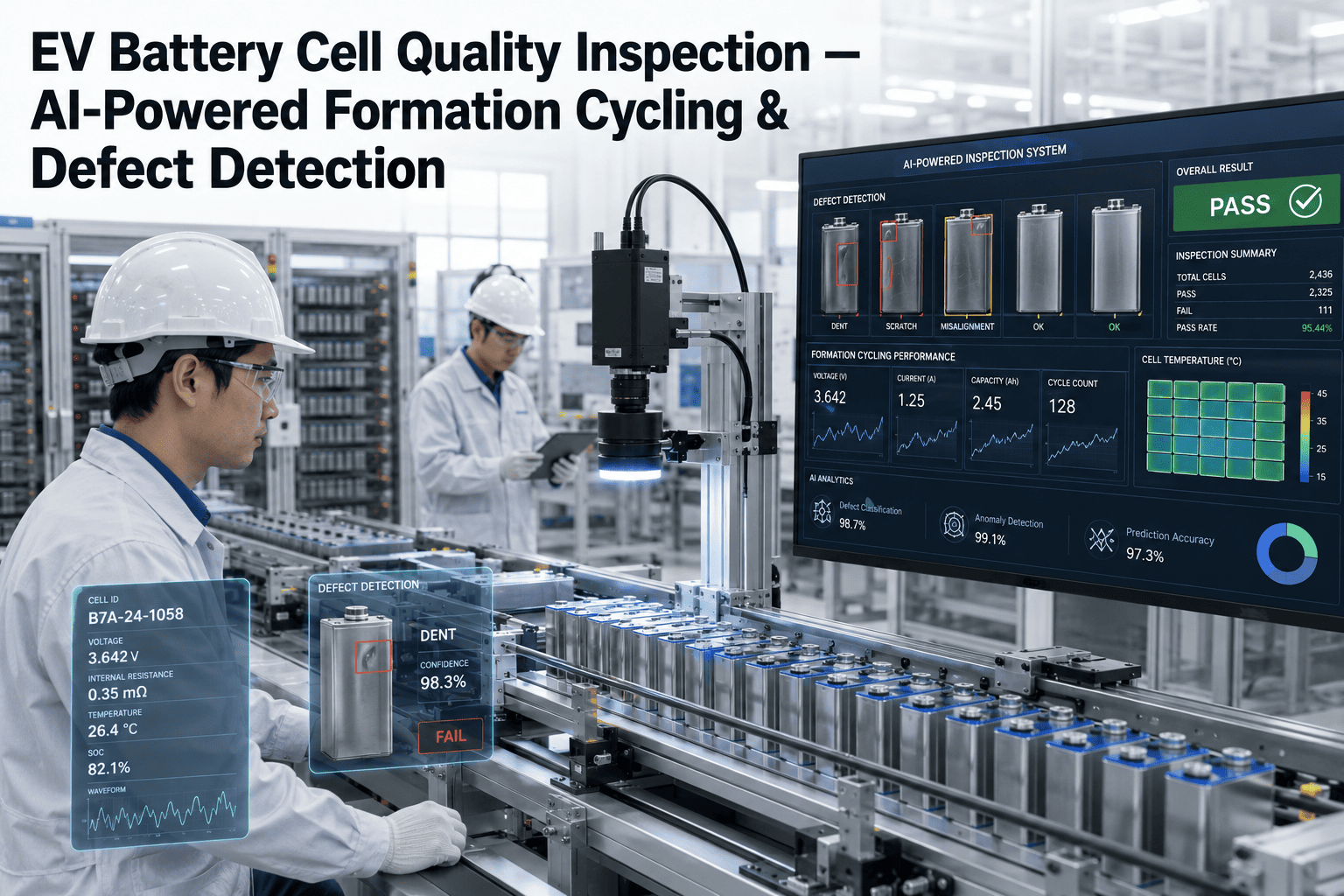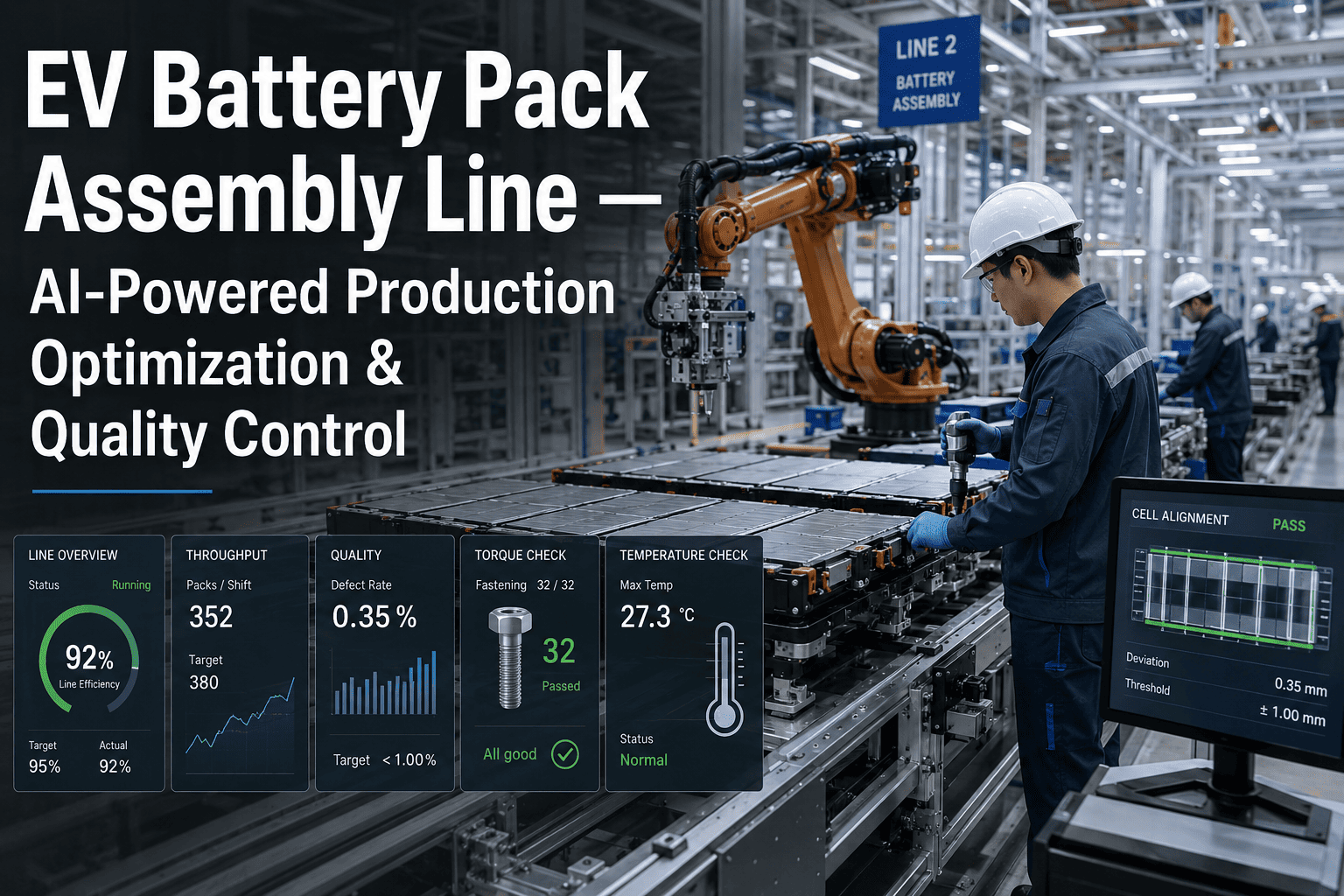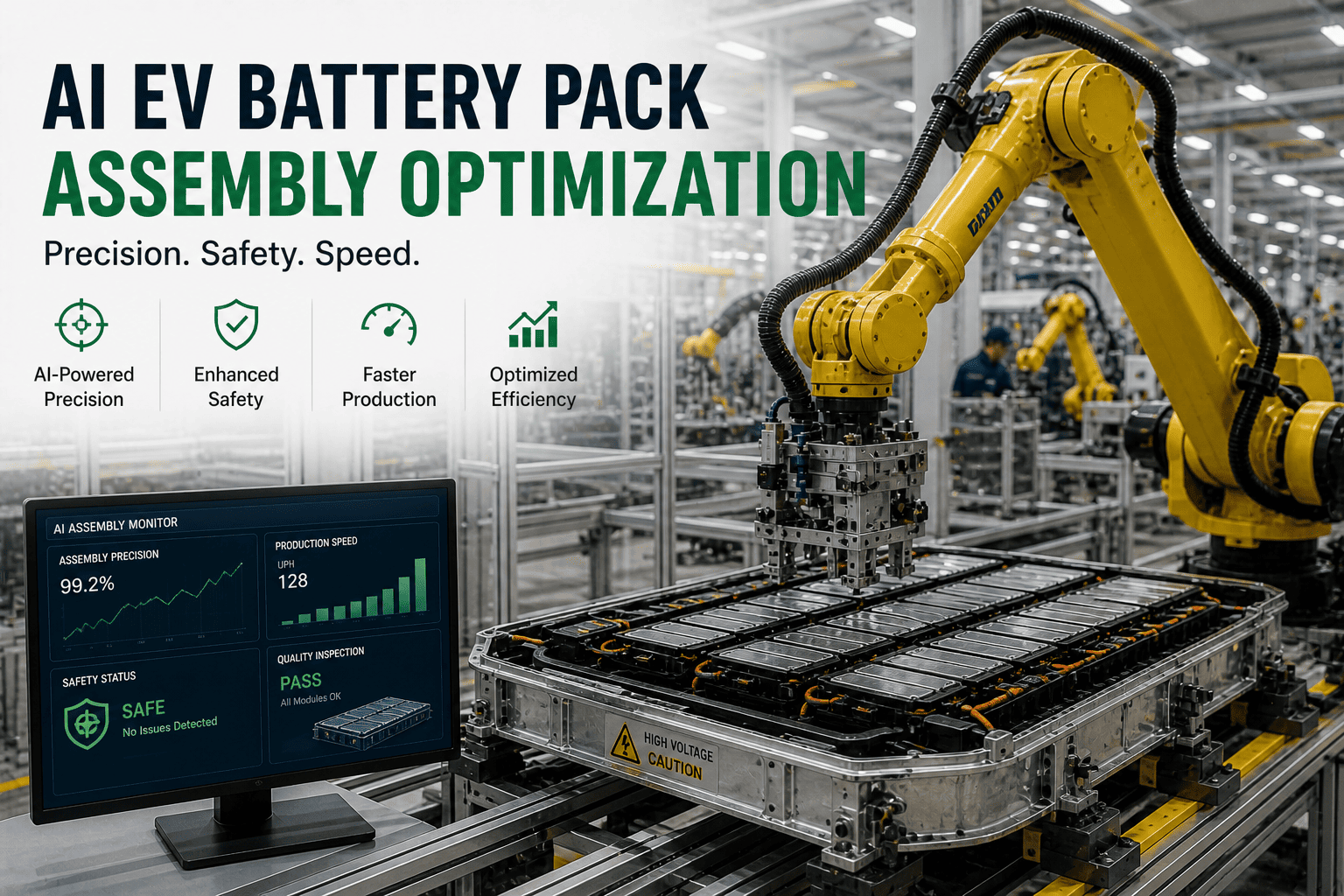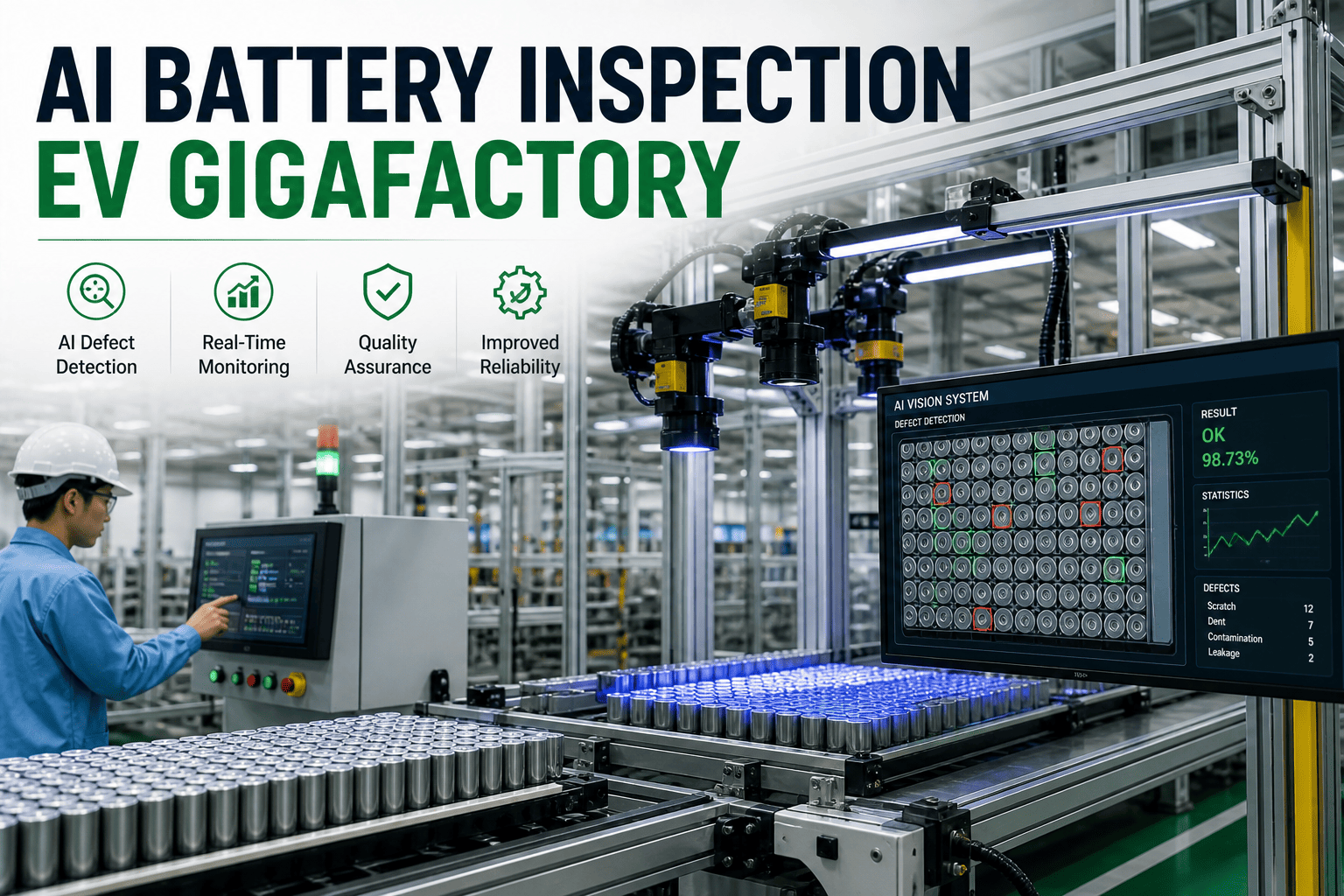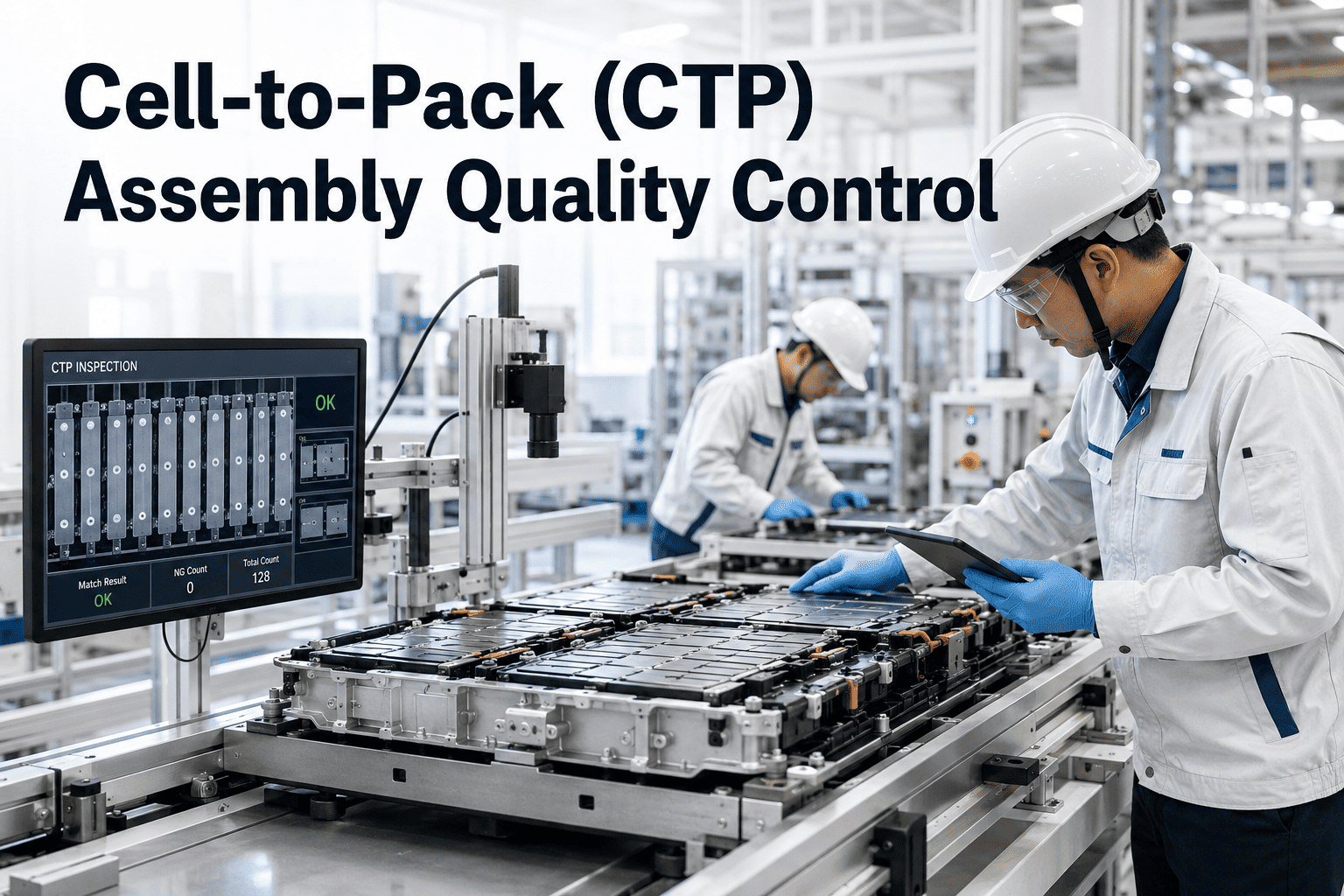
Cell-to-pack (CTP) assembly is revolutionizing EV battery manufacturing by eliminating intermediate module structures, directly integrating cells into the pack housing. This approach dramatically increases energy density—up to 20-30% more than conventional module-based designs—while reducing part count and assembly complexity. However, CTP introduces unprecedented quality control challenges: tighter tolerances for cell alignment, bonding integrity, and sealing precision are critical to prevent thermal runaway and ensure structural safety. Without traditional module-level buffers, any deviation in cell placement, adhesive application, or pack sealing can cascade into catastrophic failures. iFactory's AI-driven quality control platform addresses these challenges head-on, leveraging real-time computer vision, predictive analytics, and adaptive process controls to deliver flawless CTP assembly at scale. Our solution ensures that every cell is positioned within microns, every bond line meets exact specifications, and every seal is hermetically perfect. Book a Demo to see how we transform your CTP line into a zero-defect operation.
Ready to Achieve Zero-Defect CTP Assembly?
Unlock the full potential of your CTP line with AI-powered precision. Our experts are ready to demonstrate how iFactory can reduce defects and maximize yield.
The CTP Quality Imperative: Why Traditional QC Fails
Conventional battery assembly relies on modules as intermediate inspection points, allowing for rework and sorting before final pack integration. CTP design eliminates these buffers, meaning any defect introduced during cell placement, bonding, or sealing directly impacts the final pack's safety and performance. Traditional quality control methods—manual visual inspection, periodic sampling, and offline metrology—are too slow, inconsistent, and reactive for CTP's demands. For example, a single misaligned cell in a blade battery pack can cause uneven pressure distribution, leading to internal short circuits during cycling. Similarly, an incomplete adhesive bond line can result in mechanical failure under vibration, compromising structural integrity. iFactory's AI-driven platform replaces these outdated methods with continuous, real-time monitoring and adaptive control, ensuring every process step meets exact specifications.
Cell Alignment Precision
AI vision systems measure cell positions to within 0.01mm, detecting micro-shifts that cause stress concentrations. Real-time feedback adjusts placement robots to maintain perfect alignment across thousands of cells per pack.
Bonding Integrity
Thermal and structural adhesives are critical in CTP designs. AI monitors dispense volume, pattern, and cure state using hyperspectral imaging, flagging anomalies before they compromise the pack.
Sealing Hermeticity
Pack sealing must prevent moisture ingress and gas egress. AI-driven leak detection and seal profile analysis ensure every joint meets IP67 standards, reducing warranty claims and field failures.
Structural Integrity
CTP packs act as structural members of the vehicle. AI analyzes bond line strength, cell-to-cell gap uniformity, and housing deformation to guarantee mechanical performance under crash loads.
AI-Enabled CTP Assembly Workflow
Incoming Cell Inspection
AI scans every cell for dimensional, surface, and electrical anomalies, rejecting out-of-spec units before they enter the assembly line.
Precision Placement
Computer vision guides robotic arms to place cells with micron-level accuracy, adjusting for thermal expansion and fixture tolerances.
Adhesive Application
AI controls dispense parameters in real time, ensuring uniform bond lines and preventing voids or excess material.
Curing & Bond Verification
Hyperspectral imaging and ultrasonic testing validate bond strength and cure state, flagging weak bonds for immediate rework.
Sealing & Leak Testing
AI-driven leak detection systems perform 100% hermeticity testing, identifying micro-leaks that manual methods miss.
Final Pack Validation
Comprehensive AI analysis of all assembly data generates a digital twin of the pack, ensuring traceability and compliance with safety standards.
CTP Quality Metrics: AI vs. Traditional Methods
| Metric | Traditional QC | iFactory AI |
|---|---|---|
| Alignment Accuracy | ±0.5 mm | ±0.01 mm |
| Bond Line Inspection | Sample-based (5%) | 100% inline |
| Leak Detection Sensitivity | 10^-3 mbar·L/s | 10^-6 mbar·L/s |
| Defect Detection Rate | 85% | 99.97% |
| Inspection Cycle Time | 30 sec/cell | 0.5 sec/cell |
| False Rejection Rate | 5% | <0.1% |
Overcoming CTP Assembly Challenges with AI
CTP assembly introduces unique challenges that require sophisticated AI solutions. One major issue is cell-to-cell gap variation caused by thermal expansion during operation. iFactory's AI models predict these variations and adjust placement parameters in advance, maintaining uniform gaps that prevent hot spots and mechanical stress. Another challenge is adhesive bond line control: traditional methods often result in voids or inconsistent thickness, leading to weak spots. Our AI uses real-time 3D profilometry to measure bond geometry and adjust dispense speed and pressure dynamically, ensuring perfect coverage every time. Additionally, sealing CTP packs is critical for safety. AI-powered acoustic emission analysis detects micro-cracks in weld seams and gasket interfaces that are invisible to the naked eye, preventing moisture ingress that could cause short circuits. By integrating these AI capabilities into a unified platform, iFactory enables manufacturers to achieve the high yields and reliability essential for mass production of CTP batteries.
Transform Your CTP Line with AI Precision
Stop relying on outdated QC methods that can't keep up with CTP demands. iFactory's AI platform delivers the accuracy and speed you need to scale production confidently.
Key Benefits of AI-Driven CTP Quality Control
Zero-Defect Manufacturing
Achieve defect rates below 10 ppm with real-time detection and correction of anomalies throughout the assembly process.
Increased Throughput
Eliminate offline inspection bottlenecks. AI processes data at line speed, enabling 100% inspection without slowing production.
Reduced Rework Costs
Early detection of issues prevents costly rework at the pack level. AI identifies problems at the cell level, where correction is simple.
Enhanced Safety Compliance
Meet stringent safety standards (UN38.3, IEC 62660) with comprehensive traceability and auditable quality data for every pack.
Predictive Maintenance
AI monitors equipment health and predicts failures before they cause downtime, ensuring consistent quality across shifts.
Scalable to High Volume
Whether producing 10,000 or 100,000 packs per year, iFactory's cloud-based platform scales seamlessly without compromising performance.
Frequently Asked Questions
What is cell-to-pack (CTP) assembly and why is it important?
Cell-to-pack (CTP) assembly is a battery manufacturing approach where individual cells are directly integrated into the pack housing without intermediate modules. This design increases energy density by 20-30%, reduces part count by up to 50%, and simplifies assembly. It's critical for achieving longer EV range and lower cost per kWh. However, CTP demands extremely tight tolerances and robust quality control because any defect directly affects pack safety. iFactory's AI platform provides the precision needed to make CTP viable at scale. Learn more about our CTP solutions.
How does AI improve bonding quality in CTP battery packs?
AI improves bonding quality by using real-time computer vision and hyperspectral imaging to monitor adhesive application, flow, and cure state. The system detects voids, inconsistent thickness, and incomplete coverage that human inspectors miss. It also provides closed-loop feedback to dispensing robots, adjusting parameters on the fly to maintain optimal bond geometry. This results in bond lines that meet exact specifications for strength and thermal conductivity, critical for structural and thermal management in CTP packs. Contact our support team for technical details.
Can AI detect micro-cracks in CTP pack seals?
Yes, AI-powered acoustic emission analysis and vision systems can detect micro-cracks and seal defects that are invisible to the naked eye. These systems analyze sound signatures and seal profiles in real time, identifying anomalies that could lead to moisture ingress or gas leakage. By catching these issues early, manufacturers can rework seals before the pack is completed, avoiding costly field failures and safety recalls. Book a demo to see this technology in action.
What are the typical quality metrics for CTP assembly?
Typical quality metrics include cell alignment accuracy (target ±0.01mm), bond line thickness (0.5-1.0mm), seal leak rate (<10^-6 mbar·L/s), and overall defect rate (<10 ppm). iFactory's AI platform monitors all these metrics in real time, providing dashboards and alerts to operators. The system also generates comprehensive quality reports for each pack, ensuring full traceability for compliance with automotive and safety standards. Download our quality metrics white paper.
How does iFactory's AI platform integrate with existing CTP assembly lines?
iFactory's platform integrates seamlessly with existing equipment via standard industrial protocols (OPC UA, MQTT, Modbus). It can be deployed as a cloud-based or on-premises solution, with minimal disruption to ongoing production. The AI models are trained on your specific cell types and assembly processes, ensuring high accuracy from day one. Our team provides full support for integration, calibration, and ongoing optimization. Schedule a consultation to discuss your integration needs.
Don't Let Quality Hold Back Your CTP Production
Join leading EV manufacturers who trust iFactory to deliver flawless CTP assembly. Our AI platform is proven to reduce defects, increase yield, and accelerate time-to-market.