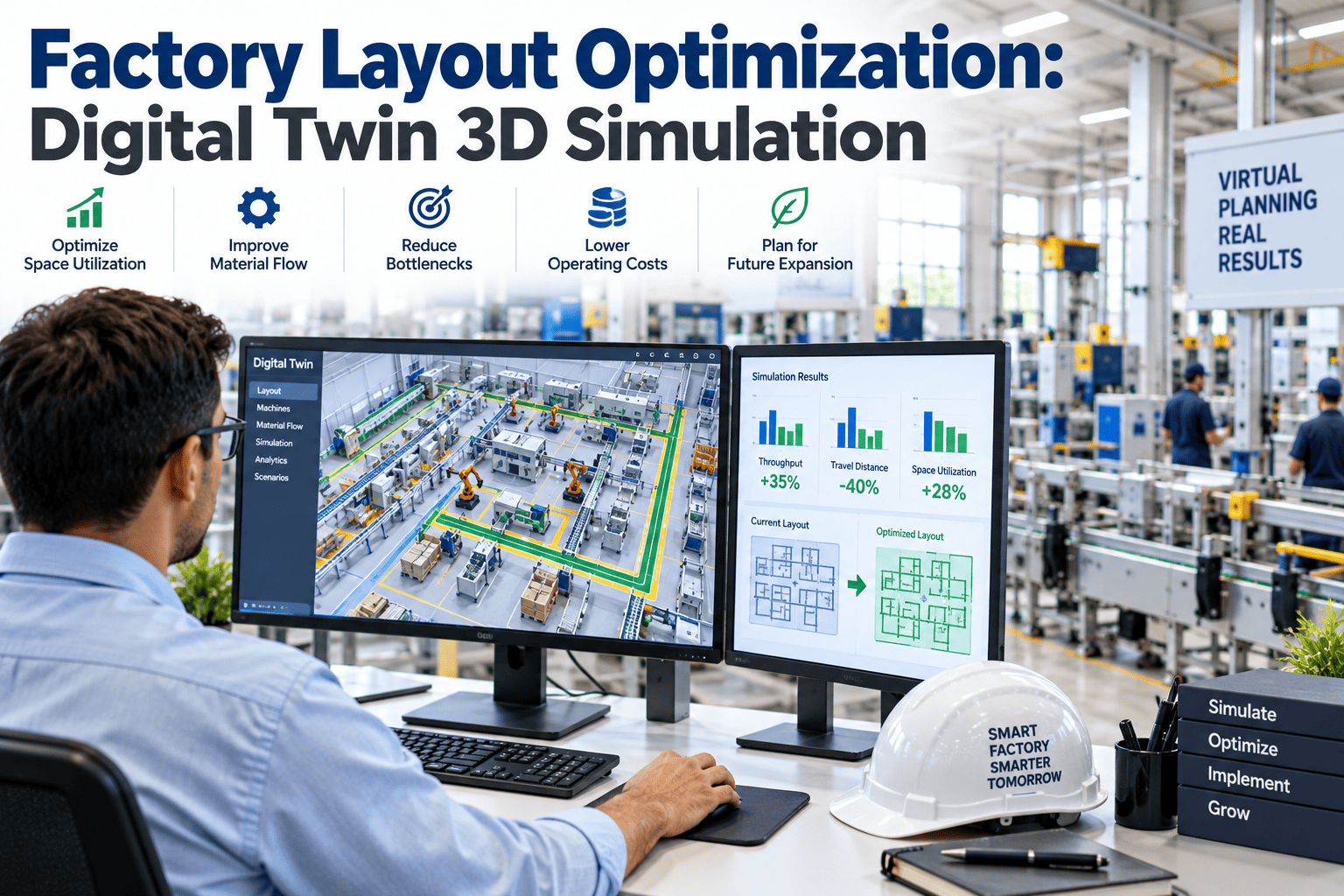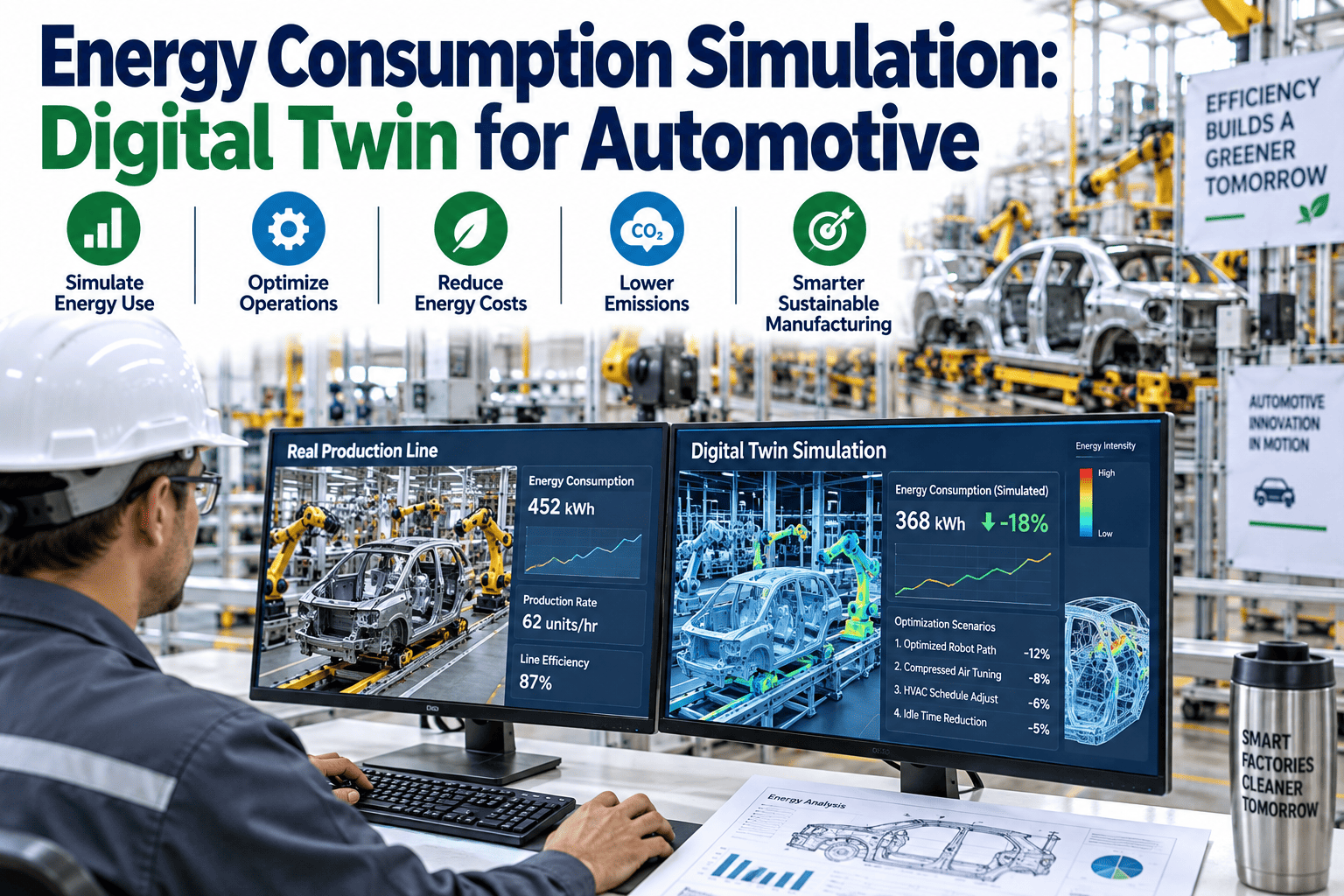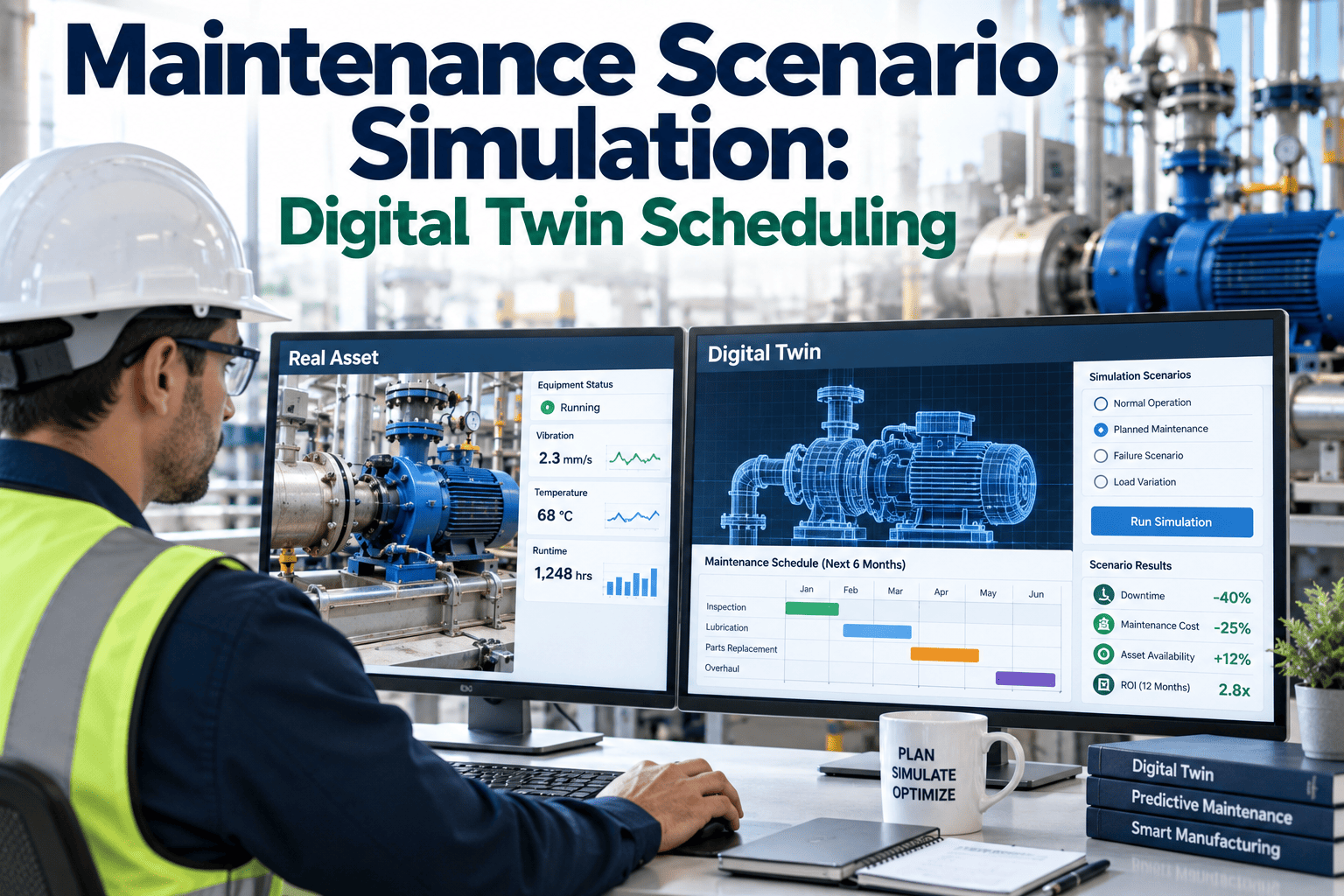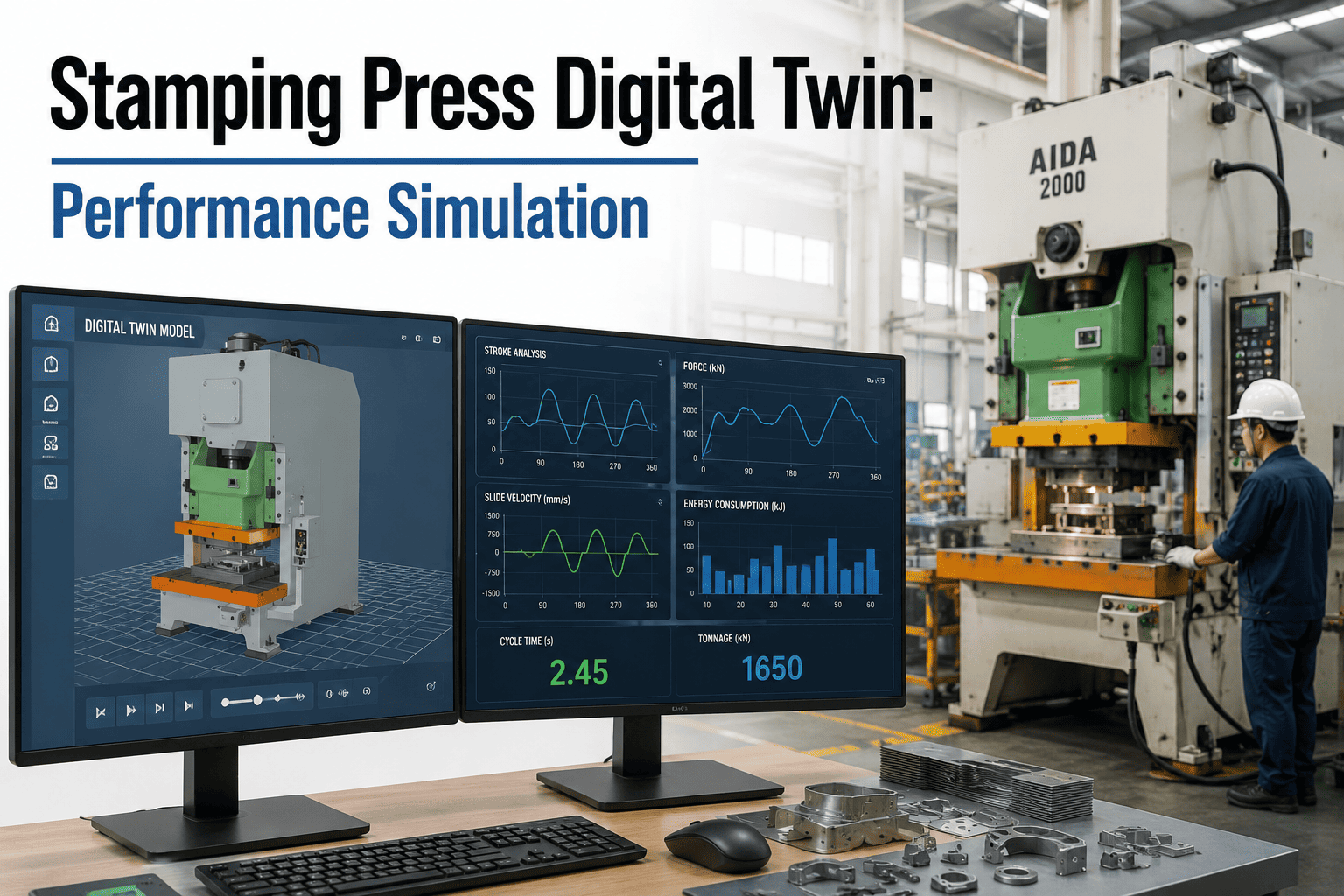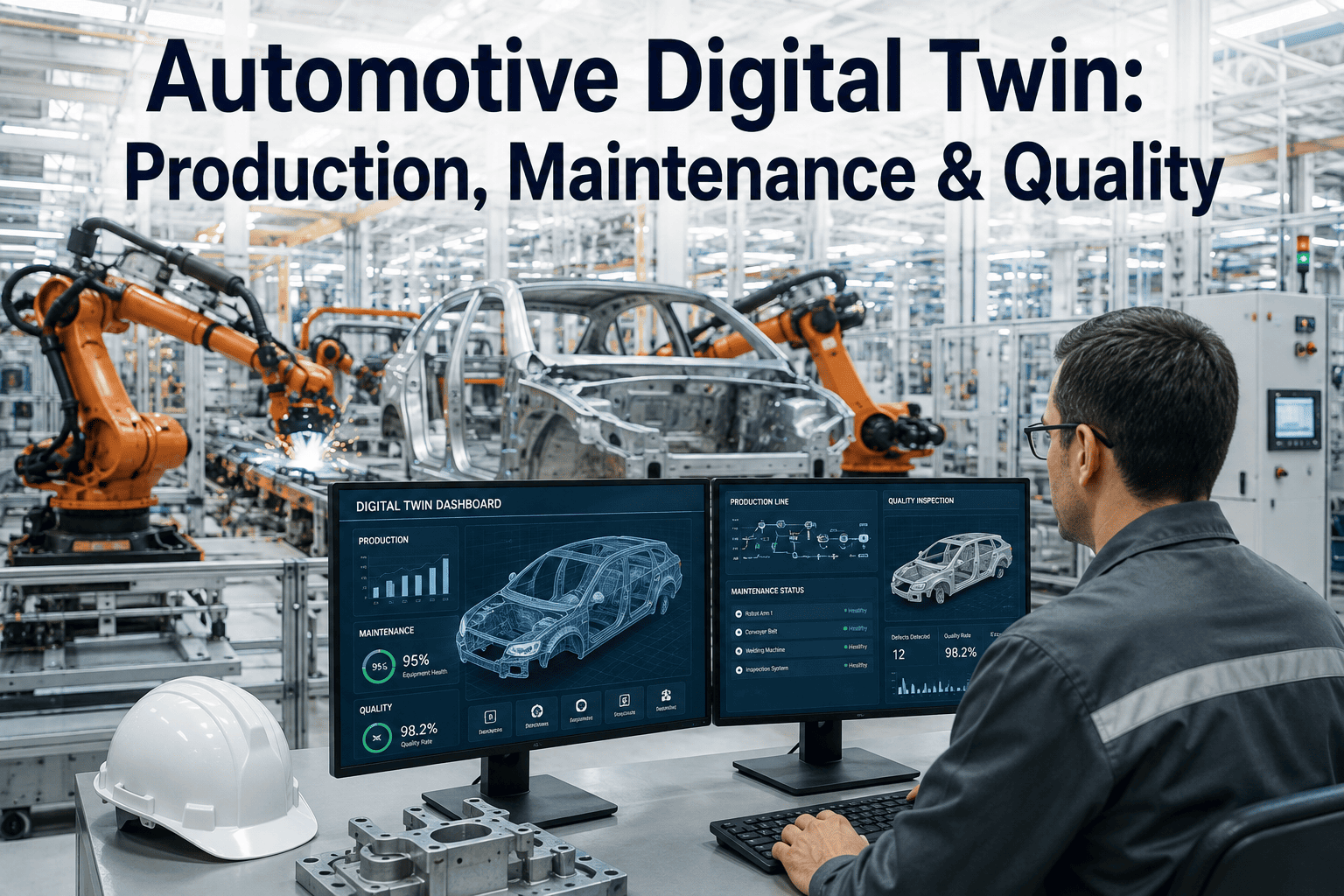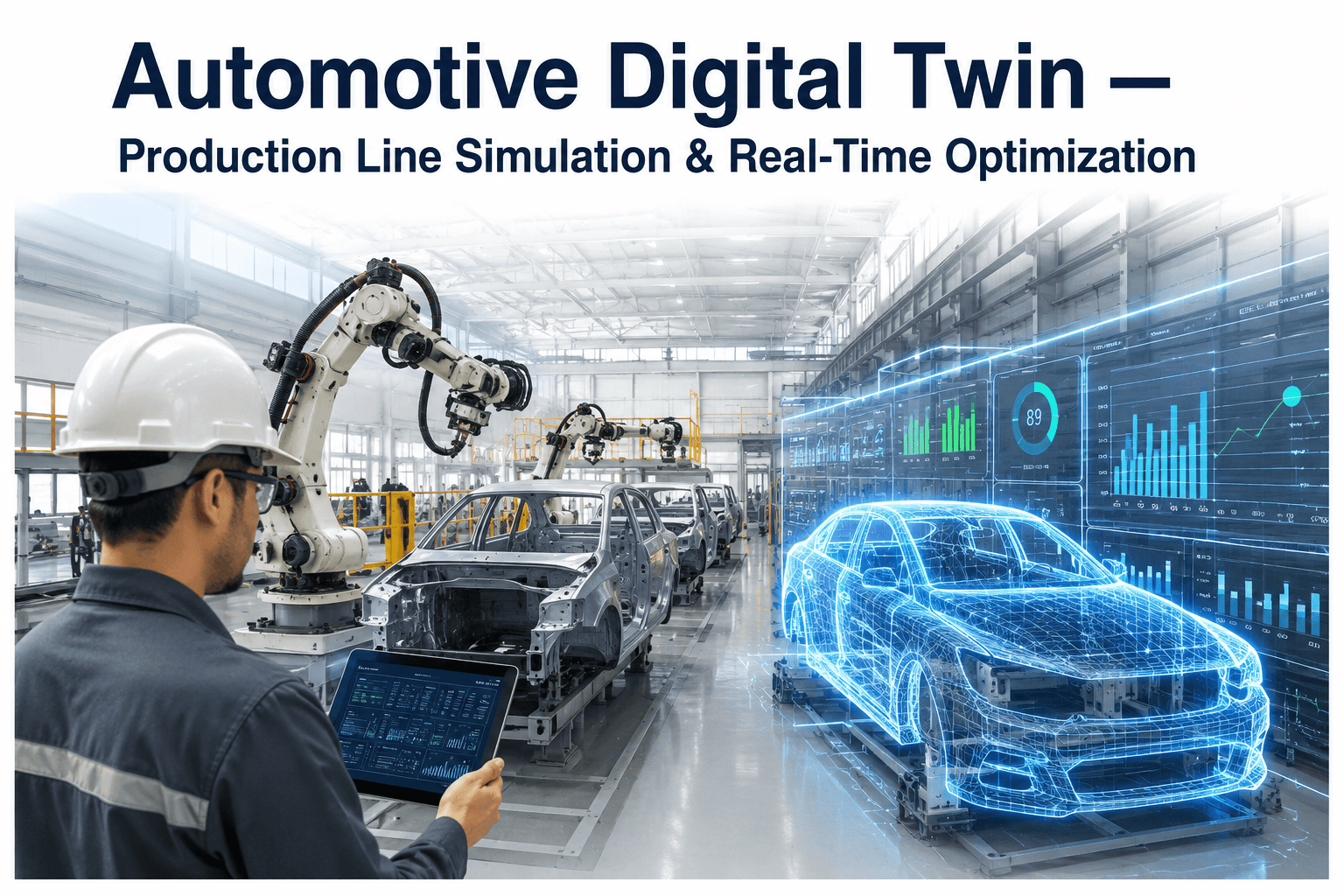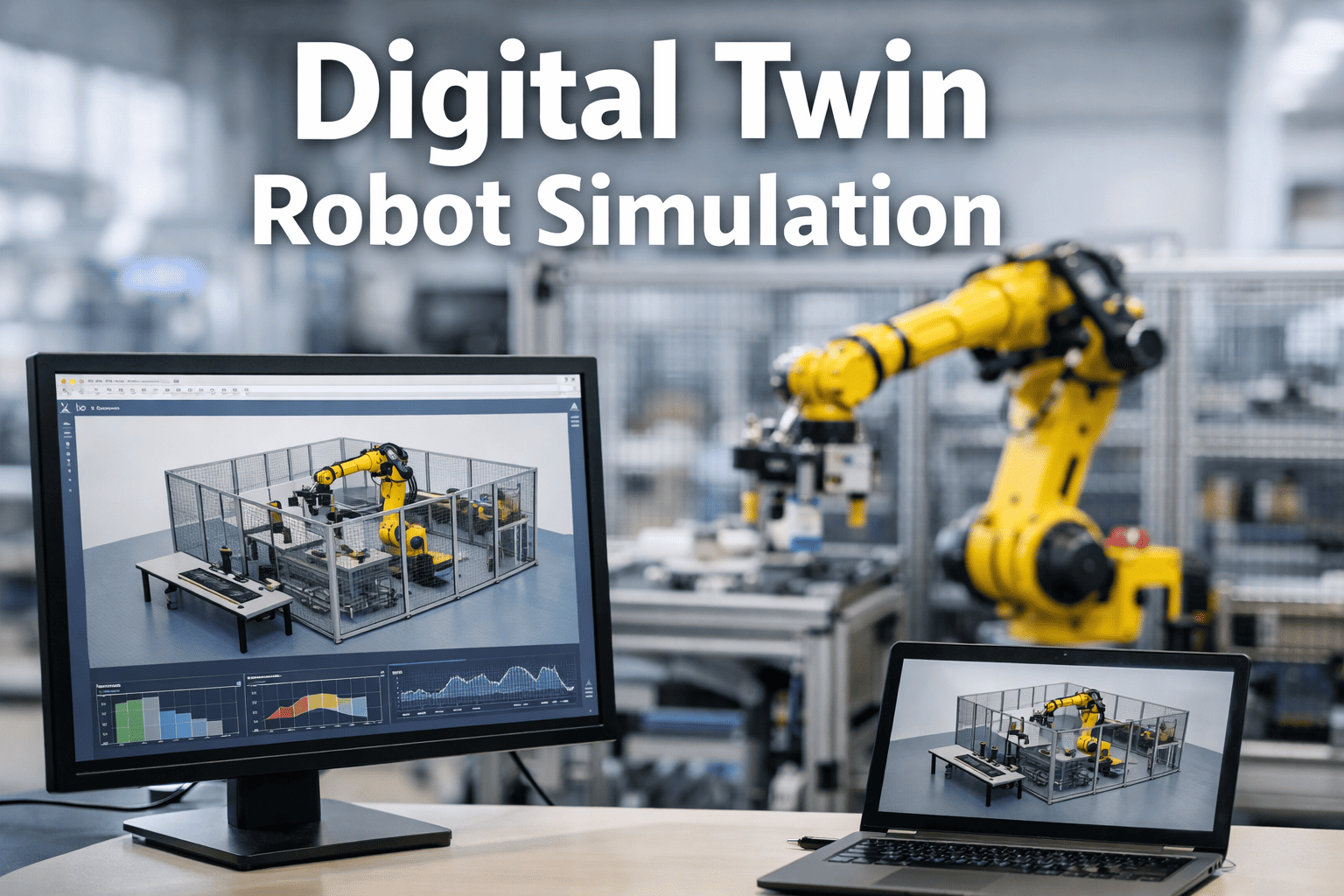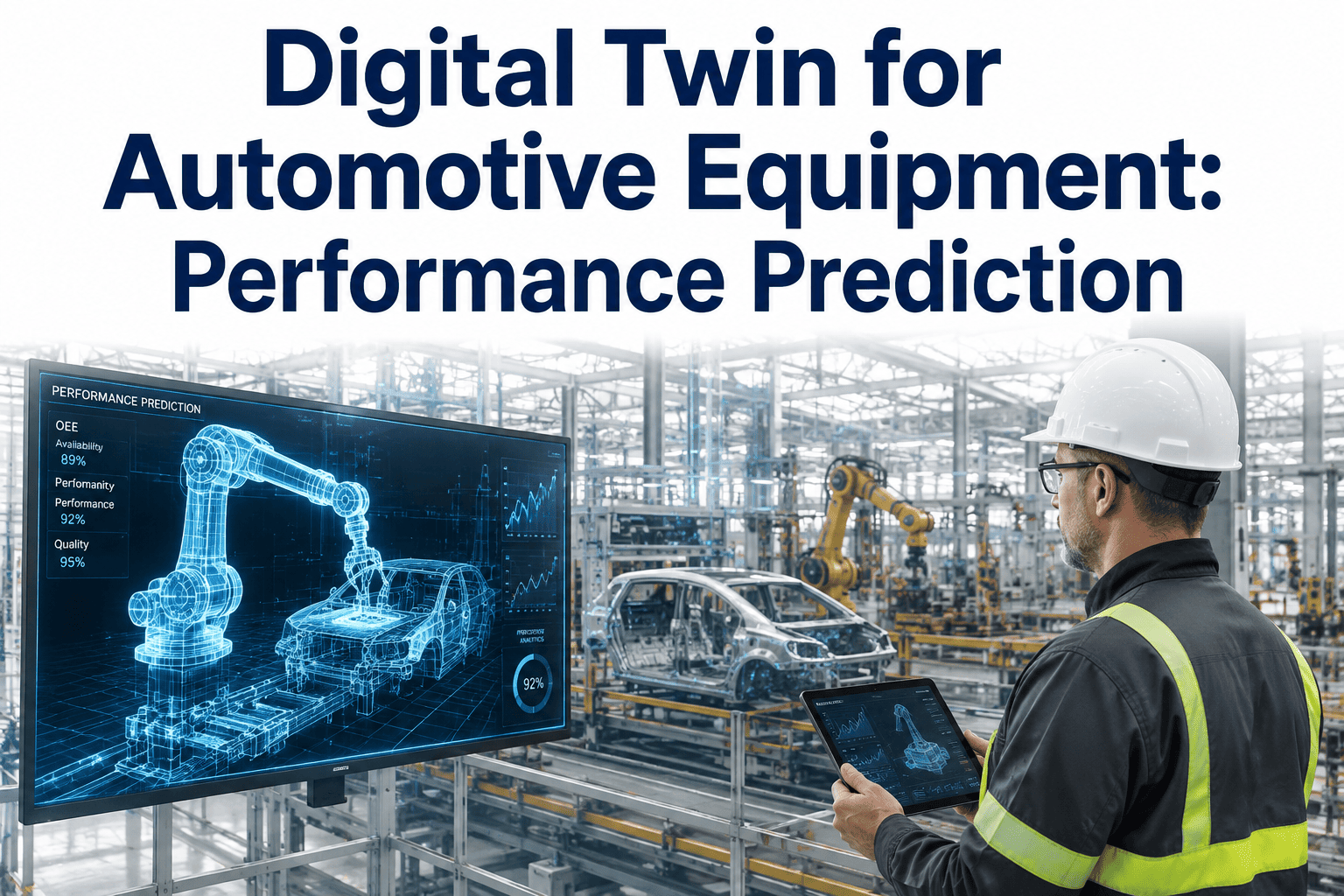
Testing a new maintenance schedule, a different production sequence, or a change in robot programming on a live automotive line means risking real production time and real scrap on an experiment that might not even work, which is exactly why most plants never actually test their assumptions and instead run on inherited schedules and gut-feel adjustments that nobody has validated in years. A digital twin removes that risk by giving engineers a working simulation of the actual robots, presses, and CNC machines on the line, accurate enough to answer what-if questions before anything changes on the real equipment. It's the difference between guessing whether a maintenance interval change will help and actually knowing, in simulation, before committing real production time to find out. Book a session with iFactory's digital twin team to see what a working twin of your equipment could answer for your plant.
Automotive · Digital Twin & Performance Prediction
Digital Twin Simulation for Automotive Equipment Performance Prediction
Simulate robots, presses, and CNC machines before changing anything on the real line. Here is how digital twins turn maintenance and process decisions from guesswork into tested outcomes.
What a Digital Twin Actually Is
More Than a 3D Model — A Living Performance Simulation
A digital twin is not simply a static CAD model rendered in 3D — it is a simulation continuously fed by real operating data from the physical equipment, meaning the twin's predicted behavior stays grounded in how the actual machine is actually performing right now, not how it performed when the model was first built.
Physical Equipment
Robots, presses, and CNC machines generate continuous operating data — cycle times, load, vibration, temperature — throughout normal production.
Live Data Sync
That operating data continuously updates the twin's model, keeping the simulation calibrated to the equipment's real current condition rather than a fixed snapshot.
Simulated Scenarios
Engineers run what-if scenarios against the calibrated twin — different maintenance intervals, different sequences, different loads — before touching the real machine.
See a Twin Built From Your Own Equipment Data
Watch a Digital Twin Predict Real Equipment Performance
A working session shows how a digital twin calibrated to your actual robots and presses can answer specific what-if questions your team already has.
What-If Questions Twins Answer
Four Decisions Plants Test in Simulation First
"What happens if we extend this press's maintenance interval by two weeks?"
The twin simulates accumulated wear and predicted failure probability under the extended interval, showing the risk before it becomes a real production gamble.
"Can this robot handle a faster cycle time without exceeding its duty cycle limits?"
Simulated load and thermal behavior at the proposed cycle time reveal whether the change is sustainable or will trigger premature component wear.
"What's the impact of adding a new product variant to this line's sequencing?"
The twin models how the added variant's cycle time and tooling changes ripple through the sequence before any real changeover is scheduled.
"How much throughput would a second shift of preventive maintenance actually buy us?"
Comparative simulation quantifies the throughput and reliability trade-off, turning a maintenance staffing decision into a data-backed business case.
Why It Pays Off
What Changes When Decisions Get Tested Before They're Made
No Production Risk From Testing
Experiments happen in simulation, so a bad hypothesis costs nothing in real scrap or downtime.
Faster Iteration on Process Changes
Engineers test many scenarios in the time it would take to physically trial just one on the real line.
Data-Backed Maintenance Decisions
Maintenance interval changes get validated against predicted wear behavior instead of relying on inherited rules of thumb.
Better Cross-Team Alignment
A shared simulation gives engineering, maintenance, and production a common reference point for evaluating proposed changes together.
Field Perspective
The most common misconception about digital twins is treating them as a visualization project rather than a decision-making tool. A pretty 3D rendering of a press line that nobody actually queries for what-if answers isn't delivering the real value a twin can offer. The plants getting genuine payback are the ones who built the habit of asking the twin a specific question before making a real change — testing the maintenance interval extension in simulation first, testing the sequencing change in simulation first — and treating the simulation's answer as a real input to the decision, not just an interesting side project running alongside the actual work.
Bartholomew Nakashima-Ferreira
Digital Twin Solutions Architect · 10 years building equipment simulation systems for automotive manufacturing · Former Simulation Engineer, industrial automation OEM
Common Questions
Digital Twin Performance Prediction — Frequently Asked
How accurate is a digital twin's prediction compared to what actually happens on the real equipment?
Accuracy depends on how well the twin is calibrated with real operating data, and a properly calibrated twin fed with continuous sensor data typically tracks real equipment behavior closely enough to support confident decision-making, though it should be periodically validated against actual outcomes. Book a demo to review calibration methodology for your equipment.
Do we need extensive historical data before a digital twin can be built for our equipment?
A useful twin can often start with a shorter operating history and improve in accuracy as more real data accumulates, so plants don't need years of historical data before getting initial value from a twin. Book a demo to discuss data requirements for your specific equipment.
Which equipment types benefit most from digital twin simulation?
Equipment with complex wear patterns, high replacement cost, or significant downstream impact when it fails — robots, stamping presses, and CNC machines — tend to offer the clearest return on twin investment. Book a demo to identify the best starting equipment for your plant.
Can a digital twin integrate with our existing maintenance and production scheduling systems?
Yes — twin-generated predictions and recommendations can feed directly into existing CMMS and production scheduling tools, so simulated insights translate into real scheduled actions rather than sitting in a separate standalone system. Book a demo to review integration options with your current systems.
How long does it take to build and calibrate a digital twin for a production line?
Timelines vary with equipment complexity, but an initial working twin for a defined piece of equipment is commonly achievable within several weeks, with ongoing calibration improving accuracy over the following months as more operating data accumulates. Book a demo to scope a realistic timeline for your line.
Test Before You Change, Not After
Build a Digital Twin That Answers Your Real What-If Questions
iFactory builds digital twins calibrated to your actual robots, presses, and CNC machines so maintenance and process decisions get tested in simulation before they cost you real production time.