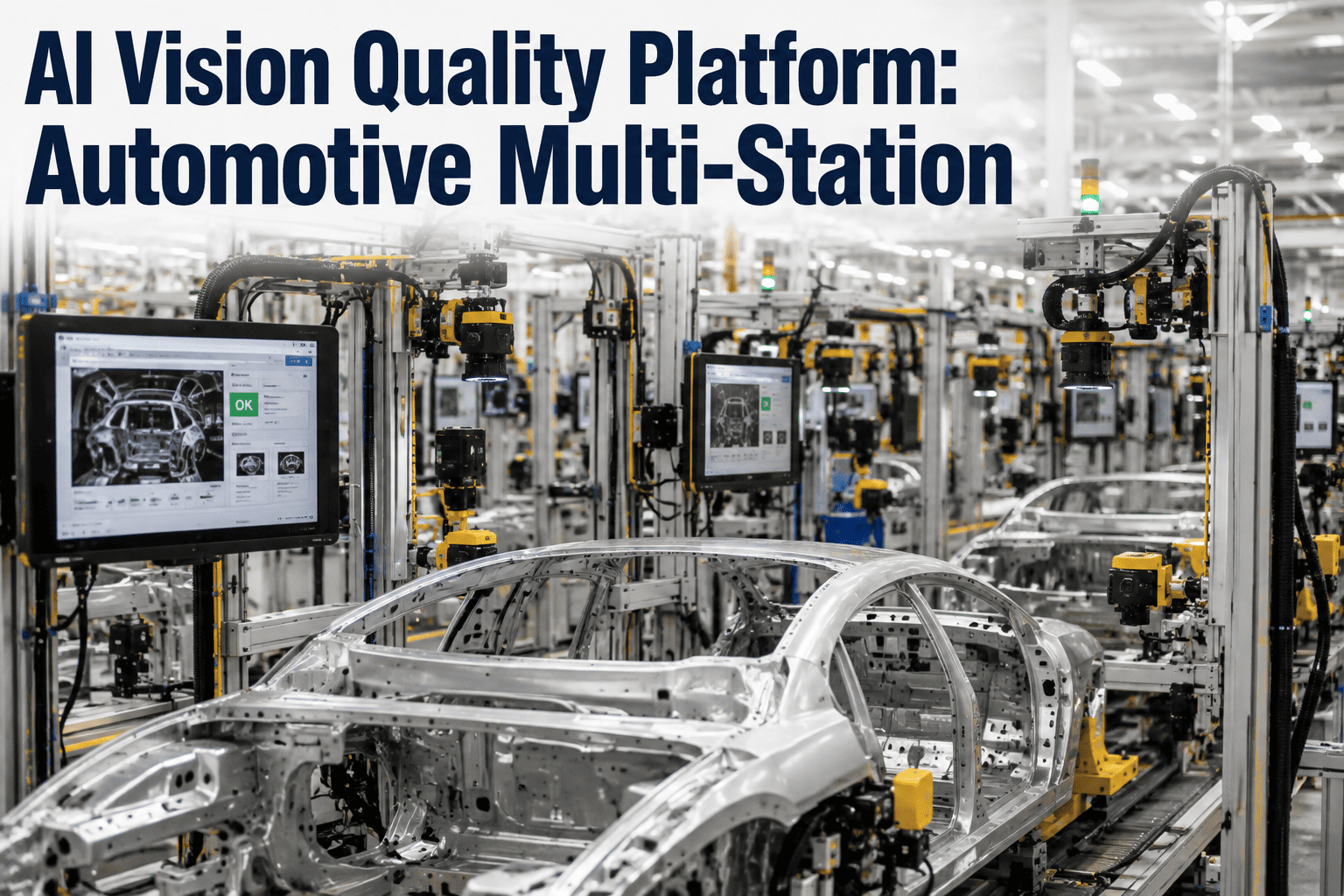
A defect that starts in the E-coat layer of an automotive body rarely stays contained there. Left undetected, it telegraphs through primer, shows as a texture flaw under basecoat, and finally surfaces as a visible blemish under clearcoat, three additional process steps and hours of added cost after the point where it could have been caught in seconds. Most paint shops inspect only at the end of the line, after all four layers are applied, which means the layer that actually caused the defect is almost impossible to identify with certainty. Book a demo to see layer-specific inspection catch a defect before it cascades.
Multi-Layer Paint Inspection
Catch the Defect at the Layer Where It Starts
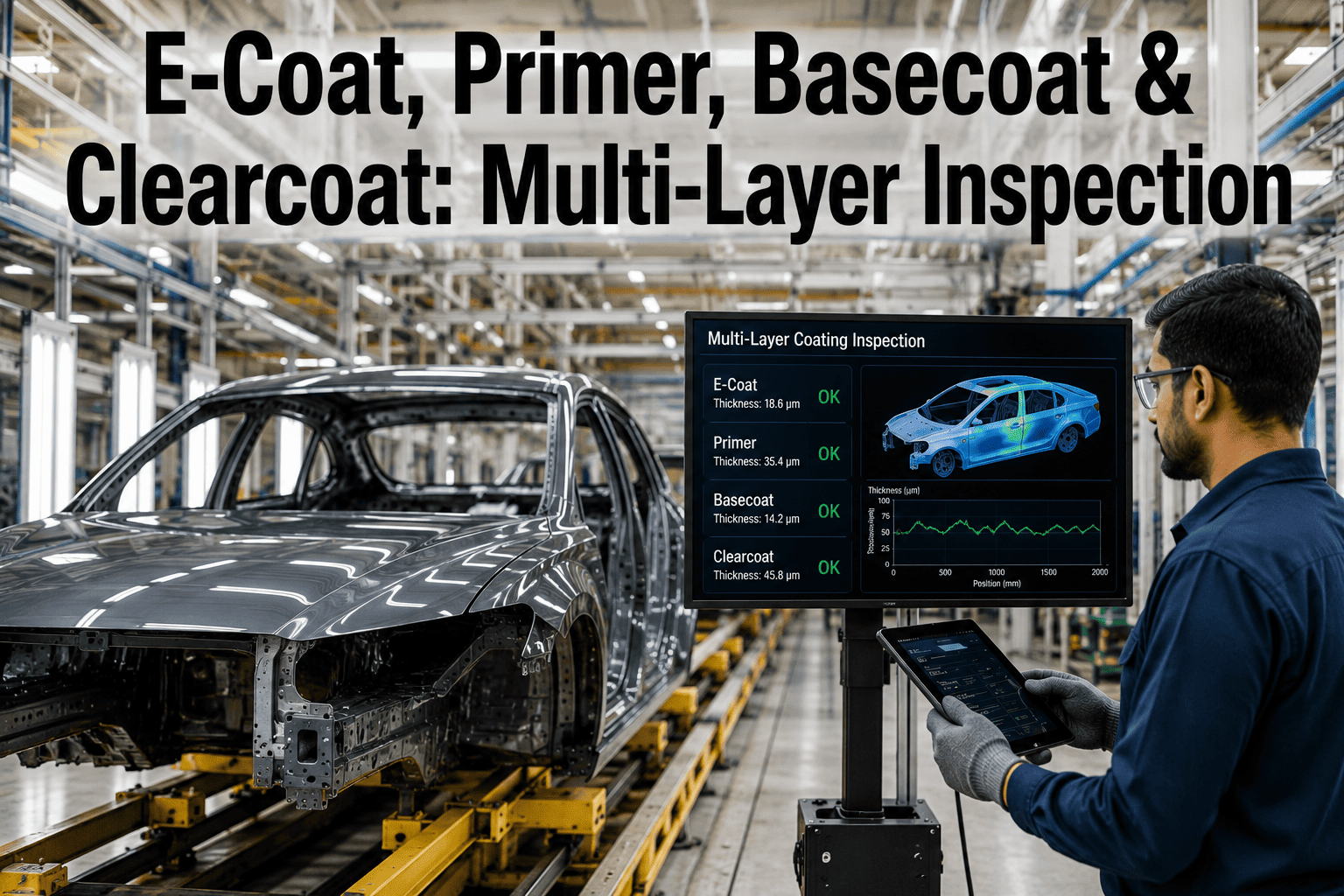
iFactory inspects E-coat, primer, basecoat and clearcoat separately, so a flaw is caught and traced to its exact process step instead of surfacing as an unexplained blemish four stations later.
Why End-of-Line Inspection Alone Cannot Explain a Defect
A single visible flaw under clearcoat can have originated at any of the three layers beneath it, and by the time it is caught, the body has already absorbed the labor and material cost of every subsequent coating step. Layer-specific inspection changes the economics entirely by catching the flaw at the earliest possible stage. Ask support how layer-specific cameras are positioned on your line.
E-Coat
Base corrosion protection layer. Checked for coverage gaps, thickness variation and contamination before any color layer is applied.
Primer
Surface leveling layer. Inspected for texture inconsistency, sags and film build issues that will telegraph through color coats if left uncorrected.
Basecoat
Color and appearance layer. Verified for color match, coverage uniformity and metallic flake orientation across every panel.
Clearcoat
Final gloss and protection layer. Scanned for fisheyes, dirt nibs, orange peel and gloss variation under production lighting.
How a Single Defect Cascades Without Layer-Specific Checks
The real cost of skipping layer-specific inspection is not the original flaw, it is every process step applied on top of it before anyone notices.
E-Coat Coverage Gap Forms
A thin spot in E-coat coverage goes unnoticed because inspection happens only at the end of the paint process.
Primer Applied Over the Gap
Primer is applied normally, adding labor and material cost to a panel that already has a defect underneath.
Basecoat Masks the Flaw Visually
Color coat can visually hide the underlying gap, so the panel continues to the next station looking acceptable.
Clearcoat Reveals the Defect
Under clearcoat and final lighting, the original coverage gap finally becomes visible, now four process steps deep into cost.
Full Panel Rework Required
The entire panel must be stripped and reworked through all four layers rather than a single early correction.
End-of-Line Only vs. Layer-by-Layer Inspection
The cost difference between catching a flaw at E-coat versus catching it under clearcoat is not incremental, it compounds with every layer applied on top. Compare inspection approaches against your current process.
| Factor | End-of-Line Inspection Only | iFactory Layer-by-Layer Inspection |
|---|
| Defect Origin | Impossible to confirm which layer caused a visible flaw. | Traced precisely to the layer and process step where it originated. |
| Rework Cost | Full four-layer rework required once a defect is caught late. | Corrected at the layer it occurred, avoiding downstream coating cost. |
| Detection Timing | Only after all coating steps are complete. | Within seconds of each individual layer application. |
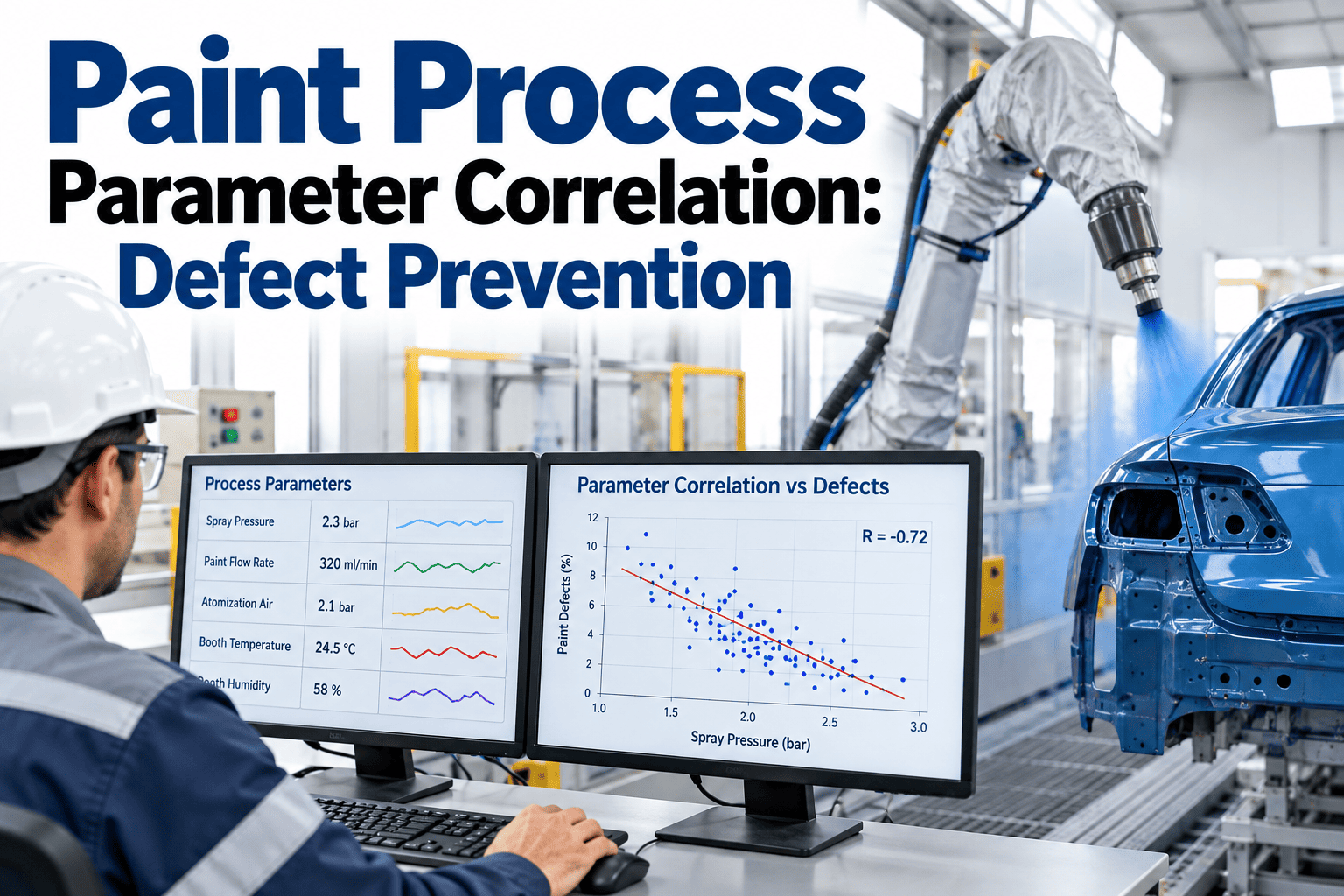
| Process Feedback | No layer-specific data for E-coat, primer or basecoat process control. | Live feedback to each coating station's operators and process engineers. |
| Escape Risk | Masked defects can pass visually and reach final audit or the customer. | Coverage and texture flaws caught before they can be visually masked. |
Find Out Which Layer Is Driving Your Cascading Defects
iFactory maps camera coverage to each of your four coating stages so a flaw is caught and corrected before the next layer is ever applied.
What Each Layer's Inspection Actually Checks For
Every layer has a distinct set of failure modes, so inspection criteria and camera setup are tuned separately for each stage rather than using one generic check across the whole paint process.
E-Coat Checks
Coverage completeness across recessed and edge areas, film thickness consistency, contamination or fisheye formation, and hem flange coverage in areas prone to corrosion.
Primer Checks
Surface texture uniformity, sag or run formation on vertical panels, film build consistency, and sand-through detection ahead of color application.
Basecoat Checks
Color match against master standard, metallic flake orientation and uniformity, coverage over primer, and mottling or streaking across large panels.
Clearcoat Checks
Gloss level and distinction-of-image, fisheyes and dirt nibs, orange peel texture, and edge coverage at high-visibility body lines.
Results From Plants Running Layer-by-Layer Inspection
These outcomes come from paint shops currently running iFactory's layer-specific inspection across the full E-coat through clearcoat process.
Body-in-White Paint Shop
Cascading Defects Cut 58% After E-Coat Checks Went Live
A plant tracing a recurring clearcoat blemish back to its true origin discovered the flaw was consistently starting as an E-coat coverage gap at one specific conveyor position. Adding layer-specific checks at E-coat caught the gap before primer was ever applied, cutting the associated cascading defect rate by 58% within six weeks.
58%
Reduction in cascading defect rate
6 wks
Time to measurable result
4 layers
Independently inspected per body
What Paint Process Engineers Say
We spent years guessing whether a flaw started at primer or basecoat. Layer-specific inspection finally gave us a definitive answer, and a fix that actually stuck.
Process Engineering Manager
Body-in-White Paint Shop, Michigan
Catching a coverage gap at E-coat instead of clearcoat saves three full process steps of rework. That math alone paid for the system.
Paint Quality Lead
Automotive OEM Plant, Kentucky
Frequently Asked Questions
Do we need separate cameras at every coating station, or can one system cover all four layers?
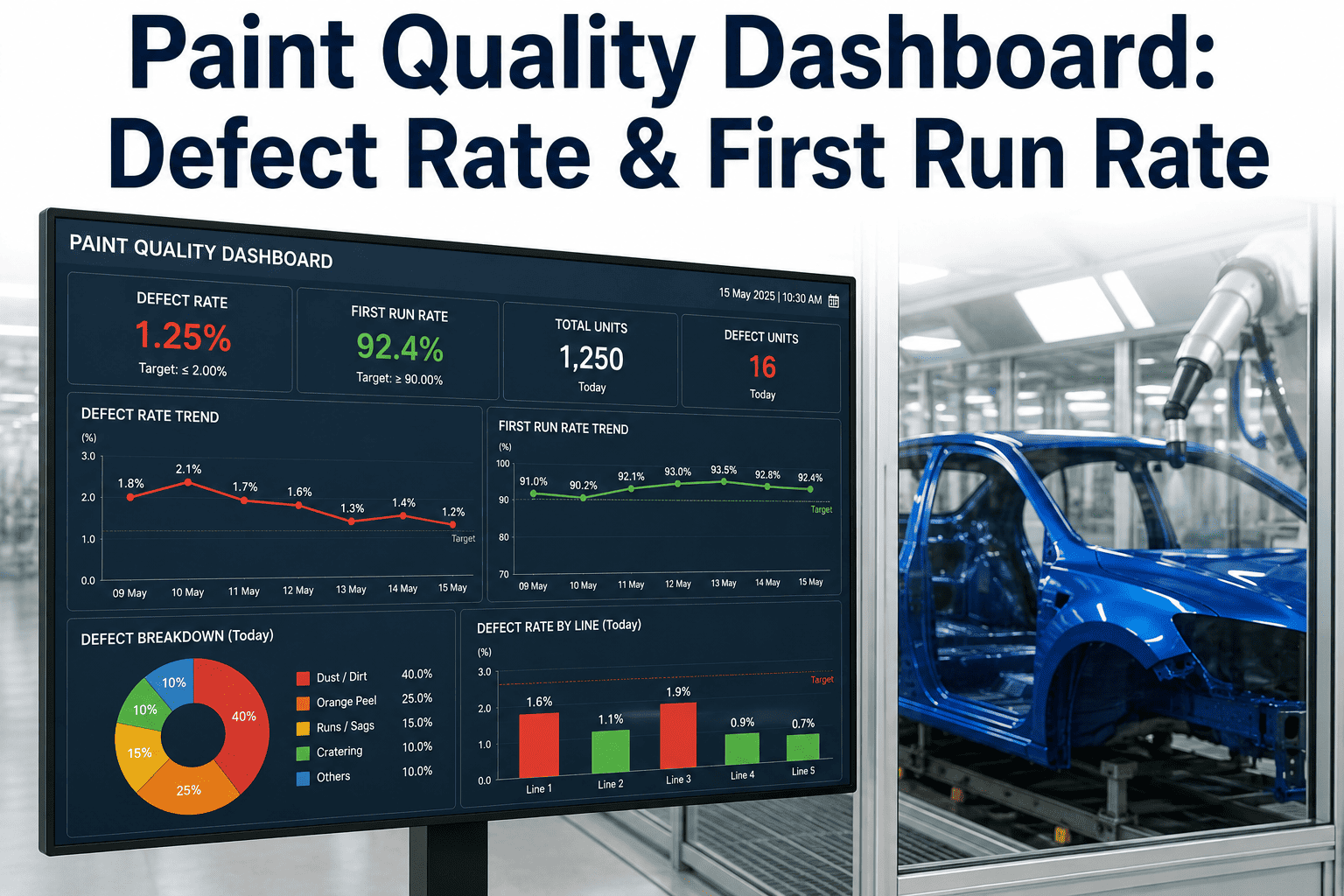
Each layer needs its own camera positioning and lighting configuration because E-coat, primer, basecoat and clearcoat each present different surface characteristics and defect types, but all four feed into one unified inspection platform and dashboard. This means process engineers get one consolidated view of defect trends across the entire paint process rather than four disconnected reports.
How does layer-specific inspection actually reduce rework cost compared to end-of-line only?
Every layer applied on top of an existing defect adds labor, material and cycle time that is wasted the moment the defect is finally caught. Catching a flaw at E-coat instead of under clearcoat avoids three additional coating steps entirely, which is why plants typically see rework cost per defect drop sharply once layer-specific checks are in place rather than relying solely on final inspection.
Can this system distinguish between a primer defect and a basecoat defect that look similar visually?
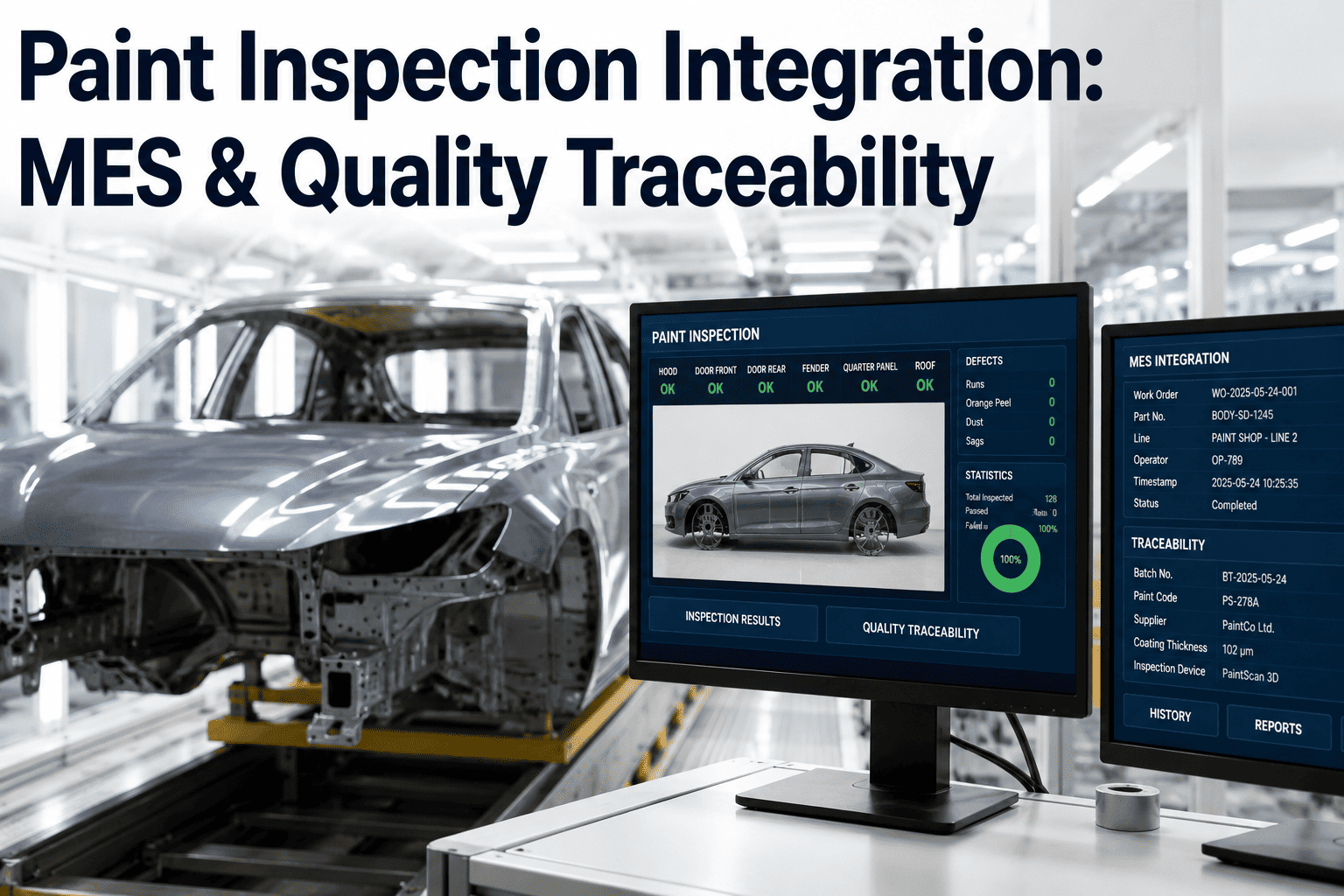
Yes, because each layer is inspected immediately after it is applied and before the next layer goes on, the system attributes a defect to the specific process step where it was captured rather than relying on visual interpretation after multiple layers are stacked. This removes the ambiguity that makes root cause analysis so difficult with end-of-line-only inspection.
What happens when a defect is caught mid-process, does the line stop?
In most configurations, the line continues running while the flagged panel is marked for correction or rework at the appropriate station, avoiding unnecessary line stoppages for minor or isolated defects. Thresholds for when a stoppage is warranted versus routine correction are configured during setup based on your process and severity criteria.
Talk to support about threshold configuration for your line.
How long does it take to calibrate inspection for all four layers?
Calibration for each layer typically takes one to two weeks per stage, validated against known defect samples specific to that layer's material and process characteristics, with stages often calibrated in parallel rather than sequentially. Most plants have all four layers live within four to six weeks of project start.
Book a demo to see a calibration timeline scoped for your paint shop.
Catch the Defect at the Layer Where It Actually Started
iFactory inspects E-coat, primer, basecoat and clearcoat independently, tracing every flaw back to its true origin before it cascades through the rest of the paint process.
All four coating layers inspected independently
Defects traced to their exact process origin
Rework avoided before layers are stacked on top
One unified dashboard across the full paint process