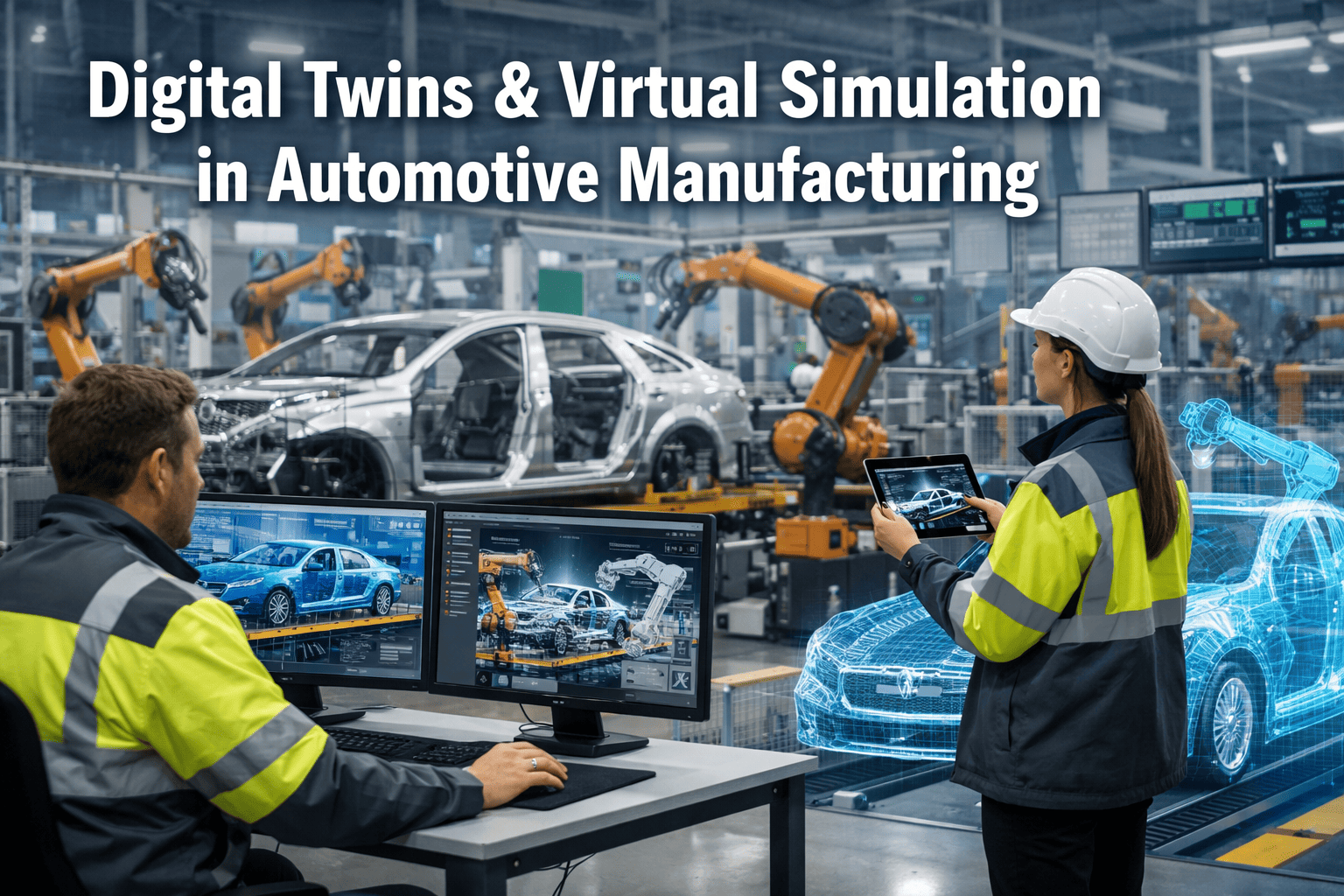
The electrification of automotive manufacturing isn't just about the vehicles rolling off the line—it's about the plants that build them. In 2026, leading automakers are transforming their factories into self-sustaining energy ecosystems powered by on-site microgrids, solar arrays, battery storage, and intelligent energy management. Facilities deploying integrated renewable energy infrastructure report 40% lower carbon emissions, 30% reduction in energy costs, and near-zero grid dependency during peak production. This guide explores how forward-thinking automotive plants are building the electrified infrastructure that powers cleaner, more resilient manufacturing.
The Plant Electrification Stack: How It All Connects
Electrifying an automotive plant isn't about installing solar panels and hoping for the best—it's a layered energy architecture where generation, storage, distribution, and intelligent management work in concert. Understanding each layer is critical to building a resilient, cost-efficient, and carbon-neutral manufacturing facility.
Energy Infrastructure
- On-site solar & wind generation
- Battery energy storage systems
- Microgrid controllers
- Smart grid interconnections
- EV charging infrastructure
- Power distribution networks
Electrified Plant Outcomes
- Net-zero production capability
- Peak demand elimination
- Grid-independent resilience
- Carbon compliance automation
- Energy cost predictability
- Sustainability reporting data
Ready to explore plant electrification? Book a demo of iFactory's energy management and microgrid monitoring solutions.
5 Electrification Strategies Transforming Automotive Plants
From rooftop solar to intelligent microgrid controllers, electrification technologies are being deployed across every layer of automotive manufacturing. These five strategies deliver the deepest decarbonization impact and strongest financial returns.
On-Site Solar & Wind Generation
Large-scale rooftop and ground-mount solar arrays, combined with on-site wind turbines, generate clean electricity directly at the point of consumption. Modern automotive plants with 10+ acres of roof space can offset 40–60% of their total electricity demand through solar alone, with surplus energy stored or sold back to the grid.
Battery Energy Storage Systems (BESS)
Industrial-scale lithium-ion and iron-air battery systems store surplus renewable energy for use during peak demand windows, cloudy days, or grid outages. BESS enables plants to shave peak demand charges by 35–50%, while providing backup power that keeps critical production lines running during grid failures.
Intelligent Microgrid Controllers
AI-powered microgrid management systems orchestrate energy generation, storage, and consumption across the entire facility in real-time. These controllers make millisecond decisions about when to draw from solar, discharge batteries, import from the grid, or export surplus—optimizing for cost, carbon, and reliability simultaneously.
EV Fleet & Facility Charging Infrastructure
As automotive plants electrify their own logistics—AGVs, forklifts, yard trucks, and employee vehicles—integrated EV charging infrastructure becomes critical. Smart charging systems coordinate vehicle charging with renewable generation peaks and off-peak grid pricing, turning the plant's vehicle fleet into a distributed energy asset through vehicle-to-grid (V2G) technology.
Carbon Accounting & Compliance Automation
Automated carbon tracking systems measure Scope 1, 2, and 3 emissions at the production-line level, linking energy consumption data directly to ESG reporting frameworks. Real-time carbon dashboards give plant leaders instant visibility into emissions intensity per vehicle produced, enabling compliance with EU CBAM, SEC climate rules, and OEM sustainability mandates.
Want to identify the highest-ROI electrification investments for your plant? Talk to our energy specialists for a personalized microgrid and renewables assessment.
Core Renewable Energy Technologies for Automotive Plants
Different renewable and storage technologies serve different plant energy profiles. Choosing the right mix ensures reliable, cost-effective, low-carbon power across your entire facility year-round.
Commercial Solar PV
Most DeployedHigh-efficiency bifacial panels installed on rooftops, parking canopies, and ground-mount arrays generate clean electricity at costs below grid retail rates in most regions.
Battery Storage (BESS)
Fastest GrowingLithium-ion and emerging iron-air batteries store renewable surplus for peak shaving, backup power, and grid arbitrage—turning intermittent generation into dispatchable energy.
Microgrid Controllers
High ImpactAI-powered energy management systems orchestrate solar, battery, grid, and backup generation in real-time, optimizing for cost, carbon, and resilience across the entire plant.
Green Hydrogen
EmergingOn-site electrolyzers powered by surplus renewables produce green hydrogen for high-heat industrial processes, long-duration storage, and fuel cell backup—decarbonizing hard-to-electrify operations.
Monitor Every Energy Asset in Real-Time
iFactory's energy management platform connects your solar arrays, batteries, microgrid controllers, and utility meters into a unified dashboard—with predictive analytics, automated demand response, and live carbon tracking.
ROI Breakdown: The Numbers Behind Plant Electrification
Electrification requires meaningful upfront capital investment. Here's what the data shows about actual returns across electrified automotive manufacturing facilities in 2026.
On-site renewable generation displaces fossil fuel grid electricity, while battery storage eliminates reliance on peaker plants during high-demand periods—the dirtiest power on the grid.
Solar generation at $0.02–0.04/kWh undercuts grid retail rates by 50%+. Intelligent battery dispatch eliminates peak demand charges that can represent 30–40% of industrial electricity bills.
Battery storage systems discharge during peak pricing windows while solar handles baseload, flattening the plant's demand profile and dramatically reducing utility demand charges.
Microgrid-enabled plants can island from the grid during outages, maintaining full production through battery backup and on-site generation—eliminating the millions lost per hour during grid failures.
Want to calculate potential ROI for your plant electrification project? Get a custom energy transition analysis from our team.
Plant Electrification Implementation Roadmap
Electrifying an automotive plant is a phased, multi-year journey. This proven roadmap delivers measurable energy savings and carbon reductions at every stage while minimizing production disruption.
Energy Audit & Microgrid Design
- Conduct comprehensive energy consumption audit across all lines
- Assess rooftop, parking, and ground-mount solar potential
- Model microgrid architecture (solar, battery, grid interconnection)
- Evaluate utility rate structures and demand charge profiles
Solar & Storage Deployment
- Install rooftop and ground-mount solar PV arrays
- Deploy battery energy storage systems with peak-shaving logic
- Integrate microgrid controller with plant energy management
- Connect energy monitoring to iFactory dashboard platform
Optimization & EV Integration
- Activate AI-driven energy optimization and demand response
- Deploy EV charging infrastructure for plant logistics fleet
- Implement V2G (vehicle-to-grid) capabilities where applicable
- Establish real-time carbon accounting and ESG reporting feeds
Net-Zero Scale & Continuous Optimization
- Expand renewable capacity to cover 80–100% of plant demand
- Pilot green hydrogen for high-heat industrial processes
- Enable grid export and revenue-generating energy arbitrage
- Build cross-facility energy sharing across manufacturing network
Ready to start your plant electrification journey? Schedule a roadmap planning session with our energy transition team.
Expert Perspective
"Automotive manufacturers are discovering that plant electrification isn't just a sustainability play—it's a fundamental competitive strategy. Plants running on microgrids and renewables have predictable energy costs locked in for decades, while competitors remain exposed to volatile fossil fuel markets. By 2028, OEMs will start requiring Tier 1 suppliers to demonstrate renewable energy commitments as a condition of contract renewal. The automakers building this infrastructure now will have a structural cost advantage that compounds every year."
Conclusion
The electrification of automotive plants through microgrids and renewable energy is delivering measurable, compounding advantages that extend far beyond sustainability branding. With 40% lower carbon emissions, 30% energy cost reductions, and 99.9% power reliability, the business case is clear and strengthening every quarter as battery costs fall and carbon regulations tighten. From on-site solar generation and battery storage to intelligent microgrid control and automated carbon accounting, electrification is transforming how automotive plants power production, manage costs, and meet stakeholder expectations. The implementation roadmap is proven, the economics have crossed the tipping point, and the regulatory pressure is accelerating. For plant leaders, the question isn't whether to electrify—it's how fast you can build the energy infrastructure before your competitors and your customers demand it.
Schedule your iFactory demo to see plant energy management in action, or connect with our energy specialists to discuss your electrification strategy.
Power Production with Clean Energy.
Join leading automotive manufacturers using iFactory to monitor microgrids, optimize energy consumption, track carbon emissions, and achieve real-time visibility across every energy asset.