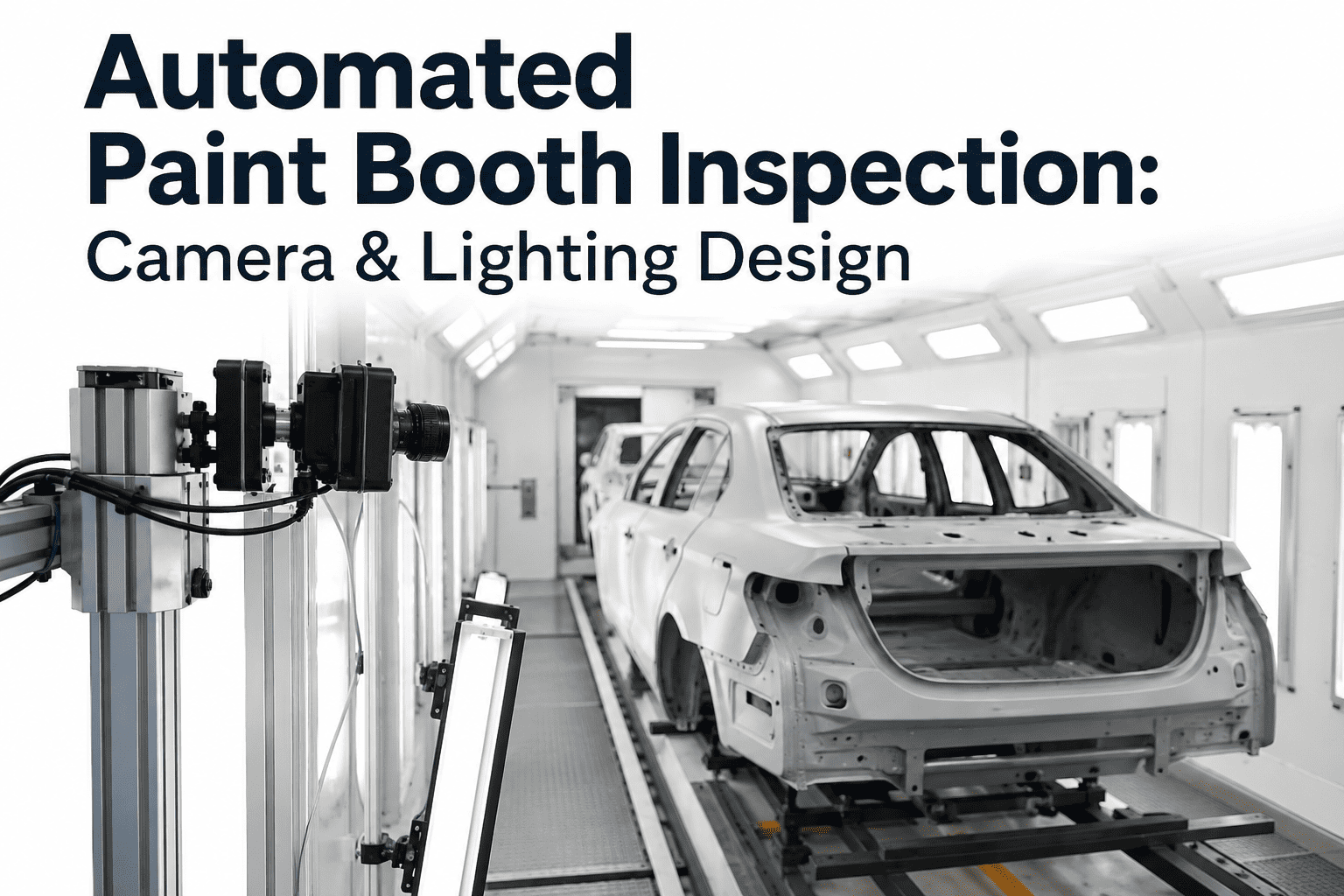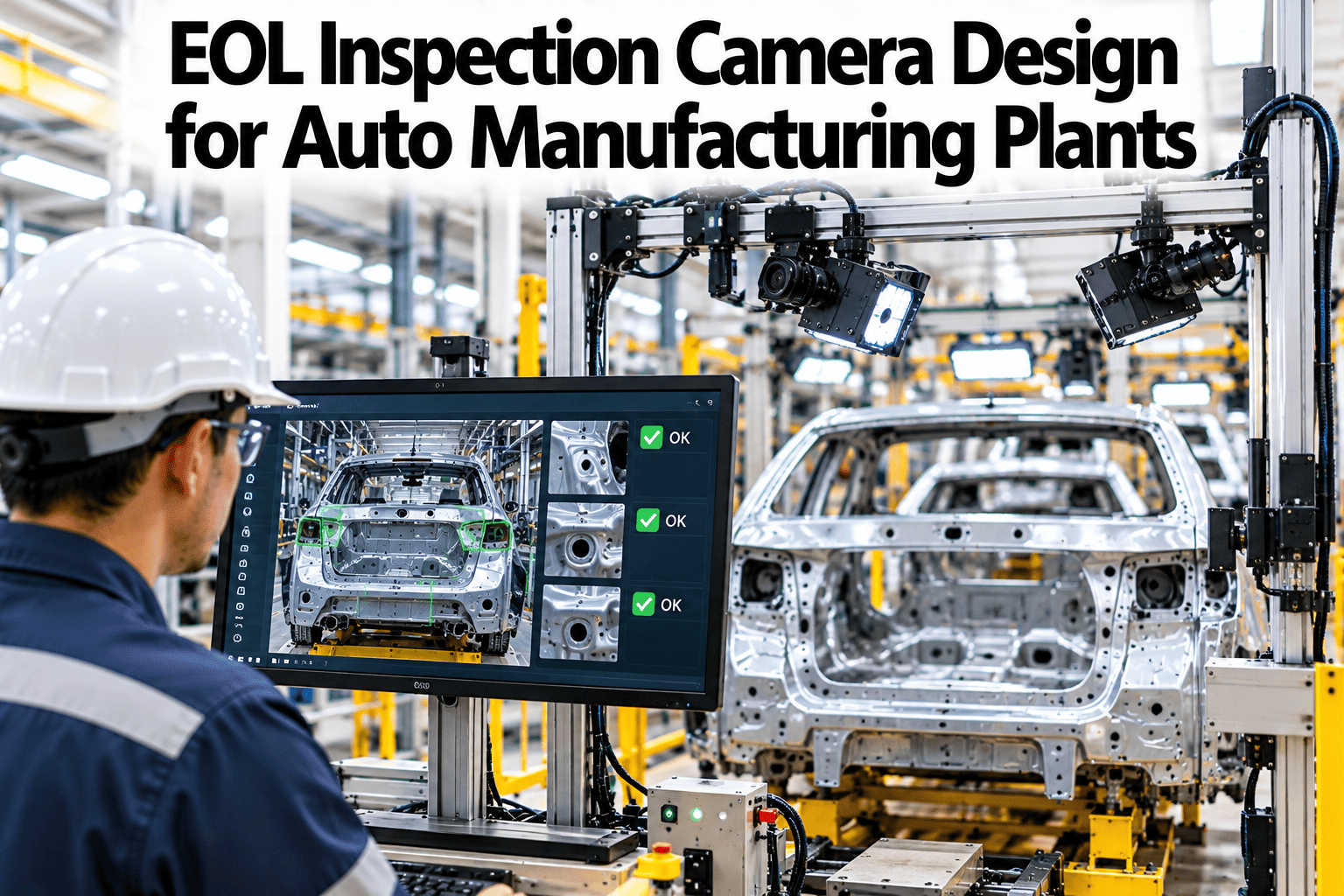
A single camera angle can only ever see one side of a defect, and a vehicle that is not registered correctly in its pose before inspection begins makes even a well-trained model work against itself from the start. Camera design at an end-of-line station is not a detail to finalize after the AI model is chosen, it is the foundation the model's accuracy depends on, since no amount of software tuning fully compensates for a blind spot created by poor coverage or inconsistent lighting. Multi-angle coverage, a deliberate lighting strategy and reliable vehicle-pose registration are what make consistent, reliable detection possible in the first place. Quality engineering teams can review their own EOL camera layout with iFactory AI before the next blind spot costs a missed defect further down the line.
No Model Tuning Fixes a Camera That Cannot See the Defect
iFactory AI designs multi-angle coverage, lighting strategy and vehicle-pose registration that unlock reliable EOL inspection results.
Why Camera Design Deserves to Come Before Model Selection
It is tempting to treat camera hardware as a commodity decision made quickly so the real work of model selection and tuning can begin. That ordering tends to produce a system fighting coverage and lighting problems the model can never fully overcome.
A defect visible only from one angle goes undetected if that angle is not covered.
Shadows and glare that shift with time of day degrade detection reliability.
A vehicle not aligned to its expected position confuses angle-dependent checks.
Fixing coverage gaps after installation is far more disruptive than designing them out upfront.
The Three Design Elements That Determine Reliability
| Element | What It Solves |
|---|---|
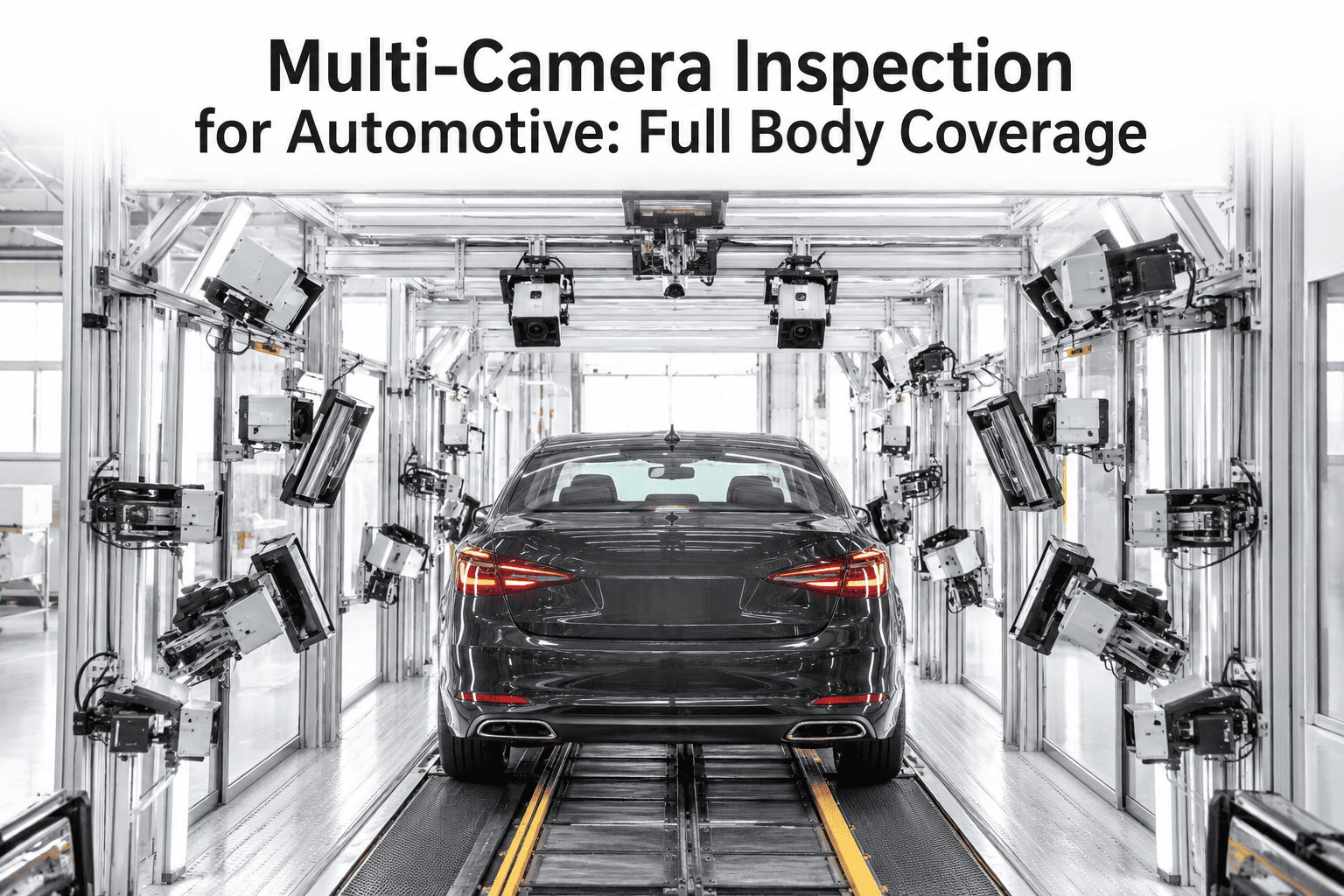
| Multi-angle coverage | Ensures every defect-prone surface is visible from at least one reliable angle |
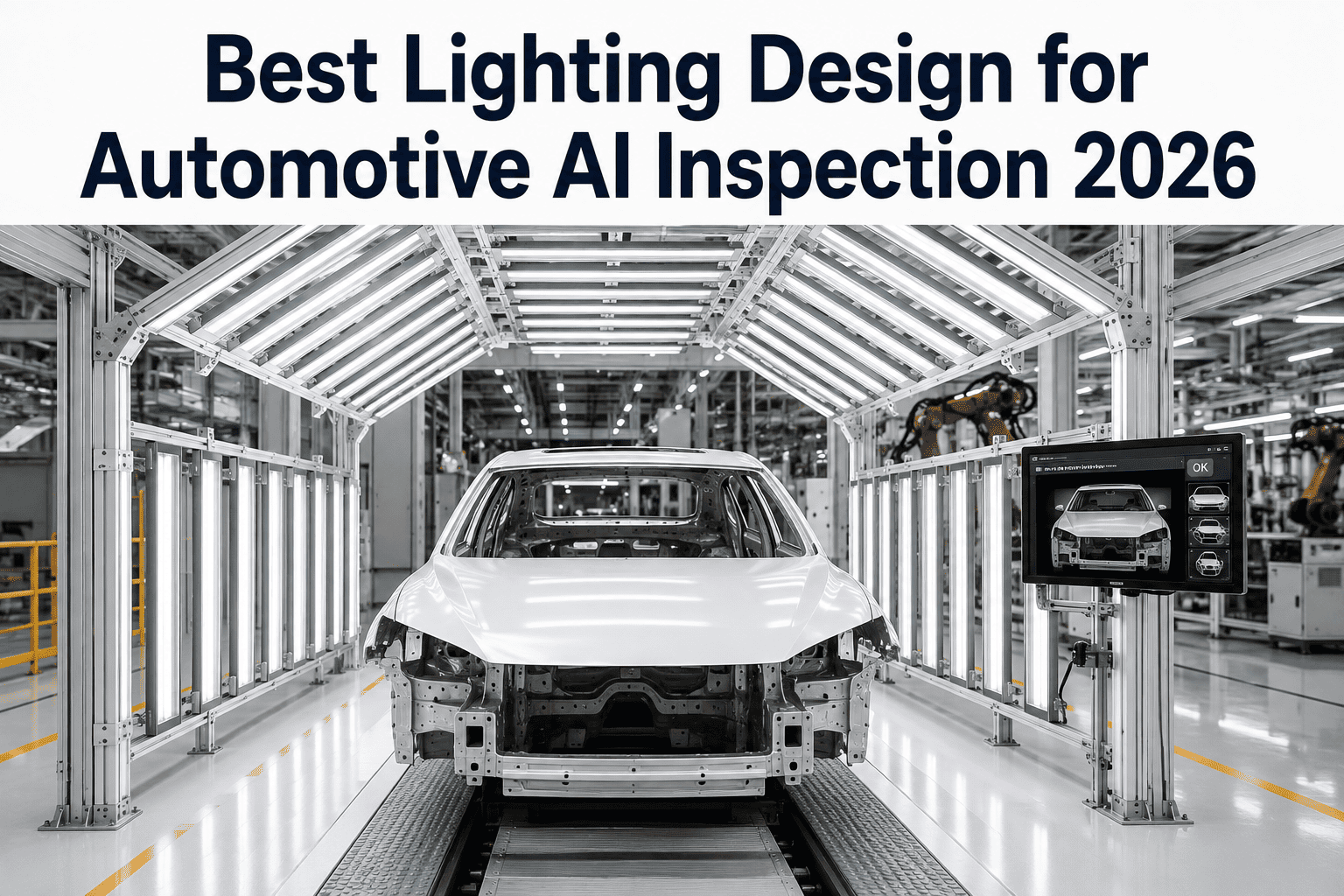
| Lighting strategy | Keeps illumination consistent regardless of time of day or ambient conditions |
| Pose registration | Confirms the vehicle's actual position matches what each camera expects |
Review Your Own Station Layout for Coverage Gaps
Bring your current camera positions to a 30-minute working session.
From Layout Design to Validated Coverage
Known defect-prone surfaces are identified across the vehicle body.
Cameras are positioned so every mapped zone has reliable coverage.
Illumination is adjusted to stay consistent across shifts and seasons.
Vehicle position accuracy is confirmed against each camera's expected frame.
Why Retrofitting Coverage Costs More Than Designing It In
Adding a camera to an already-installed station is rarely as simple as mounting a new unit, since mounting points, cable runs, lighting interactions and software integration all need to be reworked around an existing, operating line.
Designing coverage comprehensively before installation, with every known defect zone mapped to a specific angle from the start, avoids the disruption and cost of a retrofit entirely, which is part of why the upfront design phase deserves more attention than it typically receives relative to model selection.
A Scenario: The Defect That Only Showed Up at One Angle
Picture a panel gap defect visible clearly from a steep downward angle but nearly invisible from the straight-on angle a station's single camera happened to use, something nobody noticed until a customer complaint traced back to a specific vehicle.
Reviewing the original camera layout shows the gap was never a model accuracy problem at all, the angle simply never captured the defect in a way any model could have detected. Adding a second camera at the angle where the defect is actually visible closes the gap completely, without requiring any change to the detection model itself, which is exactly the kind of fix that camera design catches and model tuning alone never could.
Single-Angle Setup vs Deliberate Multi-Angle Design
What Changes for Model Accuracy Once Coverage Is Right
A detection model given consistent, well-lit, properly angled images of a defect across training and production performs meaningfully better than the same model fed inconsistent or incomplete visual data, regardless of how sophisticated the underlying algorithm is.
Fixing camera design issues often produces a larger accuracy improvement than any subsequent model retraining effort, simply because the model was never the limiting factor to begin with, the images it had to work with were.
What a Camera Design Review Should Cover
Why This Grows More Complex With New Vehicle Platforms
A camera layout designed carefully around one vehicle platform's dimensions, panel gaps and typical defect zones does not automatically transfer cleanly to a new platform with different body geometry, even on the same production line.
Treating camera design as a one-time setup rather than a process that gets revisited with every new platform introduction is a common source of coverage gaps that only surface once the new vehicle is already in full production and a defect pattern specific to its geometry starts showing up downstream.
Why Pose Registration Is Easy to Underestimate
A camera positioned perfectly for a vehicle sitting exactly where it is expected to sit can still fail badly if the vehicle's actual position varies even slightly, since many detection approaches assume a known, consistent pose as a starting reference.
Validating pose registration as its own explicit step, rather than assuming it from the mechanical design of the line, catches the gap between theoretical and actual vehicle position before it becomes a source of inconsistent detection that is hard to diagnose after the fact.
Why Different Vehicle Surfaces Need Different Camera Strategies
A flat body panel, a curved fender and a reflective chrome trim piece each behave differently under the same lighting setup, which means a single camera and lighting configuration rarely performs equally well across every surface type on the vehicle.
Relatively forgiving, but still sensitive to glare from direct overhead lighting.
Need multiple angles to avoid a defect disappearing into the curve's reflection.
Highly sensitive to lighting position, often needing diffused rather than direct light.
Different defect visibility characteristics than gloss surfaces nearby.
Starting With the Station Showing the Most Missed Defects
A plant with several EOL stations rarely needs to redesign every camera layout at once. Starting with the station showing the clearest pattern of missed defects in quality records provides the fastest, most convincing proof point.
Where iFactory AI Fits
Maps coverage to defect zones
Designs camera angles against known defect-prone surfaces.
Designs lighting for consistency
Keeps illumination stable regardless of shift or season.
Validates pose registration
Confirms actual vehicle position matches what each camera expects.
Documents the design
Keeps a record of what each camera covers for future review.
Expert Review
A machine vision engineering perspective, reviewed for accuracy before publication: the single most common root cause behind a disappointing EOL AI deployment is not model accuracy, it is camera coverage and lighting decided quickly and revisited only after a missed defect forces the question. Designing camera layout with the same rigor as model selection, not as an afterthought to it, is what separates a reliable deployment from a frustrating one. Reviewing your own current station layout against this framework often surfaces a coverage gap quickly. Confirm specific feature capabilities against your plant's systems before relying on any workflow.
Frequently Asked Questions
How many camera angles does a typical EOL station need?
It depends heavily on vehicle geometry and which defect types matter most, but most stations find a combination of several angles per body section provides reliable coverage without excessive hardware cost. Discuss a coverage plan for your own vehicle platform.
Can an existing camera layout be improved without a full redesign?
Often yes, targeted additions at identified gap angles can meaningfully improve coverage without requiring a complete station rebuild, though a full review helps identify where those gaps actually are. Ask about improving your existing camera setup incrementally without a full station rebuild.
How is lighting consistency actually maintained over time?
A combination of controlled artificial lighting, shielding from ambient light sources, and periodic calibration checks keeps illumination consistent across shifts and seasons. Explore a lighting strategy suited to your station's environment and existing facility layout.
What happens if a vehicle's pose varies more than expected?
Pose registration is designed to detect and account for reasonable variation, flagging cases where the deviation is large enough to affect detection reliability rather than silently proceeding with inaccurate assumptions. Talk through how pose variation is handled on your line and what tolerance is realistic for your equipment.
How often should camera coverage be reviewed after initial design?
Any change to vehicle platform, body style or station layout should trigger a coverage review, with a full scheduled check at least annually even if nothing obvious has changed. See a review cadence that fits your production schedule and vehicle platform changes.
Build Detection Reliability From the Camera Up
iFactory AI designs multi-angle coverage, lighting and pose registration for reliable EOL inspection. Review your own EOL camera layout.