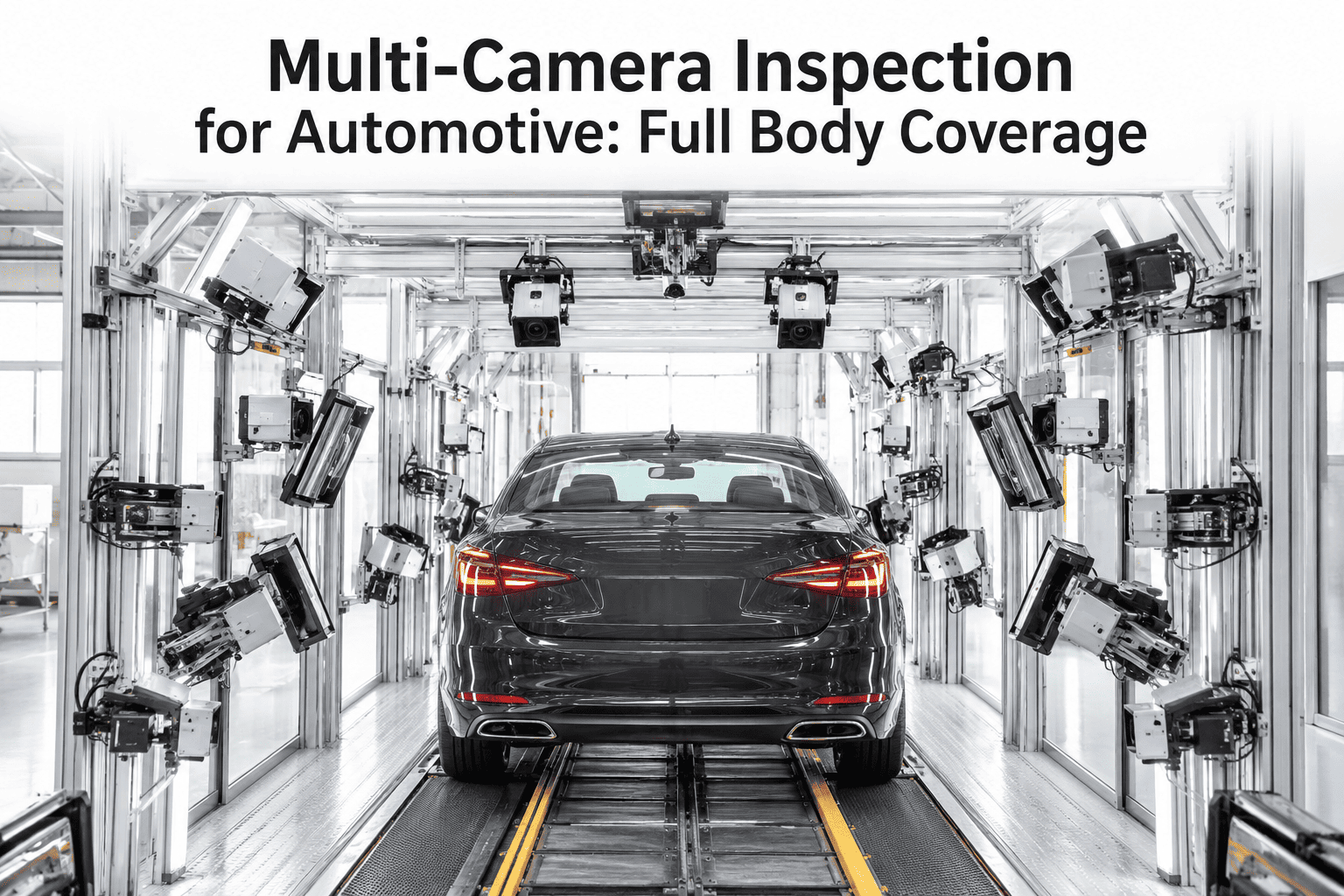
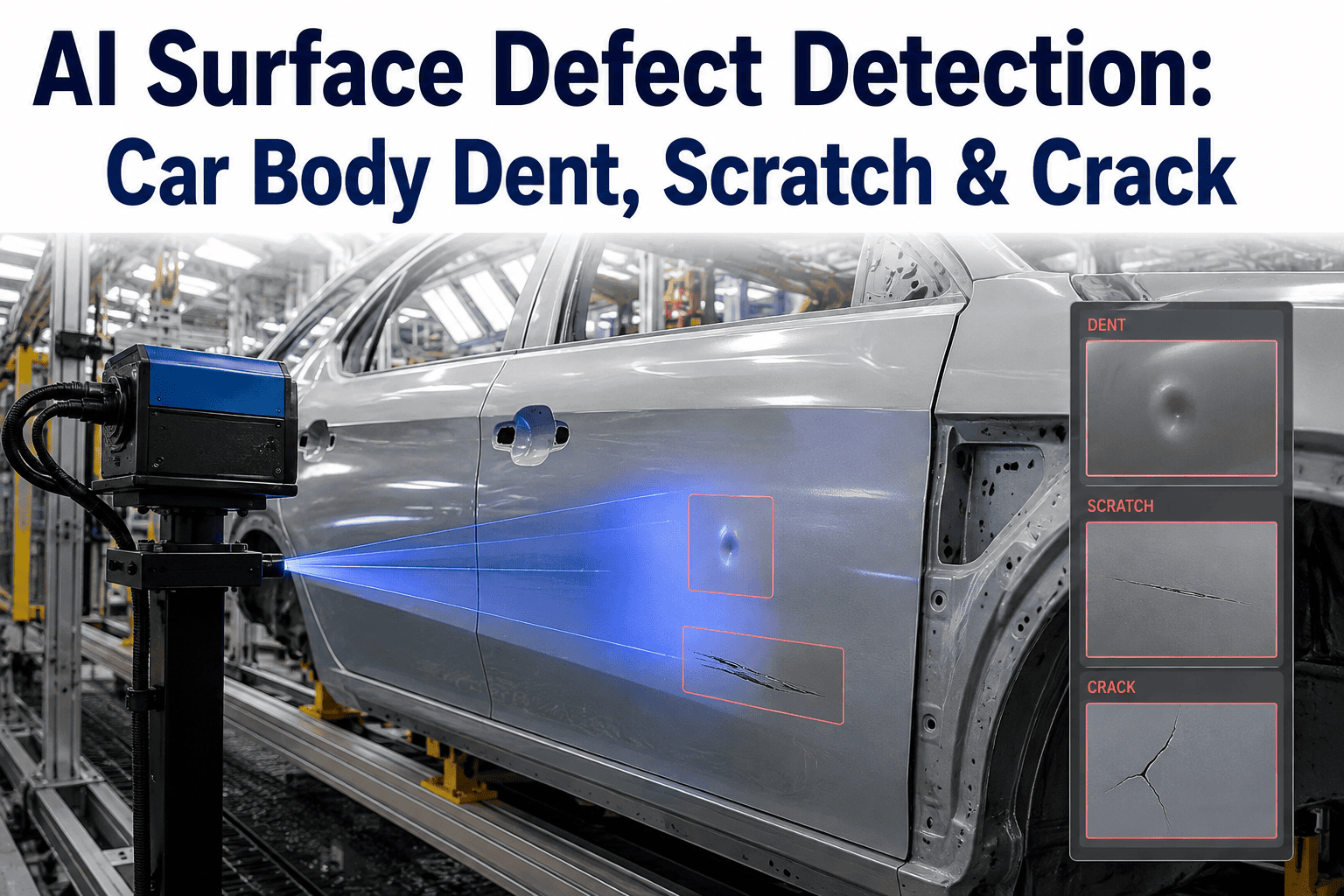
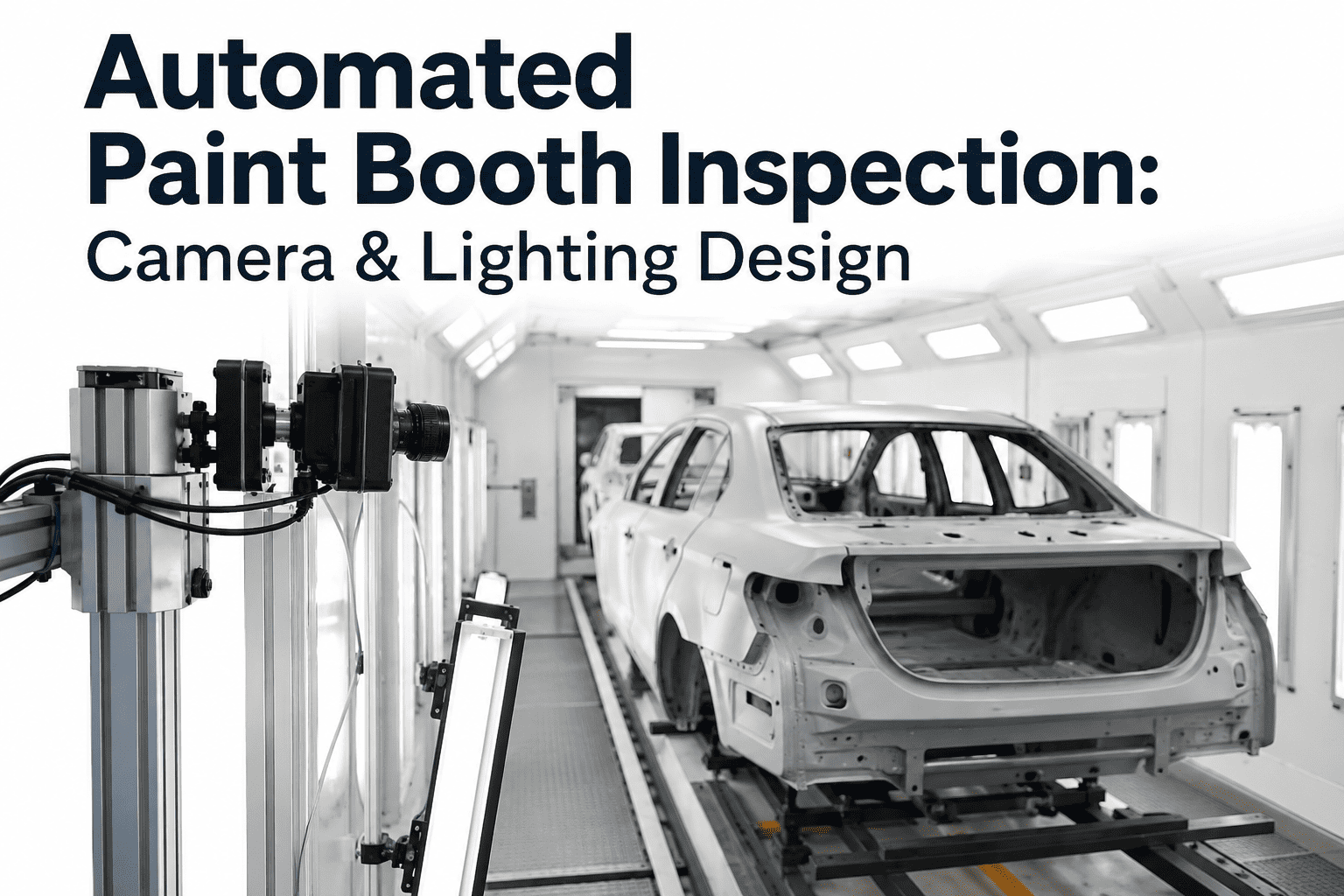
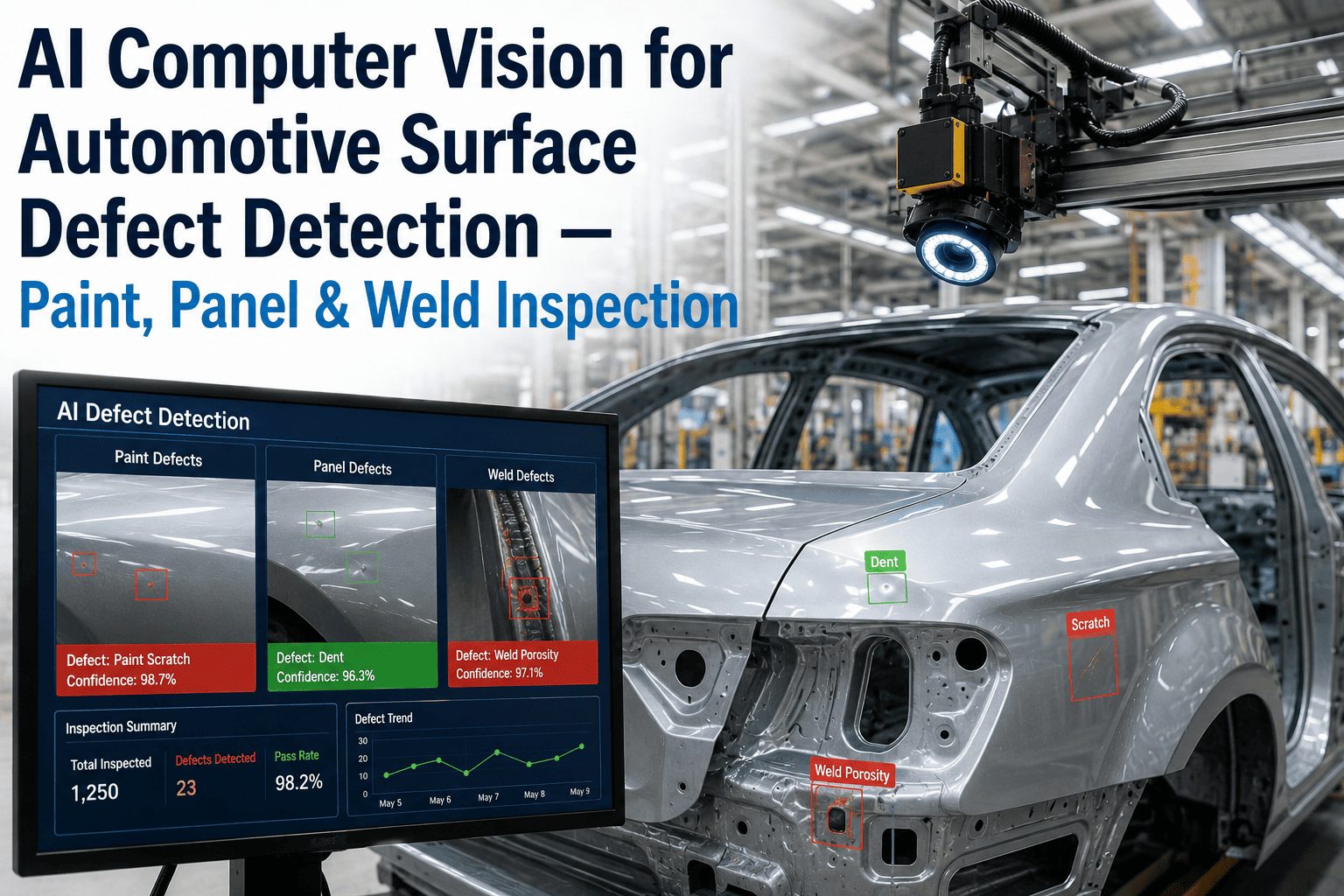
A single camera can inspect a single surface well, but an automotive body has roof, hood, doors, fenders, pillars and trunk, each with different curvature, reflectivity and defect risk. Plants that inspect with one or two cameras positioned at convenient mounting points end up with blind zones on exactly the panels most likely to be seen by a customer standing at the vehicle. Full coverage is not about adding more cameras randomly, it is about designing camera placement, synchronization and defect mapping around the geometry of the body itself. Book a demo to see full-body coverage mapped to your specific body style.
Multi-Camera Body Inspection
Design Coverage Around the Body, Not Around Convenient Mounting Points
iFactory designs multi-camera arrays that arrange coverage by panel geometry, synchronize capture across every angle, and map every defect back to its precise position for 100% surface verification.
Where Single-Camera Coverage Leaves Blind Zones
The panels most prone to blind zones under limited camera setups are frequently the highest-visibility surfaces on the vehicle, which is exactly why coverage gaps translate directly into customer-visible defects. Ask support for a coverage gap assessment of your current camera layout.
Door Edges
Common Blind Zone
Front Fender
Full Coverage
Rocker Panel
Common Blind Zone
Rear Quarter
Partial Coverage
How iFactory Designs Full Body Coverage
Coverage design starts from the body's own geometry, not from an assumption about how many cameras a budget allows. Book a demo to see a coverage plan built for your body style.
Camera Arrangement
Placement Mapped to Panel Curvature and Reflectivity
Each panel's curvature and finish determines optimal camera angle and lighting, so high-curvature areas like fenders and door edges get dedicated coverage rather than relying on an overlap from a camera positioned for the flat hood or roof.
Image Synchronization
All cameras capture in the same trigger window so images stitch into one complete body model without motion mismatch between angles.
Overlap Zones
Adjacent camera fields deliberately overlap at panel transitions and edges, the areas most prone to single-camera blind spots.
Defect Mapping
Every detected defect is mapped to an exact coordinate on a 3D body model, not just a general panel name.
Coverage Verification
100% Surface Verification Confirmed Before Go-Live
Before a camera array goes into production use, coverage is verified against a full body scan to confirm no panel area falls outside every camera's effective field, closing the blind zones that limited setups leave open.
Limited Camera Setup vs. Designed Full Coverage Array
| Factor | Limited / Convenience-Mounted Cameras | iFactory Designed Coverage Array |
|---|
| Coverage Basis | Cameras placed at accessible mounting points, coverage is a byproduct. | Camera count and placement derived from panel geometry, coverage is the design goal. |
| Blind Zones | Door edges, rocker panels and pillars commonly missed or under-covered. | Deliberate overlap at every panel transition and edge zone. |
| Image Timing | Cameras often trigger independently, causing stitching mismatches. | Synchronized capture across all cameras in one trigger window. |
| Defect Location Data | General panel name only, imprecise for root cause tracing. | Exact coordinate mapping on a full 3D body model. |
| Coverage Confidence | Assumed based on camera count, rarely formally verified. | Verified against a full body scan before production go-live. |
Get a Coverage Map of Your Current Camera Setup
iFactory's inspection design team reviews your existing camera positions against your body style to identify blind zones before recommending any hardware changes.
Designing a Full Coverage Array, Stage by Stage
1
Body Geometry Mapping
The specific body style's panel curvature, reflectivity and known high-risk defect zones are catalogued to inform camera placement.
2
Camera Array Design
Camera count, angle and lighting are planned per zone with deliberate overlap at every panel transition and edge.
3
Synchronization Setup
All cameras are configured to a single trigger window so captured images stitch into one accurate body model.
4
Coverage Verification
A full body scan confirms every panel area falls within at least one camera's effective field before production use.
5
Live Defect Mapping
Production inspection begins with every defect logged to an exact body coordinate for trend and root cause analysis.
Results From Full Coverage Deployments
Automotive Final Inspection Line
Customer-Reported Defects on Door Edges Cut 71%
A plant using a four-camera setup was seeing a disproportionate share of customer complaints tied to door edge and rocker panel defects invisible to its existing coverage. Redesigning the array with dedicated edge-zone cameras and verified overlap closed the blind zones, cutting customer-reported defects in those areas by 71% within the first quarter of full coverage.
71%
Fewer customer-reported edge defects
100%
Verified panel surface coverage
1 qtr
Time to measurable result
What Quality Leaders Say
We assumed four cameras meant full coverage. The gap analysis showed us exactly where we were blind, and closing it made a visible difference in complaints within one quarter.
Final Inspection Manager
Assembly Plant, Georgia
Having every defect tied to an exact coordinate instead of just a panel name changed how our root cause meetings actually work.
Quality Systems Lead
OEM Plant, South Carolina
Frequently Asked Questions
How many cameras does a typical full-coverage array require?
Camera count depends on body style, panel complexity and existing line geometry rather than a fixed number, since a simpler body shape needs fewer cameras to achieve full coverage than one with more complex curvature and pillar structures. The body geometry mapping stage determines the specific count and placement needed to close every blind zone for your vehicle line.
Can we add cameras to our existing inspection station instead of building a new one?
In most cases yes, additional cameras are added to existing stations to close identified blind zones rather than requiring an entirely new inspection station, provided the station has adequate space and line access for the added hardware. The coverage gap assessment identifies exactly which zones need additional cameras before any recommendation is made.
How is coverage actually verified before the array goes into production use?
A full body scan is run against the completed camera array, confirming that every panel area, including edges, pillars and transition zones, falls within at least one camera's effective field of view before the system is used for live production decisions. Any residual gap identified during verification is addressed with camera or lighting adjustment before go-live.
Does adding more cameras slow down the inspection cycle?
No, all cameras in a designed array capture within the same synchronized trigger window, so adding cameras to close coverage gaps does not extend the inspection cycle time. Processing of the additional images runs in parallel rather than sequentially.
Talk to support about cycle time for your specific line speed.
Can defect location data from full coverage feed into our existing quality reporting?
Yes, exact coordinate-level defect data is available through standard reporting exports and can feed into existing quality systems and dashboards rather than requiring a separate reporting workflow. This is typically configured during the same integration stage that connects inspection results to your MES or quality database.
Book a demo to see coordinate-level reporting in action.
Close Every Blind Zone on Your Body Inspection Line
iFactory designs camera arrangement around your body's actual geometry, synchronizes capture across every angle, and maps every defect to an exact coordinate for true 100% surface verification.
Camera placement mapped to panel geometry
Synchronized capture across every angle
Exact coordinate-level defect mapping
Coverage verified before production go-live