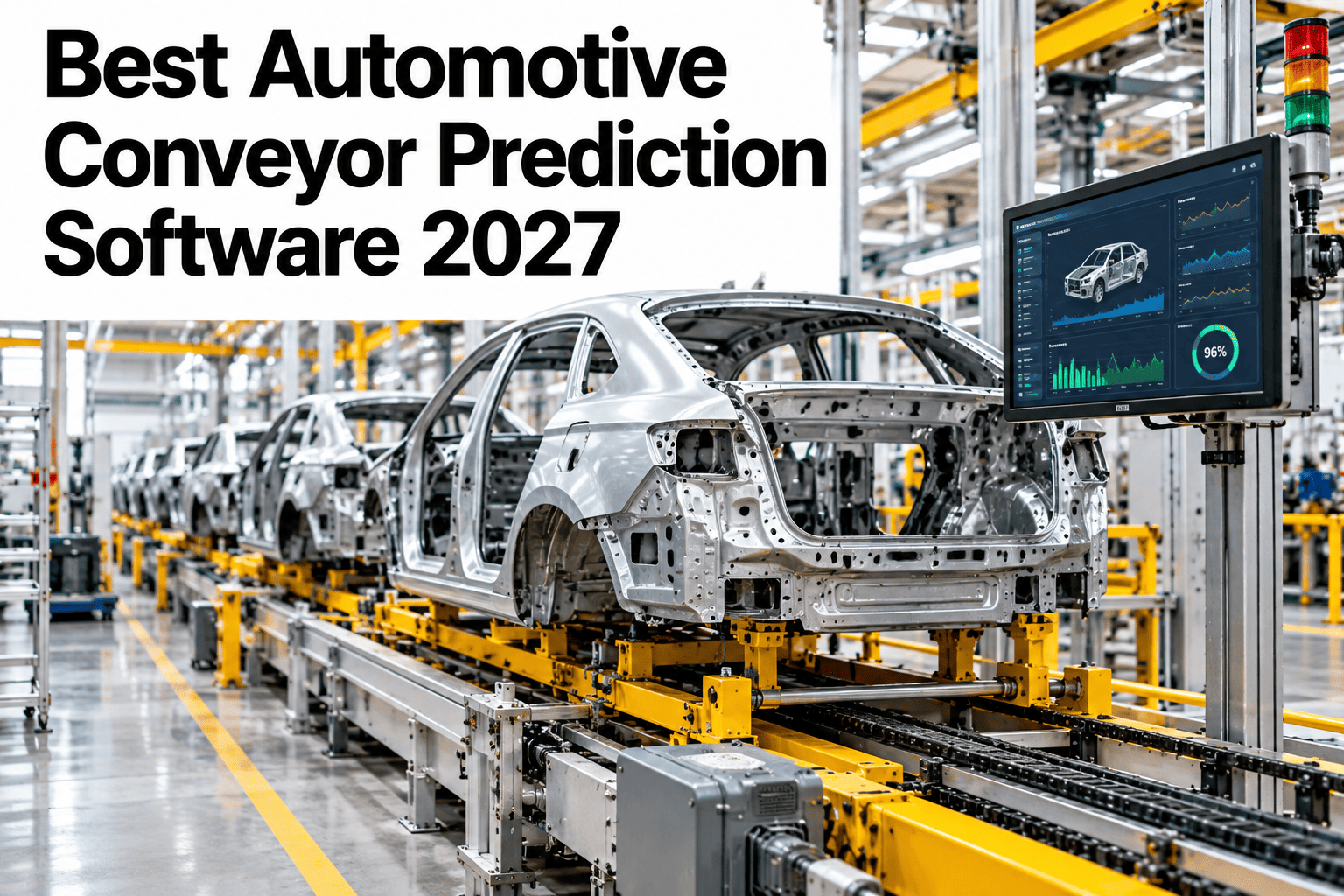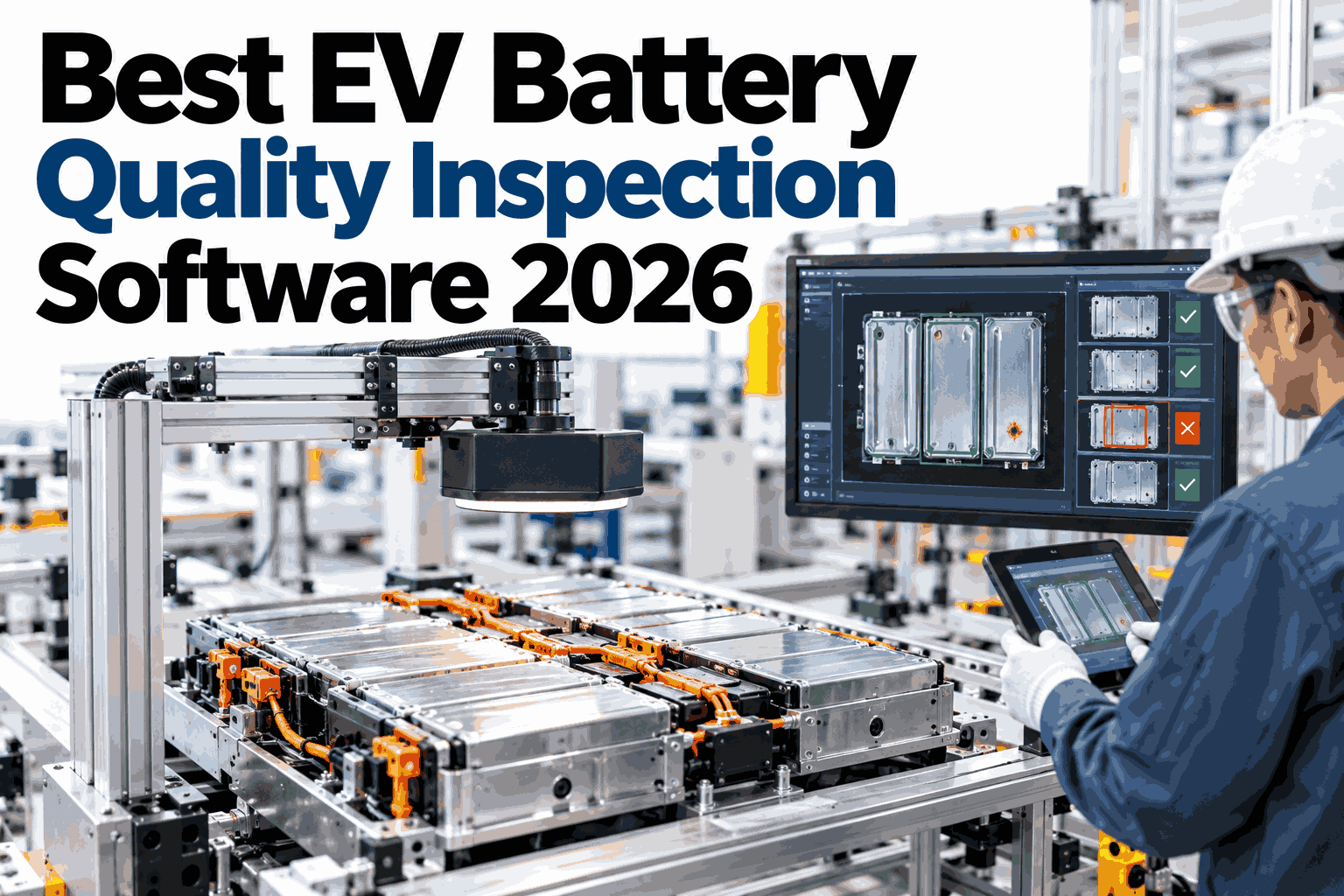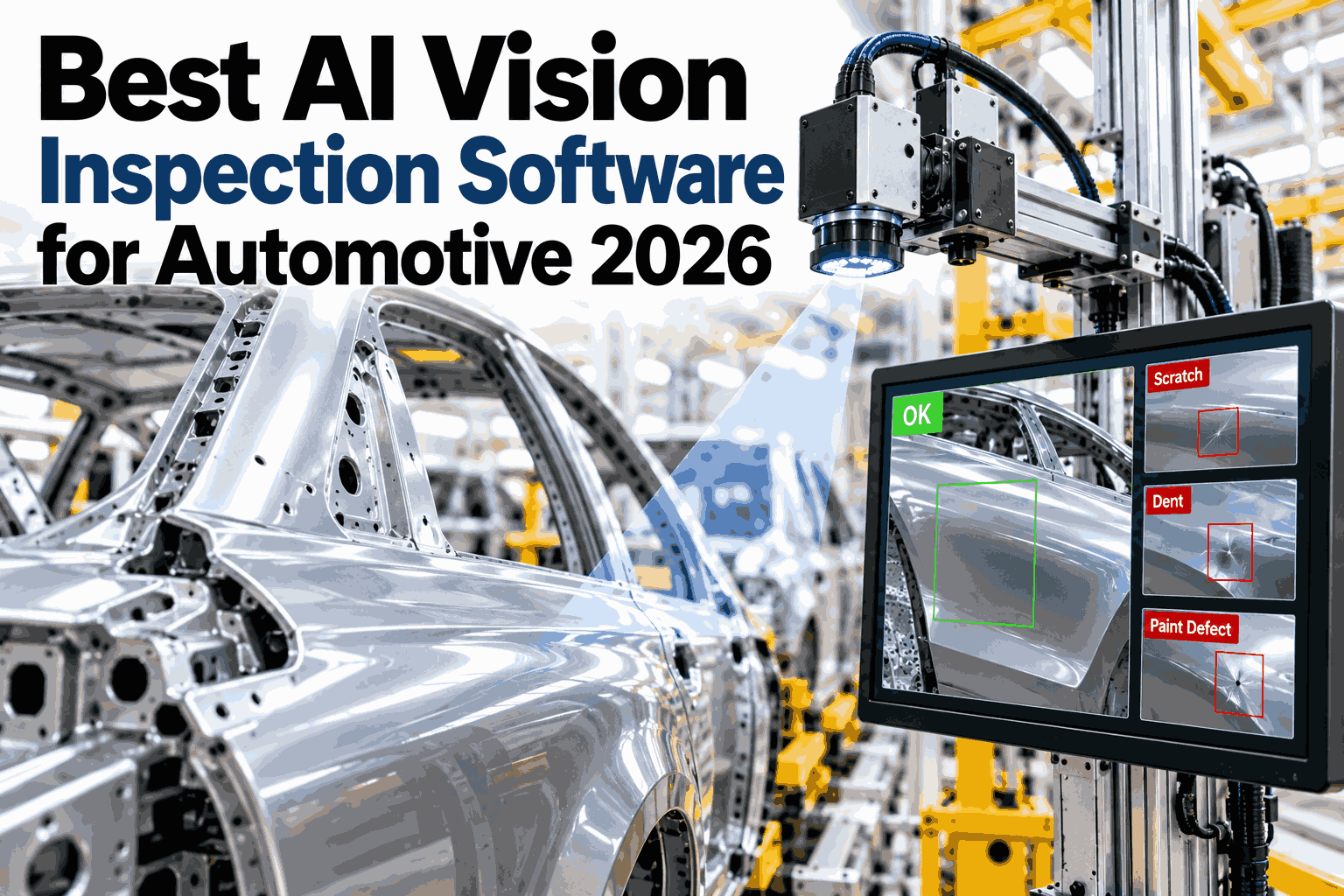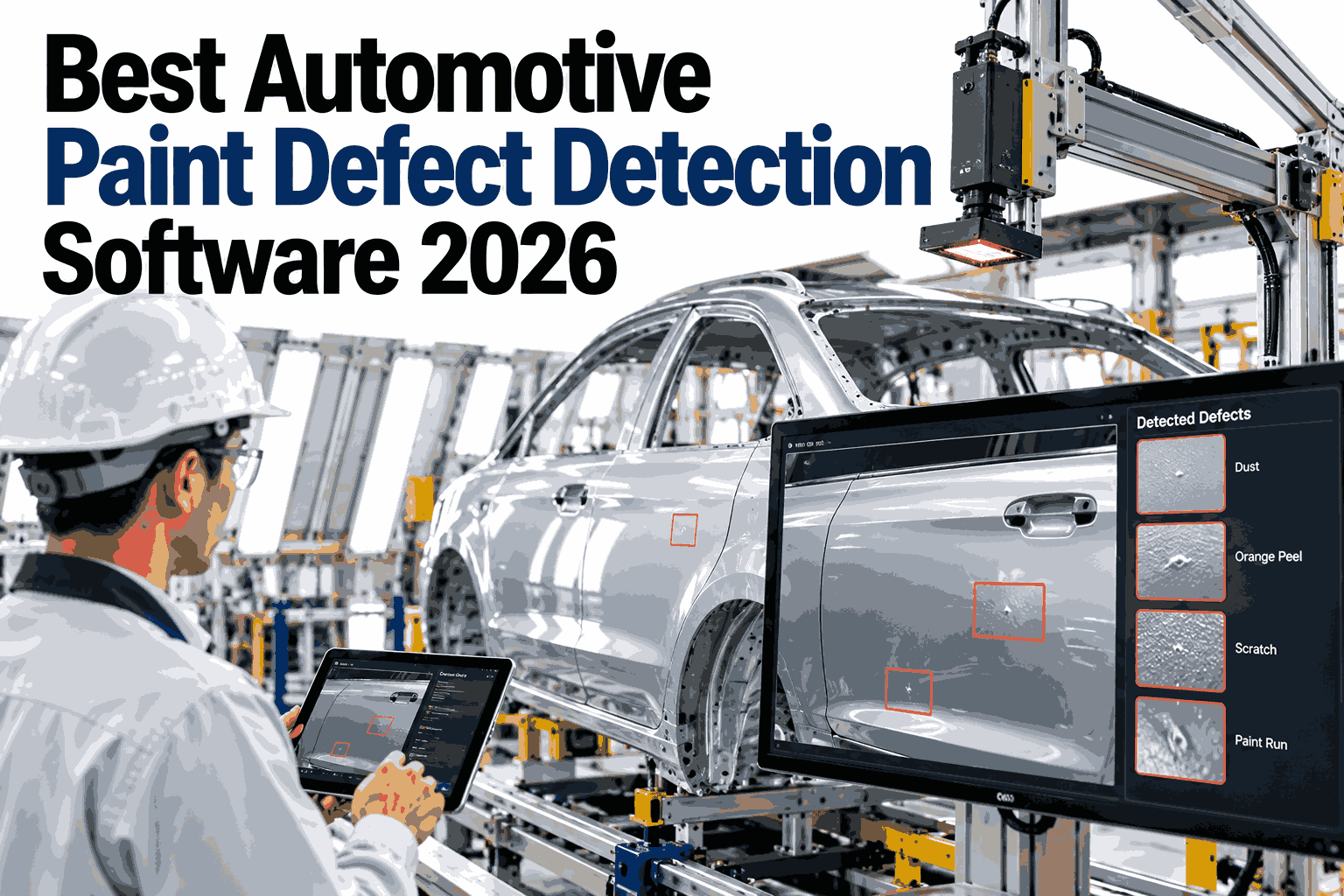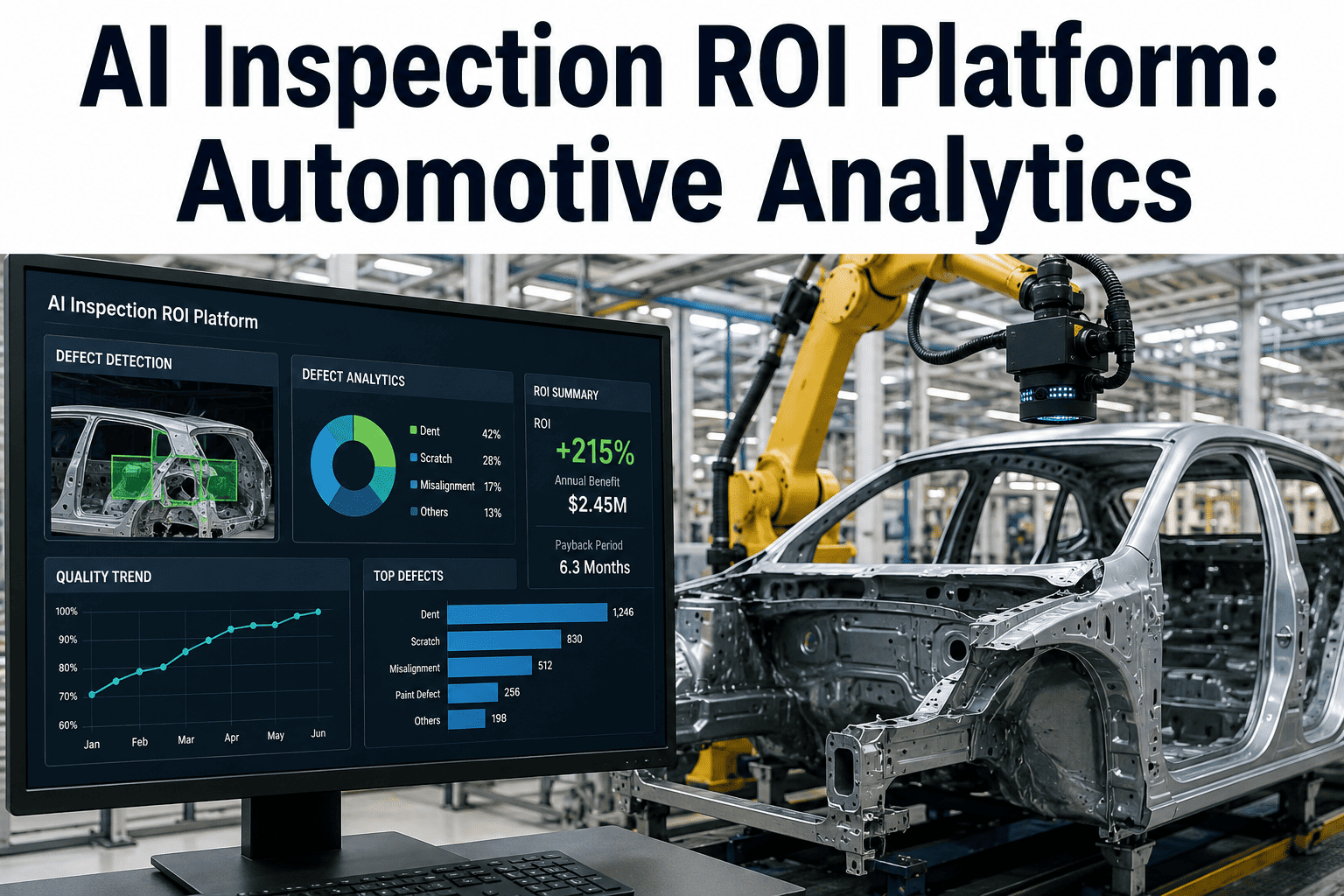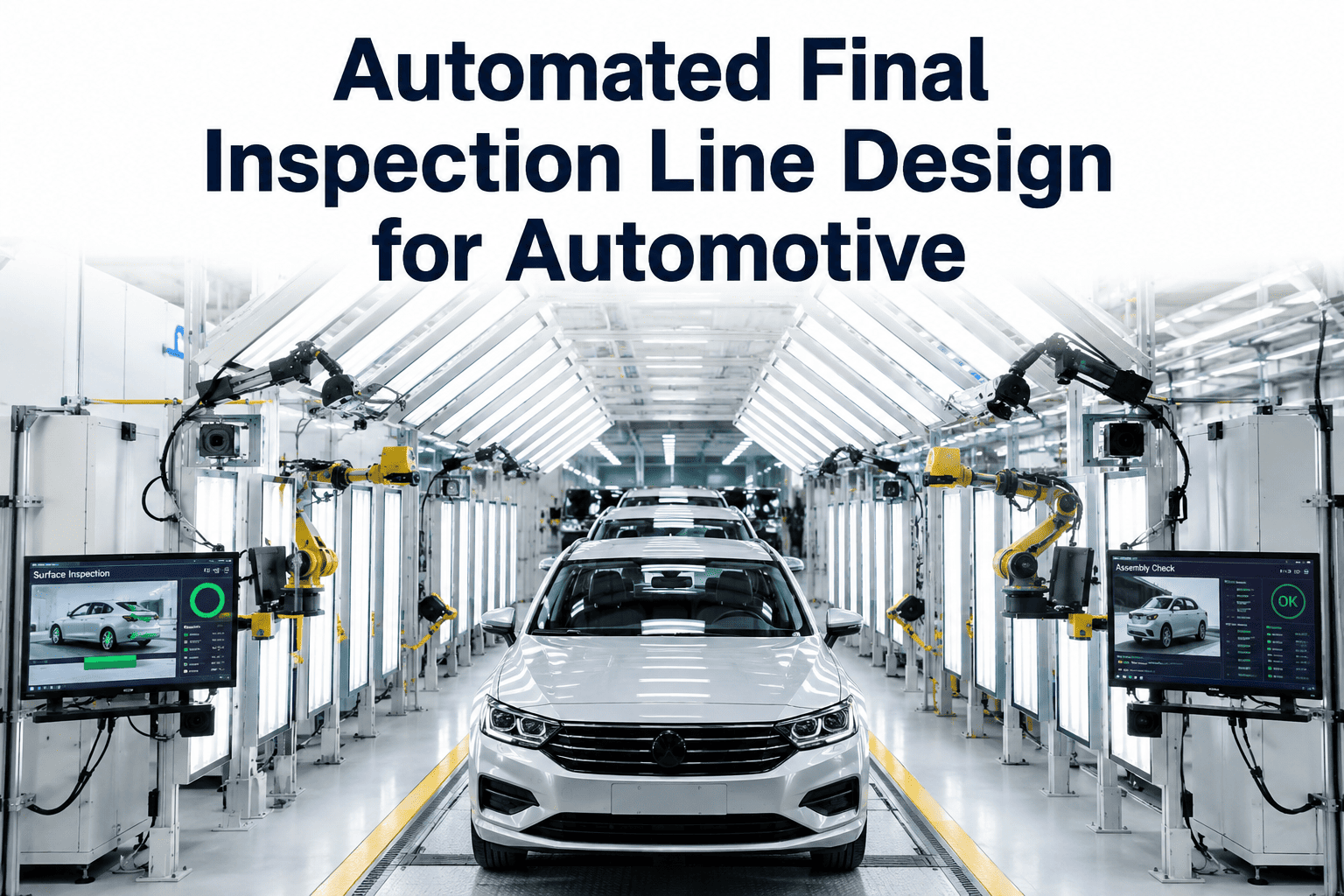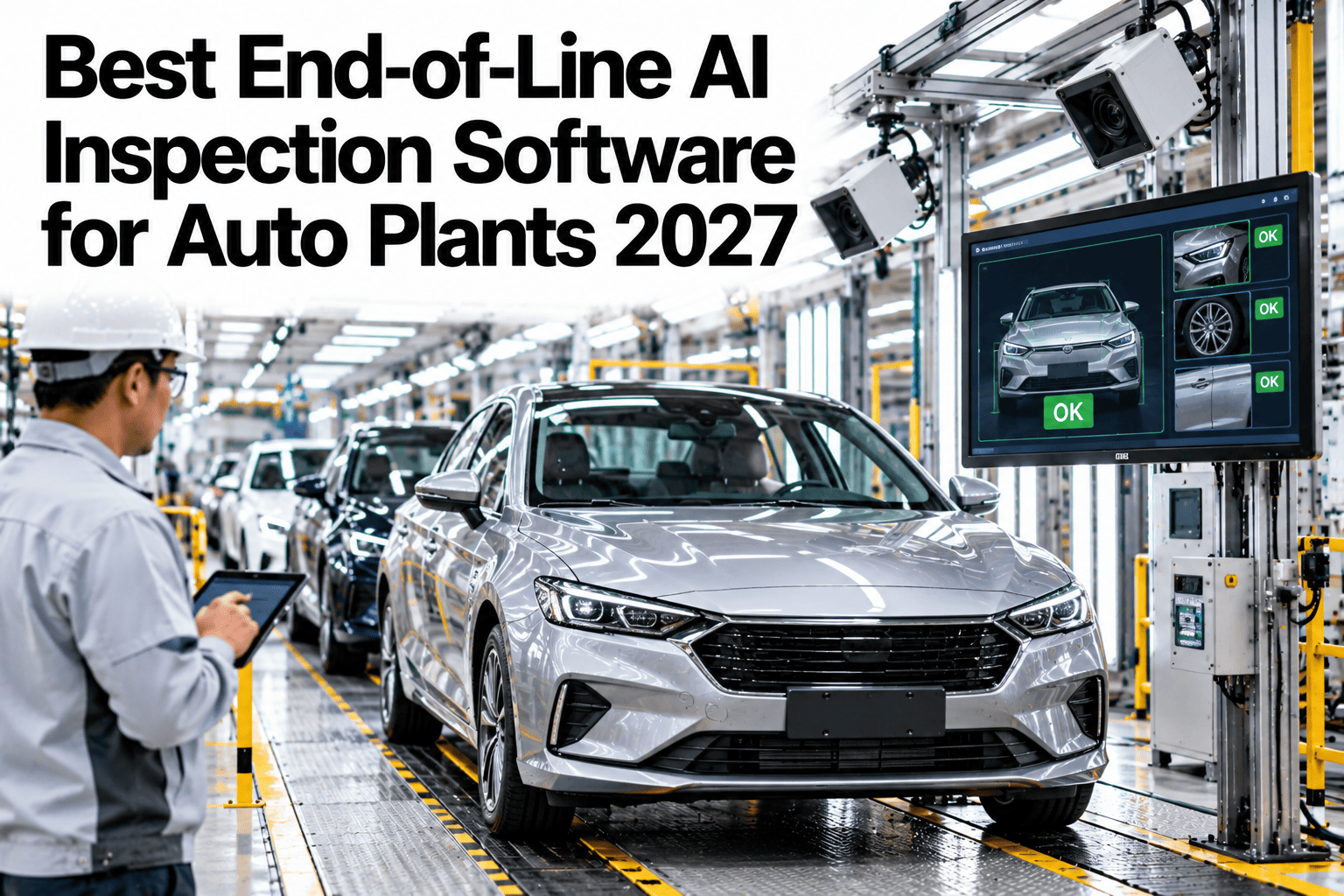
End-of-line inspection is the last point in an auto plant where a defect can still be caught before the vehicle is on a truck headed to a dealer, which makes it one of the worst places to rely on a visual check a tired inspector performs the same way on vehicle four hundred as on vehicle one. A missed defect at end-of-line does not just become a warranty claim, it becomes a VIN-specific quality record with no feedback loop back to whichever station actually caused it. Automating final inspection closes both gaps at once: catching more and tracing every defect back to its source. See end-of-line inspection automation running on your own plant's vehicles.
The Last Line of Defense, Finally Consistent
iFactory AI automates final inspection, classifies defects precisely, and feeds VIN-level quality data back to the stations that actually caused them.
A Tired Inspector Is Not a Consistent Inspector
A human inspector checking vehicle after vehicle at the end of a shift is working under exactly the conditions that degrade visual inspection quality the most, which means the defect rate a plant actually measures at end-of-line often says more about what hour of the shift it is than about the true condition of the vehicles coming through, and that inconsistency is invisible until it shows up as a field complaint weeks later.
Final-Inspection Automation
Consistent, camera-based inspection applied identically to every vehicle, every shift.
Defect Classification
Each defect categorized by type and severity, not just flagged as pass or fail.
VIN-Level Quality Feedback
Every defect traced to a specific vehicle and, where possible, its originating station.
Automate Your Own End-of-Line Inspection
Book a 30-minute session and see final-inspection automation and VIN-level defect tracing running on your own plant's vehicles.
Classifying Defects, Not Just Flagging Them
A pass-or-fail check tells a plant that something is wrong; a classified defect tells the plant exactly what is wrong and how urgently it needs attention.
| Defect Category | Example | Typical Severity |
|---|---|---|
| Cosmetic | Paint blemish, minor panel gap variance | Low, often reworkable before shipment |
| Functional | Misaligned trim affecting fit or operation | Moderate, requires rework before release |
| Safety-related | Improperly seated component affecting a safety system | High, vehicle held pending resolution |
| Documentation | Missing or mismatched build record for the VIN | Moderate, requires record reconciliation |
From Defect to Root Station
A classified defect is only as useful as the feedback loop it triggers back to where the problem actually started.
Defect Rate by Production Line
A composite view across assembly lines, scored by end-of-line defect rate over the past production week.
Rolling Out at End-of-Line
iFactory AI connects to end-of-line camera and inspection stations, linking results to your existing VIN and build record systems.
Expert Review
The feedback loop back to the originating station is usually what separates a plant that sees a lasting defect rate improvement from one that just gets better at catching the same recurring problem at the same final gate, shift after shift, without ever actually fixing it upstream.
Frequently Asked Questions
Does this replace our human inspectors entirely?
Most plants keep inspectors involved for review and edge cases, with automation handling the consistent first-pass inspection so human attention focuses on genuinely ambiguous cases. Support can discuss how this fits your current inspection team.
How accurate is automated defect classification compared to a trained inspector?
Accuracy depends on defect type and training data quality, and classification is validated against your plant's own historical inspection results before going live to confirm it meets your standard.
Can this trace a defect back to a specific station reliably?
Tracing accuracy depends on how completely your build record system logs station-level data; where that data is strong, root-station identification is correspondingly reliable. See tracing accuracy discussed on a call.
Does this integrate with our existing VIN and build record systems?
Yes, it connects to your existing VIN and build record systems rather than requiring a separate vehicle tracking process at end-of-line.
What happens to a vehicle flagged with a safety-related defect?
A safety-related flag holds the vehicle automatically pending review and resolution, rather than allowing it to proceed to shipment on the standard timeline. Ask support how hold workflows are configured.
Make the Last Line of Defense Actually Consistent
iFactory AI automates final inspection, classifies every defect, and feeds VIN-level quality data back upstream. Book a demo on your own plant's vehicles.