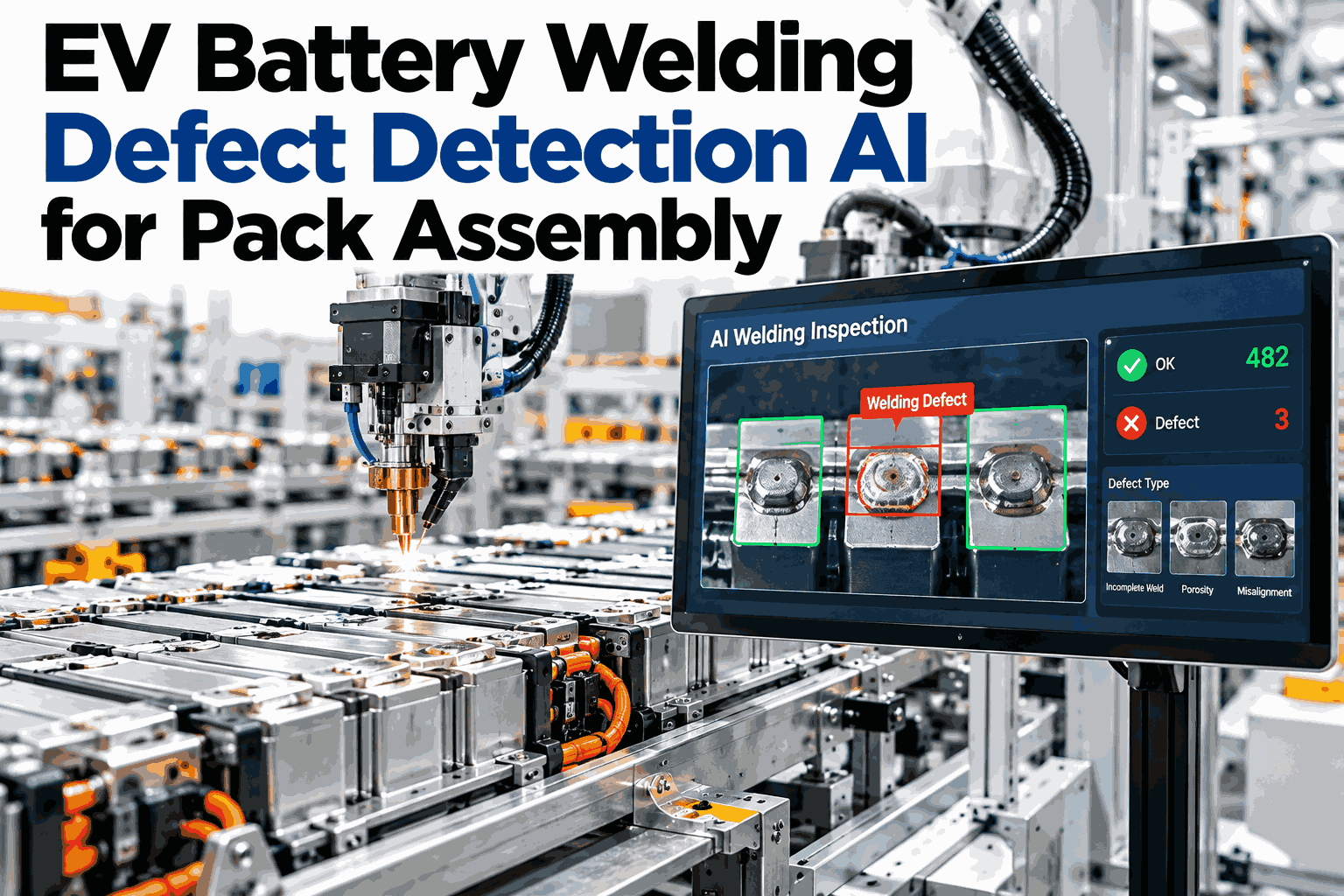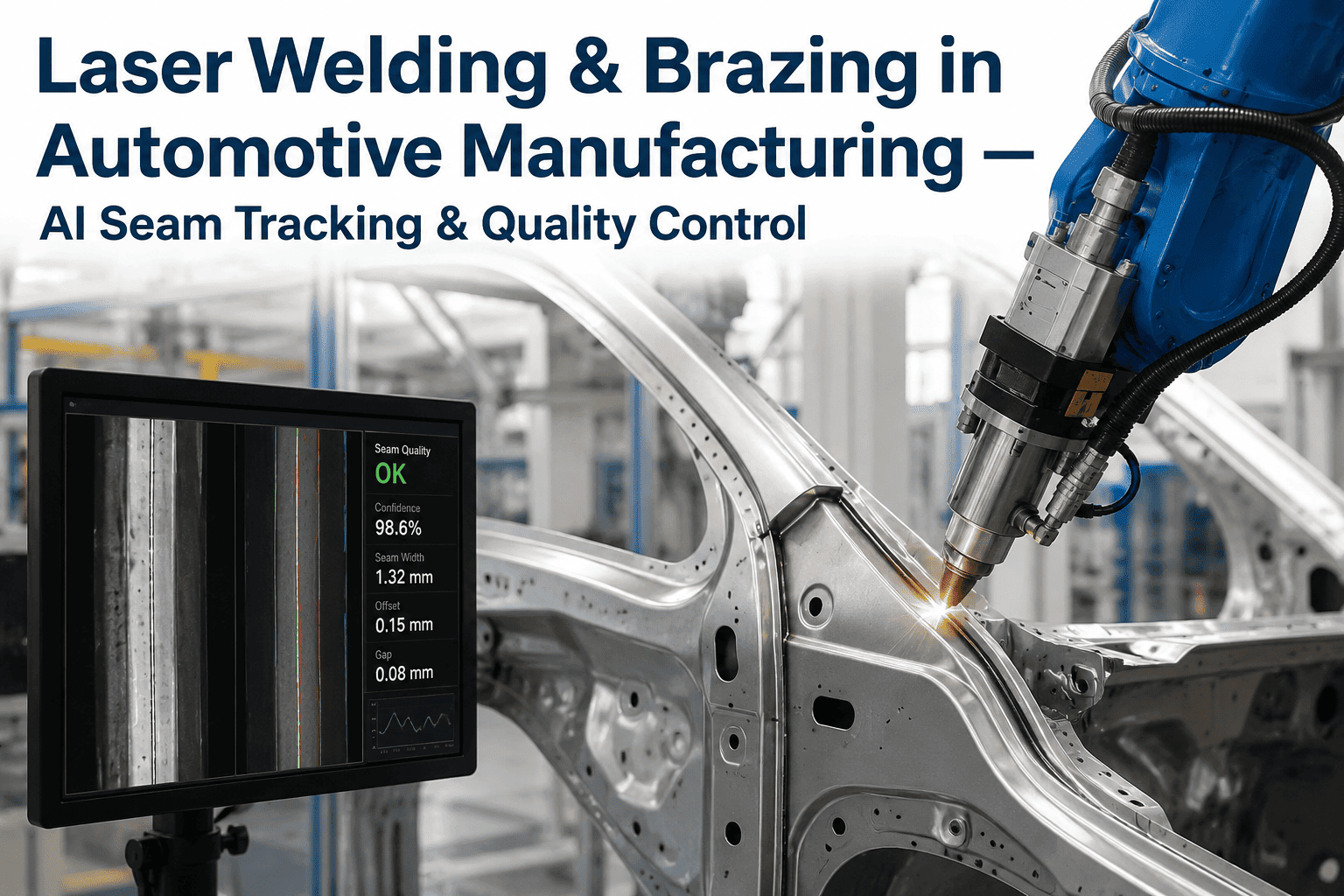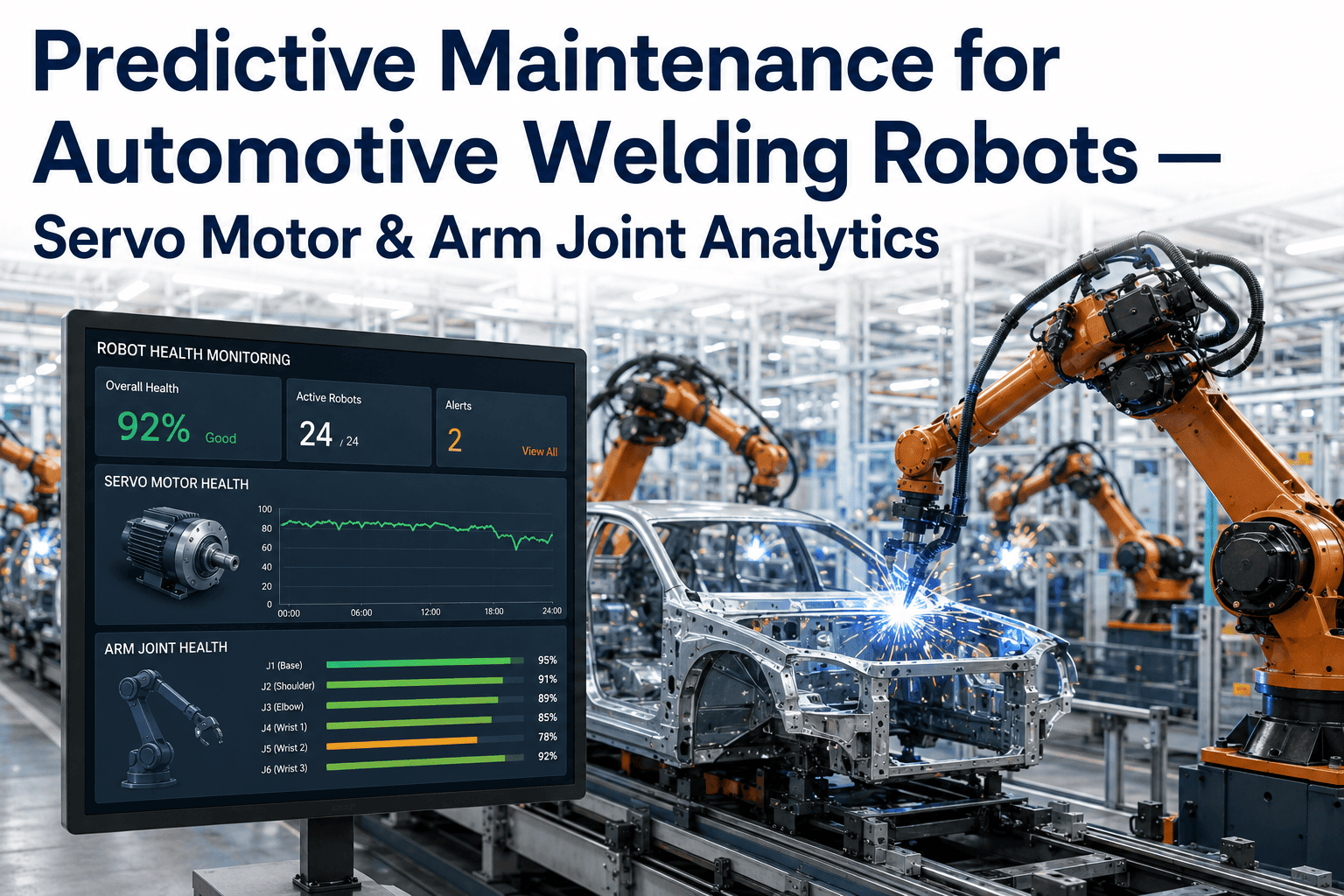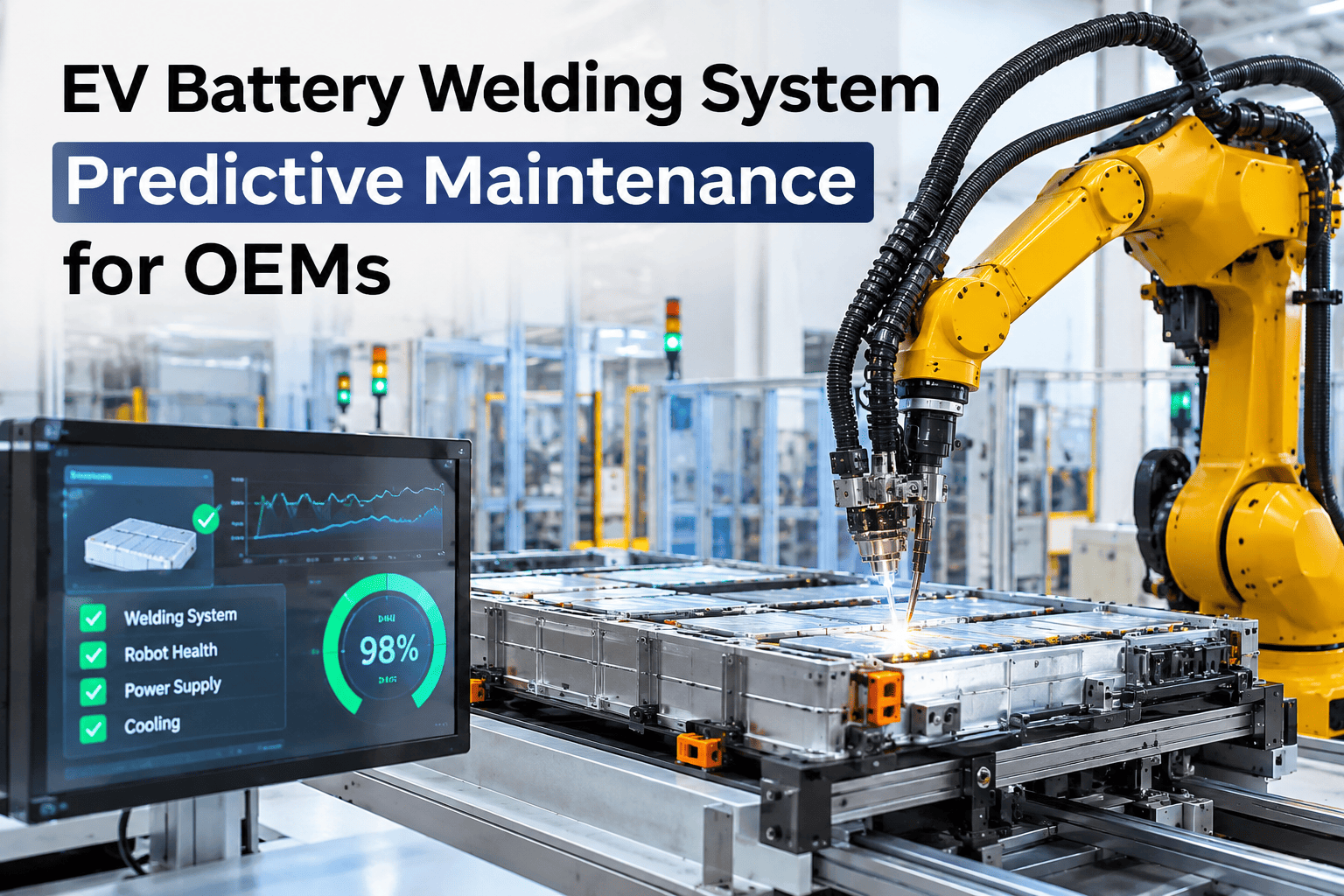
Laser welding on a battery assembly line depends on optics staying clean and a laser source staying within its rated output, and both degrade gradually rather than failing outright — which means weld quality can quietly drift for days before anyone notices a pattern in the defect rate. Tracking laser source health, optics contamination and beam quality as their own trend, separate from weld inspection results, catches that drift at its source instead of waiting for it to show up as scrapped welds. Auto OEMs running battery welding systems can review a welding system health check against their own laser data with iFactory AI.
Weld Defects Are the Symptom — Optics Contamination Is Often the Cause
iFactory AI tracks laser source health, optics contamination and beam quality as a continuous trend, catching welding system degradation before it shows up in defect rate.
Three Signals That Precede a Weld Quality Problem
By the time a weld quality issue shows up in inspection data, the underlying cause has usually been developing for some time. Tracking these three signals directly catches the cause earlier than waiting for the effect.
From Trend to Scheduled Maintenance
Check Your Own Welding System's Trend Before It Shows Up in Defects
Share recent laser and beam quality data and a short session will show whether your system is trending toward a service need.
A Composite Scenario: The Defect Rate That Pointed Back to a Dirty Lens
An OEM's battery welding line showed a gradual rise in weld defect rate over several weeks, and the initial investigation focused on potential material or fixturing changes, since the welding system itself had thrown no faults. Tracking beam quality directly showed a gradual decline consistent with optics contamination, well before it had caused enough defects to clearly implicate the laser system in a standard defect review. Cleaning the optics restored beam quality and resolved the defect trend immediately, avoiding further weeks of investigation into unrelated causes — a connection iFactory AI's team can help build into your own welding system monitoring.
Why Separating Cause-Level Monitoring From Defect-Rate Monitoring Matters
Defect rate alone tells you something is wrong but not what. Tracking laser source, optics and beam quality directly narrows the investigation immediately to the welding system itself, rather than leaving teams to rule out material, fixturing and other possible causes before eventually arriving at the actual source.
Frequently Asked Questions
Catch Welding Degradation Before It Shows Up as Scrap
iFactory AI tracks laser source health, optics condition and beam quality as a continuous trend. Book a walkthrough with your own welding system data.