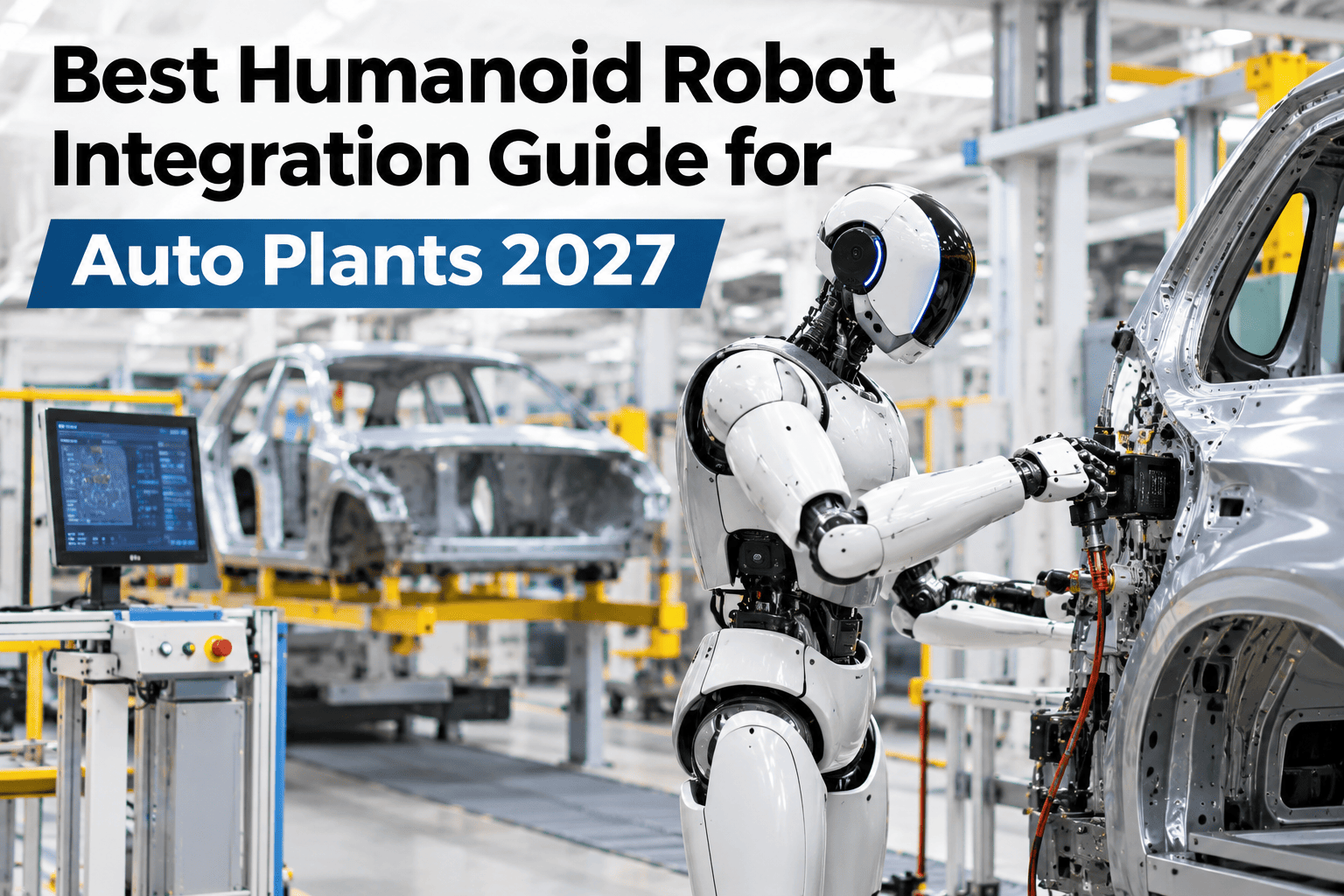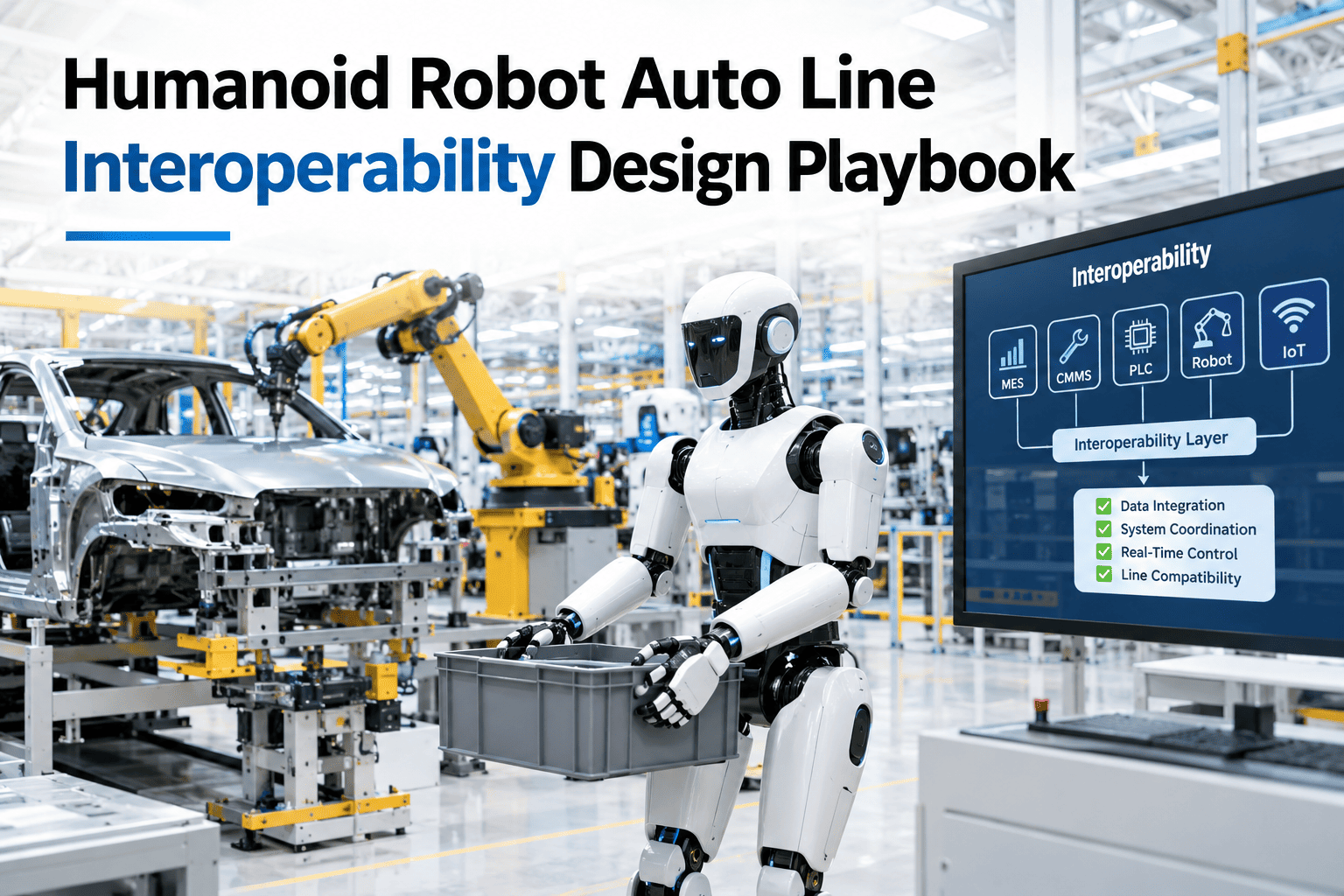
A humanoid that works perfectly in isolation still has to talk to the rest of the line — confirming to the PLC that a task finished, telling the MES what happened, and receiving a signal from the existing conveyor about when the next part has arrived. Without that handshake designed deliberately, a humanoid becomes an island on the floor rather than a station the rest of the line can rely on. Auto plant engineers scoping humanoid integration can review an interoperability design against their own PLC and MES setup with iFactory AI.
A Humanoid That Can't Talk to the Line Is Just an Island on the Floor
iFactory AI designs the PLC handshake, MES event mapping and conveyor integration a humanoid needs to work as a real station, not an isolated add-on.
Three Connections Every Humanoid Station Needs
A humanoid working alongside existing equipment needs to exchange specific signals with each system it touches, and skipping any one of these connections leaves a gap the rest of the line has to work around manually.
A Typical Handshake Sequence
Map Your Existing PLC and MES Signals Before Deployment
Walk through your current PLC and MES event structure to design a handshake the humanoid can plug into directly.
Why Existing-Conveyor Integration Matters More Than It First Appears
Replacing an existing conveyor to accommodate a new humanoid station adds cost and disruption that often isn't necessary. Most existing conveyor systems already emit timing and position signals a humanoid can be integrated to read, without requiring hardware changes — the work is in designing the connection, not replacing the equipment.
A Composite Scenario: The Station That Finally Fit In
A plant's first humanoid pilot ran successfully in isolated testing but caused confusion on the real line, since neither the PLC nor MES had any visibility into what the robot was doing — operators had to watch it directly to know its status. Designing a proper handshake that reported task start, completion and faults in the same format other stations already used let the humanoid's status appear on the same dashboards operators already monitored, removing the need for separate visual supervision. The station finally behaved like any other part of the line rather than a special case everyone had to work around — a design iFactory AI's team can help build against your own PLC and MES systems.
Frequently Asked Questions
Make Your Humanoid a Real Station, Not an Island
iFactory AI designs the PLC handshake, MES mapping and conveyor integration your humanoid needs to work with the rest of the line. Book a walkthrough.