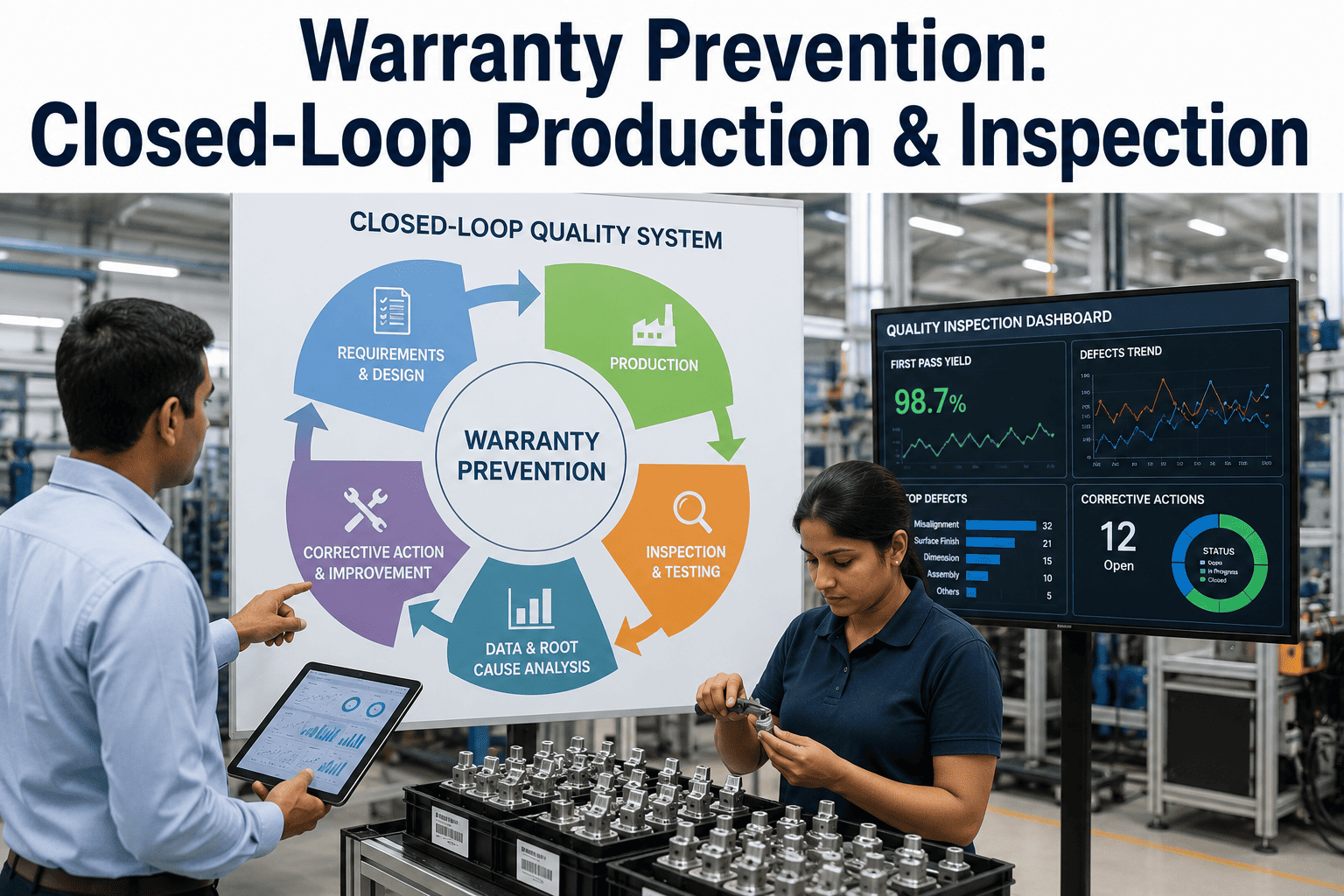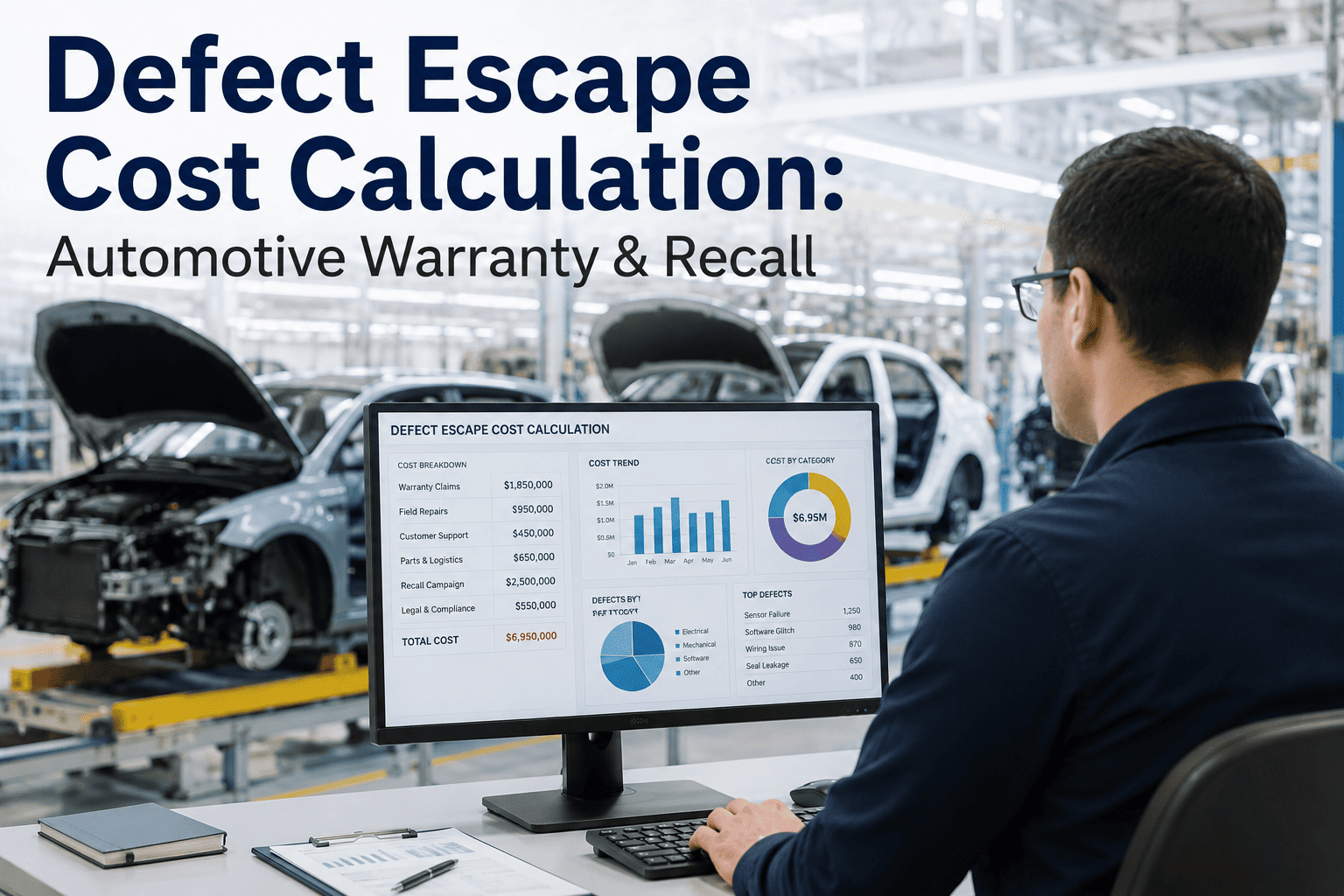
A defect caught at the station it was created costs a touch-up. The same defect caught at final inspection costs a teardown, and if it slips past that, it costs a warranty claim or a field action. The gap between those outcomes is almost entirely about where inspection sits on the line, not how good any single inspector is. Auto assembly teams working to pull defect discovery earlier can map their current inspection points against an upstream design in a short working session with iFactory AI.
Every Station a Defect Skips Past Makes It More Expensive to Fix
iFactory AI helps assembly plants move inspection upstream, close containment loops faster, and stop defects from surfacing three stations too late.
The Cost Ladder: What Late Discovery Actually Costs
The further a defect travels before anyone catches it, the more work has to be undone to fix it. The ladder below is illustrative, but the shape — a steep jump at each stage — holds across nearly every assembly plant.
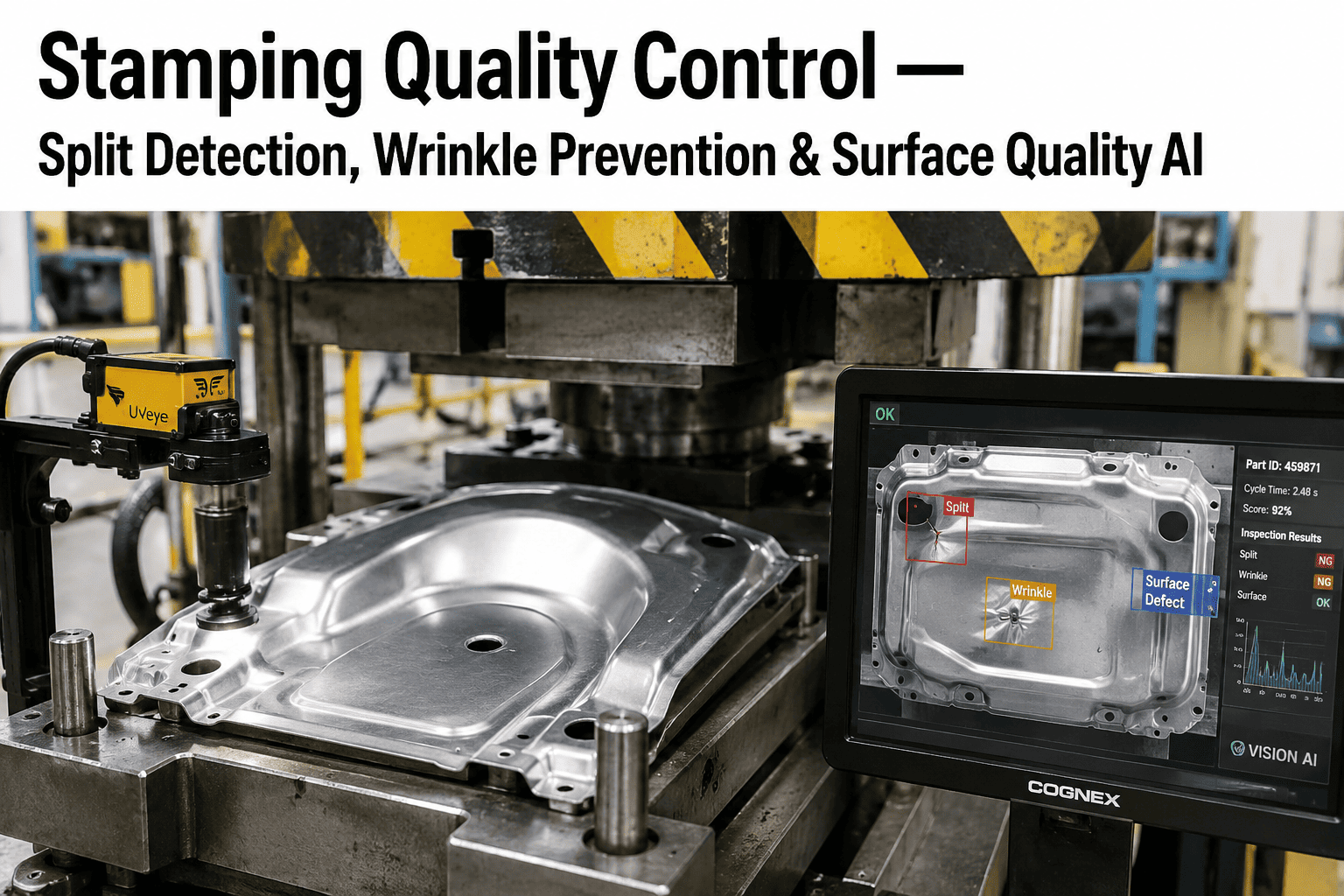
Where Upstream Inspection Actually Pays Off
Moving a checkpoint upstream only helps if it sits where the defect is actually created, not simply earlier on the line for its own sake. The comparison below shows what changes when a checkpoint moves from end-of-line back to the point of creation.
See Where Your Checkpoints Actually Catch Defects Today
Bring your current inspection map and a short session will show which checkpoints are catching defects created several stations earlier.
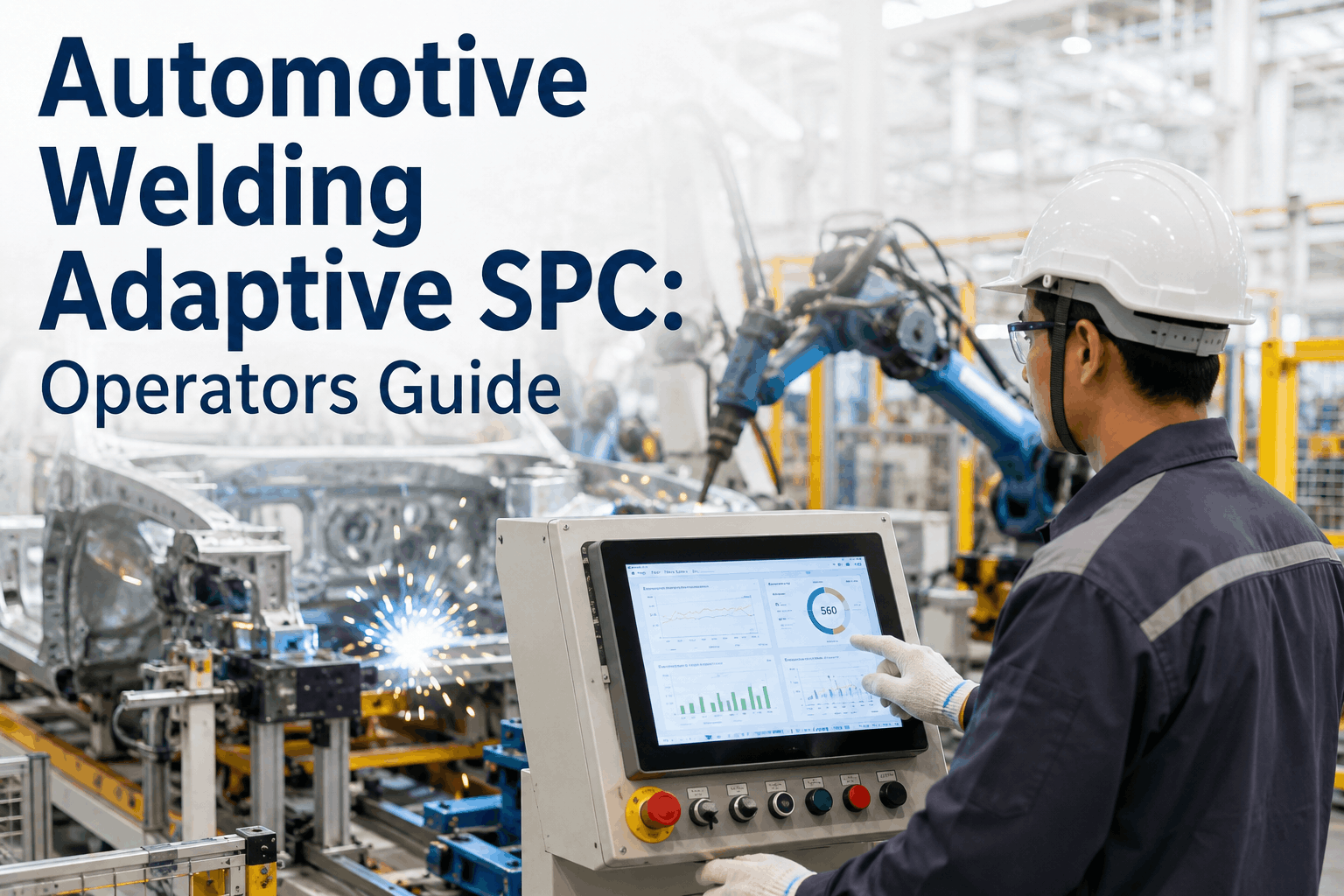
Four Steps to Expand In-Line Checkpoints Without Slowing the Line
What Closed-Loop Containment Looks Like in Practice
Containment means a defect that is caught does not simply get fixed once — it triggers a check on every part that passed through the same station since the last good check, so the whole suspect batch is addressed, not just the one unit that happened to get caught.
A Composite Scenario: The Three-Station Delay
An assembly plant's final inspection regularly caught a fastener torque defect, and the standard response was a quick rework at that final station. A review of station data showed the defect was actually created three stations earlier, where a torque tool had started drifting out of calibration — but because nothing was checked until final inspection, every shift ran for hours with the same drifting tool before anyone noticed. Moving a quick torque verification to the station where the fastener was actually installed caught the drift within the same shift it started, well before the defect could travel at all, a change iFactory AI's support team can help design around your own torque and fastening data.
Balancing Checkpoint Coverage Against Line Cycle Time
Not every station can absorb a new checkpoint without some impact, so the decision usually comes down to weighing a small, consistent cycle-time cost against the far larger cost of late discovery for that specific defect. High-value or safety-related defects almost always justify the tradeoff; low-cost cosmetic issues often do not.
A practical rule many plants use is to size any new checkpoint so it fits within existing station dwell time rather than adding a dedicated step, which keeps the line rate untouched while still closing the detection gap.
What Changes in the Weekly Quality Review Once Checkpoints Move Upstream
When defects are caught closer to their source, the weekly quality review shifts from a list of symptoms spotted at the end of the line to a much shorter list of root causes tied directly to a station. That shift tends to make review meetings faster and the resulting corrective actions more specific, since there is no longer a multi-station gap to investigate before anyone can even agree on where the problem started.
Frequently Asked Questions
Stop Letting Defects Travel Further Than They Should
iFactory AI helps you trace defects back to their creation point and close containment loops automatically. Book a walkthrough with your own line data.