A vision AI system that flags a part as defective without saying why puts a quality engineer in an uncomfortable position: override a machine they cannot question, or trust a verdict they cannot explain to an auditor. That gap matters more in automotive than almost anywhere else, where every rejected part needs a reason an OEM auditor will accept on paper. Explainability turns a black-box score into something a quality engineer can actually defend, by showing which pixels drove the decision and how confident the model was. Without it, teams either stop trusting the system or stop questioning it, and both outcomes create risk. Quality engineers evaluating vision AI platforms can see heat-map reasoning behind a live defect call before deciding which system earns a place on the line.
Vision AI Explainability for Automotive Quality Engineers
Heat-map reasoning, decision confidence and defect-category logic that turn a verdict into evidence.
Illustrative heat map: darker cells mark the region that drove the defect call
Why a Score Alone Isn't Enough
A defect score without reasoning creates three specific problems for the quality floor.
Operators overriding a flagged part have nothing concrete to point to when challenging the call.
OEM auditors expect a documented reason for every rejection, not just a pass or fail number.
Without visibility into reasoning, a model slowly drifting off target is hard to catch early.
Explainability does not change the verdict. It turns the verdict into something a person can check, question and document.
Three Layers of Explainability
A defensible vision AI system answers three different questions, not just one.
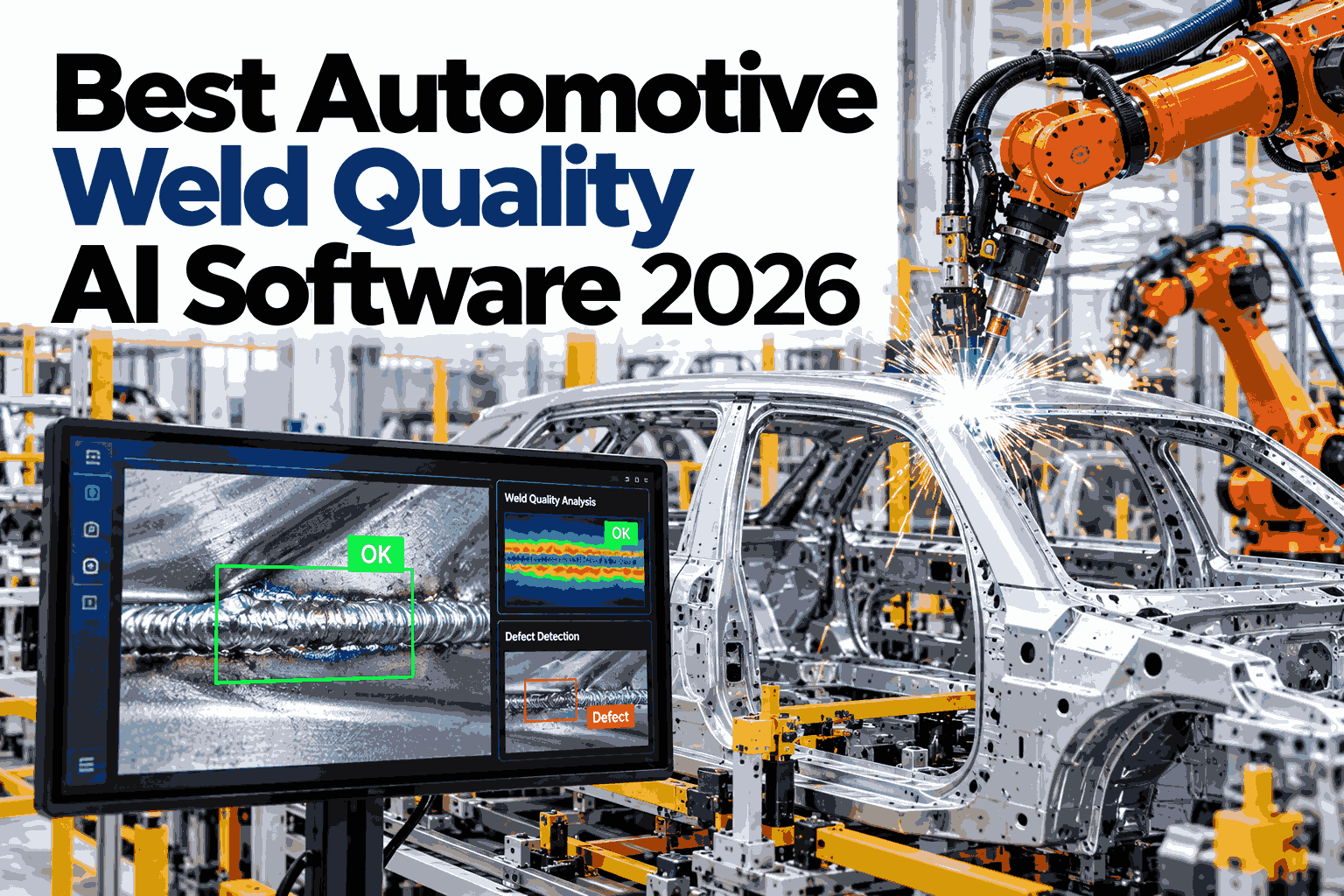
A heat map highlights the exact region of the image that influenced the decision most.
A confidence score shows how close the call was, separating clear defects from borderline ones.
Defect-category reasoning explains why the model classified the flaw as a scratch, dent or weld gap.
Walk Through a Borderline Call on Your Own Parts
Book a 30-minute session and bring a disputed defect. iFactory AI will show the heat map and confidence score behind the call.
Reading a Confidence Score
Confidence is not a pass or fail flag by itself. It tells the engineer how much weight to put on the call.
Clear-cut defect, suitable for automatic rejection without manual review.
Likely defect, routed to a human checker before the part is scrapped.
Borderline case, flagged for review and used to improve the next training cycle.
What iFactory AI Supports
Every call on the line comes with the evidence an engineer or auditor would ask for.
Per-Defect Heat Maps
Every flagged part stores the region of the image that triggered the decision.
Confidence Logging
Each call is stored with its confidence score for later audit or dispute review.
Defect-Category Reasoning
The model explains which visual pattern matched the assigned defect category.
Override Tracking
Operator overrides are logged against the original call to monitor model accuracy over time.
iFactory AI ships on a pre-configured NVIDIA server, racked and ready with software pre-loaded. Scope covers camera calibration, explainability layer setup, team training and 24x7 remote monitoring.
Expert Review
Explainability earns its keep the first time a disputed rejection goes to an OEM audit. A heat map and confidence score turn a fifteen-minute argument into a thirty-second check, and that alone changes how much operators trust the system day to day.
The confidence-band routing above reflects what has worked across weld and paint lines: automate the clear calls, route the borderline ones to a person, and use every borderline case to improve the next training cycle rather than letting it sit unreviewed.
Frequently Asked Questions
Does a heat map slow down the inspection decision?
No, the heat map and confidence score are generated alongside the defect call, not as a separate step afterward. The line-stopping decision happens at the same speed as a system without explainability. The heat map is simply stored and displayed for review when needed. See the timing in a live demo.
Can heat maps be exported for an OEM audit?
Yes, each defect record can be exported with its heat map, confidence score and category reasoning attached, formatted for OEM review. This removes the need to manually reconstruct evidence after the fact. Most quality teams pull these records directly when preparing for a scheduled audit. Ask support about audit export formats for your OEM.
How is defect-category reasoning different from a confidence score?
A confidence score says how sure the model was, while category reasoning explains why it chose scratch over dent, or weld gap over porosity. Both are useful but answer different questions, which is why a defensible system reports them separately rather than combining them into one number. Request a walkthrough of both outputs together.
What happens when an operator overrides a flagged defect?
The override is logged alongside the original heat map, confidence score and the operator's reason, creating a record that can be reviewed later. Repeated overrides on similar calls are a signal the model may need retraining on that defect type. Contact support to see how override trends are surfaced on the dashboard.
Can explainability data help retrain the model over time?
Yes, borderline calls and operator overrides are natural candidates for the next training cycle, since they mark where the model's confidence was weakest. Feeding these back in tends to improve accuracy faster than retraining on random samples alone. Book a session on the retraining workflow to see how cases are selected.
Turn Every Defect Call Into Evidence an Auditor Accepts
iFactory AI pairs every defect verdict with a heat map, a confidence score and a category reason. Book a walkthrough on your own parts.