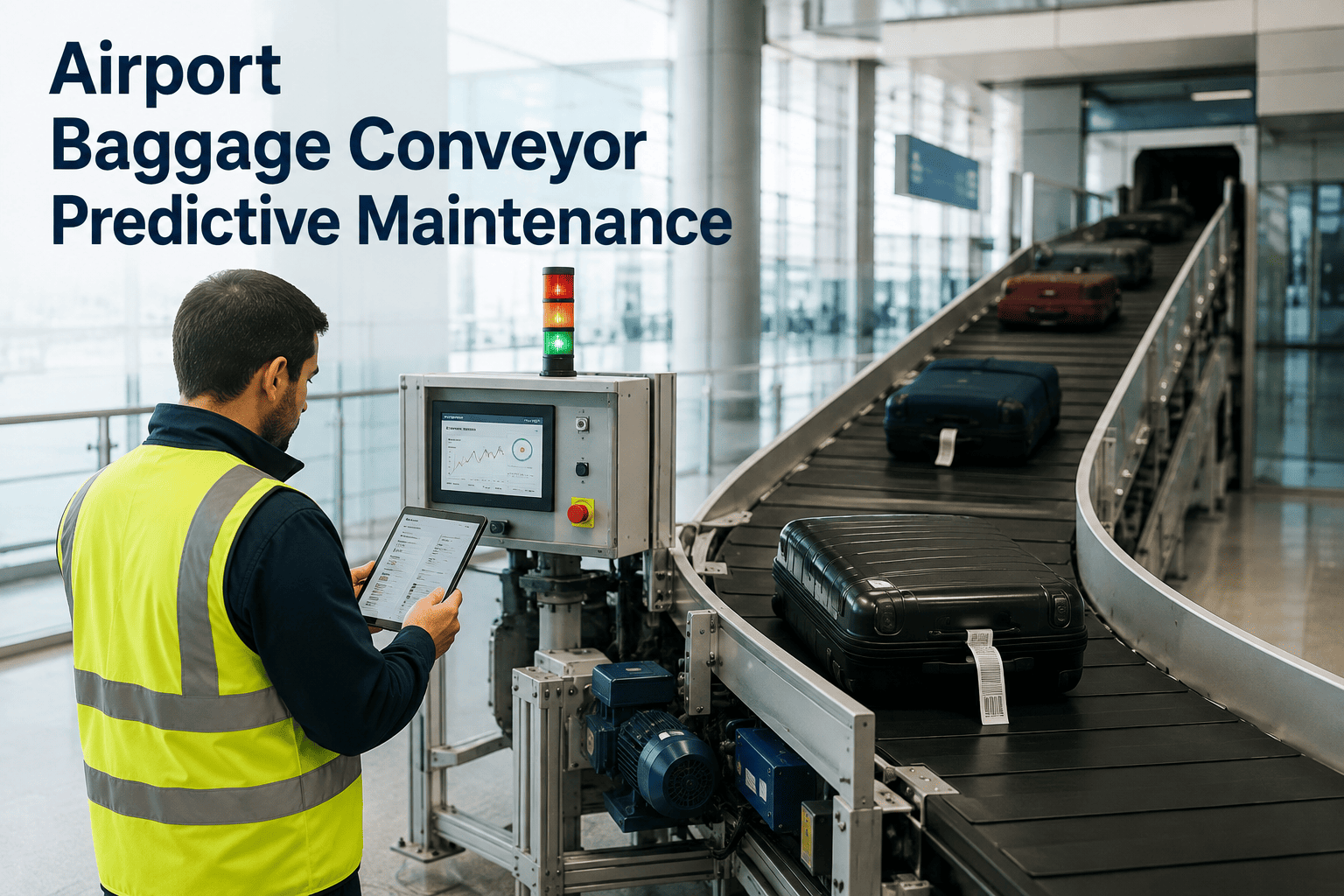
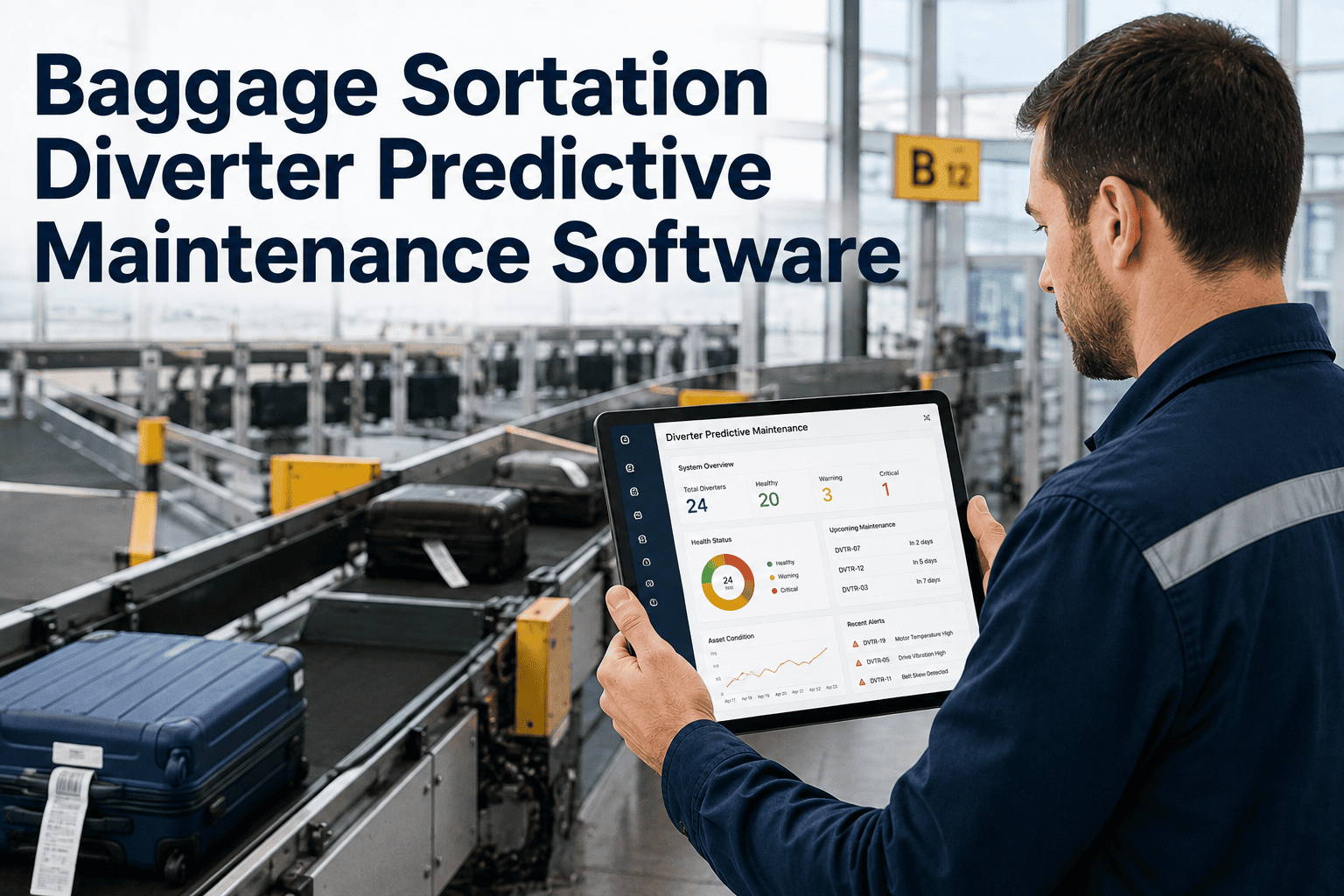
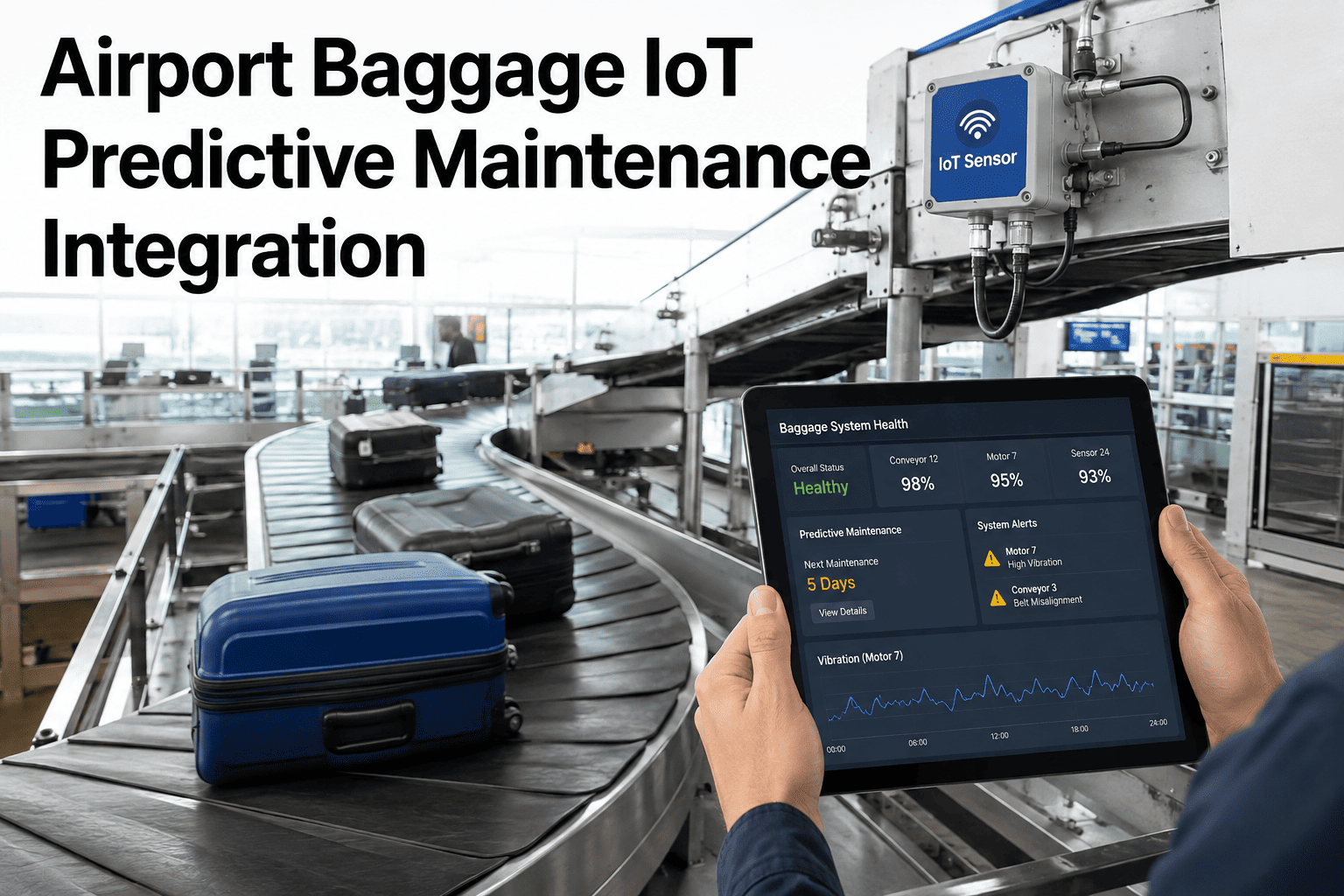
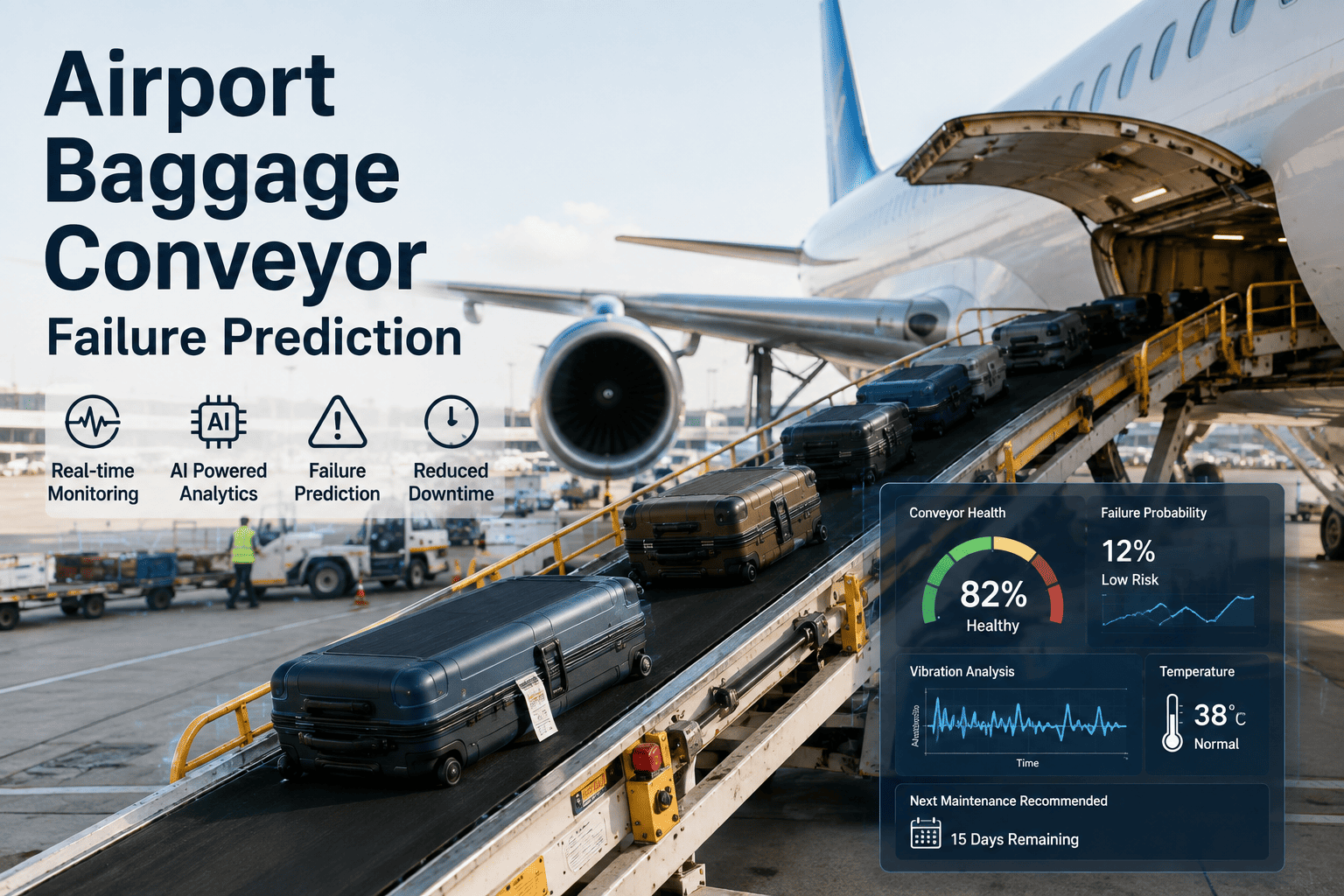
A single baggage conveyor motor bearing wearing down for weeks looks like nothing on a routine walkthrough, right up until the moment it seizes during evening peak and the belt stops moving mid-transfer. At a major hub, an unplanned baggage system stoppage can cost operators upward of $100,000 an hour, and just ten minutes of downtime on a busy line can leave thousands of bags stranded mid-journey with no automated way to tell them where to go next. Most conveyor failures give off measurable warning signs, in vibration, motor current draw, and running temperature, long before they turn into an unplanned stop, but only if something is actually watching for them between scheduled inspections. iFactory turns ordinary conveyor telemetry into predictive maintenance alerts and automated work orders, and you can book a demo to see it running against your own baggage system's maintenance history.
BAGGAGE HANDLING SYSTEMS · CONVEYOR RELIABILITY · PREDICTIVE MAINTENANCE
Catch The Conveyor Failure Before It Ever Stops A Bag
iFactory reads live conveyor telemetry, cross-references it against maintenance history and past inspections, and opens a work order before a worn bearing, a slipping belt, or a failing drive motor turns into an unplanned outage on the floor.
THE COST OF NOT KNOWING
What An Unplanned Conveyor Stop Actually Costs An Airport
Baggage conveyors rarely fail without warning. What actually happens is that the warning gets missed, because nobody was reading the motor current, the vibration signature, or the belt tension trend closely enough to catch it while there was still time to schedule a repair instead of absorbing an outage. The numbers below reflect what industry research and airport operators consistently report about the cost of that gap, and why closing it has become one of the highest-return investments a baggage handling program can make.
$100K+
Cost Per Hour Of Unplanned Downtime
Unplanned baggage system outages at major hub airports can run upward of $100,000 an hour once delayed flights, rebooked connections, and manual recovery labor are counted together.
6,000
Bags Stranded In Ten Minutes
At a large hub, even a ten minute stoppage on the baggage handling system can leave roughly six thousand bags mid-route with no automated path forward, each one now needing manual intervention.
$6.3B
Industry-Wide Mishandling Cost
Mishandled baggage cost the airline industry roughly $6.3 billion in a recent year, a figure equal to about 15 percent of total airline profit for that period.
20-35%
Downtime Reduction With Prediction
Airports that adopt predictive maintenance frameworks for their baggage conveyors report a 20 to 35 percent reduction in unplanned downtime compared to reactive or purely calendar-based upkeep.
FAILURE MODES
The Four Conveyor Failures That Bring A Baggage Line Down
Conveyor components rarely fail all at once. They degrade gradually, and each failure mode leaves its own measurable fingerprint on motor current, vibration, or temperature well before the belt actually stops moving. Knowing what to watch for on each component is what separates a maintenance program that reacts to breakdowns from one that gets ahead of them.
01
Bearing And Roller Wear
Worn bearings generate a rising, high-frequency vibration signature well before they seize, making vibration monitoring one of the earliest and most reliable indicators available on a conveyor line.
02
Belt Misalignment And Slip
A belt drifting out of alignment increases friction and edge wear gradually, showing up first as a slow climb in motor load and running temperature rather than a sudden stoppage.
03
Drive Motor Overload
Motors under mechanical strain draw more current than their baseline for that load, and tracking current draw against historical norms flags an overloaded drive long before it trips out.
04
Chain And Drive Component Fatigue
Drive chains and sprockets stretch and wear over accumulated run hours, and tracking runtime against the maintenance history is what catches fatigue before a link fails mid-shift.
Stop Finding Out About Failures After They Happen
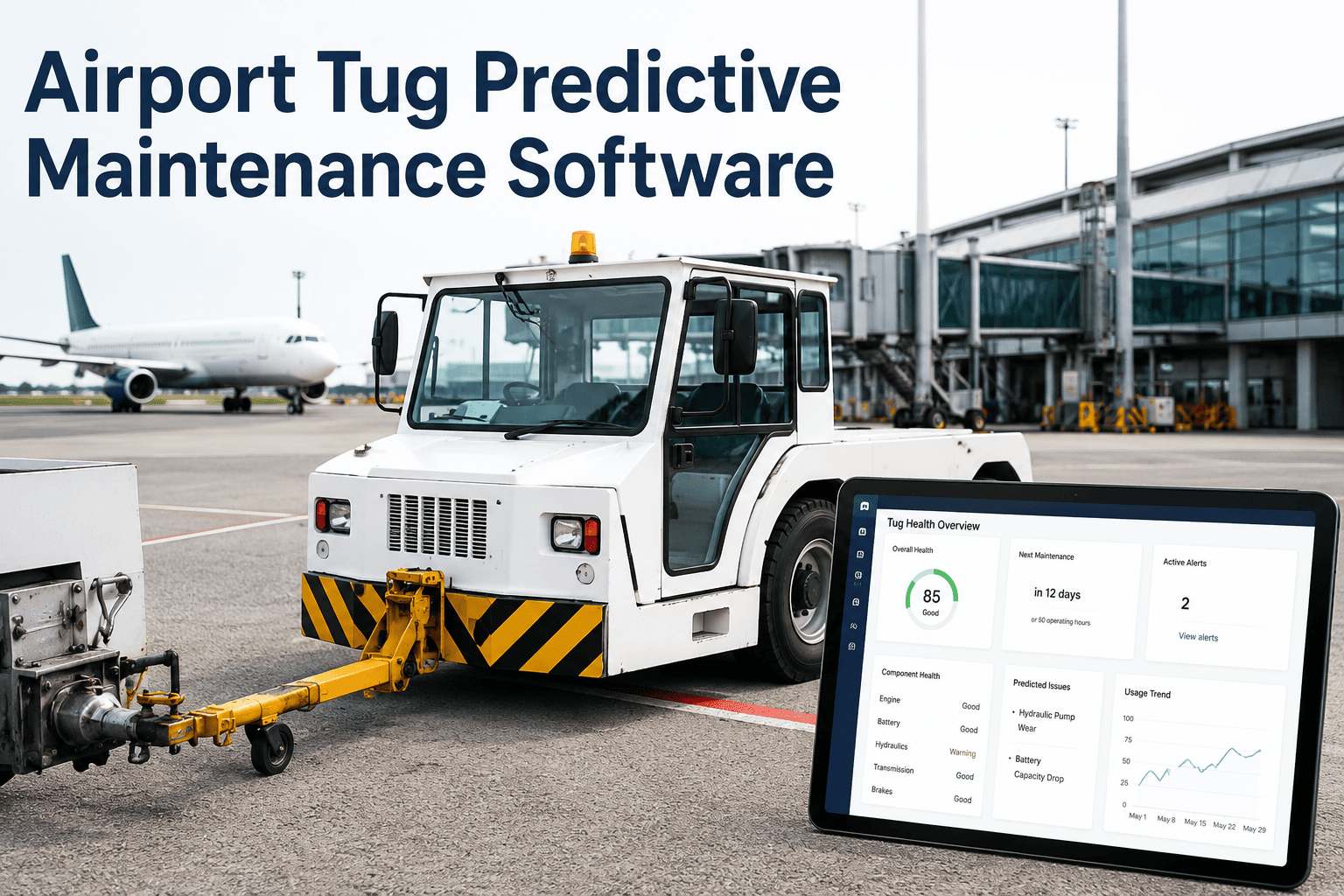
iFactory connects live conveyor telemetry to your maintenance history, inspection records, and work order system, so a drifting signal becomes a scheduled repair instead of an unplanned stop on the floor.
MAINTENANCE APPROACH COMPARISON
Reactive, Scheduled, And Predictive Maintenance Side By Side
Every baggage handling program runs on one of three maintenance philosophies, and most run on a mix of all three depending on the component. Understanding what each approach actually costs in downtime risk, labor pattern, and parts spend is the starting point for deciding where predictive monitoring pays off fastest on your own conveyor network.
HOW IT WORKS
How iFactory Builds A Predictive Picture Of Every Conveyor
Predictive maintenance is only as good as the data feeding it and the history it gets compared against. iFactory connects the two so that every anomaly flagged on the floor is backed by both live telemetry and the specific conveyor's own repair record, not a generic industry threshold.
1
Connect The Conveyor Telemetry
Vibration, motor current, belt temperature, and run-hour data are pulled in continuously from the conveyor's existing sensors and drive controllers, with no separate hardware layer to maintain.
2
Baseline Against Maintenance History
Every incoming reading is compared against that specific conveyor's own past inspections, repairs, and parts history, so an alert reflects a real change for that asset instead of a generic industry average.
3
Flag The Drift Early
When a signal moves outside its expected range, the system flags the specific component and failure mode most likely responsible, rather than a vague fault code the technician has to decode on site.
4
Open The Work Order Automatically
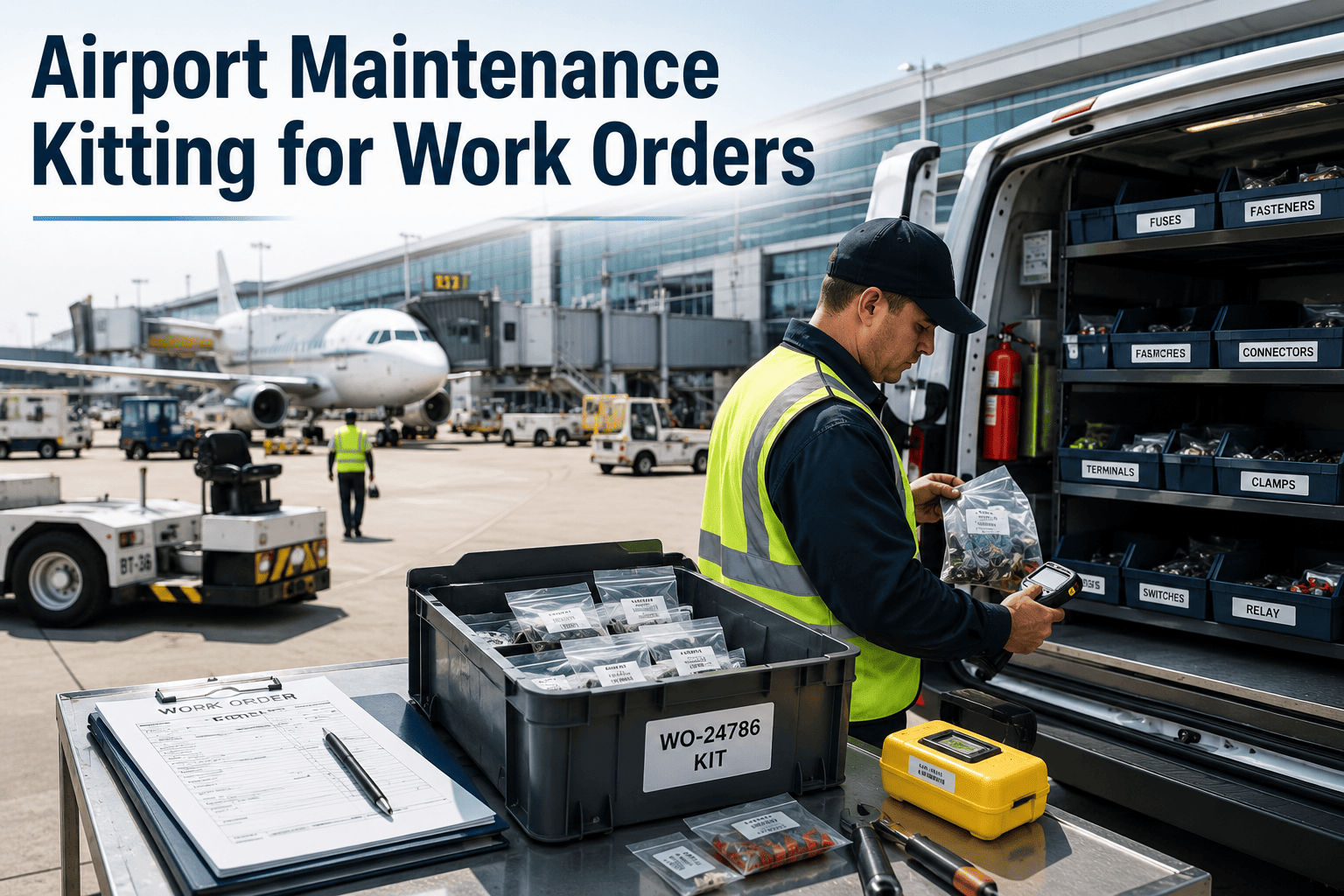
A work order is generated automatically with the flagged component, the supporting trend data, and the recommended action, so the maintenance team walks up with the answer already in hand.
SIGNALS MONITORED
The Four Data Streams That Reveal A Conveyor's True Condition
No single reading tells the whole story of a conveyor's health, which is why predictive systems track several signals together and look for the combination that points to a specific failure mode. Reviewing them side by side is what separates a confident early call from a false alarm.
Vibration Signature
Tracks the frequency and amplitude of mechanical vibration at the motor and roller assemblies, the earliest indicator of bearing wear and shaft misalignment.
Motor Current Draw
Monitors the electrical load a drive motor pulls under normal running conditions, flagging the gradual rise that signals mechanical strain or belt slip.
Running Temperature
Watches motor housing and bearing temperature for the slow climb that accompanies friction from misalignment, poor lubrication, or an overloaded drive.
Accumulated Run Hours
Tracks total operating time against each component's expected service life, giving context to a signal change instead of reading it in isolation.
WHERE IT MATTERS MOST
The Conveyor Zones Where Early Warning Pays Off Fastest
Not every conveyor carries the same operational risk. Some sections of a baggage handling system sit on the critical path for every single bag that moves through the terminal, and a stoppage there has a very different impact than one on a lower-traffic feeder line. Predictive coverage tends to earn its return fastest on the segments below.
01
Check-In And Bag Drop Conveyors
The entry point for nearly every bag in the system, where a stoppage backs up the check-in hall and self-service bag drop units within minutes.
02
Screening Infeed And Outfeed Lines
These short, high-cycle conveyors feed and clear explosives detection scanners continuously, and a stall here can back up screening for the entire terminal.
03
Sortation And Tilt-Tray Systems
High-speed sortation equipment runs continuously at peak hours, and a drive or bearing failure here directly disrupts flight-by-flight bag routing.
04
Transfer And Makeup Conveyors
Connecting bags between flights and to the final loading area, these lines carry tight connection-time pressure that makes even short outages costly.
MEASURED IMPACT
What Airports Report After Moving To Predictive Conveyor Monitoring
These figures reflect outcomes commonly reported by airports and baggage handling operators after shifting conveyor upkeep from reactive or purely calendar-based schedules to a predictive, data-backed program. The pattern holds consistently across hub sizes, with the gains compounding as more of the conveyor network gets brought under continuous monitoring.
20-35%
Less Unplanned Downtime
Baggage systems running predictive maintenance report meaningfully fewer unplanned stoppages compared to reactive or calendar-only upkeep.
14 Days
Advance Warning On Key Failures
Continuous condition monitoring on conveyor motors and sorter components can flag developing failures roughly two weeks before they would otherwise occur.
12-15%
Of Project Spend Goes To Upkeep
Annual maintenance typically runs 12 to 15 percent of total baggage system project cost, making every avoided emergency repair a direct saving.
1 Record
Per Conveyor, Fully Auditable
Every flagged signal, work order, and completed repair stays linked to the same conveyor asset, building a defensible maintenance history over time.
FREQUENTLY ASKED QUESTIONS
Questions Airport Maintenance Teams Ask About Predictive Monitoring
Do we need to install new sensors to get predictive maintenance on our baggage conveyors?
In most cases no, since modern conveyor drives, motor controllers, and sortation equipment already generate vibration, current, and temperature data that a connected platform can read directly rather than requiring a separate hardware layer. Where a particular line genuinely lacks the needed telemetry, targeted sensor additions can close the gap without a full system replacement.
Contact our support team to review what your current conveyor drives are already reporting.
How early can predictive monitoring actually flag a failing conveyor component?
Depending on the failure mode and the component involved, condition monitoring can flag a developing issue roughly one to two weeks before it would otherwise cause an unplanned stop, since vibration and current signatures typically drift gradually rather than jumping straight to failure. That lead time is what allows a repair to be scheduled during a planned maintenance window instead of an emergency callout.
Book a demo to see real lead-time examples from comparable baggage handling equipment.
Does predictive maintenance replace scheduled inspections entirely?
No, the two work together rather than one replacing the other, since scheduled inspections still catch physical wear, contamination, and installation issues that condition sensors do not directly measure. What predictive monitoring changes is the interval and priority of those inspections, focusing technician attention on the conveyors actually showing a drifting signal instead of spreading effort evenly across the whole network.
Reach out to support to discuss how inspection schedules typically adjust after adoption.
How does a flagged anomaly turn into an actual work order?
Once a signal drifts outside its expected range for that specific conveyor, the system identifies the likely component and failure mode based on the pattern of the drift, then generates a work order automatically with the supporting trend data attached. The maintenance technician receives the flagged component, the historical context, and the recommended action together, removing the guesswork that normally happens on arrival at a fault.
Book a demo to walk through the alert-to-work-order flow on sample data.
Is predictive maintenance worth it for a mid-sized airport, or only major hubs?
The dollar value of an hour of downtime is naturally larger at a major hub, but mid-sized airports run the same conveyor components under the same wear patterns, and unplanned stoppages disrupt check-in, screening, and connections regardless of overall passenger volume. Since predictive monitoring reads existing telemetry rather than requiring major capital investment, the return on avoided downtime and reduced emergency labor tends to hold up well below the largest hub tier too.
Contact our support team to talk through the numbers for your specific terminal size.
Turn Conveyor Telemetry Into A Maintenance Program You Can Trust
iFactory links live conveyor condition data to maintenance history, inspections, and automated work orders in one connected workflow, so your baggage handling system stays ahead of failures instead of reacting to them. Book a demo to see it mapped against your own conveyor network.