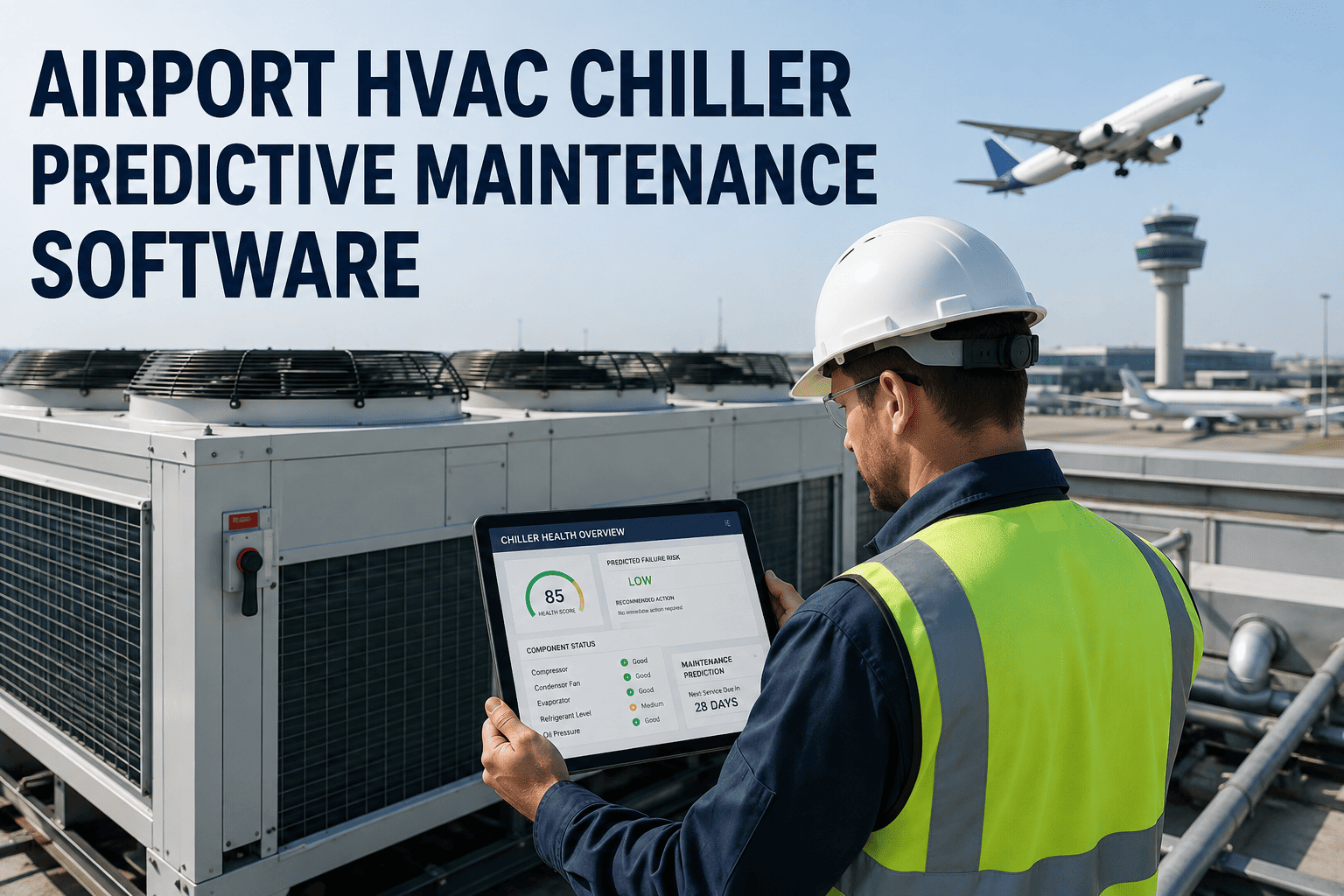
A terminal duty manager at a major international hub arrived at 1:00 PM on a peak mid-summer Friday to a cascading crisis. It didn't start with a security breach or a grounded aircraft; it started with a localized HVAC failure in Concourse C that had gone unnoticed by airport maintenance during the overnight shift. By the time the concourse filled with 3,000 departing passengers, the ambient temperature had reached 82°F. The resulting impact was swift: social media filled with photos of sweltering, miserable travelers, duty-free and food & beverage revenue in the affected zone plummeted by 40% as passengers sought refuge in other terminals, and the airport's real-time ASQ (Airport Service Quality) scores tanked. The deeper issue was that the mechanical drift leading to the failure had been happening for a week. The chillers were working harder, the vibration signatures had changed, but siloed legacy systems meant nobody saw the data until the passengers felt the heat. In 2026, enhancing passenger satisfaction with real-time terminal comfort control has moved from a luxury initiative to an operational baseline. Modern aviation management requires continuous environmental monitoring, automated issue resolution, and proactive facility management. iFactory AI delivers these capabilities from one connected platform, transforming reactive complaint-chasing into proactive environmental mastery. Book a free operations assessment to discover how enhancing terminal comfort with predictive systems can protect your non-aeronautical revenue and passenger experience.
Understanding Passenger Discomfort Categories: Where Revenue and Reputation Bleed
Before an AI operations platform can optimize your concourses, your aviation management team must understand the specific environmental categories that generate passenger dissatisfaction — and the exact mechanical gaps that produce them before a complaint is ever tweeted. Every comfort failure has a detectable data signature.
The Real Cost of Reactive Airport Maintenance
5 AI Capabilities That Transform Terminal Airport Operations
IoT Sensors & Micro-Climate Tracking — Eliminating Hotspots
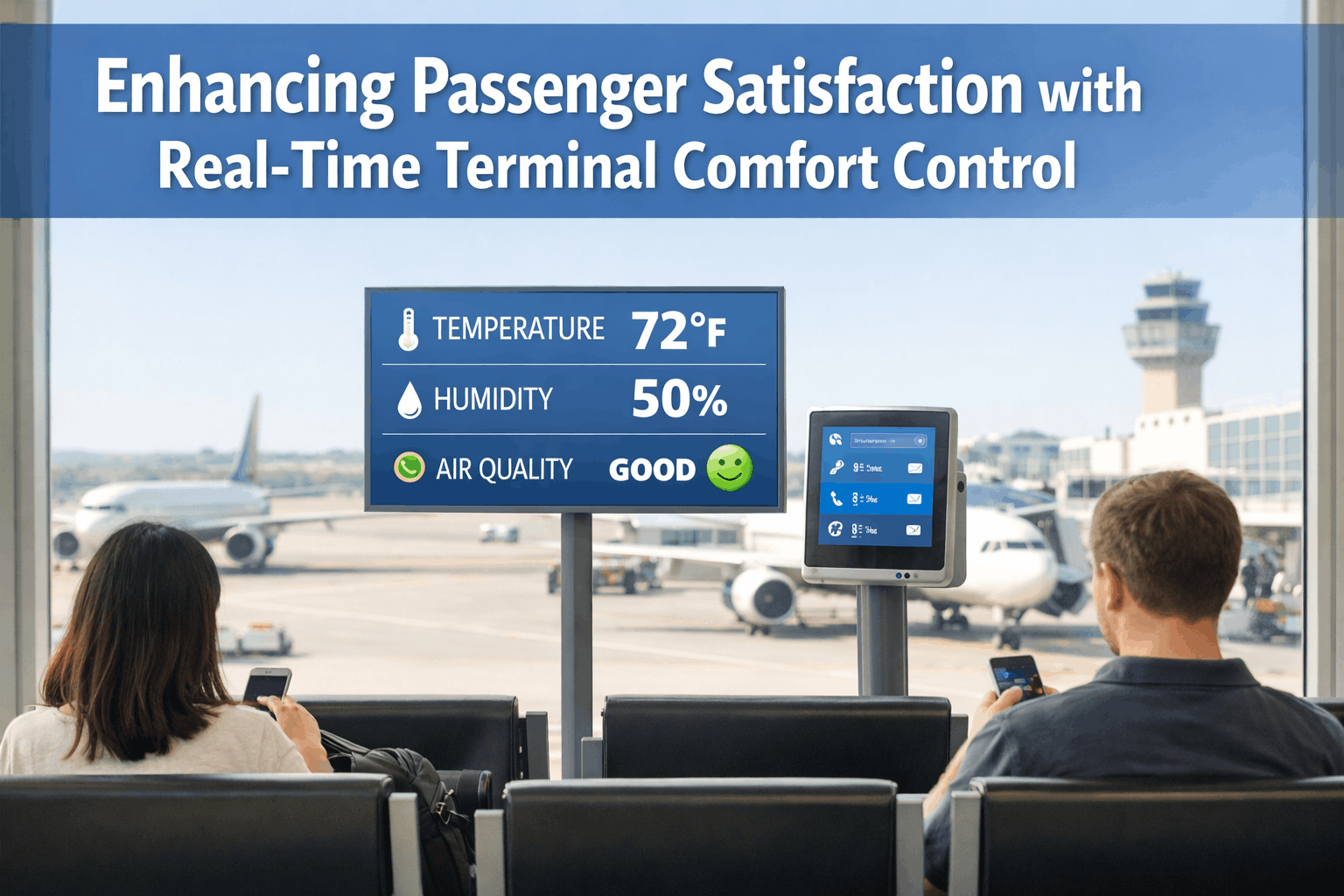
iFactory's platform deploys and integrates with hundreds of IoT sensors across the terminal, monitoring temperature, humidity, and air quality at the micro-zonal level. Instead of relying on a single thermostat for a massive concourse, the AI detects micro-climate drift — like a specific seating area getting too hot due to afternoon sun — and automatically commands the building management system to compensate, enhancing passenger satisfaction seamlessly.
Predictive Maintenance for Critical Infrastructure
A failed moving walkway or baggage belt creates instant crowd density, driving up ambient temperatures and passenger stress. iFactory's predictive maintenance algorithms analyze vibration, acoustics, and power draw from terminal infrastructure. It detects the microscopic signs of motor wear weeks before a failure, generating an automated work order for airport maintenance to replace the part during the 3:00 AM dead zone.
Live Digital Twin Spatial Visualization
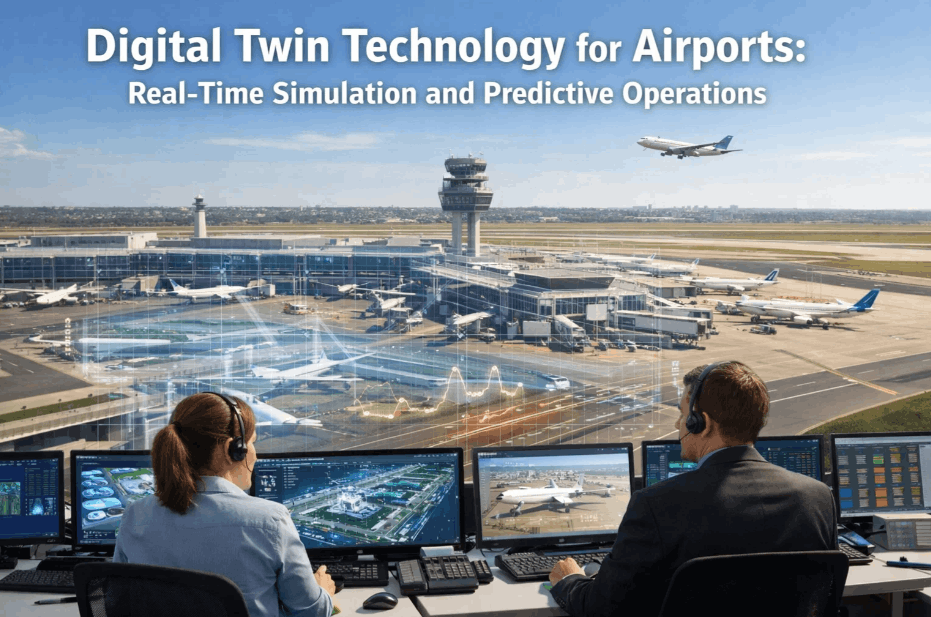
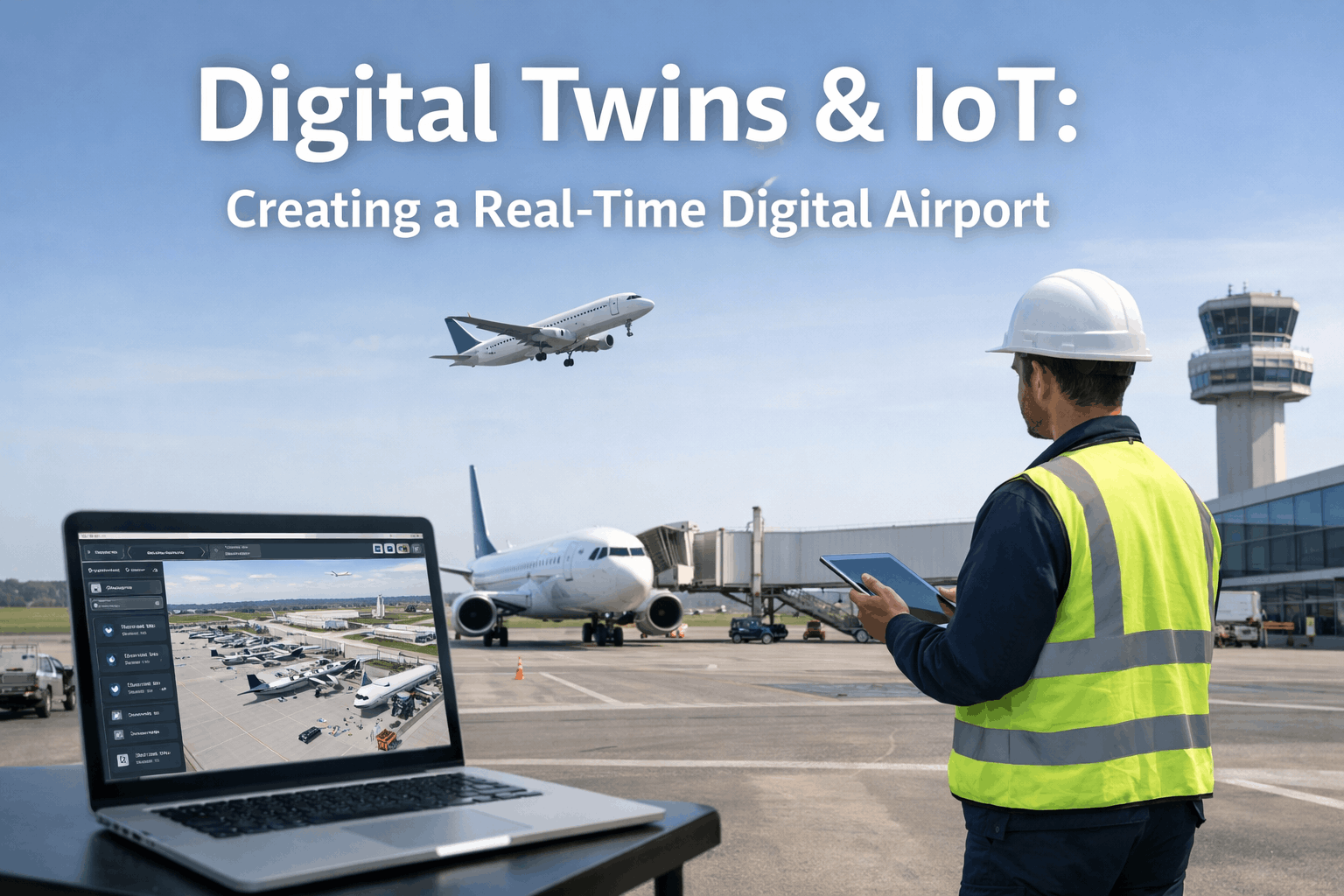
Managing sprawling aviation infrastructure through 2D spreadsheets makes it impossible to visualize compounding issues. iFactory provides a live 3D digital twin of your terminal. Operations directors can visually see heatmaps of passenger congestion, active work orders, and real-time asset health overlaid on the exact physical layout of the airport, enabling instantaneous situational awareness and real control.
Crowd Intelligence & Dynamic Resource Routing
When three wide-body aircraft arrive simultaneously at adjacent gates, the local environment changes instantly. The AI platform anticipates these surges by integrating with live flight data (AODB). It dynamically pre-cools the gate areas and automatically routes cleaning and janitorial staff to the nearest restrooms right as the passenger wave subsides, ensuring pristine conditions without relying on static calendars.
Automated CMMS Workflows — No More Paper Tickets
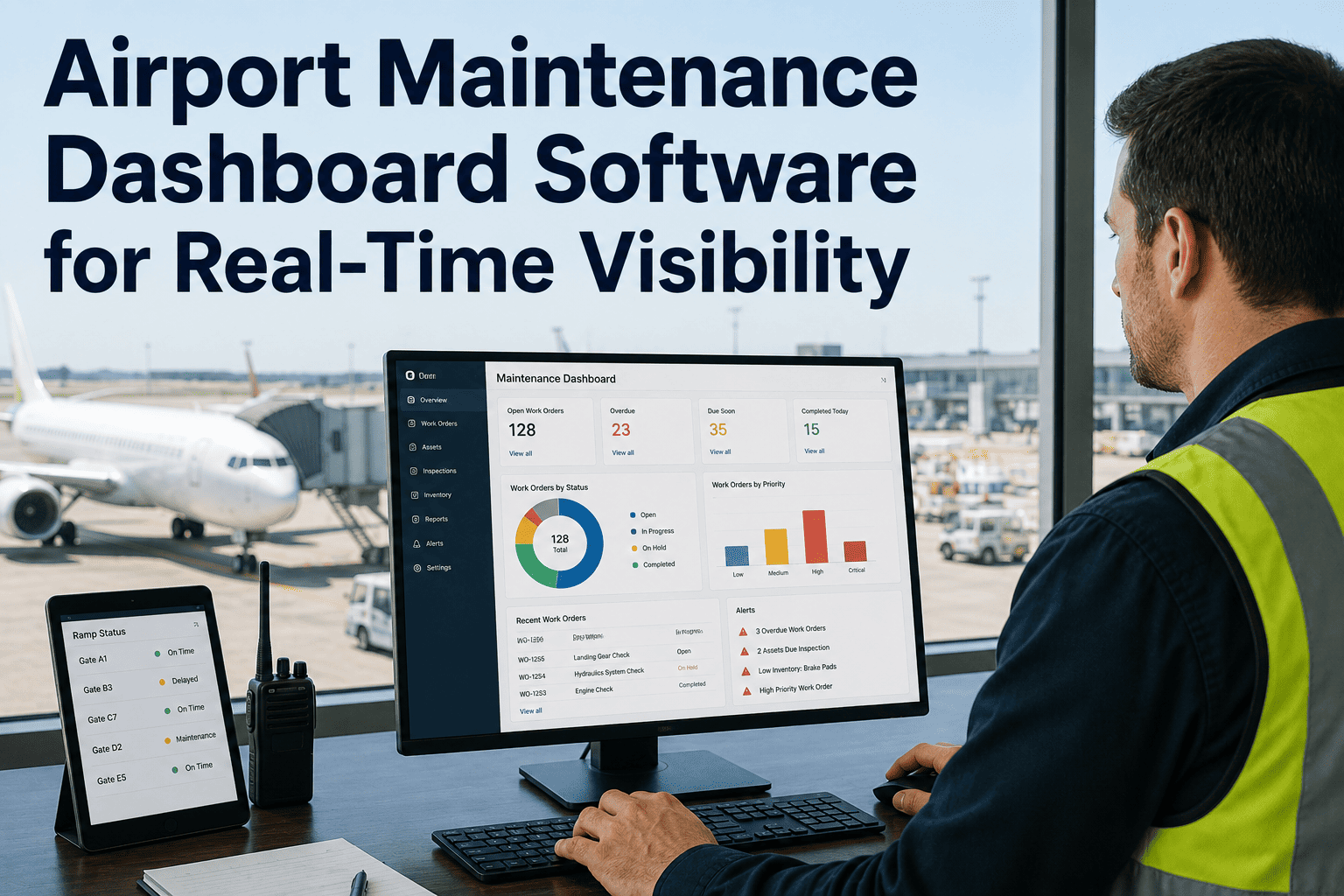
When a comfort anomaly cannot be solved via automated system adjustments (e.g., a physical spill or a broken seat), the AI dispatches a mobile work order directly to the closest available technician based on their skill set and current location within the digital twin. Photo-verified task completion ensures the issue is fully resolved before the ticket is closed.
Need to assess your terminal's predictive capabilities before the next holiday travel surge? Schedule a free AI operations assessment with iFactory's aviation management specialists.
The Implementation Pathway: Building an AI Comfort Program
IoT Deployment & Baseline Mapping (Weeks 1–3)
Install and connect IoT sensors across critical passenger zones and infrastructure. Establish real-time data feeds to the iFactory platform. Map existing HVAC, lighting, and mechanical systems into the digital ecosystem to create a baseline of current terminal comfort levels.
Digital Twin & Visual Management (Weeks 3–6)
Launch the interactive 3D digital twin of the airport terminal. Overlay real-time environmental data, flight schedules, and asset health indicators onto the spatial model. Train the Airport Operations Control Center (AOCC) on visual heatmapping and anomaly detection.
Predictive Maintenance Activation (Weeks 5–10)
Activate machine learning models on mechanical infrastructure data. Transition airport maintenance teams from calendar-based schedules to condition-based, predictive work orders. Configure automated dispatch rules for technicians via the mobile CMMS interface.
Aviation Data & Crowd Sync (Weeks 8–12)
Integrate directly with flight information display systems (FIDS) and AODB. Establish dynamic environmental adjustments — such as pre-cooling gates ahead of delayed, high-capacity arrivals — linking passenger flow directly to automated facility control.
Automated Issue Resolution (Weeks 10–14)
Deploy end-to-end automation where minor temperature drifts or lighting failures are corrected by the AI communicating directly with the Building Management System (BMS), requiring zero human intervention from the maintenance staff.
Continuous AI Optimization (Week 14+)
AI analyzes months of operational data to forecast seasonal comfort challenges, optimize energy expenditure without sacrificing passenger experience, and generate executive reports on ASQ correlations for continuous aviation management improvement.
How iFactory Makes Aviation Management Intelligent
AI Passenger Comfort & Terminal Management
iFactory's core aviation module integrates environmental sensing, predictive maintenance, dynamic crowd intelligence, and digital twin visualization into a single platform. It provides a real-time "Comfort Health Score" across every concourse and gate. Every anomaly triggers a background correction or a prioritized maintenance workflow. When passengers arrive, the environment is already optimized — turning your facility from a cost center into a driver of retail and ASQ success.
AI Equipment Intelligence & Trend Forecasting
Continuous analysis of vibration, acoustic, and thermal data from escalators, baggage belts, and chillers identifies the specific mechanical degradation that precedes failure. AI risk scoring ranks every asset by probability of breakdown — directing maintenance effort to interventions that prevent terminal disruptions.
Digital Twin & Spatial Control
A live, 3D replica of the airport that allows operations managers to visualize crowd density, temperature zones, and maintenance technician locations simultaneously. It acts as the ultimate command center for real-time terminal comfort control.
Next-Gen CMMS & Automated Dispatch
Mobile-first maintenance workflows that eliminate paper tickets and radio chatter. The AI automatically routes the right technician to the right location with the exact parts required based on predictive sensor data, ensuring rapid resolution of any physical terminal issue.
Want to see AI predictive maintenance and digital twins in action? Book a 30-minute live demo — no obligation.
The 2026 Landscape Driving AI Adoption in Airports
Non-Aeronautical Revenue is King
Airports can no longer survive on landing fees alone. Retail, dining, and premium lounges are the primary profit drivers. Uncomfortable passengers do not shop or dine; they sit by the gate and complain. Terminal comfort is directly proportional to terminal spend per passenger.
The Instant Reputation Penalty
A single broken restroom or sweltering gate area is broadcast to thousands via social media in minutes, tagging airline partners and aviation authorities. The reputational damage of poor airport operations is immediate, public, and highly damaging to hub competitiveness.
Energy Efficiency Mandates
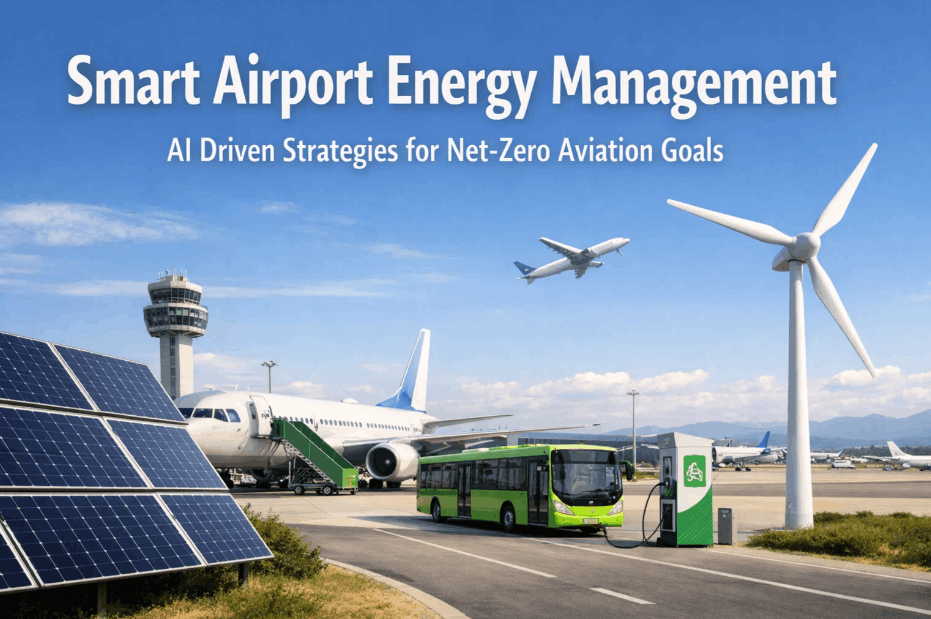
Aviation authorities are enforcing strict carbon reduction and energy efficiency mandates. Blasting AC in empty concourses is no longer financially or legally viable. AI allows airports to perfectly balance energy conservation with localized passenger comfort.
Doing More With Leaner Maintenance Teams
Skilled facility technicians are increasingly rare. Airports cannot afford to have maintenance teams wandering terminals looking for issues or performing unnecessary calendar-based checks. AI directs lean teams exactly where they are needed, precisely when they are needed.
Your Passengers Expect Perfection. Your Operations Platform Must Deliver It.
iFactory AI delivers continuous environmental tracking, predictive airport maintenance, digital twin visualization, and automated workflows from one connected platform — converting every potential discomfort into a resolved issue before passengers arrive.
Operational Best Practices for Enhancing Passenger Satisfaction
Treat Every Passenger Complaint as a Lagging Indicator
By the time a passenger complains about temperature or cleanliness, dozens of others have already suffered in silence and altered their spending behavior. AI shifts your focus to leading indicators — sensor drift and usage metrics — to solve problems before the complaint is filed.
Tie Facility Operations Directly to Flight Schedules
A terminal's environment is dynamic, dictated by the ebb and flow of aircraft. Static HVAC and cleaning schedules are inherently flawed. Integrating AODB flight data with your building management allows the terminal to "breathe" in sync with passenger volume.
Deploy IoT Sensors at the Passenger Level
Traditional thermostats are often mounted 10 feet high on walls near return vents, measuring air that passengers never feel. Deploying IoT sensors at seating level provides the true metric of terminal comfort, ensuring your AI makes decisions based on the actual passenger experience.
Eliminate Calendar-Based Maintenance for Critical Assets
Replacing belts or servicing motors simply because 90 days have passed wastes labor and parts, while still leaving the asset vulnerable to unexpected failure on day 89. Predictive maintenance uses actual condition data to dictate service, maximizing asset lifespan and reliability.
Map Your Entire Terminal in a Digital Twin
A list of open work orders in a spreadsheet lacks spatial context. A digital twin allows operations managers to instantly see that three separate issues are happening in Concourse B, identifying a systemic failure rather than isolated incidents, enabling rapid, targeted response.
Automate the Routine, Escalate the Exceptions
Highly paid maintenance technicians should not spend their shifts manually adjusting thermostats or checking soap dispensers. Let the AI platform automate environmental micro-adjustments and direct janitorial flow, reserving skilled labor strictly for complex mechanical interventions.
Quantified ROI: What AI Terminal Comfort Delivers
Industry Perspective
"The airports that dominate passenger satisfaction rankings in 2026 are not the ones with the newest buildings — they are the ones operating with unparalleled digital intelligence. In a modern terminal, passenger comfort is not subjective; it is a highly controllable data equation. When AI and IoT sensors predict a temperature spike or a restroom bottleneck and automatically resolve it before the first traveler notices, the airport elevates its brand from a mere transit point to a premium hospitality experience. Integrated operations platforms are the invisible engine driving the world's most profitable aviation hubs."
Ready to build an AI-powered integrated operations platform? Get a free operations assessment from iFactory — tailored to your terminal's specific layout and current technology maturity.
Frequently Asked Questions
Every Anomaly Your System Misses Is a Frustrated Passenger. AI Ensures You Never Miss.
iFactory AI helps aviation leaders globally protect their reputation and revenue with an integrated operations platform — delivering predictive maintenance, digital twin spatial awareness, automated CMMS, and real-time comfort control to build the ultimate passenger experience.