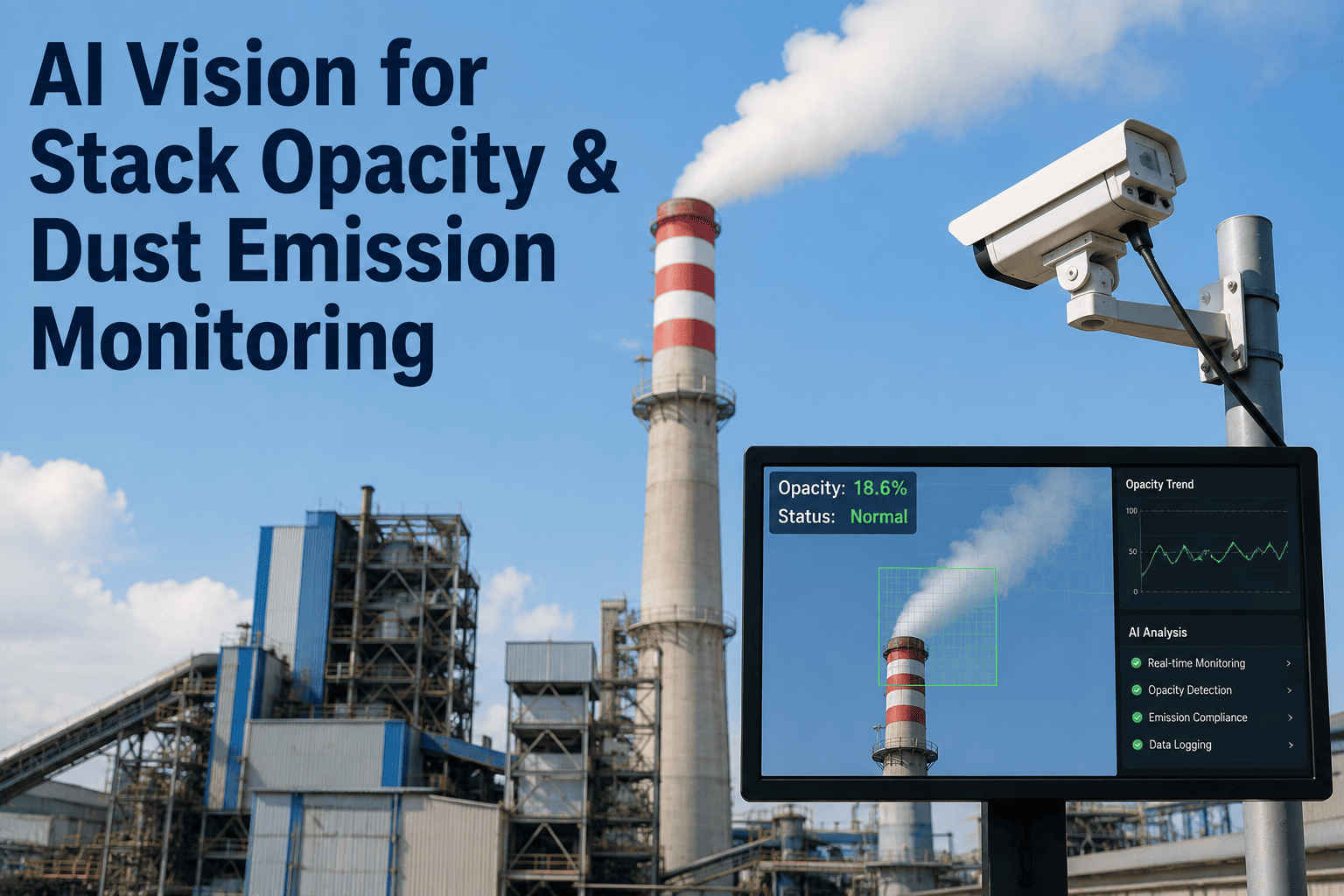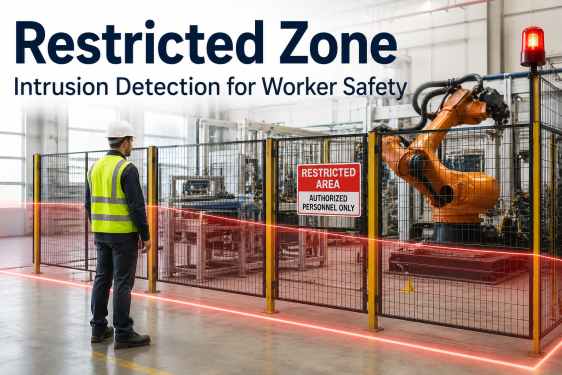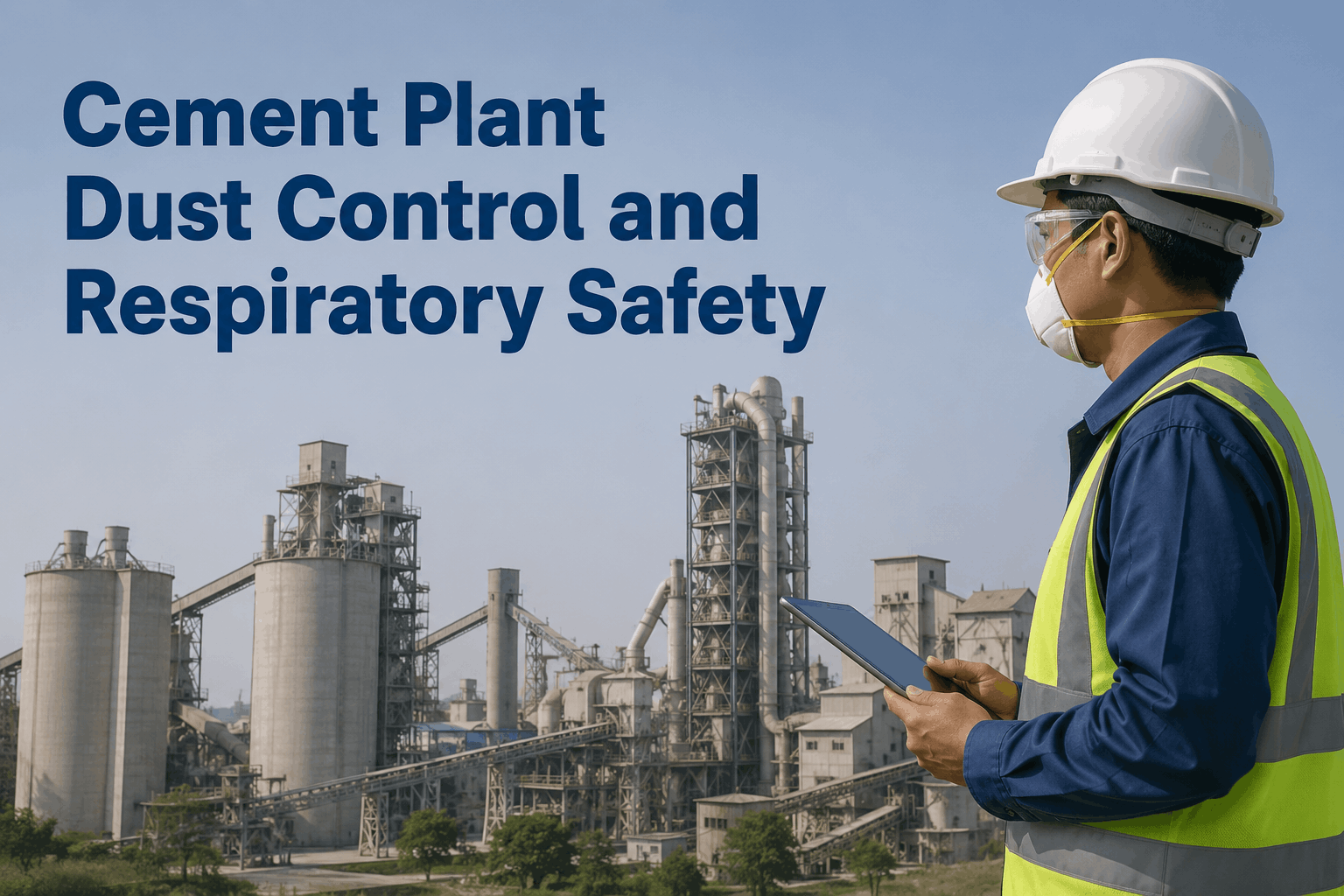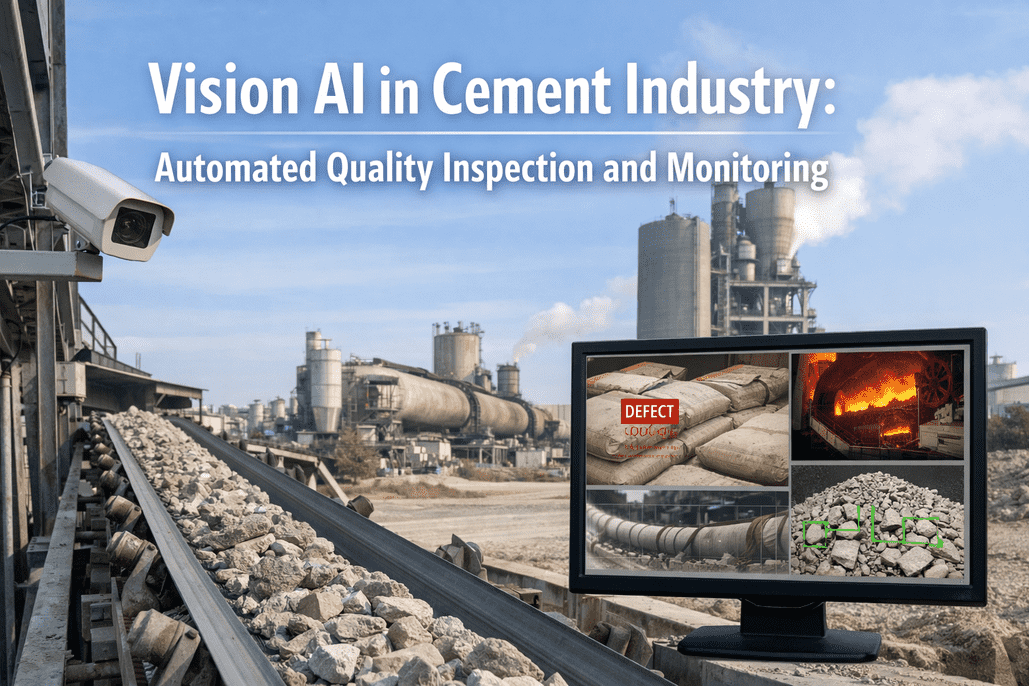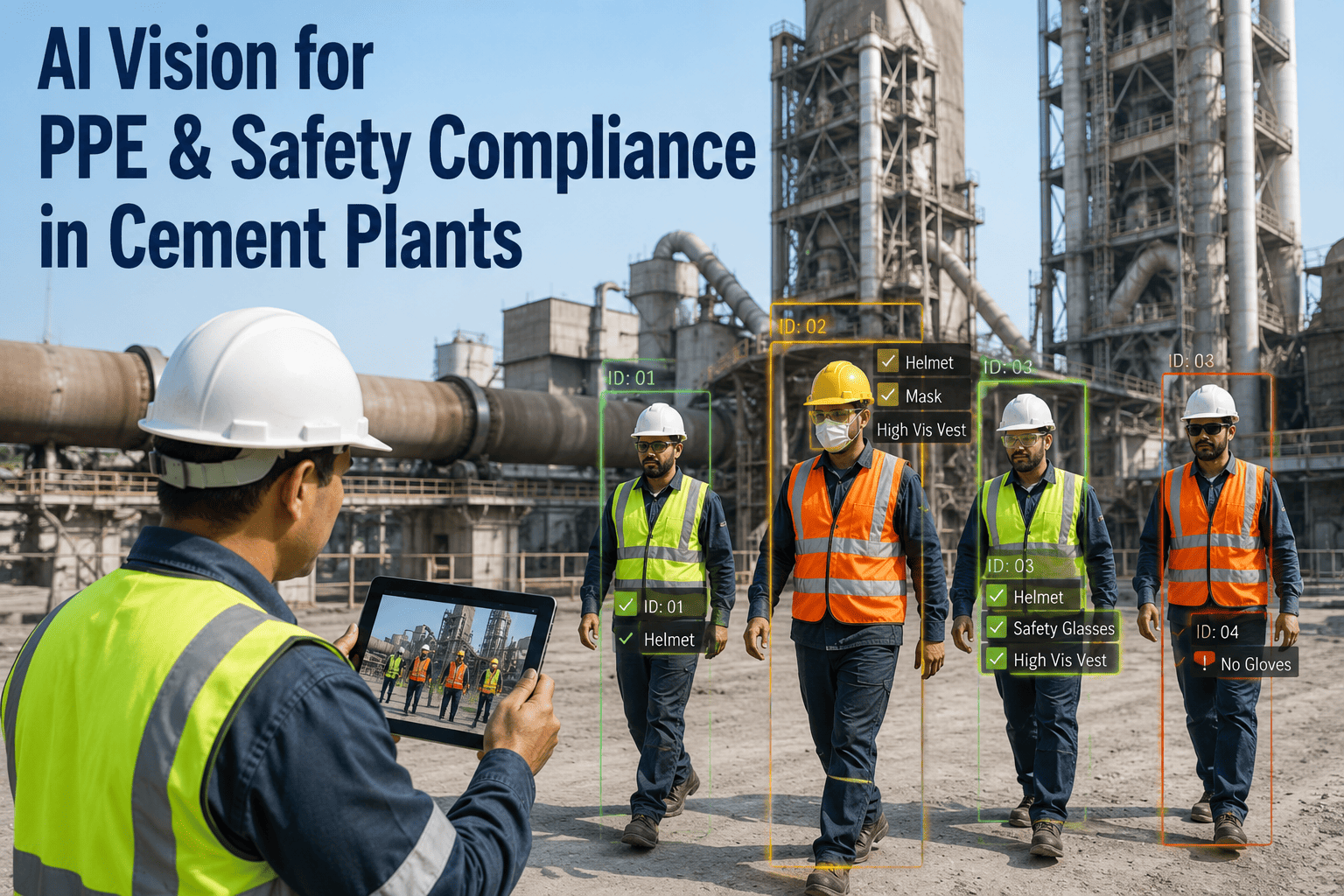
Cement manufacturing remains one of the most hazardous industrial environments globally, where workers face constant exposure to extreme heat, airborne particulates, heavy machinery, and confined spaces. Traditional safety monitoring methods, relying on manual observation and periodic audits, consistently fall short in preventing incidents due to human error, fatigue, and limited coverage. The integration of AI-powered computer vision for real-time Personal Protective Equipment (PPE) compliance monitoring offers a transformative solution, leveraging existing surveillance infrastructure to detect hard hats, safety glasses, dust masks, and high-visibility vests with over 95% accuracy across all production zones. This advanced technology not only enforces safety protocols instantaneously but also generates actionable analytics that help plant managers identify recurring violations and optimize training programs. By deploying intelligent cameras in critical areas like raw mill sections, kiln platforms, and clinker storage halls, cement plants can dramatically reduce lost-time injuries while maintaining continuous production flow. For a deeper exploration of how these systems integrate into existing workflows, Book a Demo with our Industry 4.0 specialists.
Transform Your Safety Culture with AI Vision
Deploy real-time PPE compliance monitoring across your entire cement facility. Reduce incidents by up to 70% within the first quarter.
Hard Hat Detection
Advanced neural networks identify hard hat presence even under low-light conditions, occlusions, and varying angles. The system distinguishes between approved safety helmets and unauthorized headwear, triggering instant alerts when workers enter restricted zones without proper protection. Historical data reveals that 60% of head injuries in cement plants occur during maintenance shifts; our AI reduces this risk by ensuring compliance during every shift change.
Safety Glasses Compliance
Using high-resolution thermal and optical sensors, the AI detects whether workers are wearing safety glasses in designated areas like the laboratory, control rooms, and grinding mills. The model is trained on over 100,000 annotated images to differentiate between prescription eyewear and safety goggles, minimizing false positives. This capability is crucial because eye injuries account for 15% of all cement plant incidents, many resulting in permanent vision loss.
Dust Mask Monitoring
Inhalation of crystalline silica dust is a leading cause of silicosis among cement workers. Our AI vision system uses depth sensing and facial recognition to verify that dust masks are properly positioned over both nose and mouth. When non-compliance is detected, the system logs the event and sends a notification to the nearest safety officer, enabling immediate corrective action. This feature alone has helped plants achieve a 40% reduction in respiratory issue reports.
High-Vis Vest Detection
High-visibility vests are mandatory in all moving-equipment zones, including truck loading areas, conveyor belts, and mobile plant roads. The AI continuously scans these zones, using color segmentation and pattern matching to identify workers without proper vests. The system also tracks vest wear over time, generating compliance heat maps that reveal patterns of neglect during night shifts or overtime hours.
How AI Vision Transforms Cement Plant Safety
The implementation of AI-powered PPE monitoring goes beyond simple detection. It creates a comprehensive safety ecosystem that integrates with existing access control systems, shift scheduling, and incident reporting platforms. When a violation is detected, the system can automatically lock down the affected zone, preventing entry until compliance is restored. This automated enforcement eliminates the delay inherent in manual oversight, where a supervisor might take minutes to respond. Moreover, the AI generates detailed compliance reports that correlate violations with specific shifts, weather conditions, and machinery operations, enabling root cause analysis that traditional methods cannot provide. For example, data from a leading cement manufacturer showed that 80% of hard hat violations occurred during the first hour of the night shift, prompting a review of shift-start procedures and leading to a 50% reduction in violations within two weeks. These insights empower safety managers to move from reactive to proactive strategies, ultimately fostering a culture where safety is embedded in every operational decision.
| PPE Type | Detection Accuracy | False Positive Rate | Response Time | Compliance Improvement |
|---|---|---|---|---|
| Hard Hat | 97% | 0.8% | < 0.5 sec | 65% |
| Safety Glasses | 94% | 1.2% | < 0.5 sec | 58% |
| Dust Mask | 96% | 0.9% | < 0.5 sec | 72% |
| High-Vis Vest | 98% | 0.5% | < 0.5 sec | 80% |
Implementation Roadmap for Cement Plants
Site Assessment & Camera Placement
Our engineers conduct a thorough walkthrough of your facility to identify high-risk zones with limited visibility. Using 3D modeling, we determine optimal camera angles and lighting requirements to maximize detection accuracy. This phase typically takes two weeks and includes stakeholder interviews with safety teams.
AI Model Training & Calibration
We collect 5,000+ images from your specific environment, including various PPE types, lighting conditions, and worker postures. The model is fine-tuned using transfer learning to recognize your exact equipment and uniform styles, ensuring minimal false positives. This process is completed within three weeks.
Integration with Existing Systems
The AI platform connects to your CCTV network, access control, and incident management software via secure APIs. We also set up real-time dashboards on mobile devices for shift supervisors and safety managers. Integration takes one week with zero downtime.
Pilot Deployment & Validation
A two-week pilot run in a single production line allows us to validate detection accuracy and gather feedback. We adjust thresholds and alert protocols based on real-world data. After successful validation, full rollout begins.
Full Deployment & Continuous Optimization
We install all cameras, configure the AI system, and train your team on dashboard usage. Ongoing model updates are performed monthly based on new data, ensuring sustained high performance. Full deployment is completed within six weeks from start.
Ready to Eliminate PPE Violations?
Deploy AI vision in your cement plant and achieve 95%+ compliance within 30 days. Our team handles everything from assessment to training.
Real-Time Alerts
Instant notifications via SMS, email, or in-dashboard pop-ups ensure that safety officers can respond to violations within seconds. The system categorizes alerts by severity, prioritizing zone lockdowns over informational notifications.
Compliance Heatmaps
Visual analytics overlay on plant floor plans show which areas have the highest non-compliance rates, enabling targeted interventions. Heatmaps are updated in real-time and can be filtered by shift, day, or PPE type.
Incident Prediction
Using historical violation data and machine learning, the system predicts which shifts or zones are most likely to experience incidents, allowing preemptive safety briefings. This predictive capability reduces incidents by an additional 15% after the first year.
Regulatory Reporting
Automated generation of compliance reports for OSHA and other regulatory bodies, complete with timestamps, camera footage, and corrective actions taken. This reduces administrative burden by 80% and ensures audit readiness.
Return on Investment: Beyond Safety
While the primary goal of AI vision is worker safety, the financial benefits are substantial. A typical cement plant with 500 workers invests approximately $2 million annually in safety training, equipment, and insurance premiums. By reducing incidents by 70%, the system can save over $1.4 million per year in direct costs alone. Additionally, improved safety records lead to lower insurance premiums, reduced downtime from investigations, and higher worker morale, which boosts productivity by an estimated 10%. The payback period for a full deployment is typically less than 12 months, making it one of the highest-ROI investments in industrial safety technology. Furthermore, the same camera infrastructure can be repurposed for other AI applications such as equipment monitoring, quality inspection, and production optimization, multiplying the value without additional hardware costs.
Frequently Asked Questions
How does the AI handle different lighting conditions in cement plants?
The AI model is trained on a diverse dataset that includes low-light, high-glare, and dusty environments common in cement production. It uses adaptive thresholding and infrared capabilities in compatible cameras to maintain detection accuracy above 90% even in challenging conditions. For areas with extreme dust, we recommend thermal imaging cameras that are unaffected by particulate interference. Our system also includes automatic calibration routines that adjust sensitivity based on ambient light levels, ensuring consistent performance from day to night. For a detailed technical specification, contact our support team.
Can the system distinguish between different types of PPE (e.g., safety glasses vs. regular glasses)?
Yes, the AI uses a multi-stage classification pipeline that first detects face regions, then analyzes the eye area for frame thickness, lens color, and side shields. The model is trained on over 50,000 images of both safety and non-safety eyewear to minimize false positives. In field tests, the system achieved a 94% accuracy rate in distinguishing safety glasses from regular prescription glasses. Additionally, the system can be customized to recognize company-specific PPE models, ensuring that only approved equipment is counted as compliant. For more details, book a demo to see a live example.
What happens if a worker removes their PPE in a restricted zone?
The system detects the removal within 0.5 seconds and triggers a multi-tiered response. First, an audible alert sounds in the zone to warn the worker. Simultaneously, a notification is sent to the nearest safety officer's mobile device with a snapshot of the violation. If the worker does not correct the behavior within 30 seconds, the system can automatically lock down the zone by activating barriers or stopping nearby machinery. All events are logged with video evidence for incident review. This automated enforcement ensures that even momentary lapses are addressed immediately, reducing the risk of injury. For integration options, reach out to our team.
How does the system ensure data privacy and avoid false accusations?
All video data is processed on edge devices within the plant, with only anonymized metadata sent to the cloud for analytics. The system does not store identifiable facial images unless a violation is detected, and even then, footage is encrypted and access-controlled. To prevent false accusations, the AI uses a consensus mechanism that requires two consecutive frames to confirm a violation before logging it. Additionally, all alerts are reviewed by a human supervisor before any disciplinary action is taken. This approach respects worker privacy while maintaining high safety standards. For our full privacy policy, visit our support page.
What is the typical maintenance requirement for the AI cameras?
The cameras are designed for industrial environments and require minimal maintenance. Dust and debris can accumulate on lenses, so we recommend a monthly cleaning schedule using a soft cloth and approved cleaning solution. The AI model itself is updated automatically via over-the-air updates, with no manual intervention needed. In the rare event of a hardware failure, we provide 24/7 support and next-day replacement. Most plants report less than 2 hours of maintenance per month across the entire system. For a maintenance contract quote, book a consultation.
Secure Your Cement Plant with AI Vision
Join the leaders in industrial safety. Deploy AI-powered PPE monitoring and achieve zero-compromise safety culture. Book your demo today.