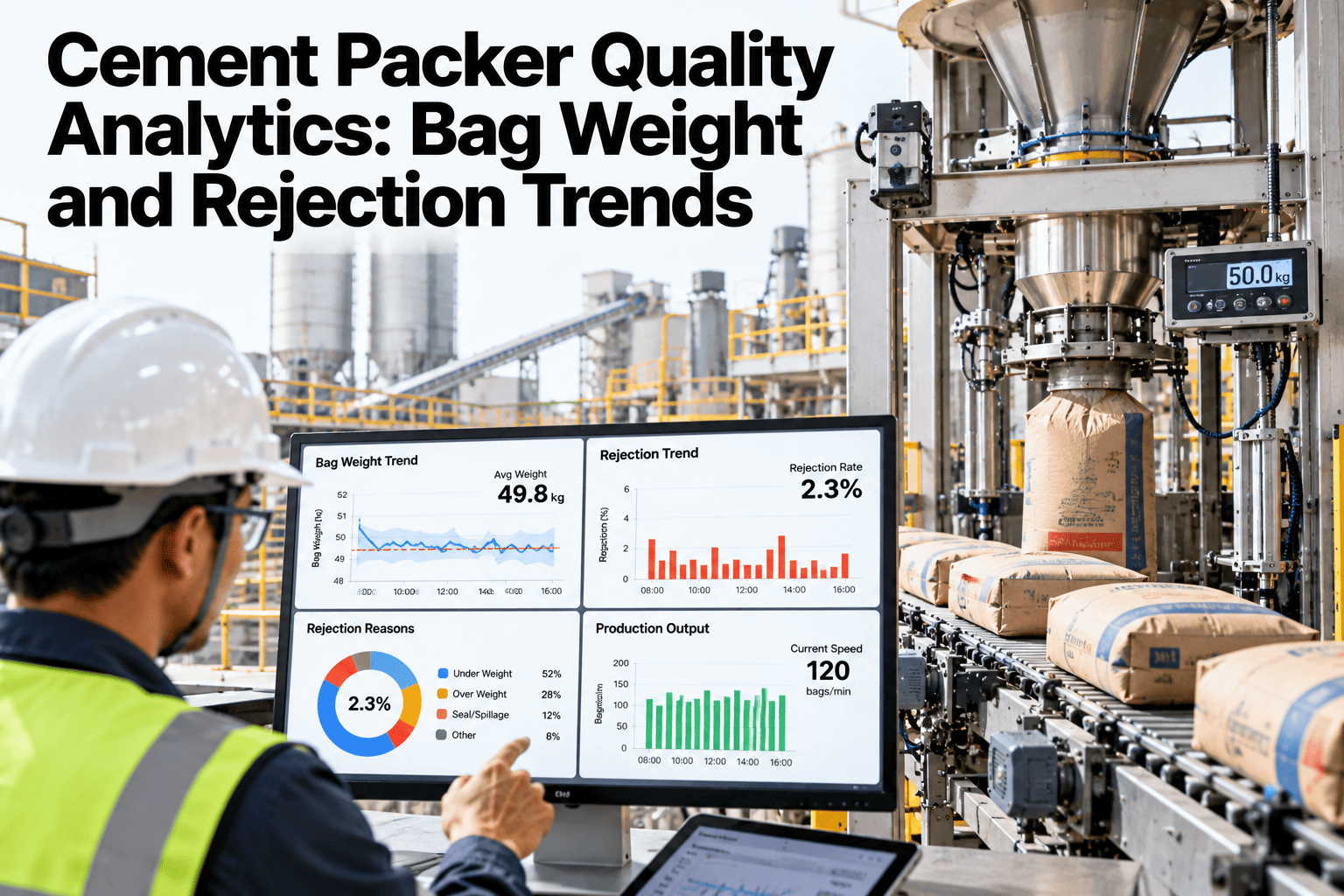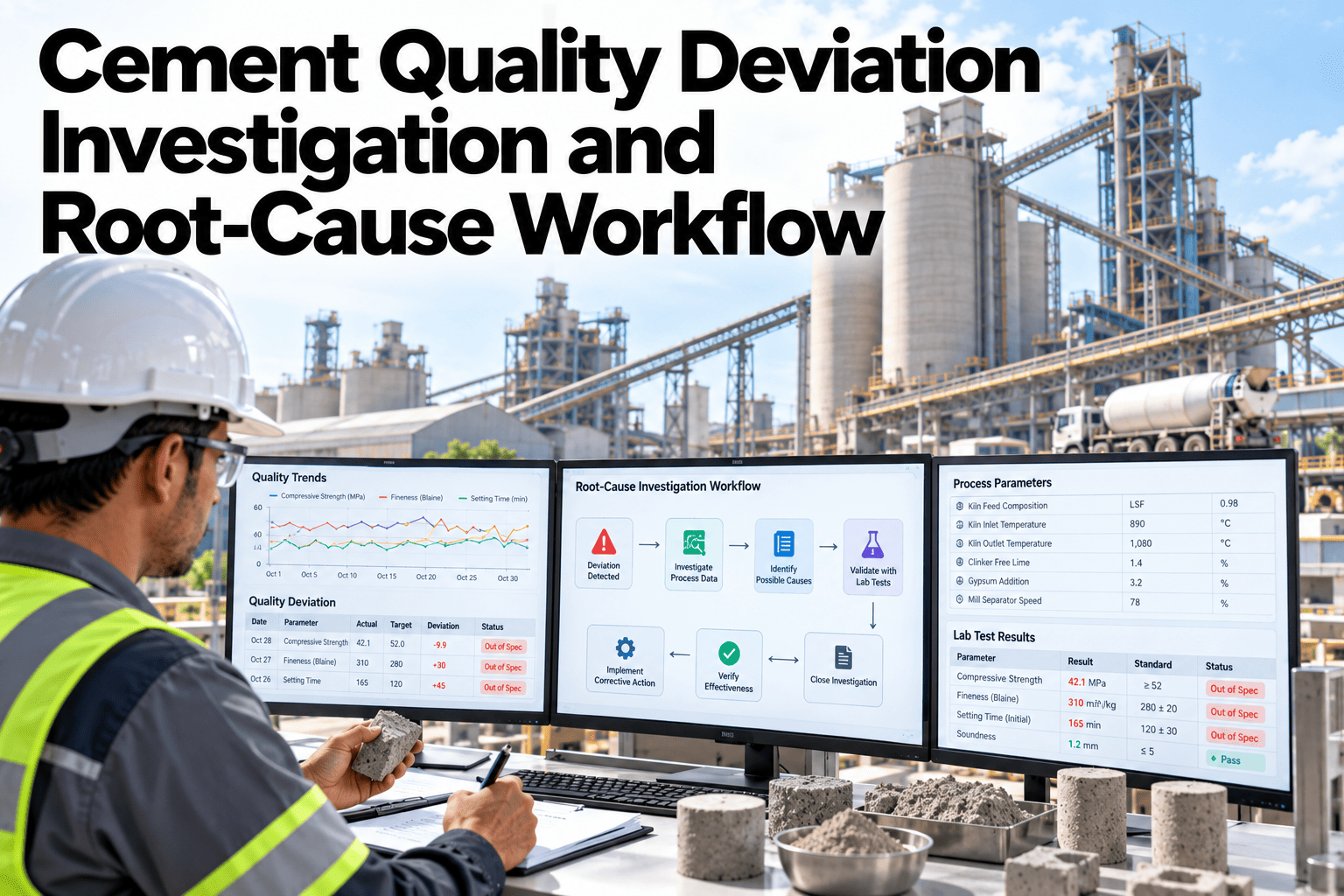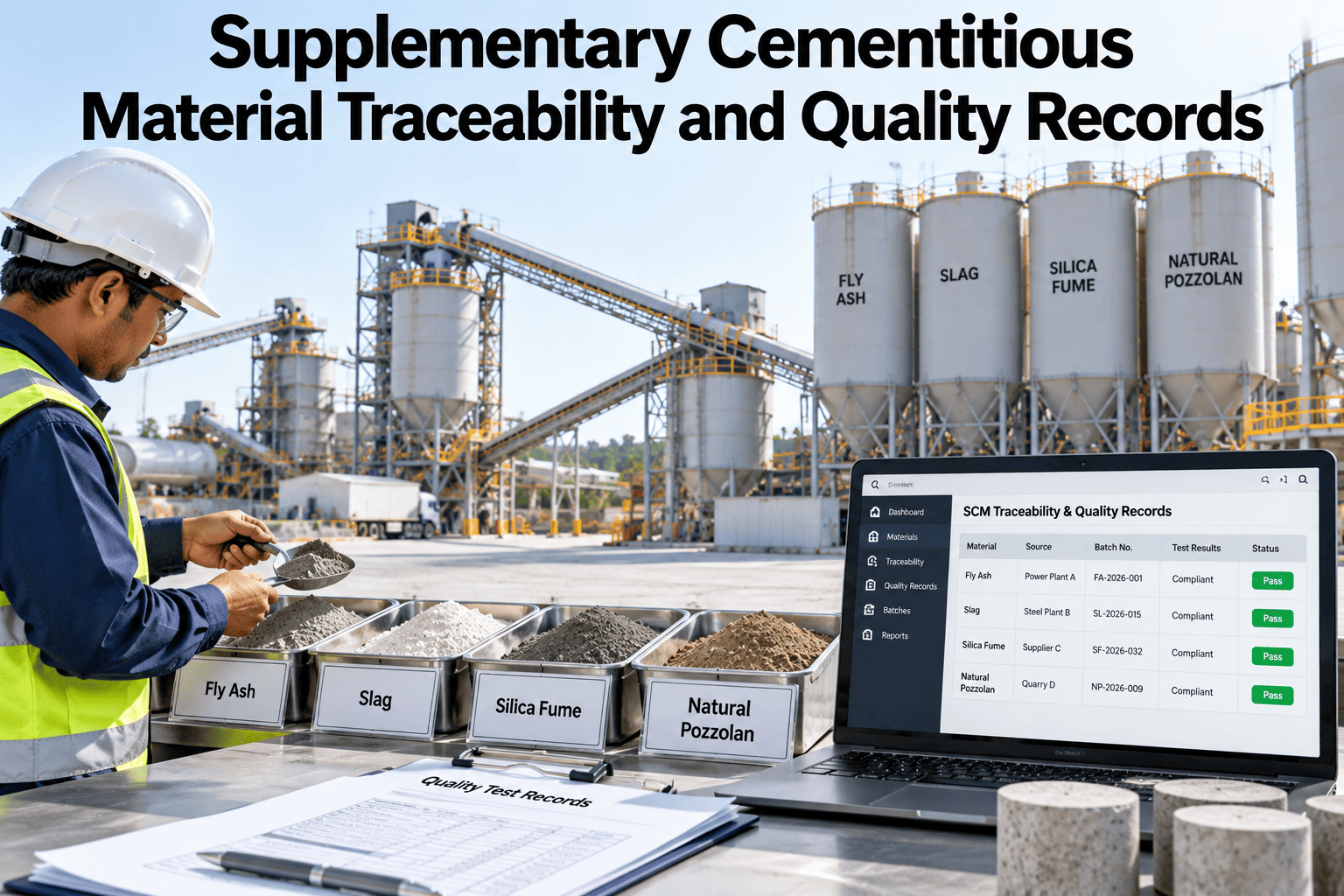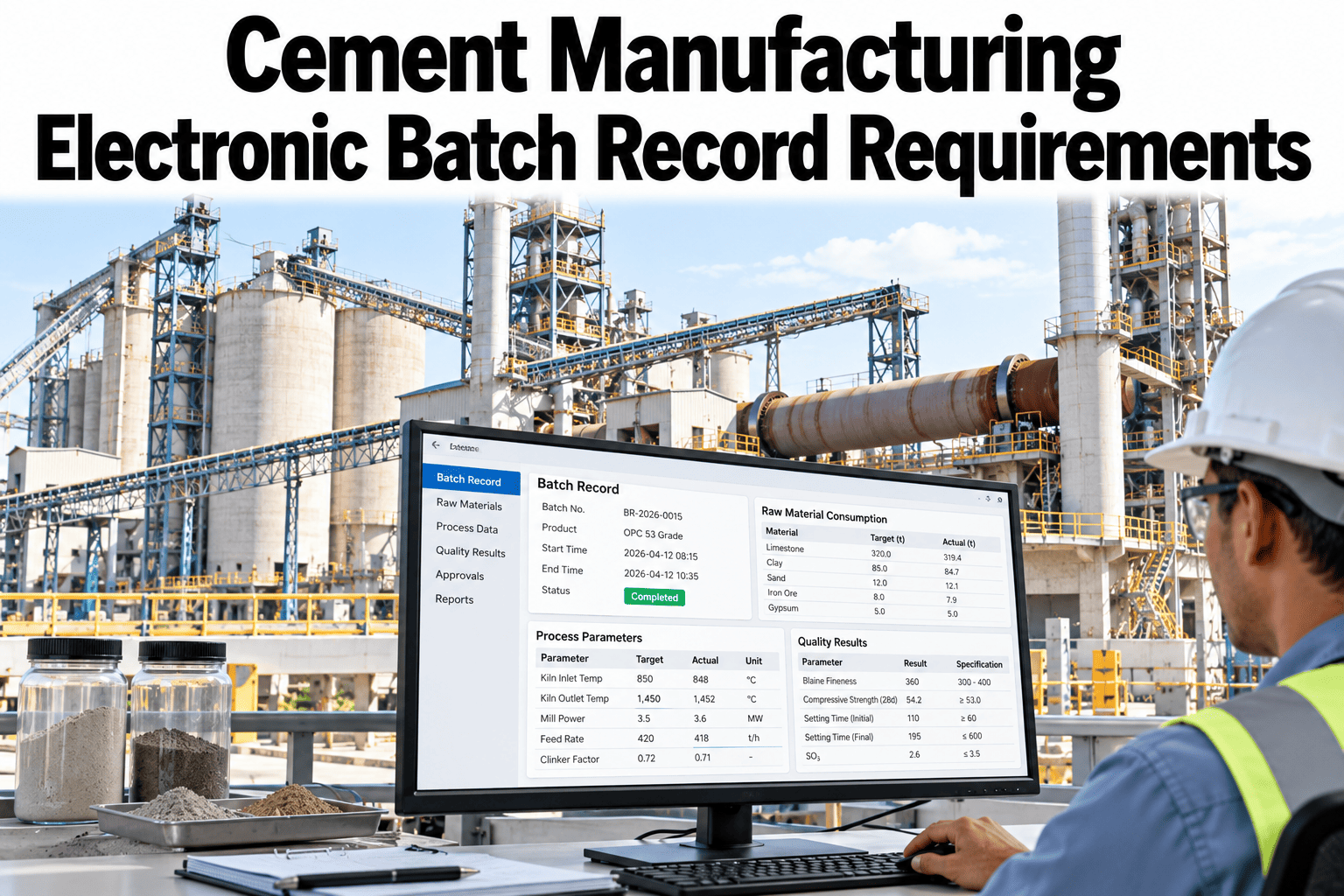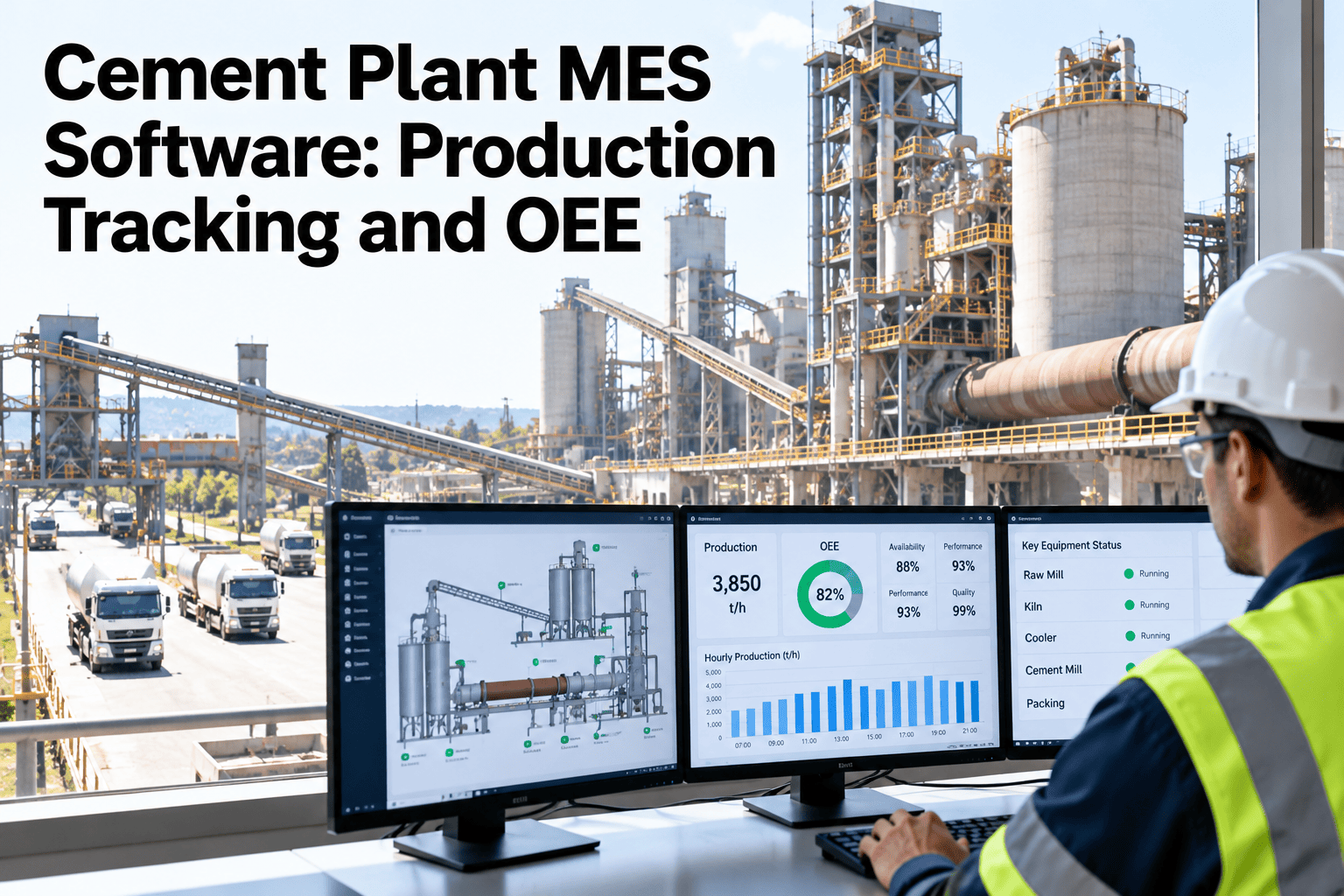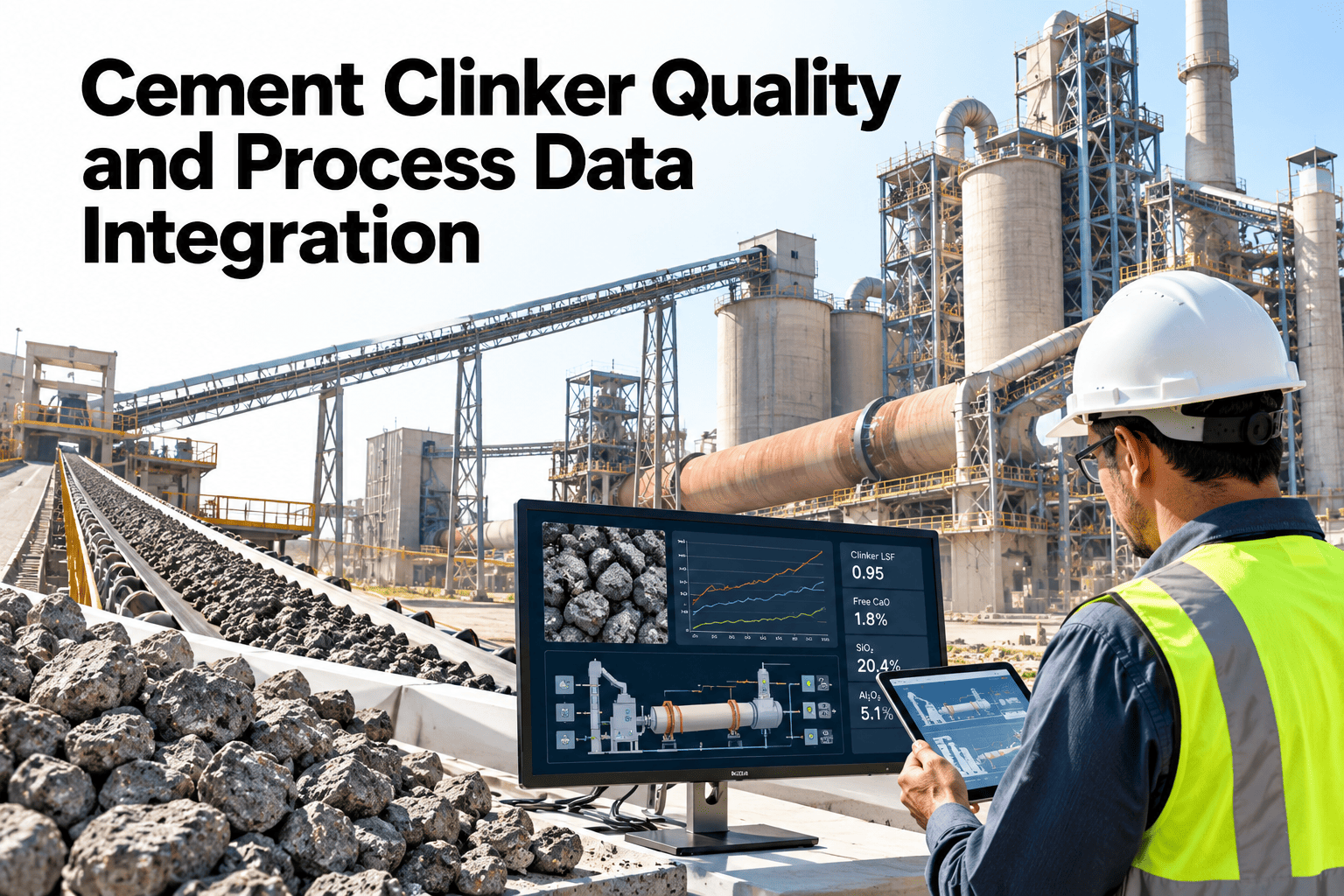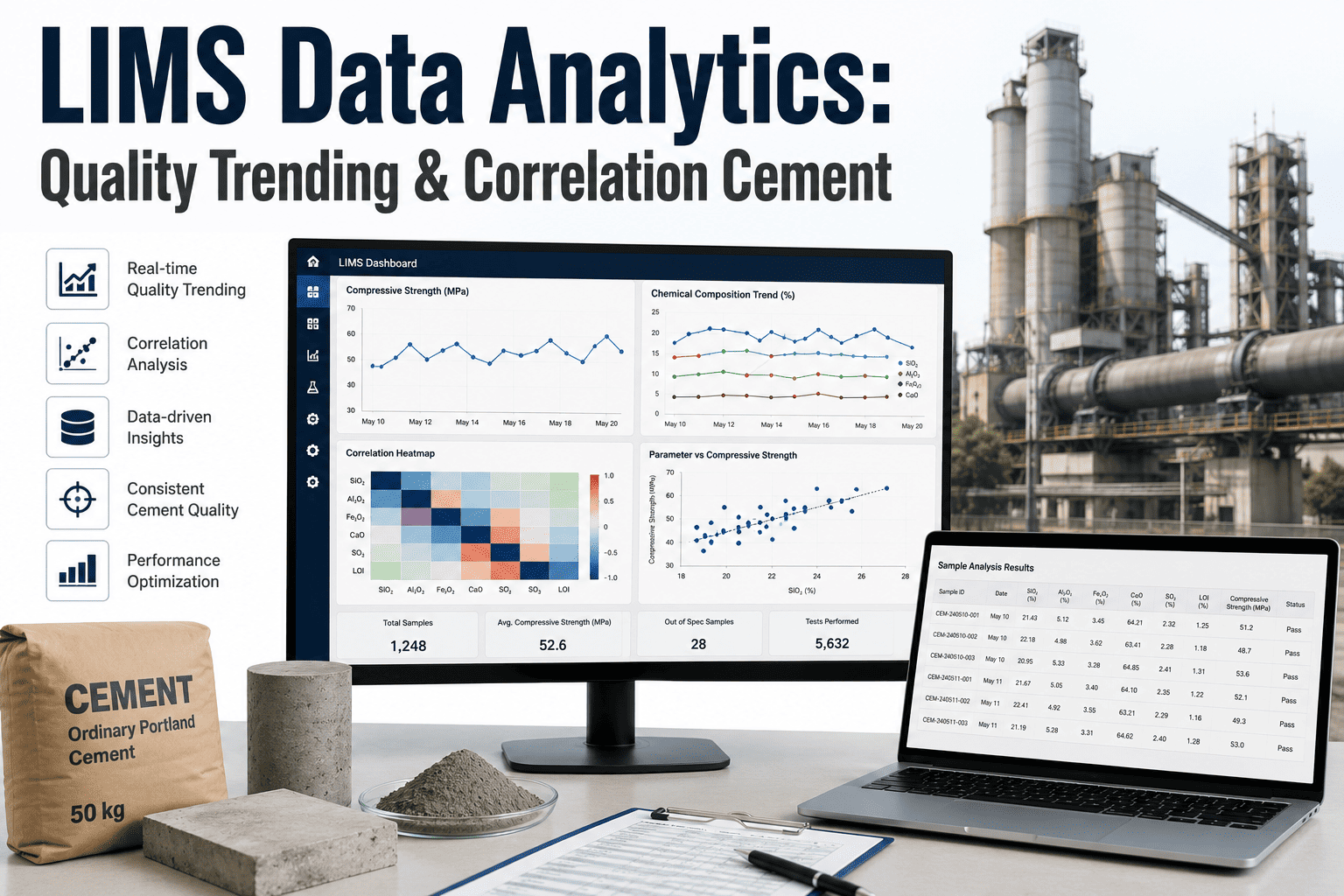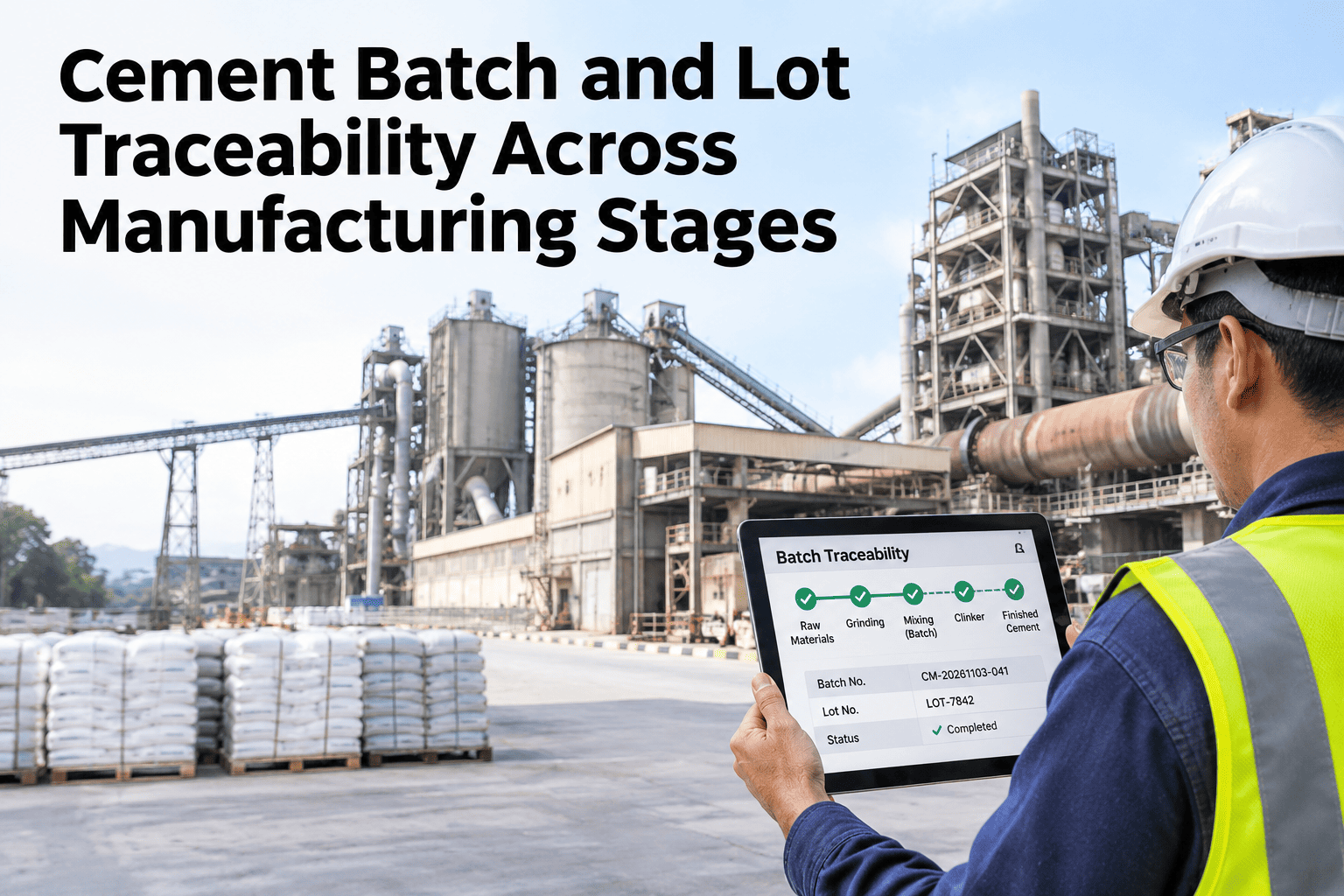
When a customer complaint names a specific delivery, the question that follows is rarely simple — which raw material lots went into that cement, which kiln campaign produced it, what the lab results showed at every stage, and which other deliveries share the same history. Without batch and lot traceability connecting production stages together, answering that takes a search through separate paper logs, lab records and dispatch sheets that were never designed to be cross-referenced. A connected traceability chain turns that search into a lookup. Quality and production teams who want to see their own batch history searchable end to end can walk through a traceability search on real production data with our team.
Answer "Which Lots Are In This Delivery?" in Seconds, Not Days
iFactory, an on-premise AI platform for cement MES and quality, links raw material lots, process-stage records and lab results to every batch, searchable forward and backward.
Why Can't Most Plants Answer a Traceability Question Quickly?
Raw material receiving, kiln operation, milling and lab testing each usually keep their own records, in their own format, on their own schedule. None of them was built to be searched by batch ID across the others, so answering a single traceability question means pulling four separate logs and manually lining up timestamps, often across shift handovers where the person who logged the original entry is no longer the one answering the question. Ask our team how your current records would connect if a traceability question came in tomorrow.
Stage, Data Captured and System of Record
| Stage | Data captured | Typical system of record |
|---|---|---|
| Raw material receiving | Supplier lot, quantity, incoming quality check | ERP receiving module |
| Kiln campaign | Raw mix lots used, campaign ID, process conditions | Process historian or MES |
| Cement mill batch | Clinker lot, additive lots, grinding parameters | MES batch record |
| Lab results | Free lime, fineness, SO3 and other QC parameters | LIMS or quality module |
| Finished product | Silo assignment, bagging or bulk dispatch record | ERP dispatch module |
Test a Traceability Search on Your Own Data
Pick a recent delivery and see how long it currently takes to trace back through raw material and lab records.
Forward Trace vs Backward Trace
Why Lab Data Has to Be Part of the Trace, Not Separate From It
Free lime, fineness and SO3 results tell you whether a batch met spec, but on their own they do not tell you which raw material lots or process conditions produced that result. Linking lab results to the batch record is what lets a quality deviation be traced back to its likely source instead of staying an isolated data point.
The Complaint That Took Minutes Instead of Days
A customer reported inconsistent setting time on a recent delivery. A backward trace from the delivery record identified the mill batch, the clinker lot and the kiln campaign behind it within minutes, rather than the days a manual log search would have taken.
Why Traceability Needs to Hold Up Under Repeated Questions, Not Just One
A single customer complaint is a good test of a traceability chain, but the real value shows up when several questions arrive close together — a supplier recall notice, an internal quality audit and a customer inquiry, all within the same week. A chain that only works well enough for the occasional one-off lookup tends to fall apart exactly when it is needed most, which is why the search needs to be fast and repeatable, not just technically possible.
One Searchable Chain, From Raw Material to Delivery
Linked Batch Records
Raw material, kiln, mill and lab records are connected automatically by batch and lot ID.
Forward & Backward Search
Trace from a delivery back to raw material, or from a lot forward to every delivery it touched.
Lab Result Integration
Quality parameters are attached directly to the batch they describe.
Turnkey On-Premise Deployment
Traceability data stays on your own server, with no outside cloud dependency.
What Quality Teams Ask About Batch and Lot Traceability
Does this require new data capture at every stage?
Usually not. Most plants already capture batch and lot data at receiving, production and lab stages — the work is connecting those existing records by a shared batch or lot ID, not building new capture points from scratch. Review what your current records already capture.
How far back can a trace realistically search?
That depends on how long each source system retains its records, so the practical limit is usually set by your shortest-retention system rather than the traceability tool itself. Ask support about retention across your systems.
Can lab results be linked automatically, or do they need manual entry?
If lab results already exist in a LIMS or quality module with a batch reference, they can be linked automatically; results still recorded on paper need to be digitized first before they can join the chain. Discuss your current lab data format with our team.
What's the difference between forward and backward trace?
Backward trace starts from a finished delivery and works back to the raw materials and process conditions behind it; forward trace starts from a raw material lot and shows every delivery it touched — a connected system supports both. See both directions in action.
How does this help with a supplier quality issue?
A forward trace from the affected raw material lot shows exactly which batches and deliveries it reached, so the response can be scoped to the real exposure instead of a broader, more conservative hold. Walk through a supplier-issue trace scenario.
Turn a Days-Long Search Into a Lookup
See raw material, process and lab records connected into one searchable batch and lot chain.