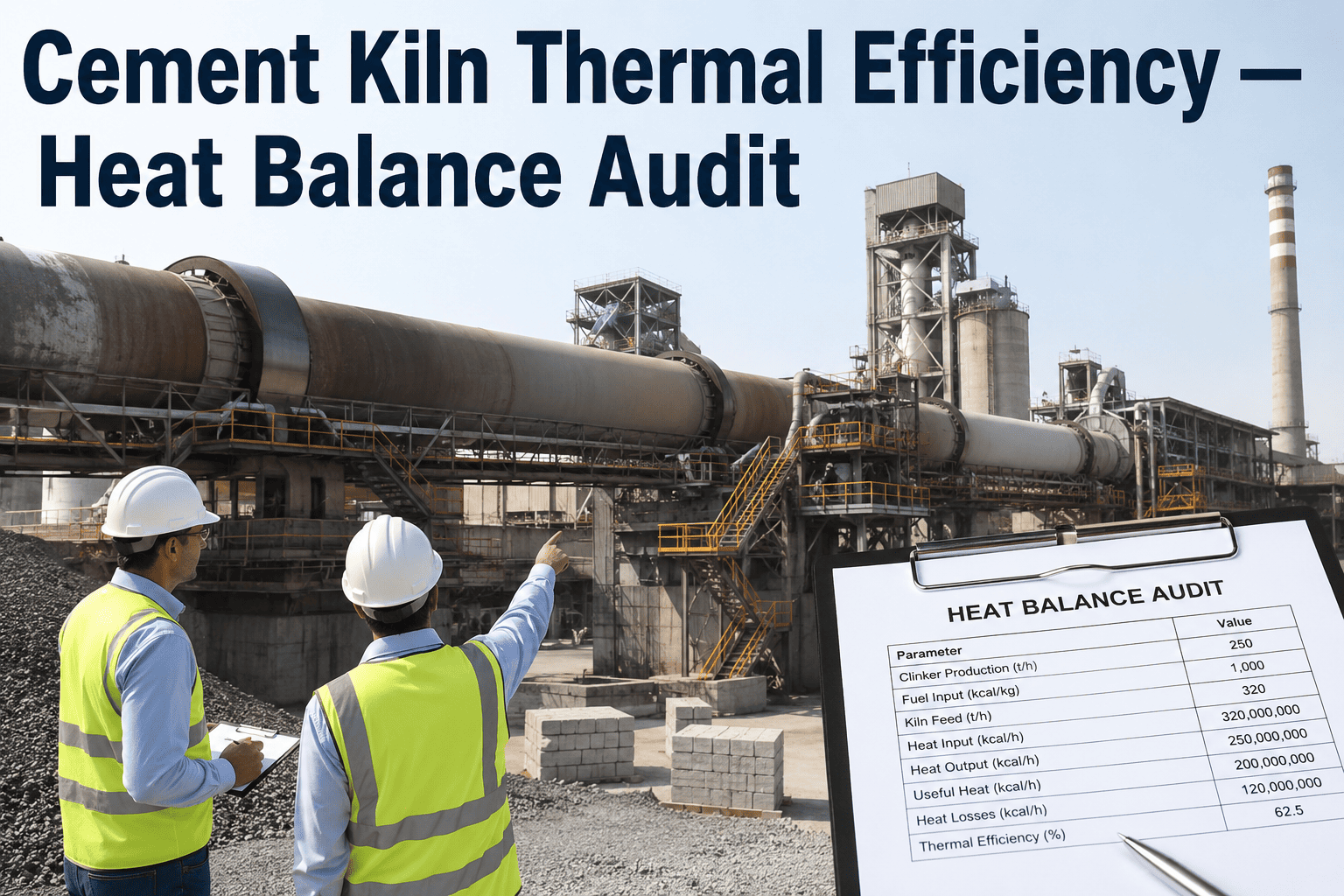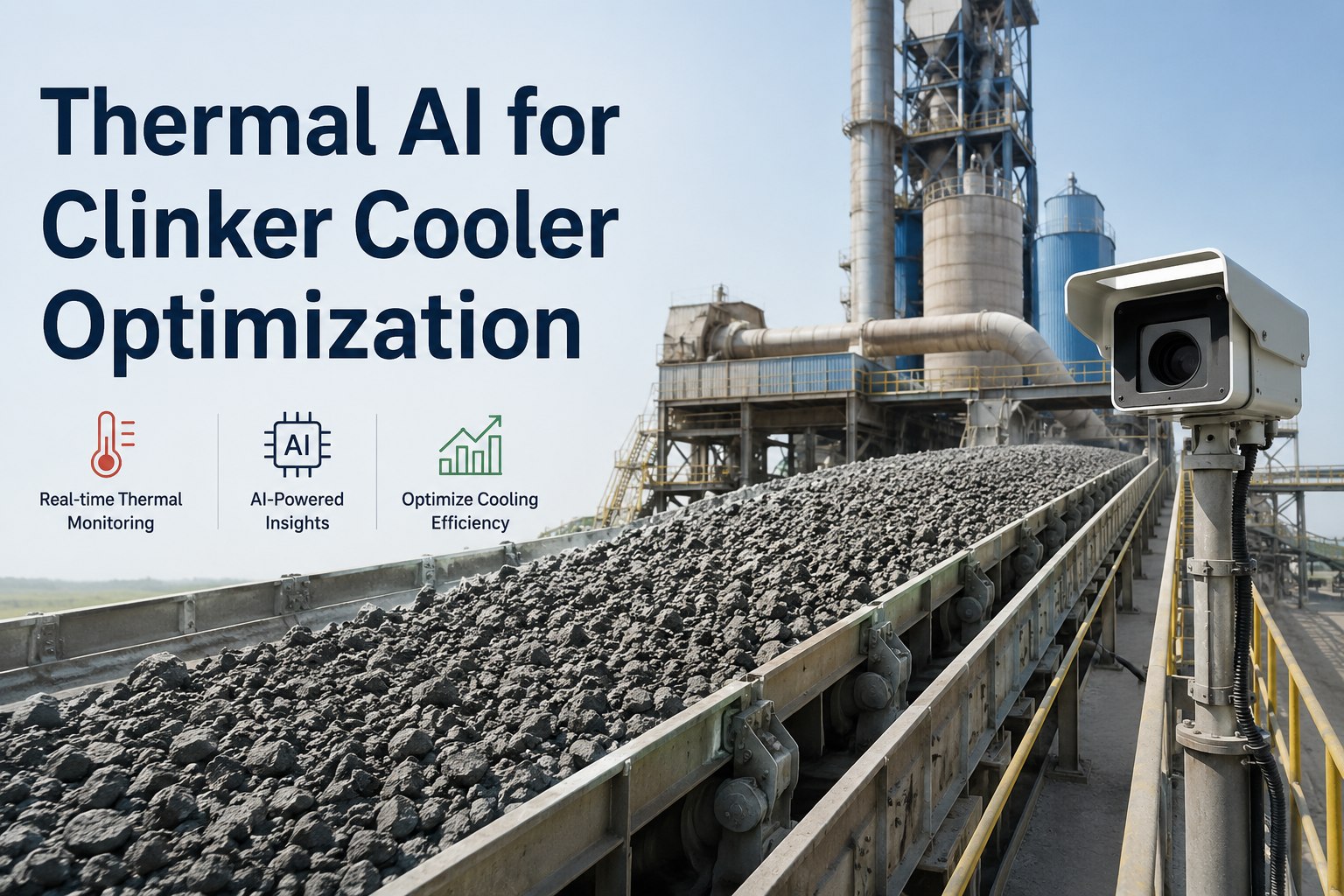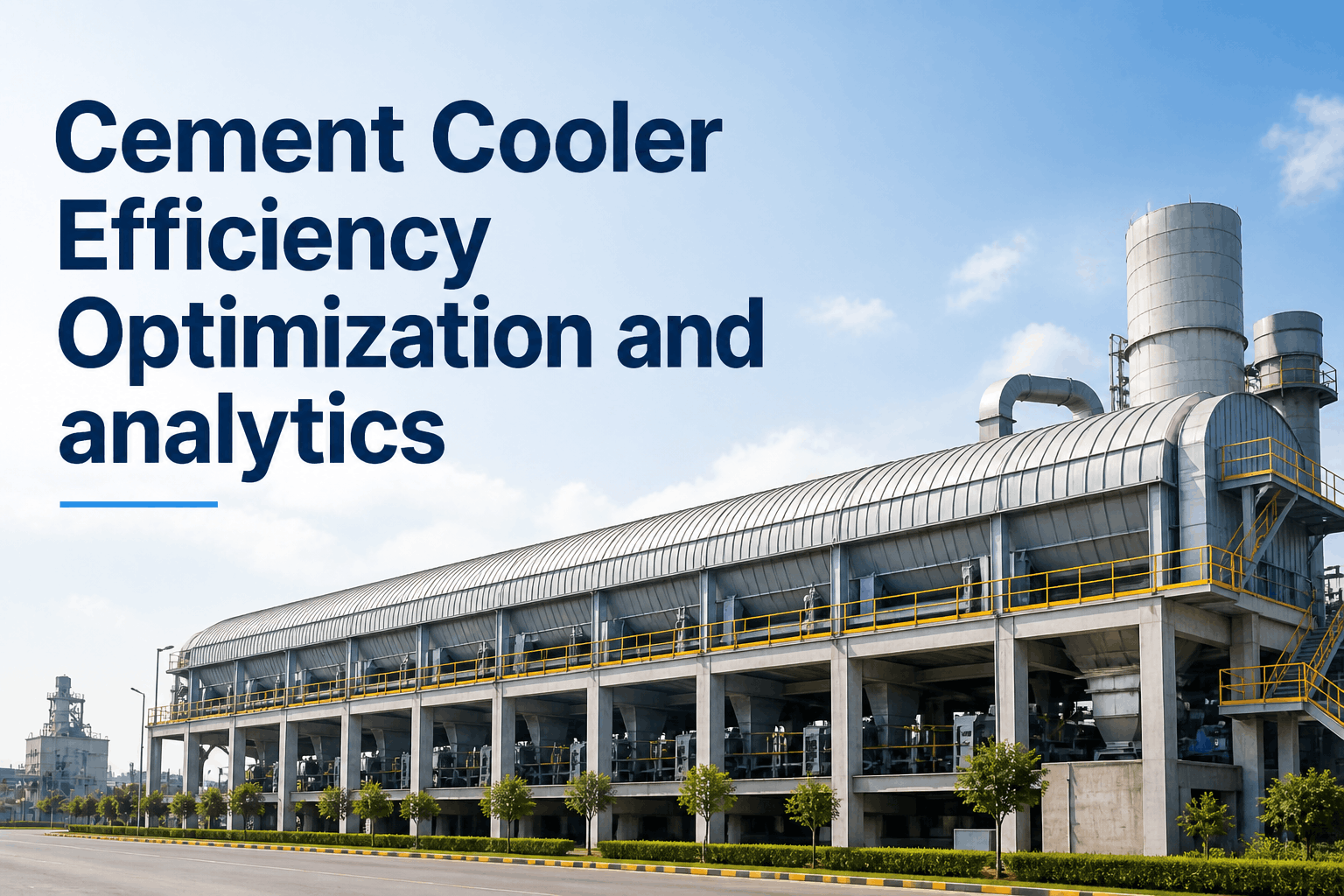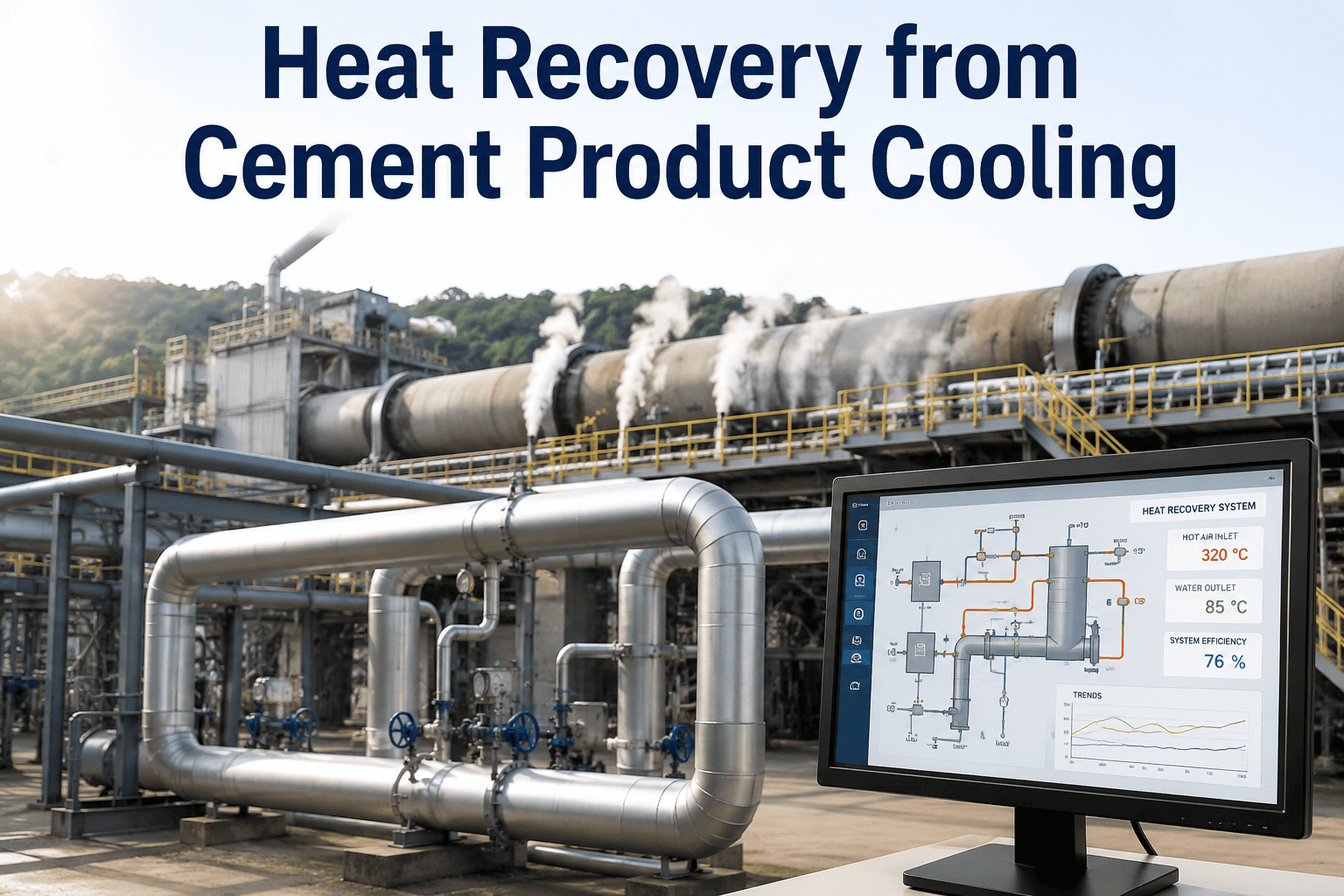
In the cement industry, the cooling of clinker and finished products represents one of the most significant yet underutilized sources of waste heat. As cement plants strive for energy efficiency and reduced carbon footprints, capturing and repurposing this thermal energy has become a critical frontier. Advanced heat recovery from product cooling processes—including clinker coolers, cement coolers, and raw material cooling systems—can dramatically improve overall plant efficiency. By integrating smart sensors, AI-driven analytics, and real-time monitoring, manufacturers can transform waste heat into a valuable resource for preheating combustion air, generating power, or supporting district heating networks. This comprehensive guide explores the technical, economic, and operational dimensions of heat recovery from cement product cooling, offering actionable strategies for plant managers, CTOs, and maintenance directors. Book a Demo to see how iFactory's Industry 4.0 solutions can optimize your thermal recovery.
Unlock the Hidden Value in Your Cooling Processes
Transform waste heat from clinker and cement cooling into a strategic asset. Reduce energy costs, lower emissions, and boost profitability with advanced thermal integration.
The Imperative for Heat Recovery in Cement Cooling
Cement production is inherently energy-intensive, with cooling processes accounting for a substantial fraction of total thermal output. Traditionally, the heat dissipated during clinker cooling—often exceeding 200°C—is vented to the atmosphere, representing a lost opportunity. With global cement demand projected to grow, the industry faces mounting pressure to decarbonize. Heat recovery from product cooling offers a dual benefit: reducing purchased fuel consumption and mitigating environmental impact. Modern heat exchangers, such as grate coolers with integrated recovery loops, can capture up to 60% of this waste heat. When combined with predictive maintenance and real-time optimization, these systems become even more effective. iFactory's platform leverages IoT sensors and machine learning to continuously monitor cooler performance, detect anomalies, and adjust parameters for maximum heat recovery. This proactive approach not only enhances energy efficiency but also extends equipment lifespan and reduces downtime.
Clinker Cooler Heat Recovery
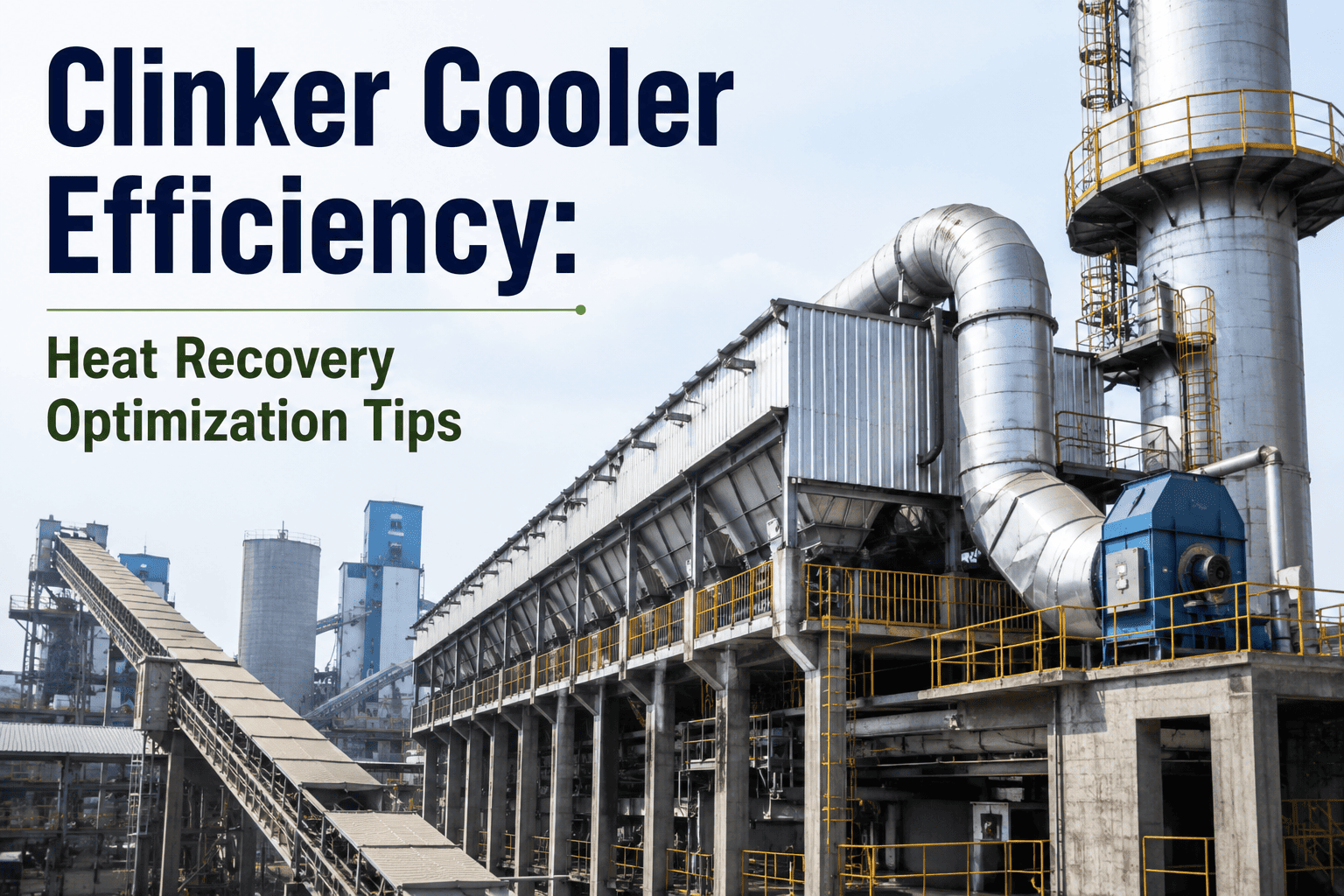
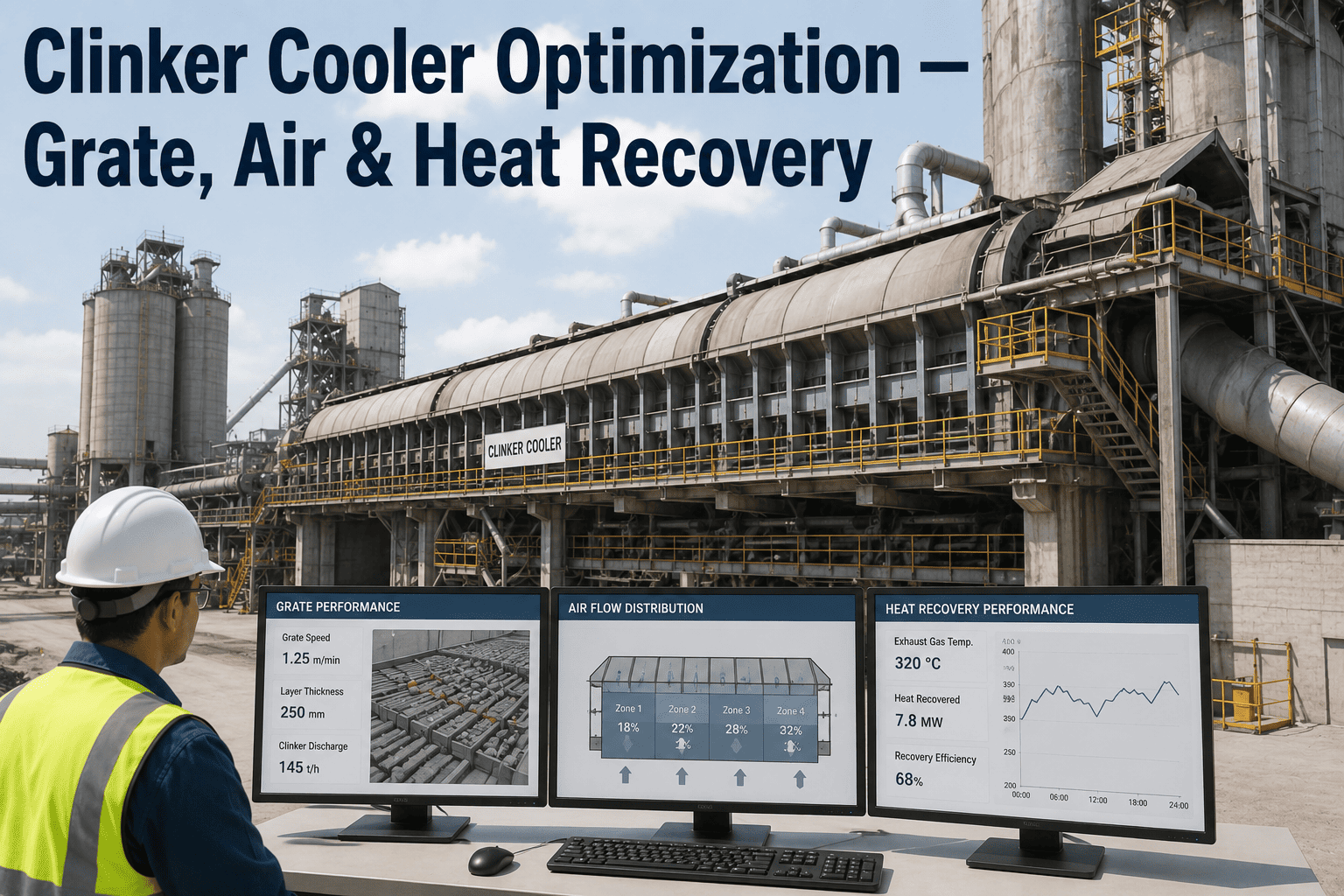
The clinker cooler is the primary source of recoverable heat, with exhaust air temperatures ranging from 150°C to 350°C. Advanced grate coolers with recuperation zones can preheat combustion air for the kiln or calciner, reducing fuel consumption by 10-15%. Heat exchangers can also be installed to generate steam for power generation or district heating. Real-time monitoring of cooler bed depth, air flow, and temperature profiles ensures optimal heat transfer.
Cement Cooler Thermal Integration
After grinding, cement is typically cooled in a cement cooler before storage. This process releases low-grade heat (60-100°C) that can be captured for preheating raw materials, drying fuels, or space heating. Integration with a heat pump can upgrade this thermal energy to higher temperatures for process use. Smart control systems adjust cooling water flow and fan speeds to balance product quality with heat recovery efficiency.
Raw Material Cooling Optimization
Raw material grinding and drying also involve cooling steps, particularly in roller mills and vertical mills. The exhaust air from these processes contains sensible heat that can be recovered using heat exchangers or thermal wheels. This recovered heat can be redirected to preheat incoming raw materials, reducing the thermal load on the kiln system. AI-driven analytics help identify optimal setpoints for maximum energy savings.
Technical Deep Dive: Heat Exchanger Design for Cement Cooling
Effective heat recovery from cement cooling requires careful selection and design of heat exchangers. For high-temperature clinker cooler exhaust (above 250°C), shell-and-tube or finned-tube heat exchangers are commonly used, often with steam generation as the working fluid. These systems must withstand abrasive dust and high thermal stresses. For lower-temperature cement cooler air (below 100°C), plate heat exchangers or heat pipes offer higher efficiency and compactness. The choice of materials—such as stainless steel or ceramic coatings—depends on the corrosive nature of the exhaust gases. Advanced computational fluid dynamics (CFD) simulations can optimize the placement and geometry of heat exchangers to maximize heat transfer while minimizing pressure drop. iFactory's digital twin technology enables virtual testing of different designs before implementation, reducing capital risk and ensuring optimal performance.
Comparative Analysis of Heat Recovery Technologies
| Technology | Temperature Range | Recovery Efficiency | Capital Cost | Maintenance Requirement |
|---|---|---|---|---|
| Grate Cooler Recuperation | 150-350°C | 50-65% | High | Moderate |
| Shell-and-Tube HX | 200-400°C | 55-70% | High | High |
| Plate Heat Exchanger | 60-120°C | 70-85% | Medium | Low |
| Heat Pipe System | 50-200°C | 60-75% | Medium | Low |
| Thermal Wheel | 30-100°C | 65-80% | Low | Moderate |
Ready to Optimize Your Heat Recovery?
Our AI-driven platform helps you identify, capture, and monetize waste heat from every cooling process. Achieve up to 40% energy savings with minimal capital investment.
Step-by-Step Implementation Roadmap
Energy Audit and Feasibility Study
Conduct a comprehensive audit of all cooling processes to quantify waste heat availability, temperature profiles, and flow rates. Identify the most promising recovery opportunities based on thermal energy content and proximity to heat sinks.
Technology Selection and Design
Based on the audit results, select the most appropriate heat recovery technology (e.g., grate recuperation, heat exchangers, heat pumps). Design the system using CFD modeling and digital twins to optimize performance and minimize retrofitting costs.
Integration with Existing Control Systems
Integrate the heat recovery system with the plant's DCS and SCADA systems. Install IoT sensors for real-time monitoring of temperatures, pressures, and flow rates. Implement AI algorithms to automatically adjust setpoints for maximum recovery.
Commissioning and Performance Validation
Commission the system with a structured testing protocol to validate heat recovery rates, energy savings, and product quality impacts. Use iFactory's analytics dashboard to track key performance indicators (KPIs) such as thermal efficiency, fuel reduction, and payback period.
Continuous Optimization and Predictive Maintenance
Deploy machine learning models that continuously learn from operational data to predict fouling, equipment degradation, and optimal cleaning schedules. This proactive approach ensures sustained high performance and extends equipment life.
Quantifiable Benefits of Heat Recovery from Cooling
Reduced Fuel Consumption
By preheating combustion air or raw materials, a typical plant can reduce its specific fuel consumption by 10-20%, translating to significant cost savings and lower carbon emissions.
Lower Operating Costs
Heat recovery systems reduce the load on cooling fans, water pumps, and other auxiliary equipment, cutting electricity consumption by up to 15%. Maintenance costs also decrease due to reduced thermal cycling.
Enhanced Product Quality
Stable cooling conditions, achieved through advanced control, improve cement fineness and strength. Consistent product quality reduces rejects and enhances customer satisfaction.
Regulatory Compliance
Meeting stringent emissions regulations becomes easier with reduced fuel usage. Heat recovery also contributes to achieving ISO 50001 energy management certification and other sustainability goals.
Case Study: 30% Energy Savings at a European Cement Plant
A leading cement manufacturer in Germany implemented a comprehensive heat recovery system across its clinker and cement cooling processes. Using iFactory's AI platform, they integrated grate cooler recuperation with a shell-and-tube heat exchanger to preheat combustion air and generate low-pressure steam for district heating. The project achieved a 30% reduction in purchased fuel, a 25% decrease in CO2 emissions, and a payback period of 2.8 years. Real-time monitoring allowed operators to adjust cooling parameters dynamically, maintaining product quality while maximizing heat recovery. The plant also reported a 12% reduction in maintenance costs due to predictive alerts for cooler bed imbalances and heat exchanger fouling. This success story underscores the transformative potential of smart heat recovery in cement manufacturing.
Frequently Asked Questions
What is the typical temperature range of waste heat from clinker cooling?
The exhaust air from a clinker grate cooler typically ranges from 150°C to 350°C, depending on the cooler design and operating conditions. The highest temperatures are found at the cooler inlet where clinker is discharged at around 1400°C. Secondary and tertiary air streams used for combustion are usually at 200-300°C. This high-grade heat is ideal for power generation via steam turbines or for preheating combustion air. For more details, contact our support team for a customized assessment.
How does heat recovery from cement cooling affect product quality?
When properly designed, heat recovery systems do not compromise product quality. In fact, advanced control systems can improve consistency by stabilizing cooling rates. For example, if heat exchangers extract too much heat too quickly, it can lead to thermal shock in cement particles. However, with iFactory's predictive algorithms, the system balances heat extraction with product temperature targets, ensuring optimal fineness and strength. Book a Demo to see how our solution maintains quality while maximizing recovery.
What is the typical payback period for a heat recovery system in a cement plant?
The payback period varies based on plant size, existing infrastructure, and local energy prices. For most cement plants, a well-designed heat recovery system achieves payback within 2 to 4 years. Factors that shorten payback include high fuel costs, government incentives for energy efficiency, and the ability to sell recovered heat to nearby industries or district heating networks. iFactory's feasibility analysis tool can provide a precise estimate for your plant. Contact support to start your assessment.
What are the main challenges in implementing heat recovery from cooling processes?
Key challenges include high capital costs for retrofitting, space constraints in existing plants, and the need to handle abrasive dust and corrosive gases. Additionally, integrating the heat recovery system with existing control systems can be complex. However, these challenges are mitigated by modern modular heat exchanger designs, advanced materials like ceramic coatings, and AI-based control that simplifies integration. iFactory's digital twin technology allows virtual testing to minimize installation risks. Book a Demo to learn how we address these challenges.
Can heat recovery be combined with carbon capture systems?
Yes, heat recovery and carbon capture are complementary technologies. The waste heat from cooling can be used to regenerate solvents in amine-based carbon capture systems, reducing the energy penalty of capture. Alternatively, the heat can be used to preheat the CO2 stream before compression. This synergy improves the overall economics of both systems. iFactory's integrated platform can model and optimize the combined operation. Contact support for more information on integrated solutions.
Transform Your Cement Plant's Energy Future
Take the first step toward Industry 4.0-driven heat recovery. Our experts will design a tailored solution that maximizes ROI and sustainability.