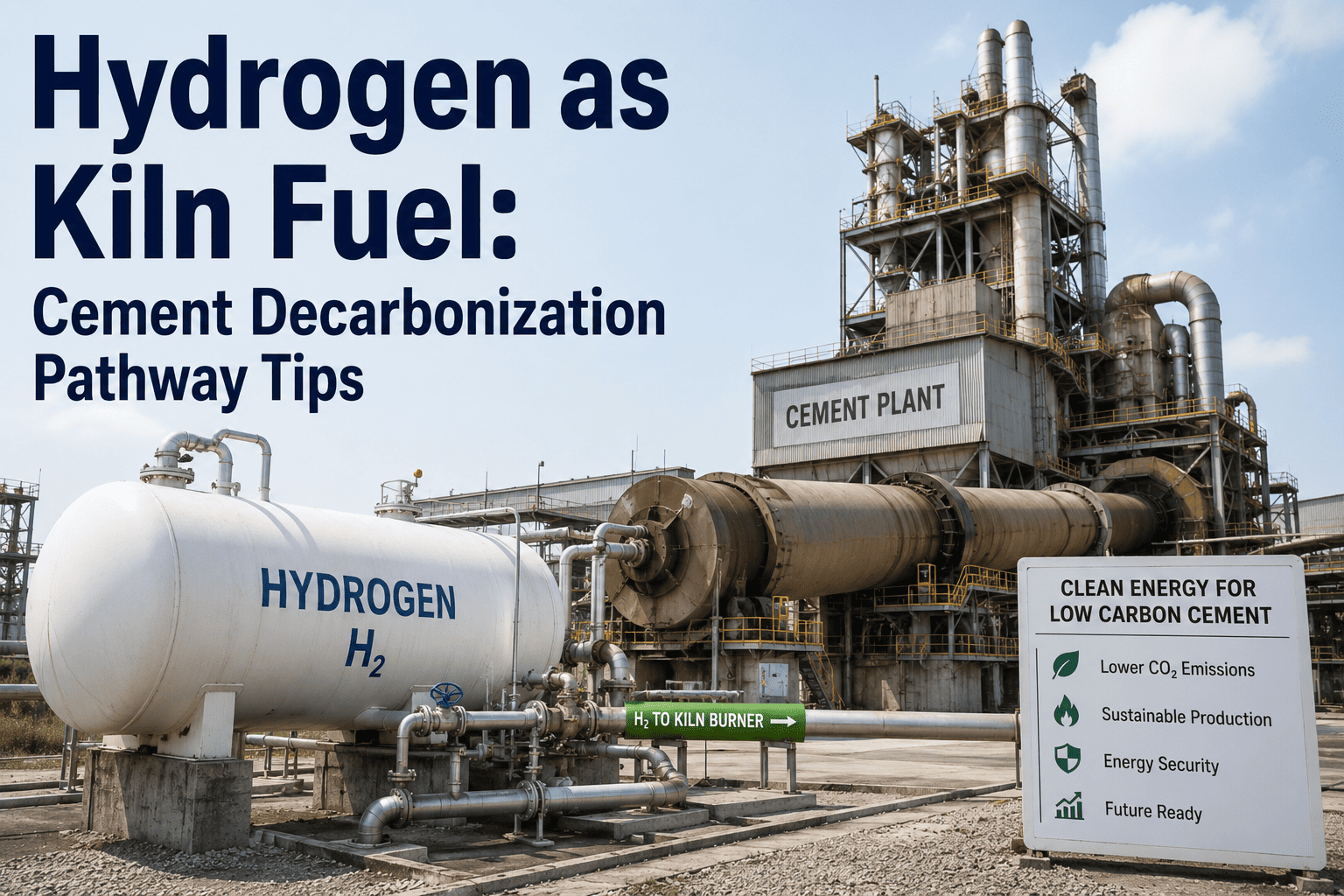
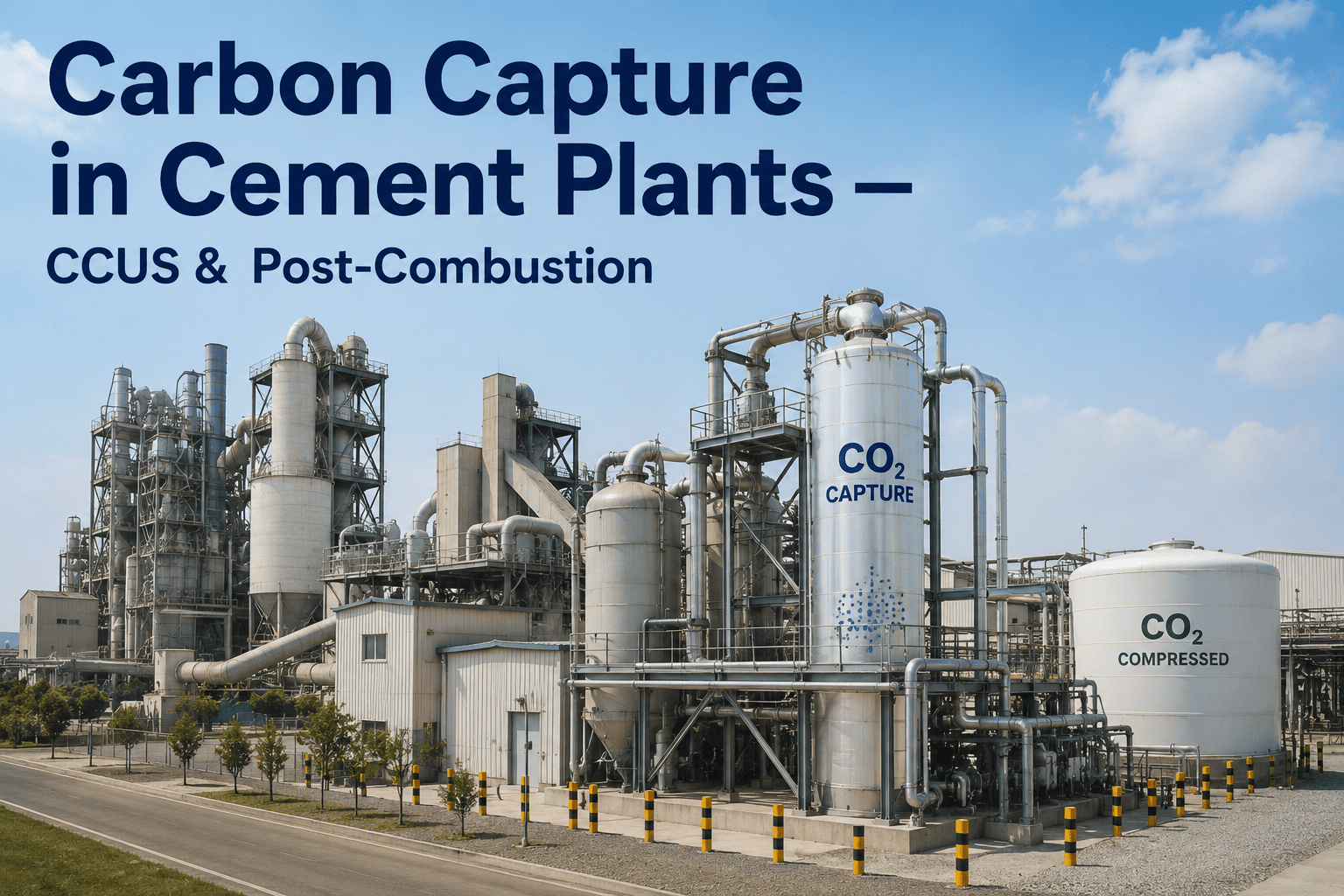
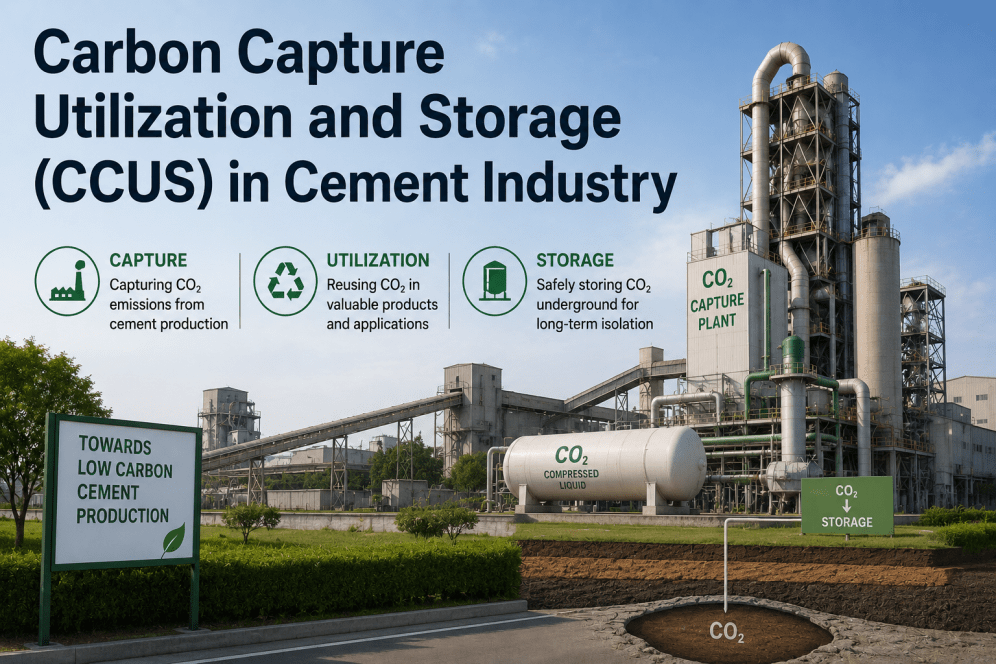
As we approach 2026, the cement industry is moving beyond basic carbon tracking toward Prescriptive Decarbonization Governance. The integration of CCUS analytics, high-TSR alternative fuel monitoring, and LC3 processing intelligence is no longer a pilot project — it is the new baseline for global competitiveness and CBAM (Carbon Border Adjustment Mechanism) compliance. This article explores how iFactory’s 2026 roadmap delivers a measurable shift from "Emission Reporting" to "Net-Zero Operational Intelligence." Book a demo to see these 2026 green cement benchmarks in action.
Accelerate Your Plant's Shift to Prescriptive Decarbonization
iFactory’s 2026 platform combines CCUS equipment tracking with alternative fuel system PM to eliminate carbon leakage and optimize clinker substitution in real-time.
Why Traditional Carbon Tracking is Becoming Obsolete in 2026
In the high-stakes environment of a modern "Green" cement plant, reactive emission dashboards are a liability. By 2026, the delta between "Tracking" (measuring CO2) and "Prescriptive Governance" (optimizing the process to minimize CO2 while maintaining strength) will be the primary driver of margin expansion and market access. Legacy systems lack the contextual intelligence required to reason about the trade-offs between Alternative Fuel (AF) thermal substitution and kiln stability. iFactory’s 2026 engine bridges this gap, providing plant managers with a Net-Zero Copilot that handles both CCUS asset health and clinker factor optimization simultaneously. Request a business case to evaluate your shift to Prescriptive Decarbonization.
The Top 5 Trends Powering the Next Tier of Green Cement Analytics
iFactory's 2026 Green Cement Platform integrates directly with your plant’s OT layer — turning raw currents, temperatures, and gas concentrations into autonomous decarbonization decisions.
— Chief Sustainability Officer, Global Cement Manufacturer
Applying 2026 Green Analytics Across the Cement Value Chain
The true value of Green Cement Analytics 2026 is in the specific moments where prescriptive guidance replaces "best-guess" decarbonization efforts.
Scenario 1: CCUS Amine Loop Preservation
AI identified a chemical degradation pattern in the amine loop correlating with cooling water temp shifts. System auto-prescribed a solvent reclamation cycle, preventing a $500k capture failure and ensuring continuous CBAM compliance.
Scenario 2: High-TSR Kiln Stability
Edge AI identified moisture spikes in the RDF feed. System auto-adjusted the secondary air and burner position to compensate, maintaining clinker quality while increasing the waste substitution rate to 92%.
Scenario 3: LC3 Strength & Color Control
The **AI Copilot** identified a shift in calcined clay color due to clay mineralogy changes. AI prescribed a mill-grinding adjustment to maintain the target "Green Cement" color and 28-day strength profile.
Scenario 4: CBAM Audit Preparation
By using the **Carbon Intensity Ledger**, the plant generated an audit-ready "Carbon Passport" for a 50,000-ton export shipment. The data-backed transparency reduced the audit timeline from 2 weeks to 4 hours.
Evolution of Green Cement Support: 2024 vs. 2026
For cement operations leaders, this comparison illustrates the performance gap between conventional "Emission Tracking" and the 2026 iFactory Prescriptive engine.
| Capability | Legacy / 2024 | Standard 2024 PdM | iFactory 2026 Green |
|---|---|---|---|
| CO2 Strategy | Manual Reporting | Cloud Tracking | Prescriptive Governance |
| Alt Fuel (AF) Control | Fixed Mix Ratio | Vibration Monitoring | AI Burner Stabilization |
| CCUS Monitoring | None / Periodic | Basic SCADA Tags | Prescriptive Absorber PM |
| Business Impact | Compliance Risk | 2-4× ROI (Carbon) | 10-15× ROI (CBAM + AF) |
| Reporting Accuracy | Estimated / Annual | Calculated / Monthly | Directly Measured / Live |
Deploying 2026 Green Analytics: The 4-Phase Path
Integrating Prescriptive Decarbonization Analytics into a cement plant requires a phased approach that ensures clinker quality stability during the net-zero shift.
Carbon Intensity Audit & Baseline
Audit of existing CEMS and kiln sensors. Establishing the "Actual SEC" and "Actual CO2" baseline across all cement grades without any production stoppage.
AF & CCUS Asset Health Mapping
Installation of prescriptive sensors on alternative fuel systems and CCUS strings. AI starts building the "Decarbonization Fingerprint" of your specific plant.
Prescriptive Burner & Clinker Optimization
Activation of the **Net-Zero Copilot**. Prescriptive alerts are calibrated to move from "Carbon Tracking" to "Burner & Mix Optimization" for higher TSR and lower clinker factor.
CBAM Scale-Out & Autonomous Governance
Decarbonization governance expands across the fleet. Continuous model improvement drives down net-CO2 per ton and automates all global sustainability reporting.
Green Cement Decarbonization: Frequently Asked Questions
Don't Just Report Your Emissions. Govern Them.
iFactory's 2026 green cement analytics platform delivers real-time CCUS health tracking, high-TSR stability, and LC3 processing guidance — purpose-built for the Net-Zero transition.