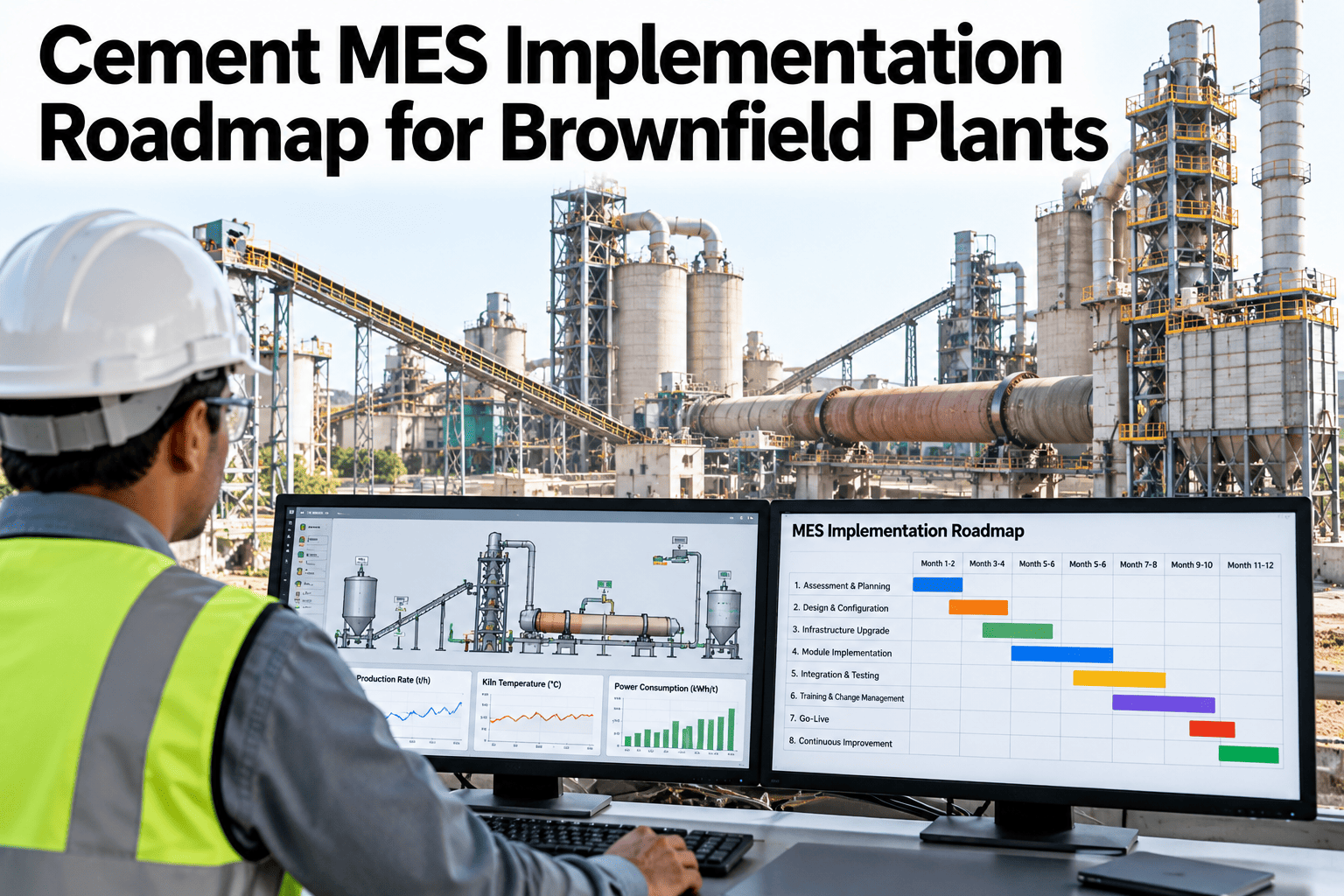
Most predictive maintenance programs do not fail because the sensors were wrong. They fail because a plant tried to instrument everything at once, skipped the asset register cleanup, or never connected the alerts back to the CMMS, so technicians kept working off memory while a dashboard nobody trusted sat in the corner office. A 12-month rollout that sequences correctly looks almost boring from the outside: a short pilot on the assets that actually drive downtime, a expansion phase once the pilot proves itself, then a scale-out that adds the rest of the plant. iFactory has run this exact sequence across cement lines on three continents. Book a roadmap scoping call to see a 12-month plan built around your own asset register.
A 12-Month Path From Reactive Firefighting to Predictive Operations
Critical asset identification, phased sensor deployment, analyst training, and CMMS integration sequenced so every phase earns the budget for the next one.
Why Sequencing Determines Whether PdM Actually Pays Off
The technology is mature and well documented. What separates a program that delivers measurable ROI from one that quietly stalls is almost always the order operations happened in.
typical payback period on a well-sequenced predictive maintenance investment
downtime reduction reported by cement plants after a full-cycle predictive maintenance rollout
critical assets typically covered in a well-scoped pilot phase, not the whole plant at once
a commonly cited unplanned downtime cost that makes catching one early failure worth the whole program
The 12-Month Rollout, Month by Month
Each phase builds directly on the one before it. Skipping ahead to sensors before the asset register is clean is the single most common reason PdM programs stall out.
Asset audit and criticality ranking
Every asset is documented and ranked by downtime and cost impact. The 10 to 20 assets that account for the largest share of unplanned downtime become the Phase 2 target list, not the full plant.
Sensor deployment on Tier 1 assets
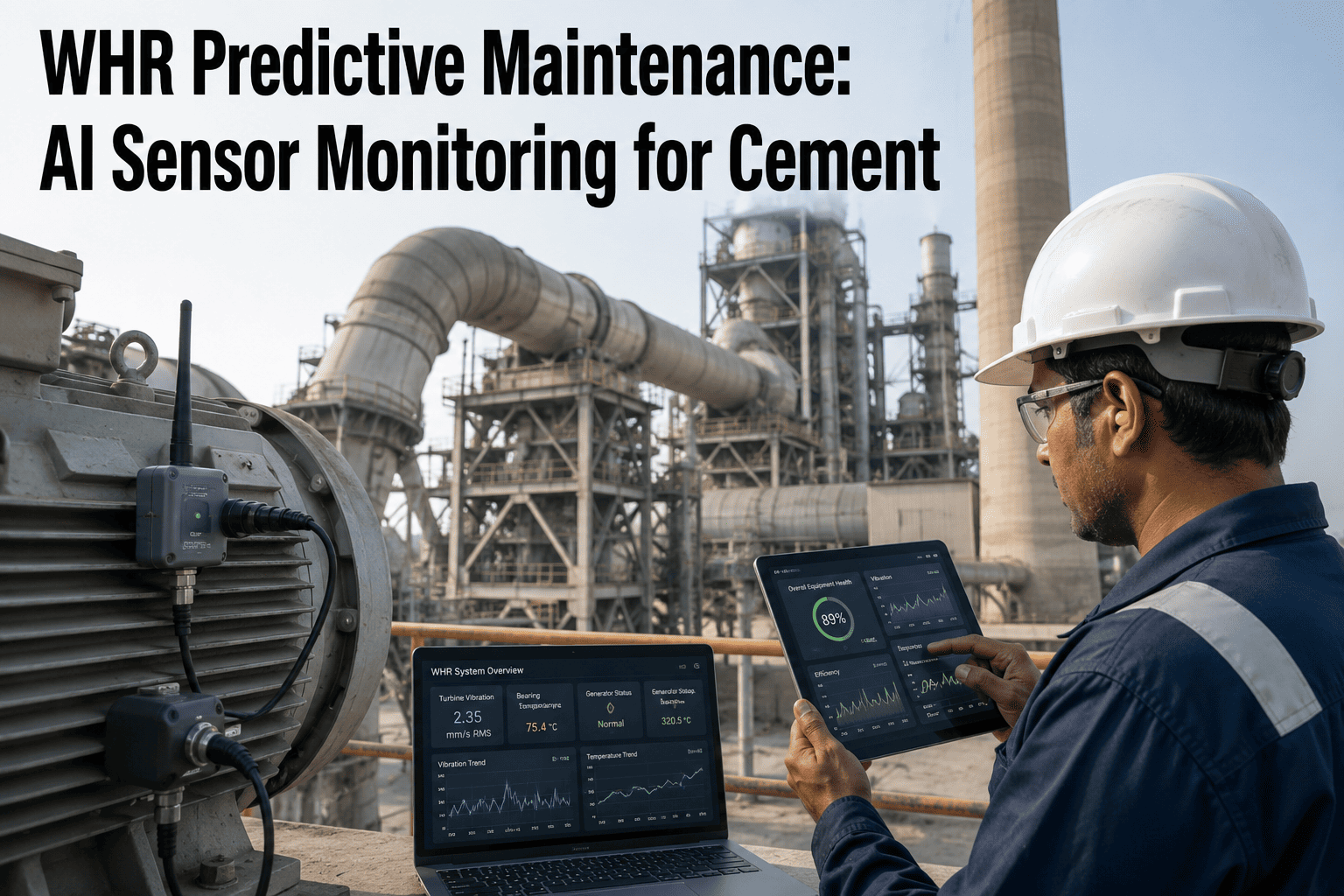
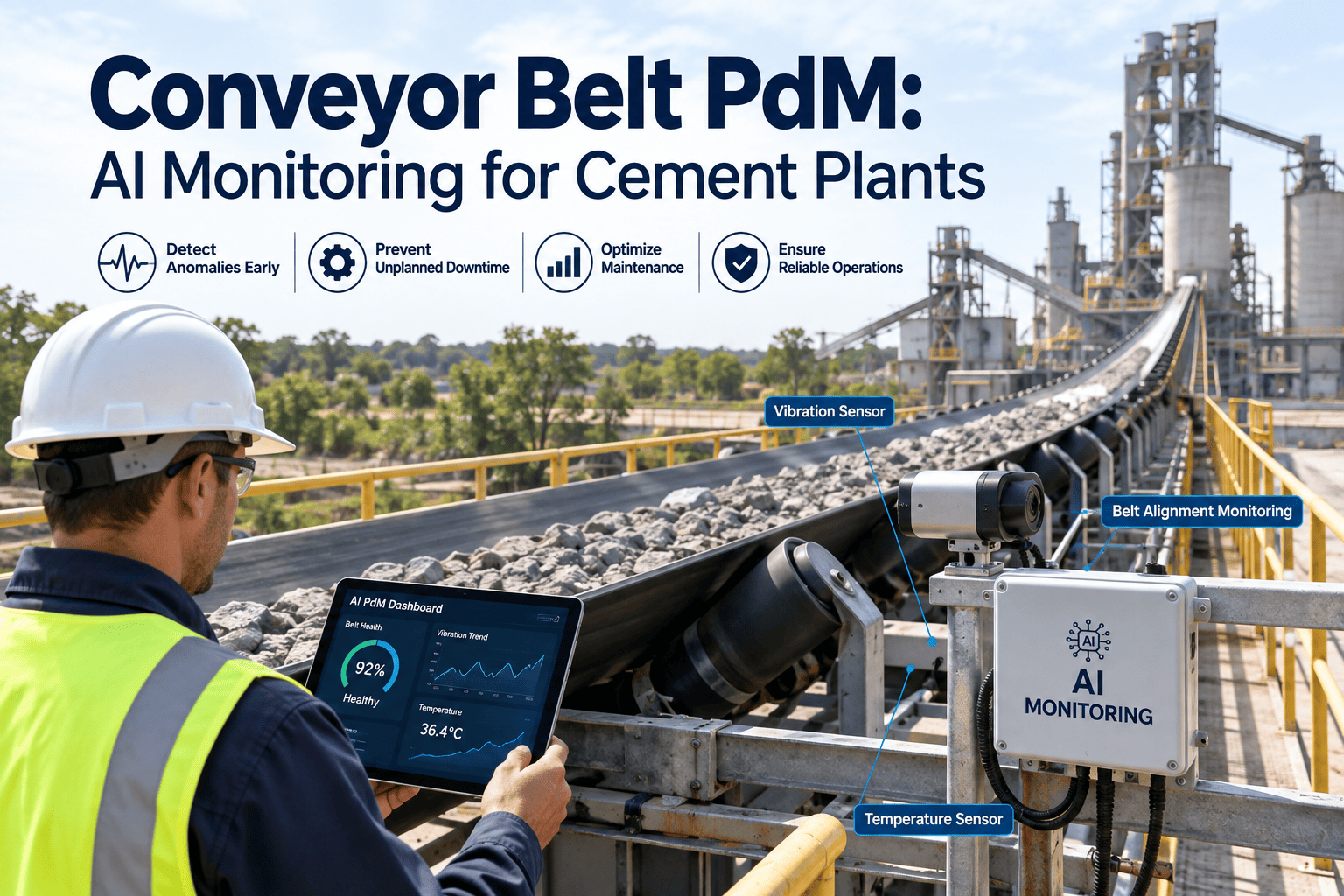
Vibration, thermal, and process sensors go on the critical assets identified in the audit, with IP-rated hardware matched to the dust and temperature conditions at each mounting location.
Model training and CMMS integration
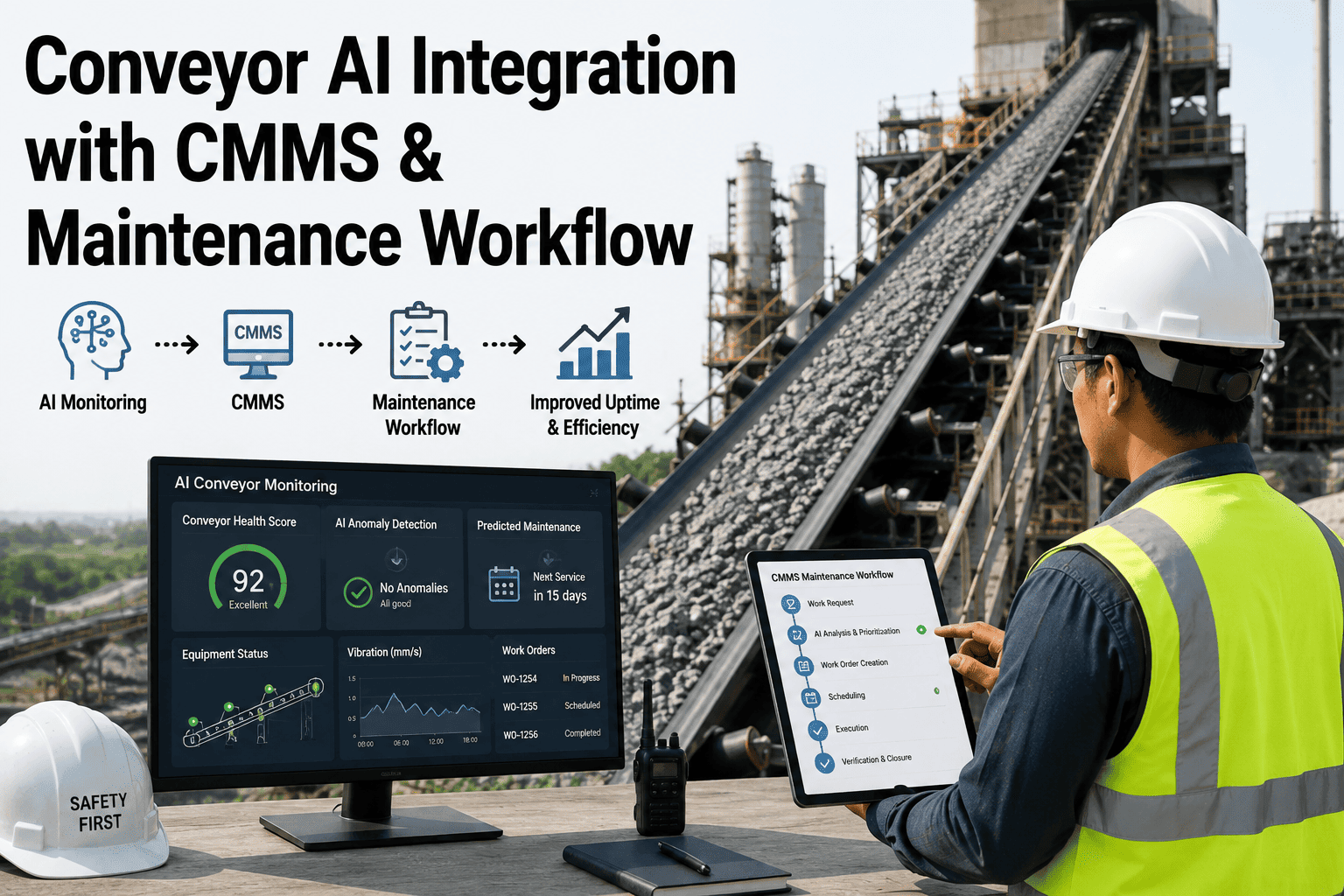
Failure models train against 60 to 90 days of live sensor data while alerts are wired directly into the CMMS as pre-filled work orders, so technicians see recommendations, not raw charts.
Pilot validation and first prevented failure
Most cement plants document their first prevented failure event in this window, the clearest possible proof point for expanding the program beyond the pilot asset list.
Tier 2 expansion and analyst handover
Coverage expands to the next tier of assets, plant analysts take ownership of daily model review, and a documented ROI report goes to plant leadership for the following year's budget.
Get a 12-Month Plan Built Around Your Asset List
iFactory will map your current asset register against a phased rollout and show which assets belong in the Phase 2 pilot.
Milestone Sign-Off Checkpoints by Phase
A clear sign-off at the end of each phase is what keeps a 12-month rollout from quietly drifting past its budget or timeline.
Typical Budget Allocation Across the Four Phases
Spend is heaviest during sensor deployment and lightest during the audit phase, which is exactly why skipping the audit to save money is a false economy.
Common Objections From Plant Leadership, Answered
Every plant manager who has approved a rollout has heard these same three concerns before signing off on Phase 1 budget.
"We tried sensors before and nothing changed."
Most failed prior attempts skipped the criticality ranking and instrumented assets that were never actually driving downtime. Sequencing, not sensor quality, is usually the real issue.
"We can't wait nine months for a result."
Basic anomaly detection is typically visible within weeks of sensor installation. The nine-month mark is when accurate failure prediction models mature, not when the program starts producing any value.
"Our team doesn't have time to learn a new system."
Alerts arrive as pre-filled CMMS work orders in the same system technicians already use daily, not as a separate dashboard requiring new training on a whole new platform.
Five Reasons PdM Programs Stall Before Delivering ROI
A large share of predictive maintenance rollouts fail to deliver measurable returns, and the reasons are almost always sequencing mistakes rather than sensor or model quality.
Instrumenting the whole plant at once
Sensors go on every asset before any single one has proven the model works, spreading budget too thin to validate anything.
Skipping the asset register cleanup
Incomplete or outdated asset data means the AI model has nothing reliable to anchor its predictions against from day one.
No CMMS integration
Alerts that arrive as a separate dashboard instead of a work order get ignored once the novelty of the new system wears off.
No named analyst ownership
Without a specific person responsible for daily model review, alerts pile up unactioned and confidence in the system erodes.
No KPI baseline before starting
Without a documented downtime and cost baseline, there is no way to prove the program's ROI to leadership at the Phase 4 review.
Pre-Rollout Readiness Checklist
Three to five KPIs defined and baselined before Phase 1 begins, not estimated after the fact
Asset register and criticality ranking reviewed and signed off by the maintenance manager
CMMS platform confirmed compatible for direct work order integration, not a manual export step
Named analyst or reliability engineer assigned ownership of daily alert review from day one
Executive sponsor identified to review the Phase 4 ROI report and approve Tier 2 expansion budget
Sensor specifications matched to dust, temperature, and vibration conditions at each mounting location
A Plant Manager's View on the First Year
We had tried a plant-wide sensor rollout once before and it went nowhere because nobody could point to a single win. This time we picked twenty assets, waited for the first prevented failure, and only then asked for budget to expand. That single change in sequencing is the entire reason this program is still running two years later.
Frequently Asked Questions
How many assets should a pilot phase actually cover?
Most successful pilots cover between 10 and 20 assets, selected specifically because they account for a disproportionate share of unplanned downtime and cost. Covering more than this in Phase 1 tends to spread sensor budget and analyst attention too thin to properly validate the model on any single asset, which is the most common reason plants struggle to show a clear early win.
What happens if the asset register is incomplete or outdated?
An incomplete asset register should be addressed before sensor deployment begins, since the AI model needs accurate baseline data to anchor its predictions against from the start. Book a demo to see how an asset audit is typically scoped and sequenced ahead of the sensor phase.
Can this integrate with our existing CMMS platform?
Yes. Integration is designed to work with common cement plant CMMS platforms including SAP, Maximo, eMaint, and Infor, connecting through existing APIs so alerts arrive as pre-filled work orders rather than a separate dashboard. This is one of the milestones confirmed during Phase 3, since work order integration is what determines whether technicians actually act on the alerts the model generates.
How soon can we expect to see the first prevented failure?
Most cement plants following this sequencing document their first prevented failure event somewhere in the Months 7 to 9 window, once models have trained against 60 to 90 days of live sensor data from the critical assets identified in Phase 1. This event typically becomes the clearest proof point used to justify the Tier 2 expansion budget requested at the end of Phase 4.
Who should own the program after the first year?
Ownership typically shifts from the implementation team to a named plant analyst or reliability engineer by the end of Phase 4, supported by an executive sponsor who reviews the ROI report and approves ongoing expansion budget. Talk to a specialist about structuring the handover so the program continues without a dependency on outside consultants.
Build Your 12-Month Rollout Plan
Book a 30-minute scoping call and bring your current asset list. iFactory will show you which assets belong in Phase 1 and what a realistic 12-month timeline looks like.