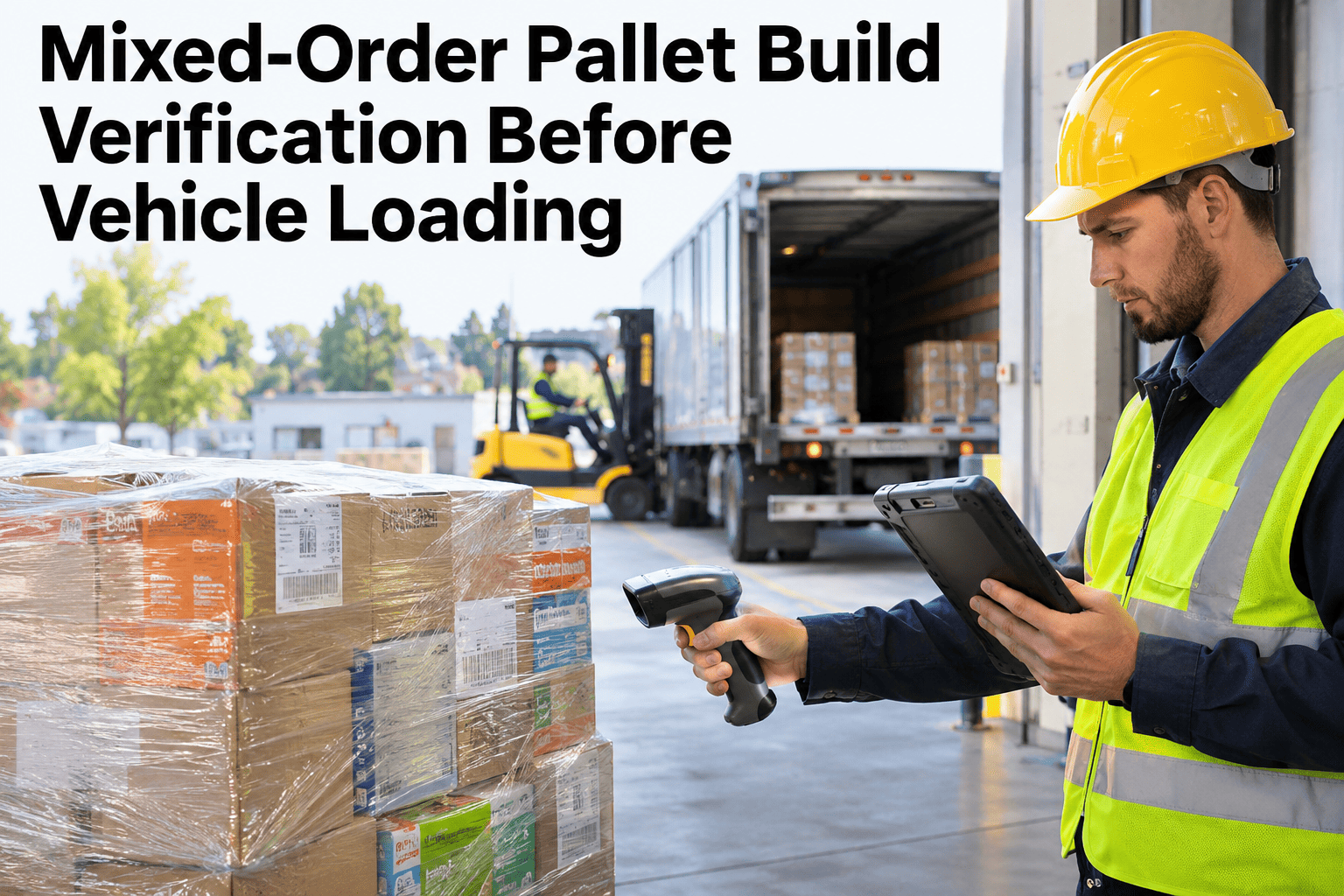
A mixed-order pallet can pass every dock check and still be wrong, because dock checks confirm what left the building, not what went onto the pallet in the first place. By the time a pallet reaches staging, the order separation, the destination grouping and the scan-to-pallet match were already decided — dispatch can only catch what build verification missed. Catching a mis-build at the pallet is far cheaper than catching it at the truck, and far cheaper again than a customer catching it at the dock. Teams that want their own build-stage verification reviewed against actual order volumes can walk through a pallet build verification setup using their own order mix with the iFactory AI team.
Catch the Mis-Build at the Pallet, Not at the Truck
iFactory AI verifies order separation, destination grouping and scan-to-pallet matching while a mixed-order pallet is still being built, before it ever reaches dispatch.
Build Verification Is Not Dispatch Verification
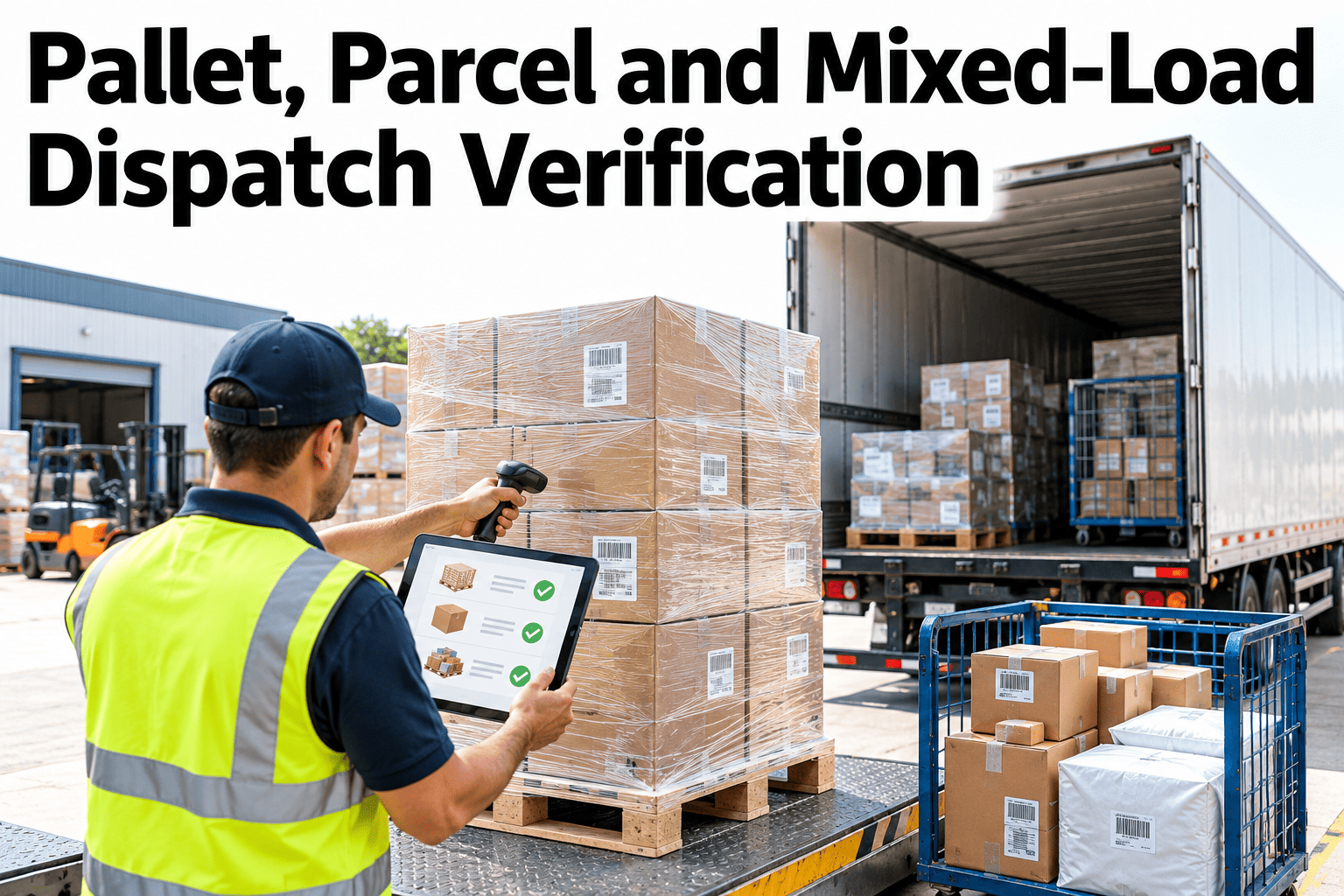
A dispatch check confirms a finished pallet matches its manifest before the truck leaves. Build verification happens earlier and asks a different question: as this pallet is assembled case by case, does each addition belong on it at all? Treating the two as the same check leaves the entire build stage unverified.
Five Stages a Mixed-Order Pallet Passes Through Before It Ever Reaches a Truck
Each stage answers a different question, and a pass on one tells you nothing about the others. Skipping verification at any single stage reopens the door to a mis-build that later checks may never catch.
Score Your Own Build Stage Against These Five Checks
Bring a week of mixed-order pallet builds to a 30-minute session and see which stage is actually going unverified.
Why Order Separation Has to Be Decided Before Picking Starts
Mixed pallets exist because combining destinations onto one load is efficient. That efficiency only holds if the rules for what can combine are set before picking begins, rather than left to whoever is building the pallet that shift.
Scan-to-Pallet Is the One Check That Actually Catches a Mis-Build
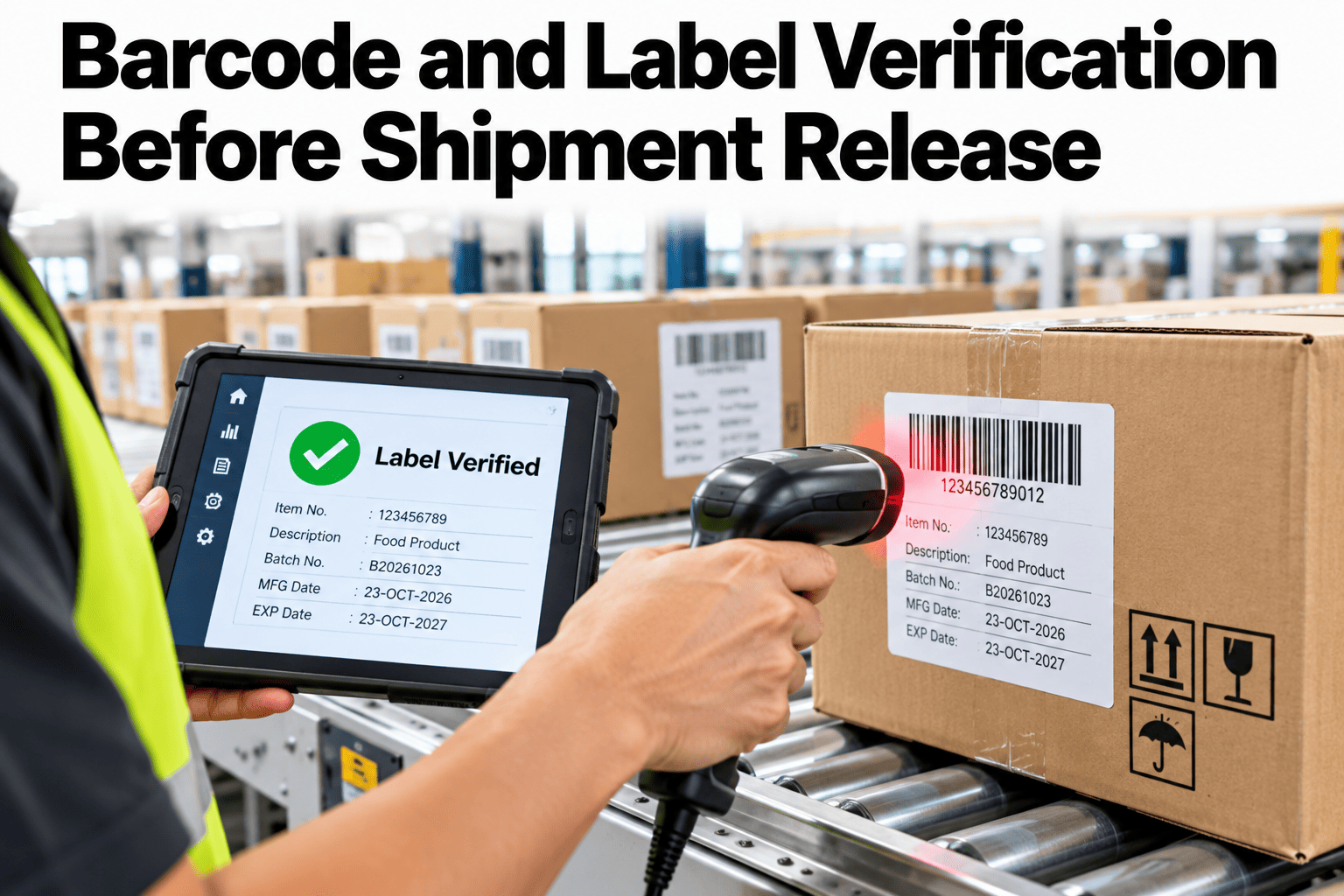
Visual inspection can confirm a pallet looks right. Only a scan tied to a specific pallet ID at the moment a case is placed can confirm it actually is right. The pattern used across warehouse systems is two-stage: a pick scan confirms the case left the right location, and a pallet scan confirms it landed on the right build.
A pallet built without the second scan can still show a correct pick history while sitting on the wrong physical load — the pick was right, and the placement was never checked.
Weight and Count Checks Catch What Scanning Can Miss
A scan confirms identity. It does not confirm that every scanned case physically made it onto the pallet, or that nothing extra rode along. A weight and count check at the end of the build closes that gap by comparing the finished pallet against what the build plan says it should weigh and hold.
A Composite Scenario: The Pallet That Scanned Clean and Still Shipped Short
A distribution center built a mixed-order pallet for three store destinations on one route. Every case scanned correctly against its pick instruction, and the pallet manifest showed a complete match to the order lines.
What the scan history did not show was that one case, correctly picked and correctly scanned, was set down beside the pallet rather than on it, and was swept into a different consolidation later that shift. The manifest said the pallet was complete because every scan had, individually, been correct. A weight check at the end of the build, comparing actual pallet weight to the expected total from the build plan, would have flagged the shortfall before the pallet ever reached staging.
Where iFactory AI Fits
Destination-Rule Enforcement
Order separation and destination grouping rules are set before picking and enforced at the pallet, not left to the floor to decide.
Two-Stage Scan Verification
Pick scan and pallet scan are both required, so a case's identity and its physical placement are each independently confirmed.
Weight and Count Reconciliation
The finished pallet's actual weight and case count are checked against the build plan before the pallet is marked ready.
Second-Check Approval Gate
A build cannot move to dispatch until a second check, separate from the original builder, confirms the pallet record.
Frequently Asked Questions
How is pallet build verification different from dispatch verification?
Build verification checks a pallet while it is being assembled, confirming order separation, destination grouping and scan-to-pallet matching case by case. Dispatch verification checks the finished pallet against its manifest right before loading. A pallet can pass dispatch and still have been mis-built if the earlier stage was never checked. See how the two stages work together in a short session on your own workflow.
Why do we need a pallet scan if every case already has a pick scan?
A pick scan confirms a case was correctly picked from its source location, but it says nothing about where that case physically ended up. A separate pallet scan, taken at the moment of placement, is the only check that confirms a case actually landed on the pallet it was meant for. Walk through the two-scan setup for your build stations.
What should trigger a weight and count check instead of relying on scans alone?
Run a weight and count check on every mixed-order pallet before it leaves the build zone, not just on exceptions, since the whole point is catching the cases that scanned correctly but never made it onto the physical load. A discrepancy between expected and actual weight is the signal to investigate before the pallet reaches staging. Ask support how weight thresholds are configured for your pallet types.
Who should perform the dispatch approval check on a mixed-order pallet?
The approval should come from someone other than the original builder, so the check is genuinely independent rather than the same person reviewing their own work. Many operations use a supervisor or a second operator for this step specifically because mixed-order pallets carry higher miscount risk than single-SKU pallets. See how approval routing is configured for your team structure.
Can this work alongside our existing WMS build verification?
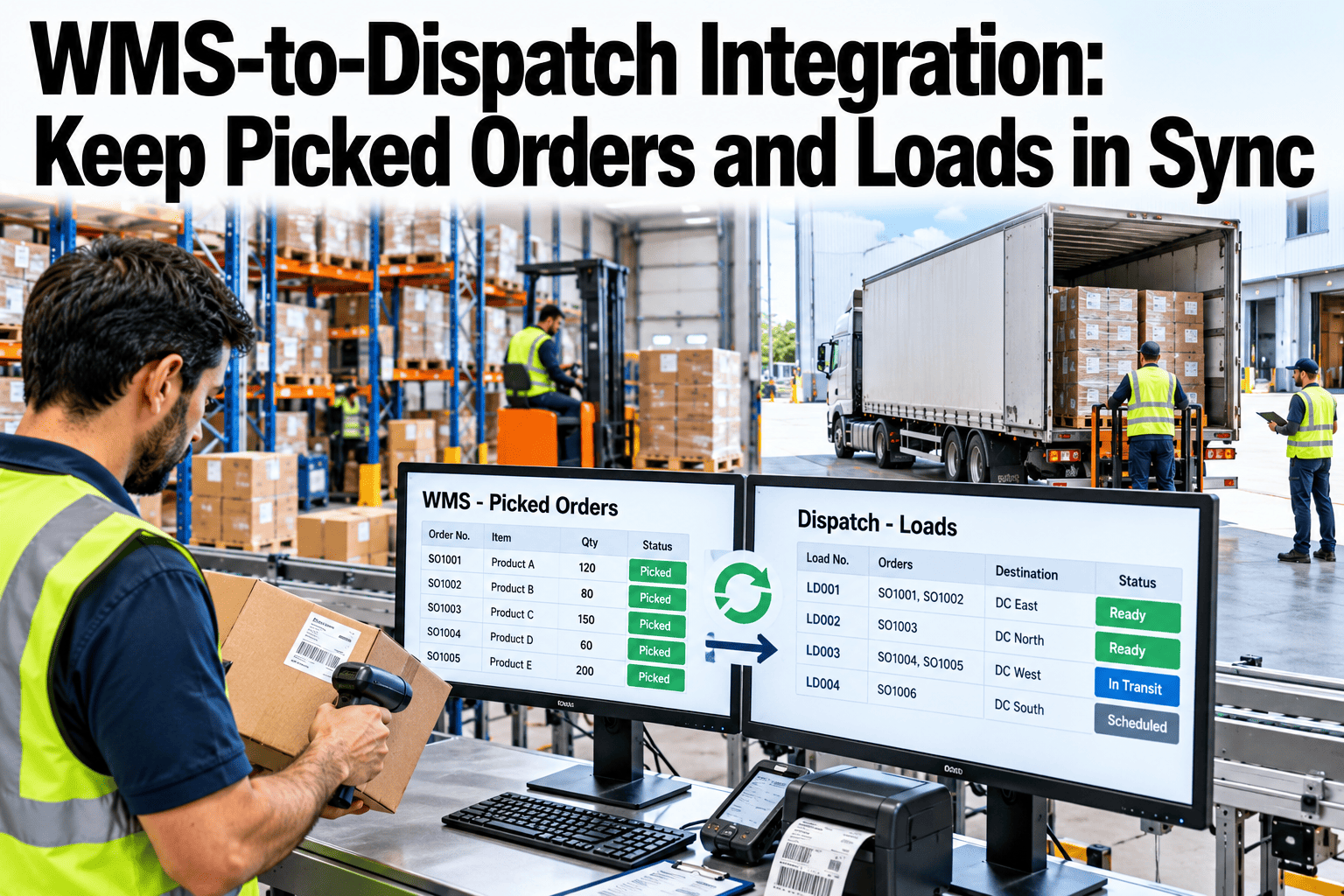
Yes. A WMS typically enforces scan-to-add and manifest reconciliation at the system level; iFactory AI adds the destination-rule enforcement, weight reconciliation and independent approval gate around that same build, and documents the result against the pallet record for later reference. Ask how this layers onto your current WMS rather than replacing it.
Verify the Build, Not Just the Manifest
iFactory AI checks order separation, destination grouping, scan-to-pallet matching and weight reconciliation while a mixed-order pallet is still being built, so dispatch is confirming a pallet that was already right. Book a walkthrough with your own order mix.