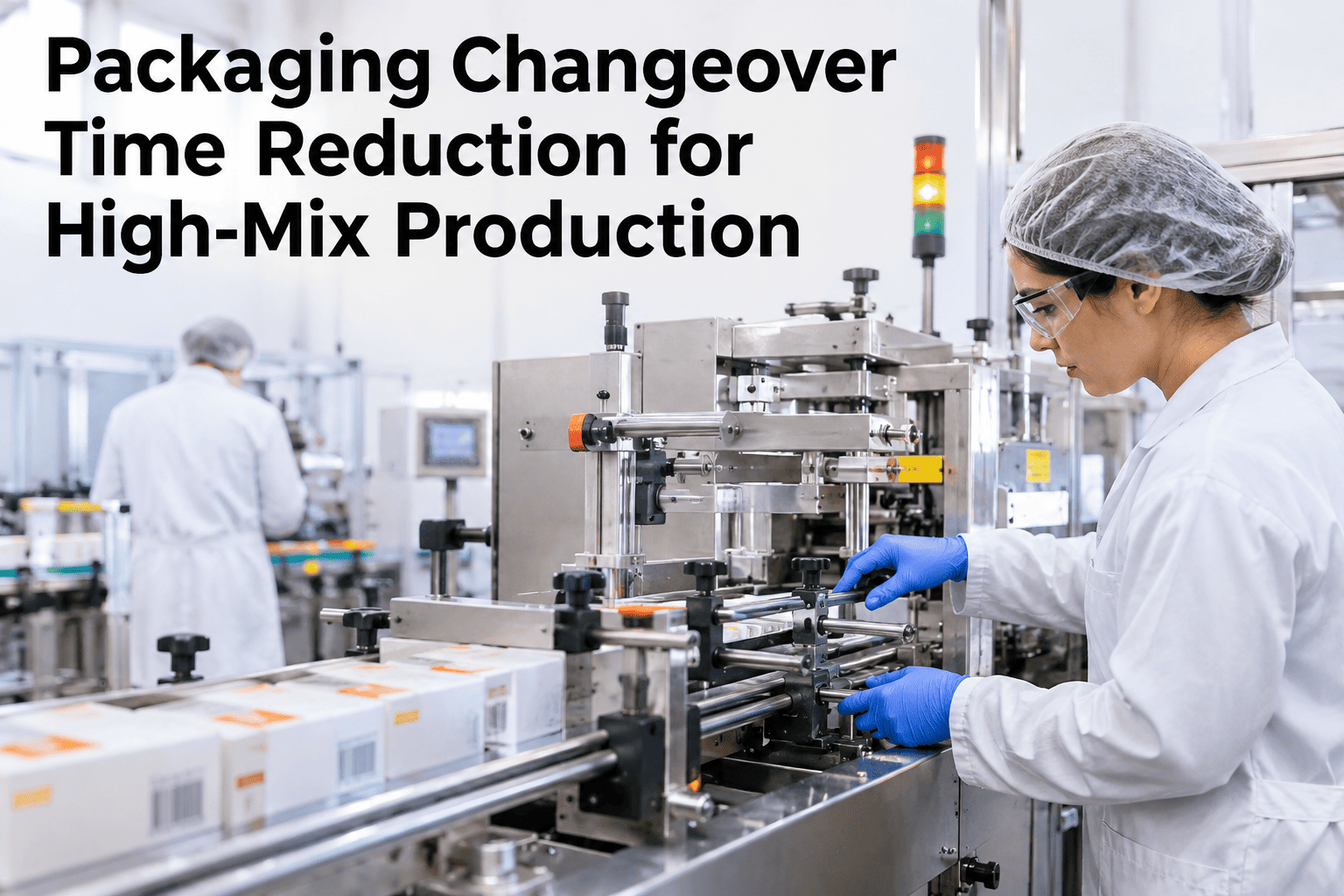
Plants running thirty or more SKUs through the same packaging line routinely spend fifteen to thirty percent of available time on changeovers, well above what comparable discrete manufacturing lines lose to setup. Most of that time is recoverable, and the recovery method isn't new — SMED, the changeover methodology developed decades ago, still works, but only once a plant actually knows which part of its changeover is internal work that stops the line and which part could happen while it's still running. iFactory AI's packaging operations team can map your own changeover steps into internal and external work before your next SMED push.
Most Changeover Time Is External Work Disguised as Internal
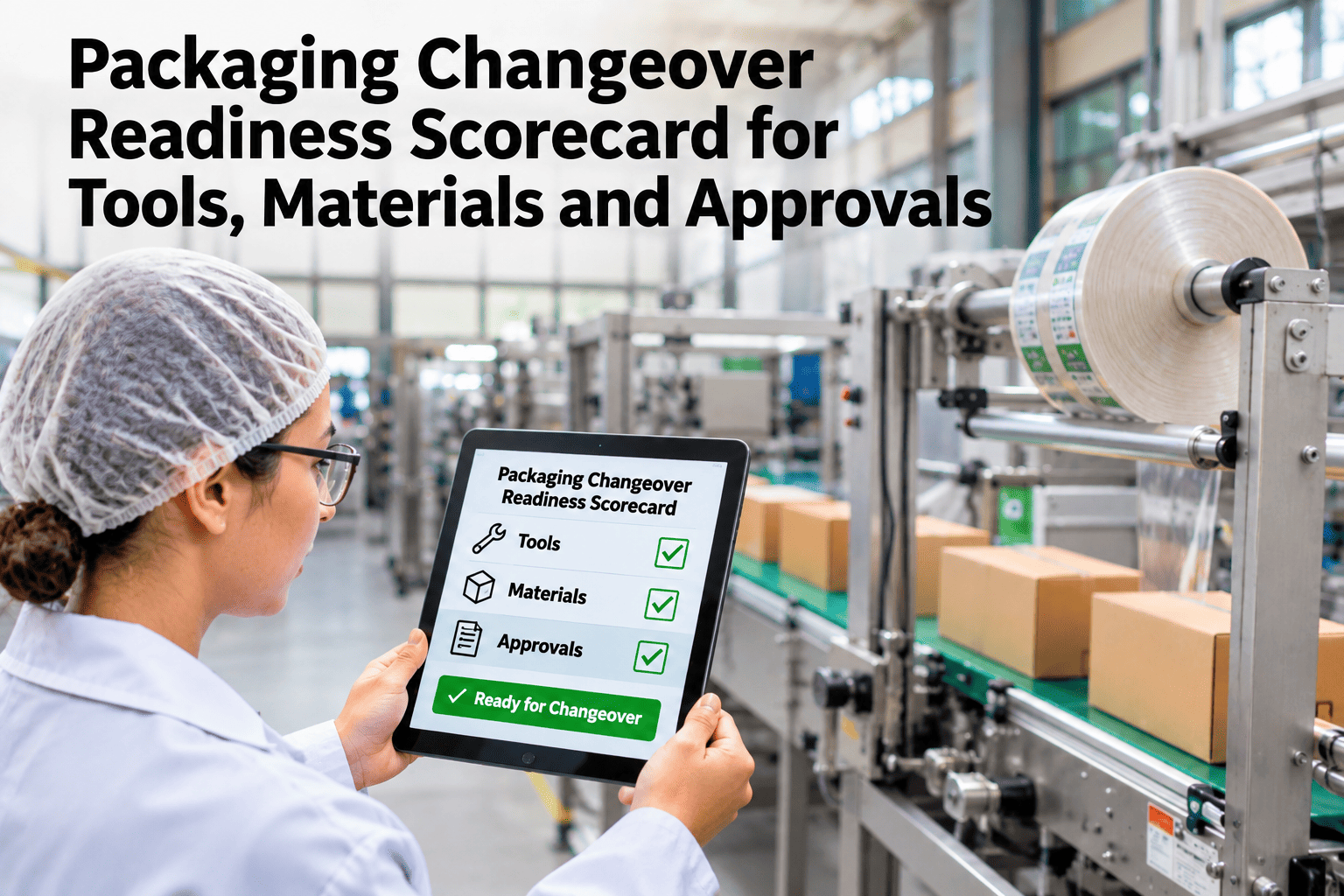
A changeover baseline, SKU sequencing, cleaning and tooling pre-staging, first-good-pack timing and standardized work together turn changeover from a fixed cost into recoverable capacity.
Why High-Mix Packaging Loses More Than Discrete Manufacturing
A line running thirty, fifty or over a hundred SKUs changes over far more often than a discrete manufacturing line producing long runs of one part, and every one of those changeovers is a window where the line produces nothing. Plants new to formal changeover analysis typically discover that thirty to forty-five percent of what they'd always treated as "internal" setup time — work that requires the line to be stopped — could actually be done as external work while the previous run was still finishing.
Tooling swaps, format changes — genuinely requires the line stopped.
Staging parts, pre-mixing cleaning chemicals — can happen while running.
The first minutes after a changeover often produce reject units nobody budgets for.
The order SKUs run in can shorten or lengthen the changeovers between them.
Building a Changeover Baseline Before Changing Anything
SMED starts with measuring, not guessing. Our team can help time and classify your current changeover steps before any process change is proposed.
From last good pack of the old SKU to first good pack of the new one.
Separate what genuinely needs the line stopped from what could be prepared ahead.
Pre-stage tooling, parts kits and cleaning chemicals before the line stops.
A documented sequence beats relying on whichever technician is on shift.
SKU Sequencing: The Free Lever Most Plants Skip
| Sequencing Approach | Changeover Impact | Cost to Implement |
|---|---|---|
| Random / order-driven sequence | Longest average changeover | None, but highest hidden cost |
| Group by format similarity | Shorter format-related changeovers | Low — scheduling discipline only |
| Group by allergen or formula | Fewer full cleaning cycles required | Low — scheduling discipline only |
| Fully optimized sequence | Shortest cumulative changeover time | Moderate — needs sequencing software |
Find the External Work Hiding Inside Your Internal Time
Bring a recorded changeover from your line and see which steps could move from internal to external work.
An Illustrative Changeover Reduction Curve
A Composite Scenario: The Changeover Nobody Had Actually Timed
Picture a plant where a forty-five-minute changeover had been treated as a fixed cost of running high-mix production for years, with no one having broken the time down into its individual steps.
Timing and classifying the steps revealed that cleaning chemical prep and parts staging — nearly half the total time — were being done with the line already stopped, purely out of habit. Moving that work earlier and standardizing the remaining internal steps brought changeover time down substantially within a single quarter. The scenario illustrates the method; actual gains depend on each line's starting point.
Where iFactory AI Fits
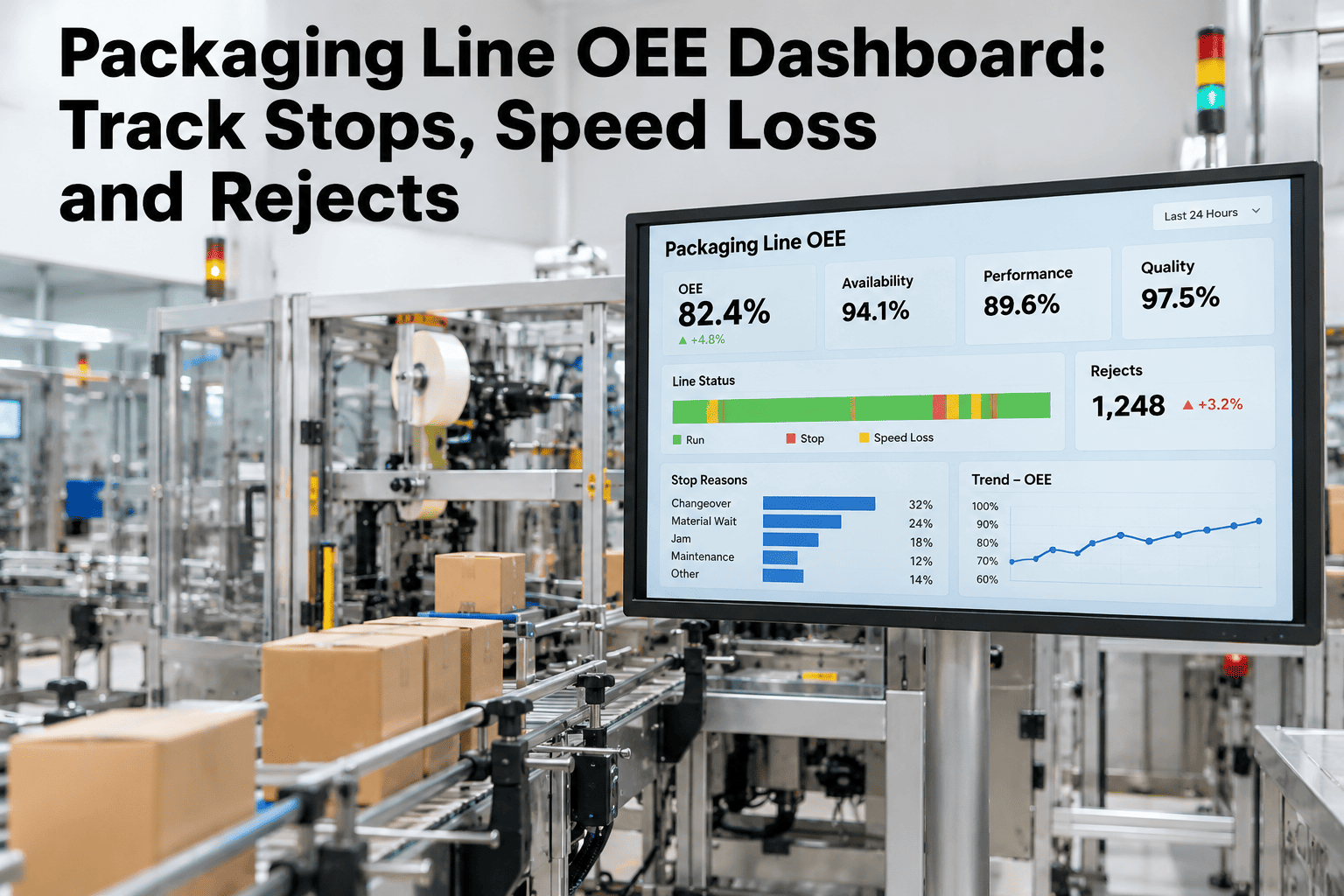
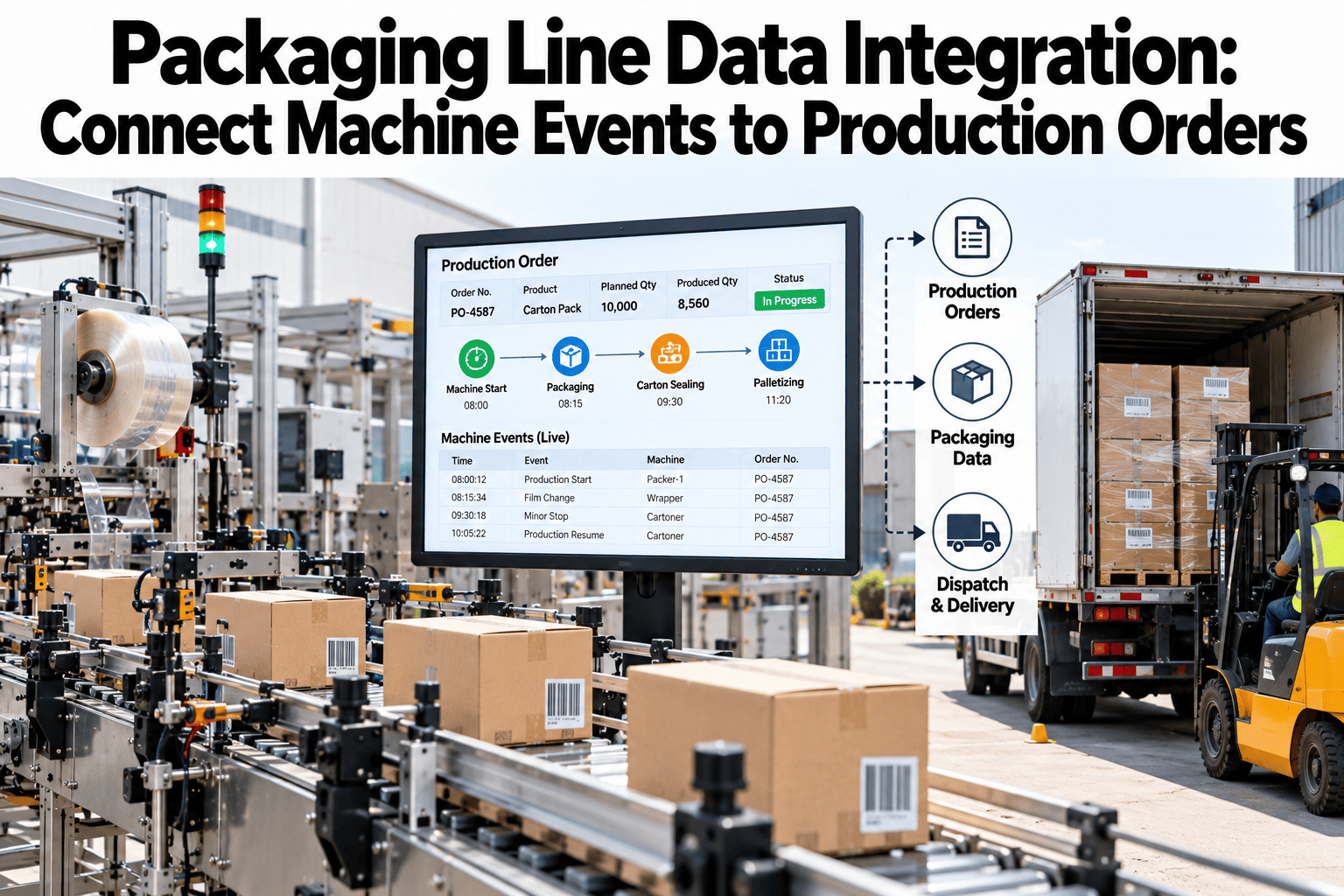
iFactory AI times and logs every changeover automatically, flags which steps are internal versus external, and tracks first-good-pack time after each changeover so startup scrap stays visible instead of absorbed into general quality loss.
Every changeover's step-by-step duration logged without a stopwatch.
Steps classified so pre-staging opportunities are visible, not guessed.
Startup scrap after each changeover tracked as its own measurable loss.
Frequently Asked Questions
Plants new to the methodology often find thirty to forty-five percent of what they classified as internal work can actually move to external work done while the line still runs, which is usually the single largest recovery opportunity. Get an estimate for your own line.
Internal work genuinely requires the line to be stopped, such as a tooling swap, while external work — staging parts, pre-mixing cleaning chemicals, retrieving procedures — can happen while the previous run is still finishing. Review a sample classification for a packaging changeover.
Grouping changeovers by format similarity or shared allergen profile can meaningfully shorten the cumulative changeover time across a shift or day, since fewer full cleaning cycles and tooling swaps are needed between adjacent runs. Discuss sequencing options for your SKU mix.
By tracking reject or giveaway units specifically in the window between first unit produced and the point the line reaches stable quality, rather than folding that period into the shift's general quality numbers where it disappears. Ask how startup scrap is isolated in your reporting.
Many plants see a meaningful changeover time reduction within six to nine months of focused SMED work on their most frequent changeover types, though the first few weeks of baseline measurement are what make the later gains possible. Scope a SMED program timeline for your line.
Turn Changeover From a Fixed Cost Into Recovered Capacity
iFactory AI times every changeover automatically, flags internal-to-external opportunities and tracks first-good-pack time, so SMED has real data behind it.