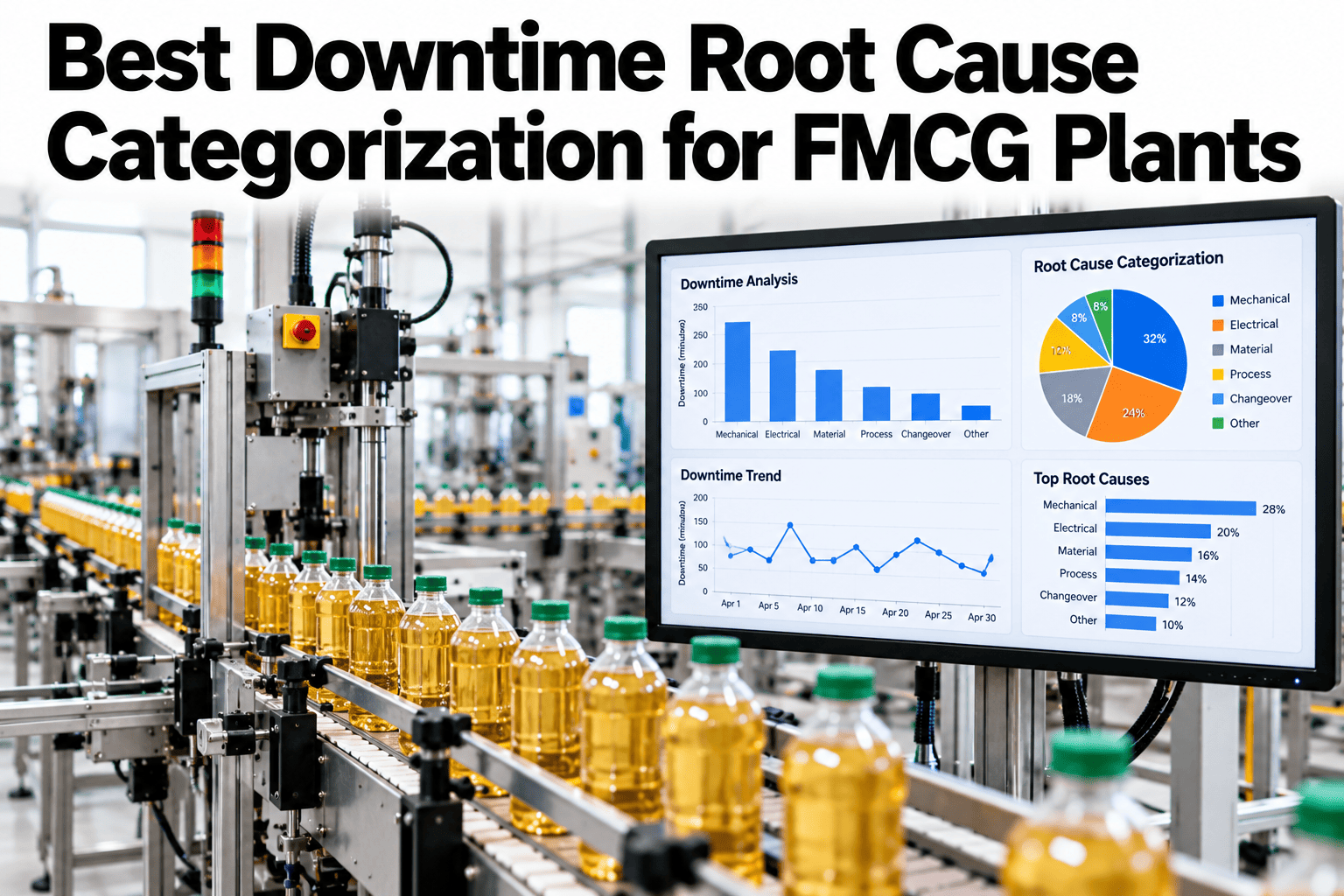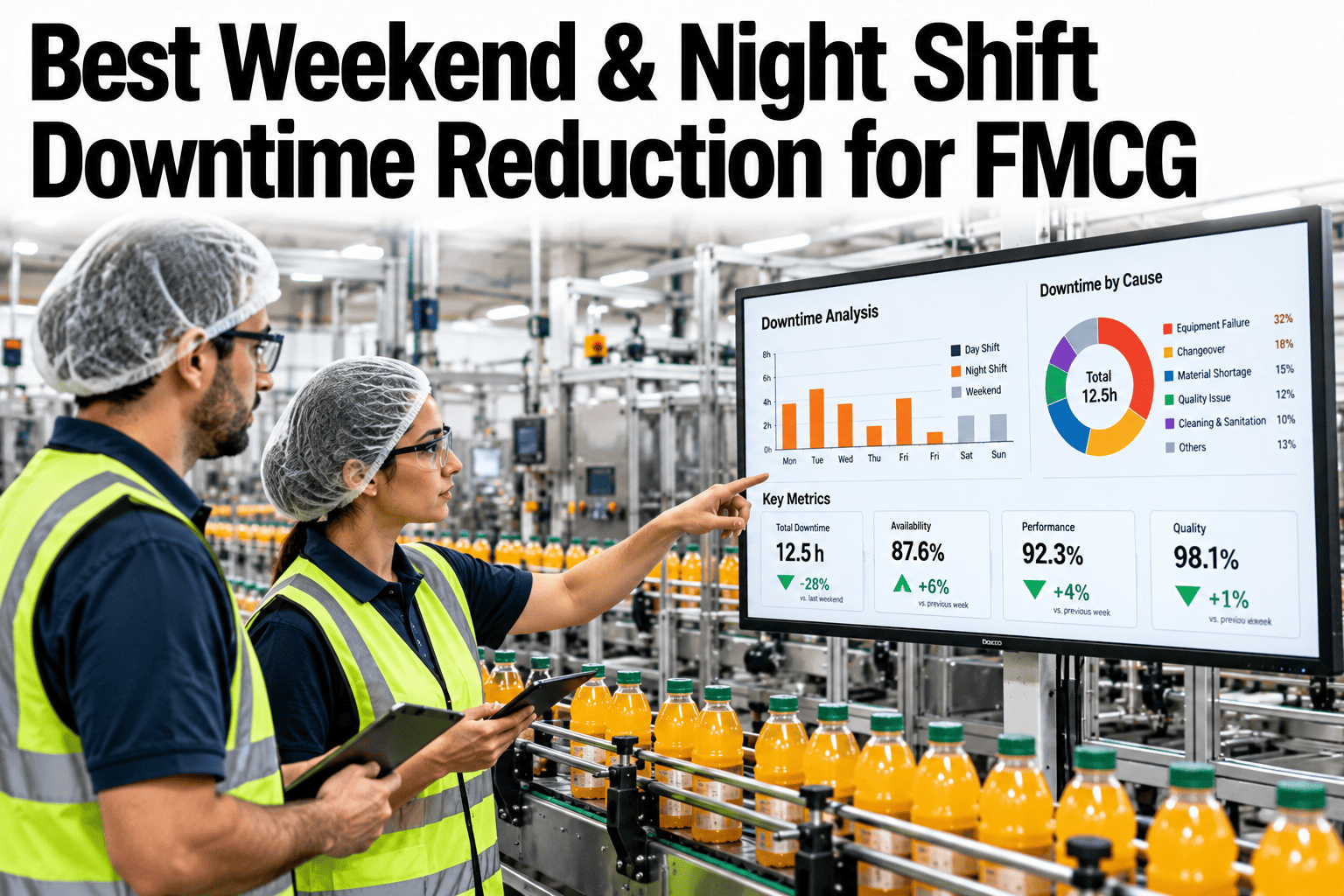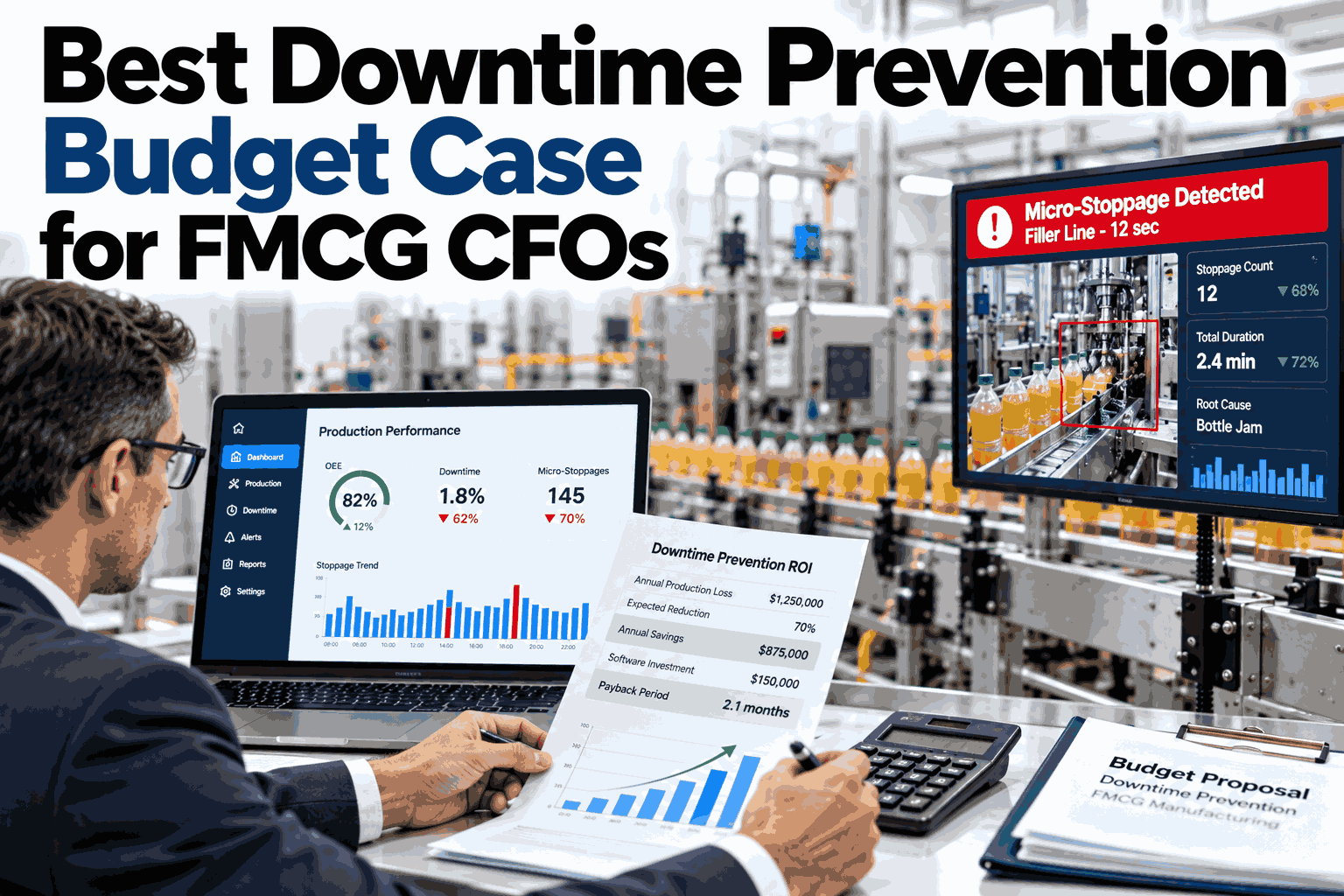
A line goes down for ninety minutes, gets fixed, and the shift moves on. Two months later the same fault returns, and nobody can say whether it is the same cause, because the first event was never written down in a way anyone could use again. A post-mortem is not paperwork for its own sake. It is the only mechanism that turns one bad shift into a lesson the next shift can use. Line leaders who want a template built around their own downtime categories can review a post-mortem template mapped to their own line and failure codes in a short session.
Turn One Bad Shift Into a Lesson the Next One Can Use
A practical template for timeline, contributing factors, decisions and preventive actions, so a downtime event closes with an owner and a due date, not just a restart.
Why Restarts Are Not Reviews
A line that is running again looks solved. It is not the same thing as understood. The gap between the two is where repeat failures live.
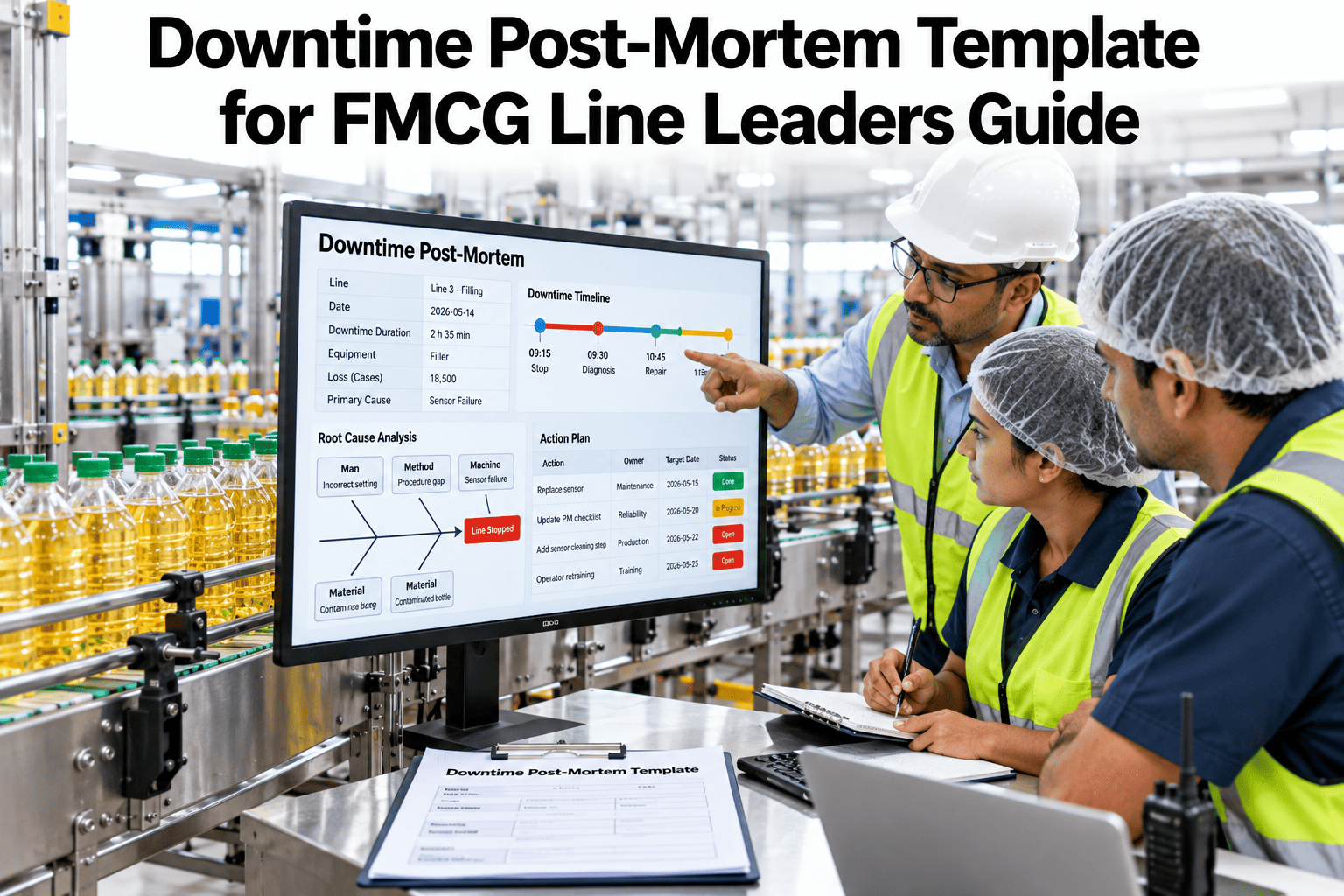
Five Fields Every Post-Mortem Needs
A template works when it is short enough to complete under pressure and complete enough to be useful later. Five fields cover both.
| Field | What It Captures | Common Mistake |
|---|---|---|
| Timeline | What happened, in order, with timestamps | Written from memory days later, times vague |
| Contributing factors | Everything that made the event worse or more likely | Stopping at the first visible cause |
| Decisions made | What was decided during the event, and why | Not recorded, so the reasoning is lost |
| Preventive actions | What will change so this does not repeat | Vague actions with no owner or date |
| Verification | How the action's effect will be checked | Closed without ever checking it worked |
See a Template Built Around Your Own Downtime Codes
Share your current downtime codes and one recent event. We will map a post-mortem template that fits your line and your shift pattern.
Building the Timeline First
Everything else in the review depends on getting the sequence right. A timeline is built from multiple sources, not from one person's memory.
Contributing Factors Are Not the Same as the Root Cause
Most downtime events have more than one thing behind them. A review that stops at the first answer misses the conditions that let it happen.
Recording Decisions While They Are Fresh
During an event, people make calls under pressure, such as whether to call a specialist or try a workaround. Those decisions and their reasoning disappear fast once the line is running.
Preventive Actions Need an Owner and a Date
An action without an owner is a wish. The table shows the difference between a vague action and one that will actually get done.
| Vague Action | Workable Action |
|---|---|
| Improve sensor maintenance | Add the product sensor to the weekly PM list, owner: shift mechanic, due Friday |
| Review changeover procedure | Update the changeover checklist for format B, owner: line supervisor, due next changeover |
| Talk to the vendor | Request the vendor's recommended service interval, owner: maintenance planner, due two weeks |
How Many Post-Mortems Actually Close
A post-mortem process is only as good as its follow-through. The bars show an illustrative six months of events, split by whether actions were closed, open or never followed up.
Who Should Be in the Room
A post-mortem written by one person misses half the story. A short, mixed group produces a better one without turning it into a long meeting.
Saw It Happen
Knows the sequence and what the line looked like before the stop.
Fixed It
Knows what was found, repaired and whether it was a repeat fault.
Owns the Follow-Up
Assigns actions, sets dates and checks they were verified.
Keeping It Blameless Without Keeping It Vague
A review that hunts for someone to blame makes people hide information next time. A review with no accountability produces actions nobody owns. Both failure modes are avoidable.
A Composite Scenario: The Same Fault, Twice, Three Months Apart
A line experienced a long stop from a drive fault. The first event had no formal post-mortem. The second did, and the figures below are illustrative.
Where iFactory AI Fits
Machine logs, maintenance records and shift notes sit in separate systems. iFactory AI pulls them into one timeline and tracks the actions that follow.
Merged Timelines
Machine, operator and maintenance records are combined into one event sequence.
Structured Template
Factors, decisions and actions are captured in a short form, not free text alone.
Action Tracking
Every action carries an owner and a due date, and open items are surfaced.
Repeat Detection
New events are checked against past post-mortems for the same signature.
Expert Review: Making Post-Mortems Stick
A good template on paper does not guarantee a good review in practice. This review sets out how experienced line leaders judge whether the habit is real.
Frequently Asked Questions
Which downtime events need a full post-mortem?
Not every short stop needs the full template. Most plants set a threshold, such as events over a set duration, repeat faults or anything that affected a shipment, and apply the full process to those. Shorter stops still get coded, so patterns across many small events remain visible. Our team can help set a sensible threshold for your lines.
How soon after the event should it be written?
As close to the end of the shift as possible, while the timeline is still fresh in people's minds. A short draft at handover, completed fully within a day or two, works better than a complete form written a week later from memory. Delays are where detail and honesty both fade fastest.
How do we stop the same question being asked every time?
Check new events against the record of past post-mortems for a similar signature, such as the same machine, fault code or symptom. If a close match exists, the review can confirm whether the earlier action actually held, rather than starting from nothing. See a repeat-fault match worked through in a short walkthrough on your own history.
What if the cause is genuinely unclear?
Record what is known and what is not, rather than forcing a guess into the cause field. An honest unresolved finding, with a plan to gather more evidence next time it happens, is more useful than a confident wrong answer. Some faults only reveal their pattern after several occurrences are compared side by side.
How do we measure whether the process is working?
Track the share of qualifying events with a completed post-mortem, the share of actions closed and verified, and the repeat rate for the same fault signature. Ask for a sample post-mortem scorecard to use in your reliability reviews.
Make Every Downtime Event Pay for Itself in Learning
Talk through your downtime events, codes and review habits with a reliability specialist, and see what a workable post-mortem template looks like for your lines.