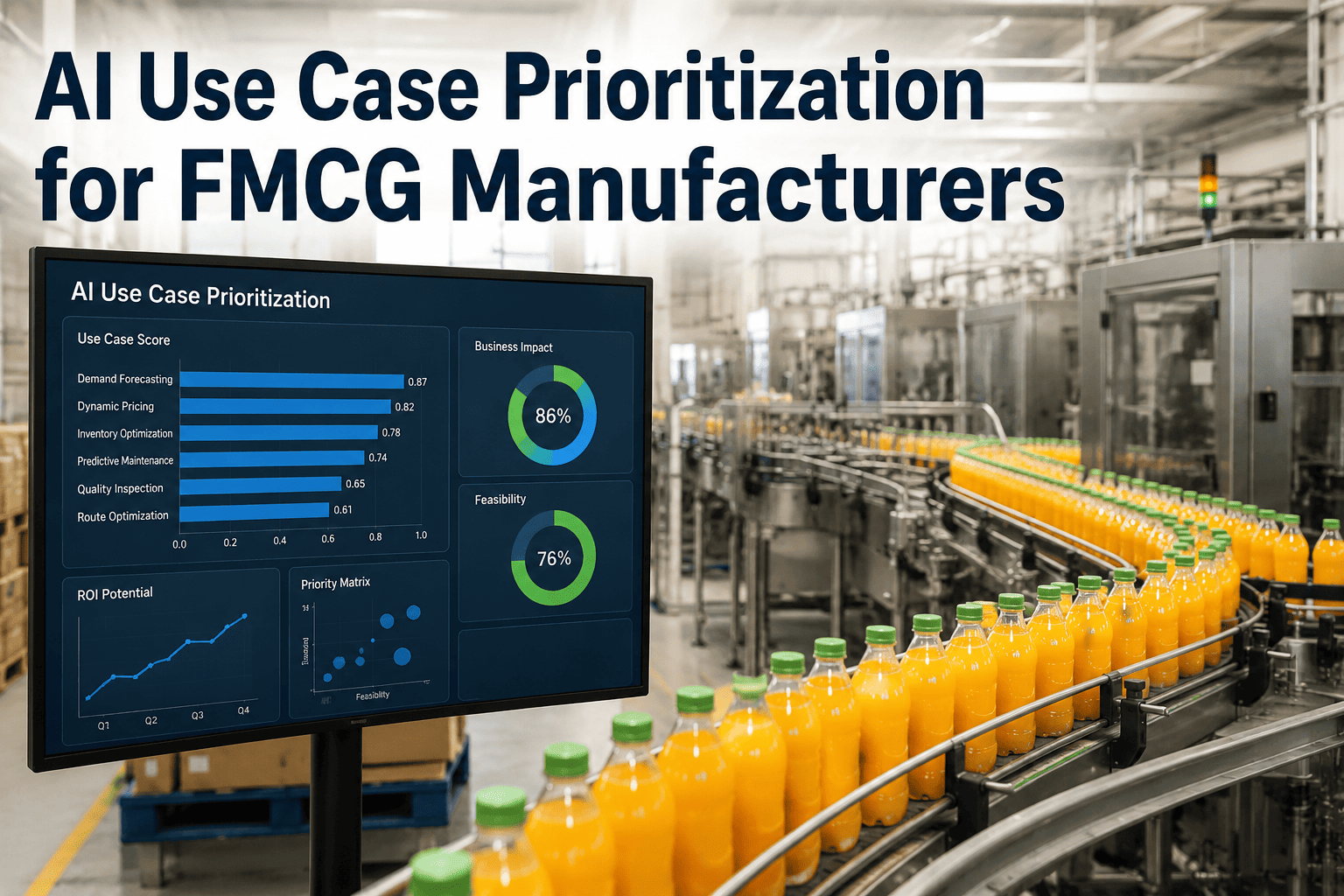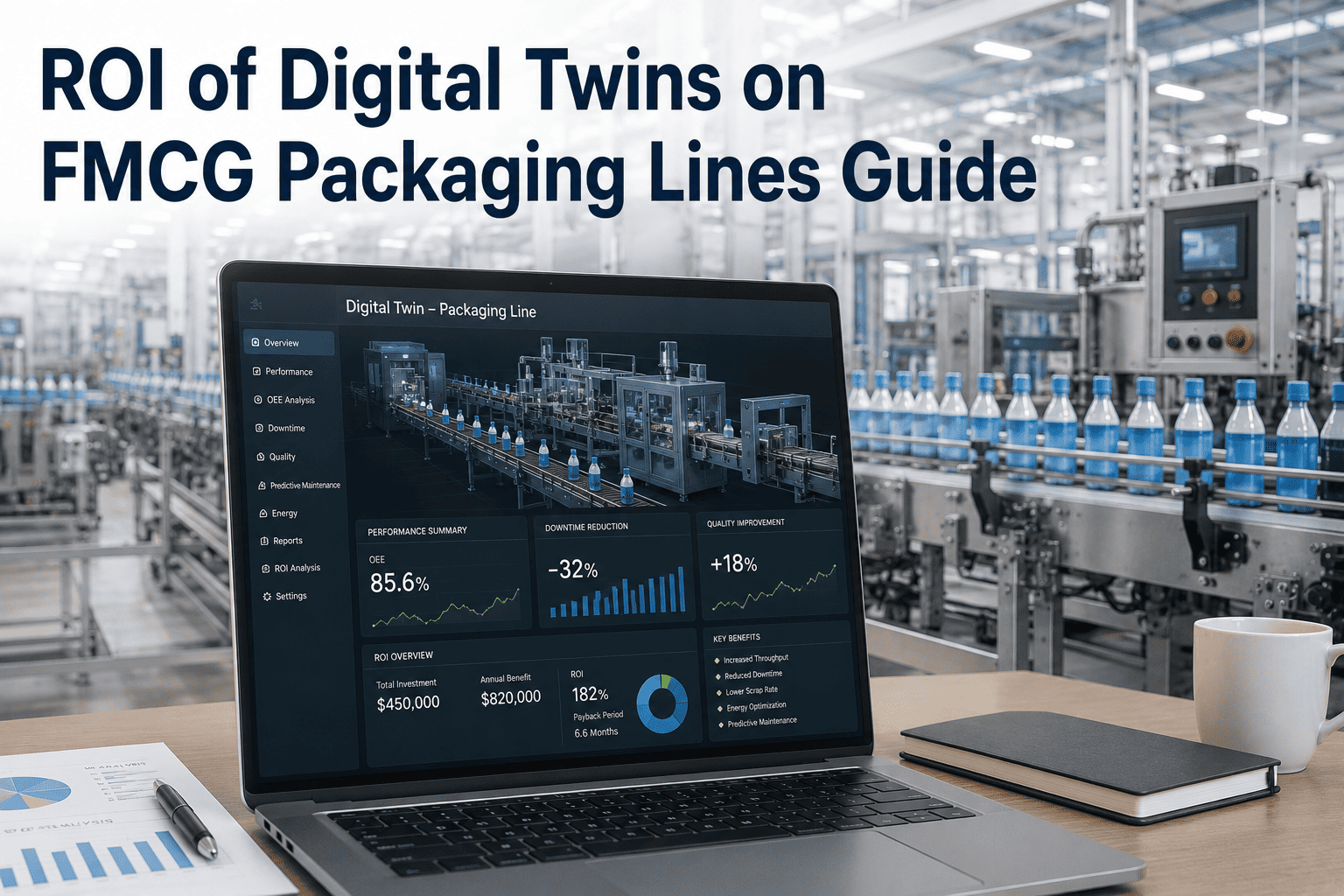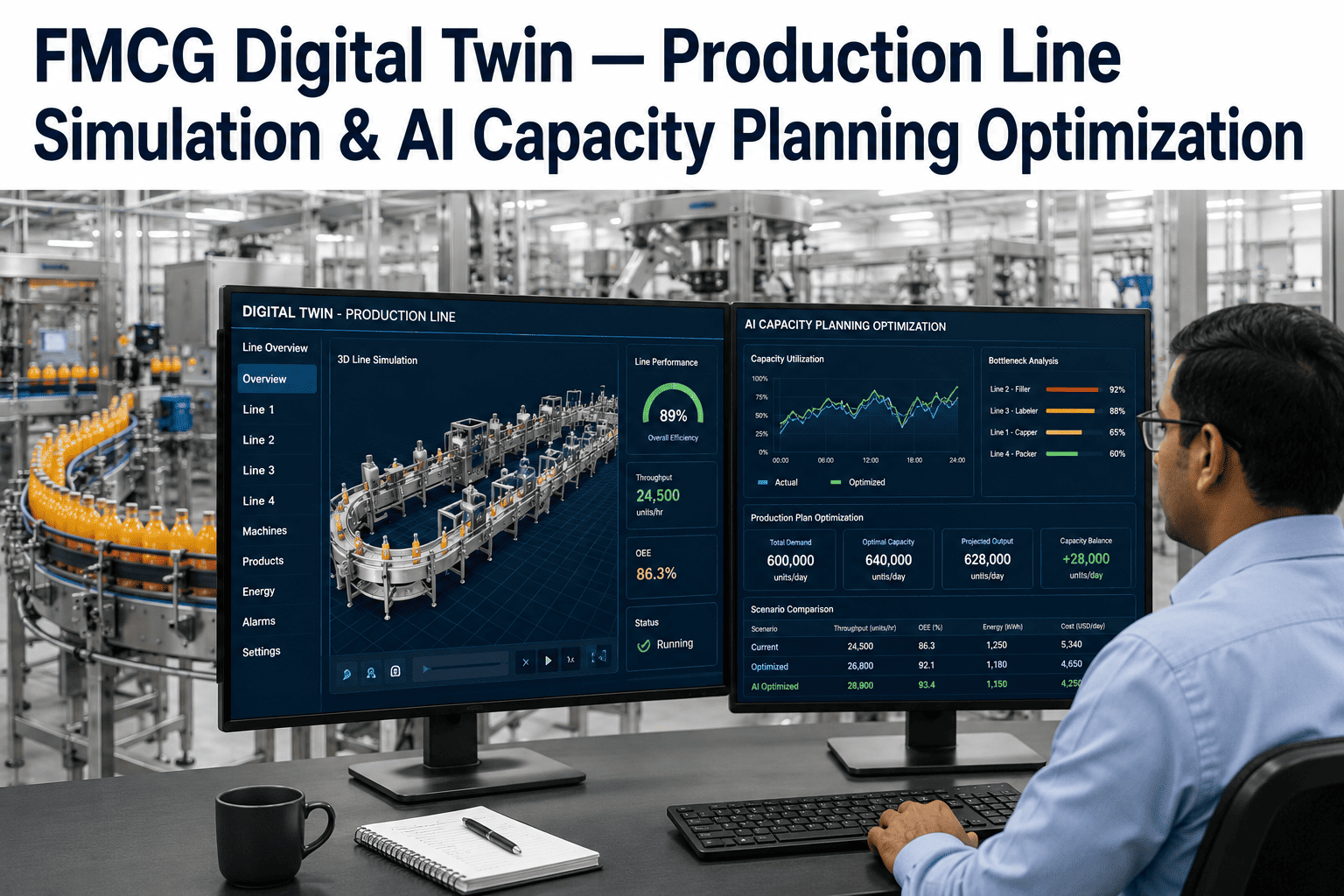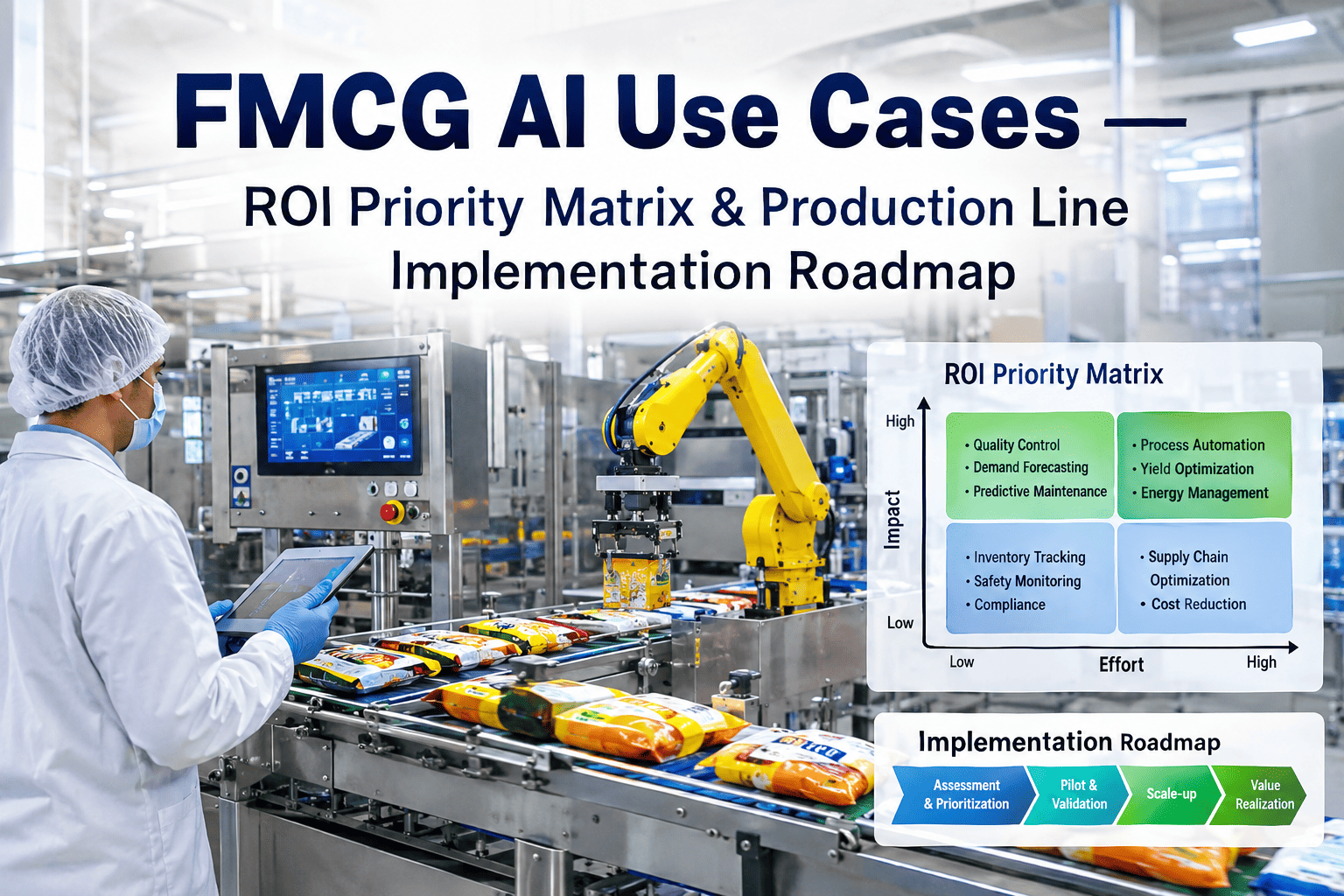
Thirty-five plausible AI use cases is not a roadmap, it's a list, and the gap between the two is exactly where most FMCG AI initiatives lose momentum. An Operations Director handed a vendor's full catalog of possible applications — everything from packaging line predictive maintenance to fully autonomous quality management — needs a way to sequence that list into something a plant can actually execute against, starting with the use cases that deliver real value fastest and building credibility for the harder, longer-payback initiatives that come later. iFactoryapp.com structures this exact problem around a ROI priority matrix that scores use cases on both return and implementation complexity, and what follows explains how that matrix works and how to build your own sequenced roadmap rather than a wish list, with Support available if you want help applying it to your specific plant.
Why a Feature List Isn't a Roadmap
Vendor presentations tend to showcase the full breadth of what's technically possible — predictive maintenance, vision inspection, demand forecasting, autonomous quality management, energy optimization, and dozens of other applications, all presented with similar enthusiasm regardless of how ready your plant actually is for each one. Without a structured way to compare these options against both potential return and realistic implementation difficulty, the natural tendency is to either try to do everything at once, which overwhelms plant teams and dilutes results, or to freeze entirely because the full list feels too large to act on. A priority matrix solves this by forcing an explicit, comparative ranking rather than treating every use case as equally urgent.
Start here — predictive maintenance on known problem assets, AI vision inspection on existing camera-equipped lines, and other use cases with clear data availability and proven implementation patterns.
Fleet-wide optimization, integrated demand-to-production planning, and other high-value initiatives that require broader data integration and organizational change to execute well.
Useful but lower-impact applications worth pursuing once quick wins are delivered and the team has bandwidth, but not worth prioritizing ahead of higher-value work.
Use cases that sound impressive but don't justify the implementation effort relative to their actual return — generally postponed indefinitely or reconsidered only if underlying conditions change.
Example Use Cases Scored Across the Matrix
The table below illustrates how a representative sample of common FMCG AI use cases typically scores when evaluated for both return potential and implementation complexity, though the actual scoring for your plant depends on your specific equipment, data maturity, and operational priorities.
| Use Case | Typical ROI | Implementation Complexity | Matrix Quadrant |
|---|---|---|---|
| Predictive maintenance, high-downtime asset | High | Low-Moderate | Quick Win |
| AI vision inspection, existing camera lines | High | Low-Moderate | Quick Win |
| Fleet-wide multi-plant optimization | High | High | Strategic Investment |
| Autonomous quality management | High | High | Strategic Investment |
| Single-asset anomaly alerting, low-priority equipment | Low-Moderate | Low | Fill-In Project |
Building a Sequenced Roadmap From the Matrix
Once use cases are scored, the roadmap sequence itself generally follows a logical pattern: start with quick wins to build organizational confidence and generate early, visible results that justify further investment, use the credibility and data infrastructure built during those quick wins to tackle strategic investments with stronger internal support, and treat fill-in projects as opportunistic additions rather than dedicated initiatives. This sequencing also has a practical data advantage — many strategic investments depend on data infrastructure and organizational familiarity with AI-driven decision-making that quick win projects naturally build along the way.
An Operations Director's Take on Prioritization
We had a list of over thirty potential AI use cases from an initial assessment, and honestly it was paralyzing rather than helpful until we forced ourselves to score each one against actual return and actual implementation difficulty for our specific plants. Once we did that, four use cases immediately separated themselves as obvious quick wins, and we've been executing against that shortlist ever since instead of trying to boil the ocean. The strategic investments are still on our roadmap, but now they're sequenced two years out with a clear reason why, not just sitting on a list next to everything else.