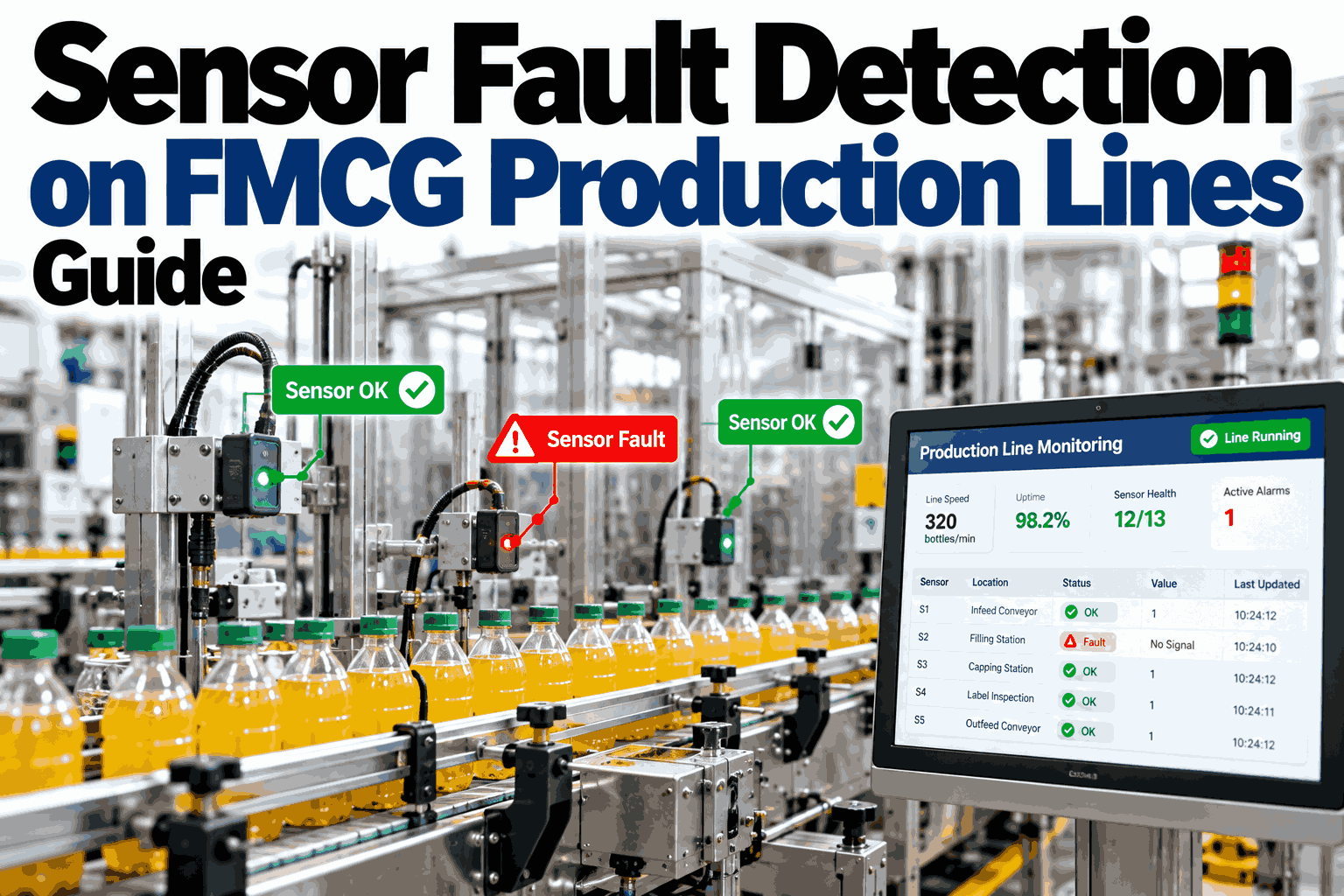
A beverage bottling plant's ammonia refrigeration system developed a slow leak in a compressor seal that went undetected for six weeks, showing up only as a gradual, unexplained rise in suction pressure that operators attributed to seasonal ambient temperature swings. By the time a technician traced the actual cause, the system had lost enough refrigerant charge to trigger an emergency shutdown mid-shift, and the plant spent three days on emergency EPA reporting, contractor callouts, and a full cold room evacuation. A refrigerant sensor tuned to that exact leak signature would have flagged it in the first week, and how plants are closing that detection gap is covered at ifactoryapp.com/support.
A refrigerant leak is a safety incident and a compliance incident before it's ever a cooling problem
Ammonia, CO2, and synthetic refrigerant leaks in FMCG cold rooms carry both worker safety risk and strict EPA reporting obligations — catching them early changes the entire response from emergency to routine maintenance.
Ammonia, CO2, and synthetic refrigerants each need different detection
Cold room refrigerant leak detection isn't one-size-fits-all. The sensor technology, placement height, and alarm threshold all depend on which refrigerant your system uses and how it behaves in the air once it leaks.
| Refrigerant type | Behavior when leaked | Sensor placement | Primary risk |
|---|---|---|---|
| Ammonia (R-717) | Lighter than air, rises and disperses | Upper wall, near ceiling | Toxic exposure at low concentration |
| CO2 (R-744) | Heavier than air, pools at floor level | Lower wall, near floor and pits | Asphyxiation risk in confined spaces |
| Synthetic (R-404A, R-507) | Heavier than air, settles low | Lower wall, near compressor and piping | Displaces oxygen, high GWP emissions |
The four most common refrigerant leak points in FMCG cold rooms
Compressor shaft seals
The single most common leak source in industrial refrigeration systems. Seal wear develops gradually, producing a slow leak that's easy to mistake for normal charge variance until it compounds.
Pipe joints and fittings
Vibration from compressor cycling loosens fittings over months of continuous operation, especially at joints that weren't torqued to specification during the last service visit.
Valve packing
Isolation and expansion valves develop leaks at the packing gland as the packing material degrades from repeated thermal cycling, particularly in systems running frequent defrost cycles.
Evaporator coil corrosion
In high-humidity cold rooms, coil corrosion can develop pinhole leaks that release refrigerant slowly enough to evade a single point-in-time inspection but show up clearly in continuous monitoring.
A leak found during a scheduled inspection is a maintenance ticket. The same leak found by a worker's nose is an emergency evacuation. Book a Demo to see how continuous sensing catches it in between.
Why standalone leak sensors aren't enough on their own
A refrigerant sensor that only sounds a local alarm when concentration crosses a fixed threshold still depends on someone being close enough to hear it, at the exact moment it fires. Integrating leak detection with your building management system and maintenance workflow changes the response from "hope someone notices" to a documented, automatic escalation.
BMS-linked ventilation response
A confirmed leak should automatically trigger emergency ventilation and shut down non-essential equipment in the affected zone, without waiting for a human to manually activate the response sequence.
Automatic work order generation
Once a leak is confirmed, a maintenance work order with the sensor location, concentration reading, and likely source area should be generated immediately, cutting the diagnostic time technicians spend locating the leak.
Trend-based early warning
Continuous low-level readings that gradually rise over weeks — well below the emergency alarm threshold — are exactly the pattern that predicts a compressor seal or valve packing leak before it becomes a reportable event.
What early refrigerant leak detection is worth to an FMCG plant
"Every serious ammonia incident I've investigated had a slow leak building for weeks before the emergency event. The sensors were often technically working — they just weren't tuned to catch a gradual rise below the emergency alarm threshold, so nobody was looking at the trend until it crossed the line. The plants that avoid these incidents entirely are the ones treating a slowly climbing baseline reading as seriously as a full alarm, because by the time you hit the alarm threshold, you've usually already lost the option of a quiet, scheduled repair."
What a rapid-response refrigerant leak workflow looks like
Detection is only half the system. The other half is a pre-built response plan that activates automatically once a leak is confirmed, rather than requiring someone to look up the emergency procedure while gas concentration is actively rising. That plan should specify exactly which zones evacuate, which ventilation systems activate, who receives the first notification, and what threshold triggers a call to emergency services versus an internal maintenance response. Plants that document and rehearse this workflow consistently resolve leak events faster and with fewer compliance complications than those improvising a response in the moment.
If your cold room refrigerant sensors only alert at the emergency threshold, you're missing the weeks of early warning that a trend-based system would give you. Book a Demo to see how iFactory AI layers trend detection on top of your existing sensors.
FAQ: Refrigerant leak detection for FMCG cold rooms
Catch the leak while it's still a maintenance ticket, not an evacuation
See how iFactory AI layers trend-based leak detection on your existing cold room sensors and refrigeration equipment data.