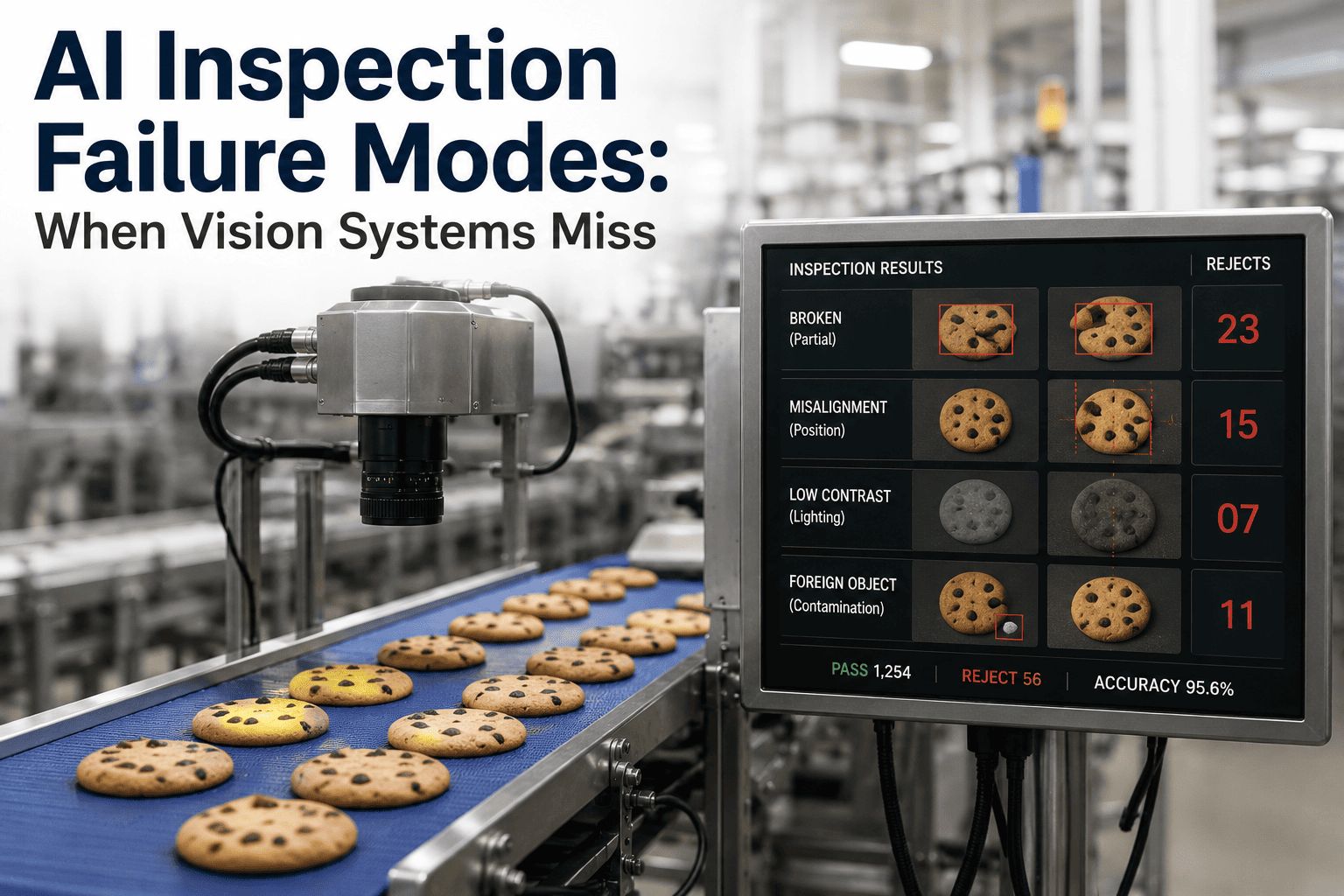
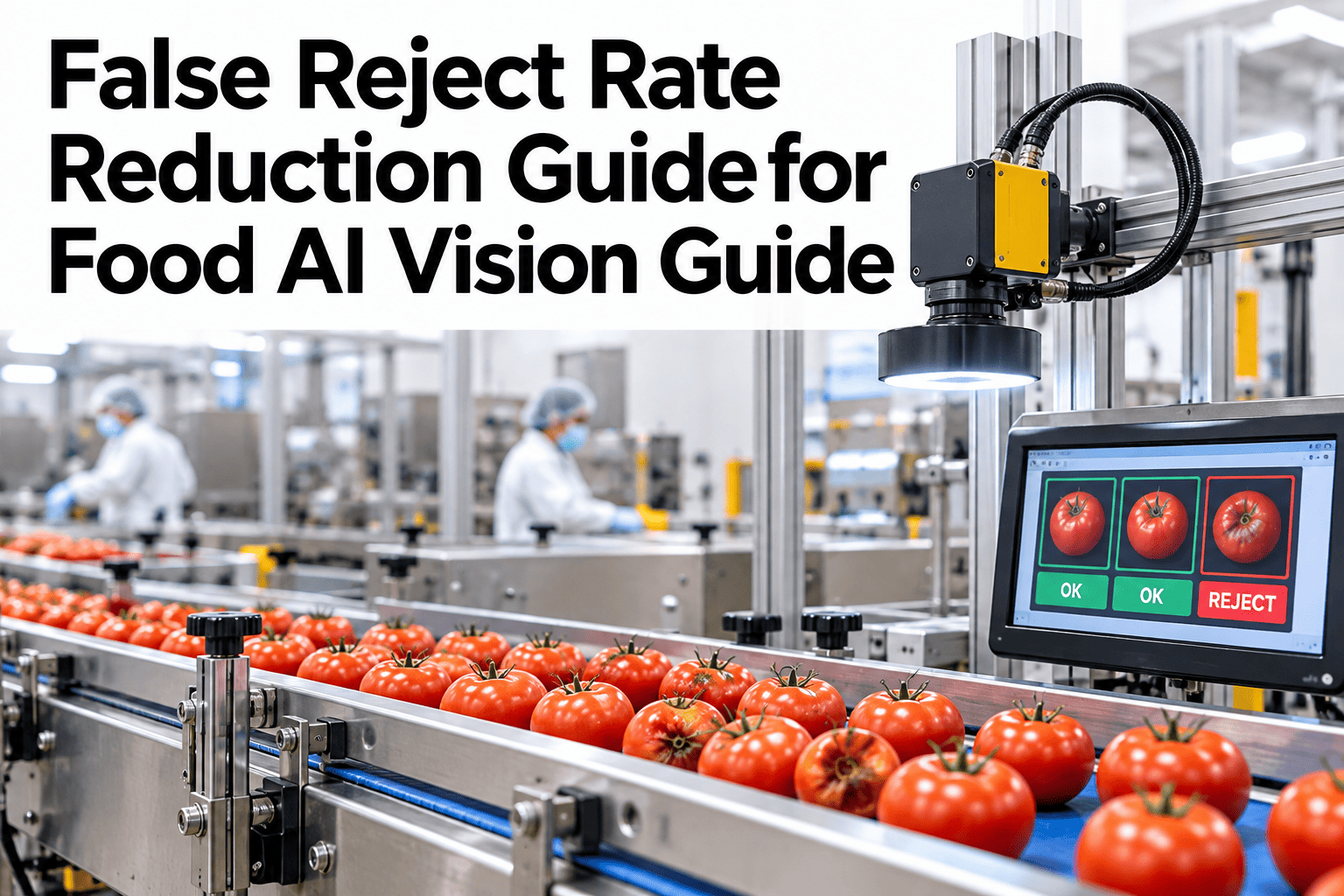
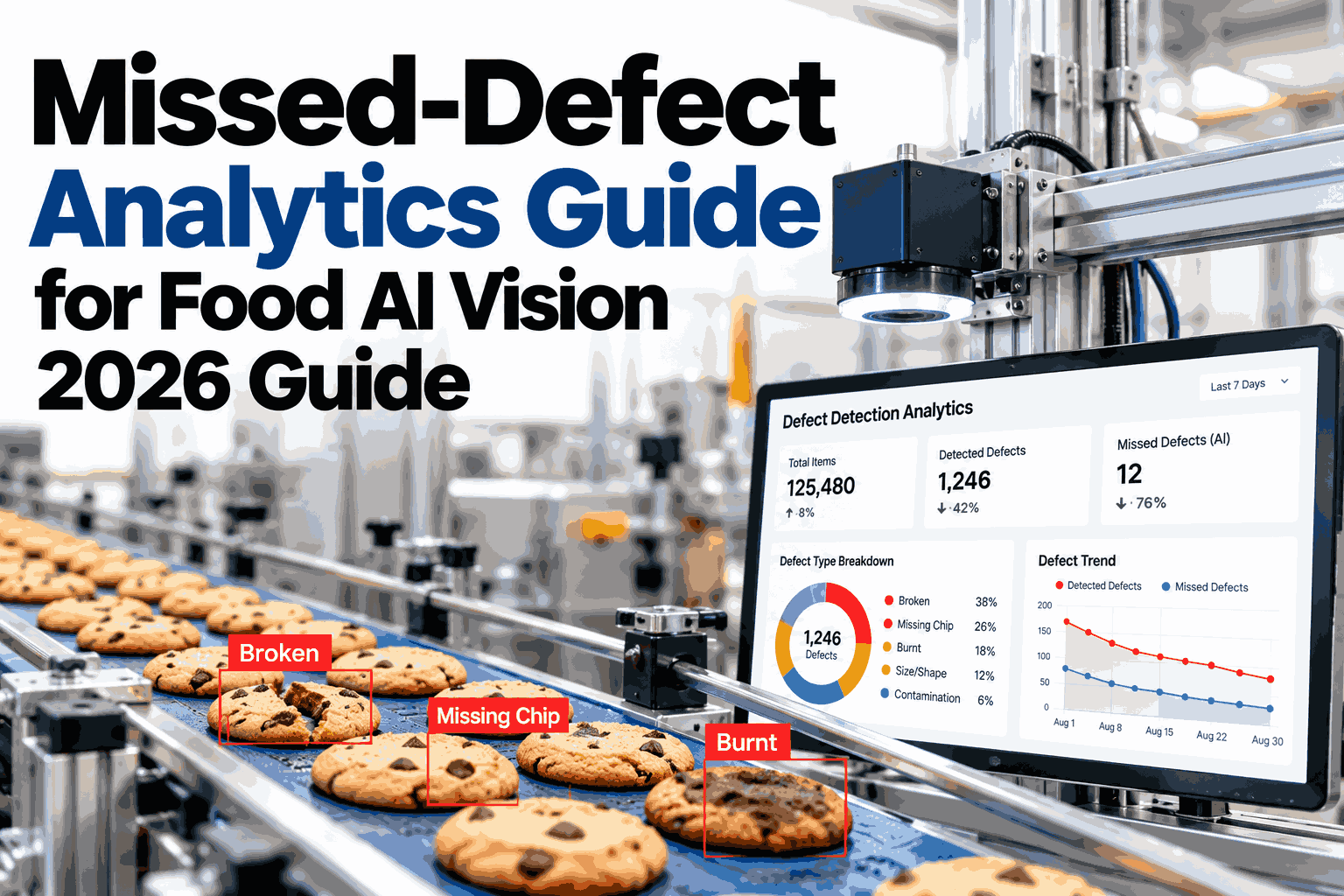
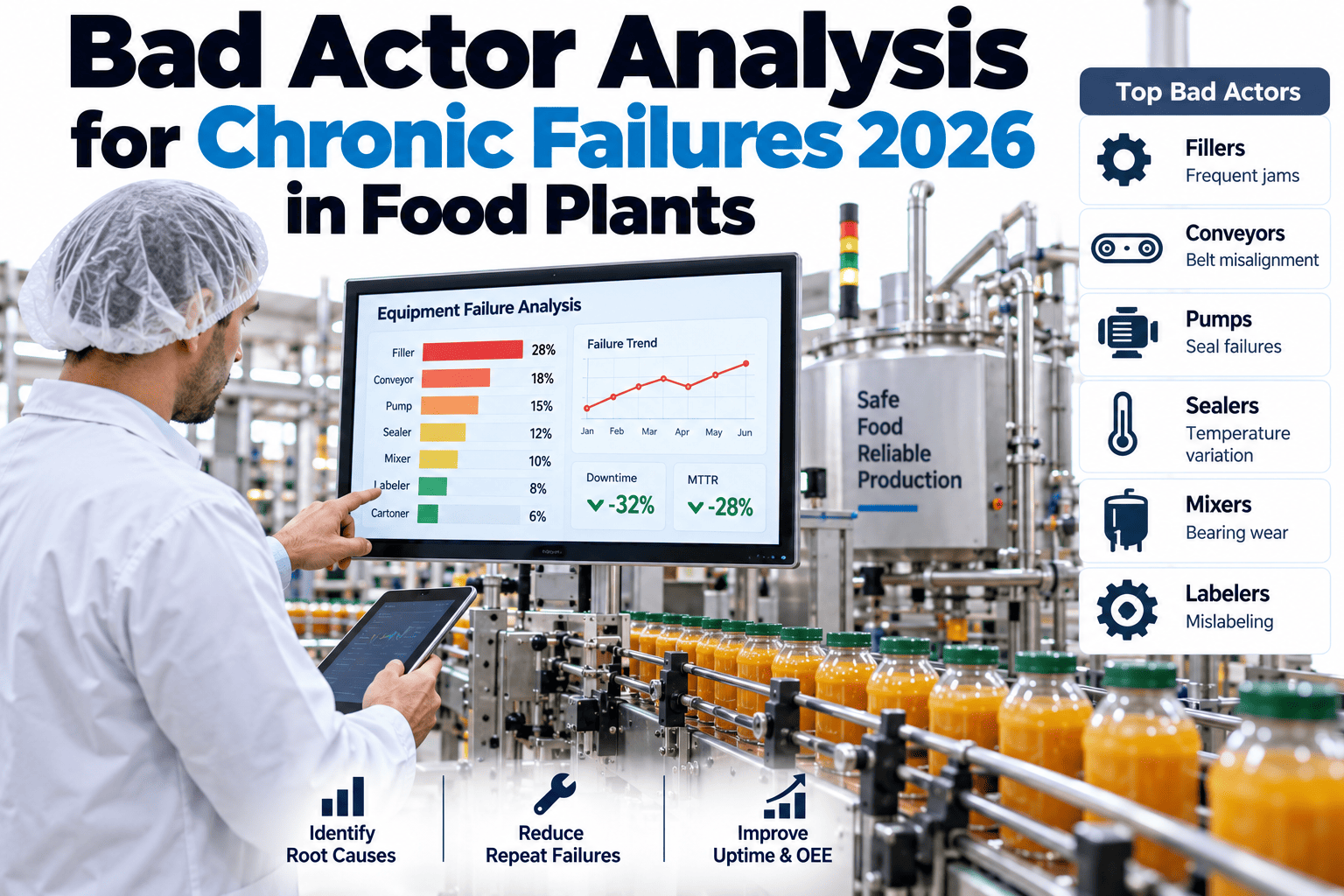
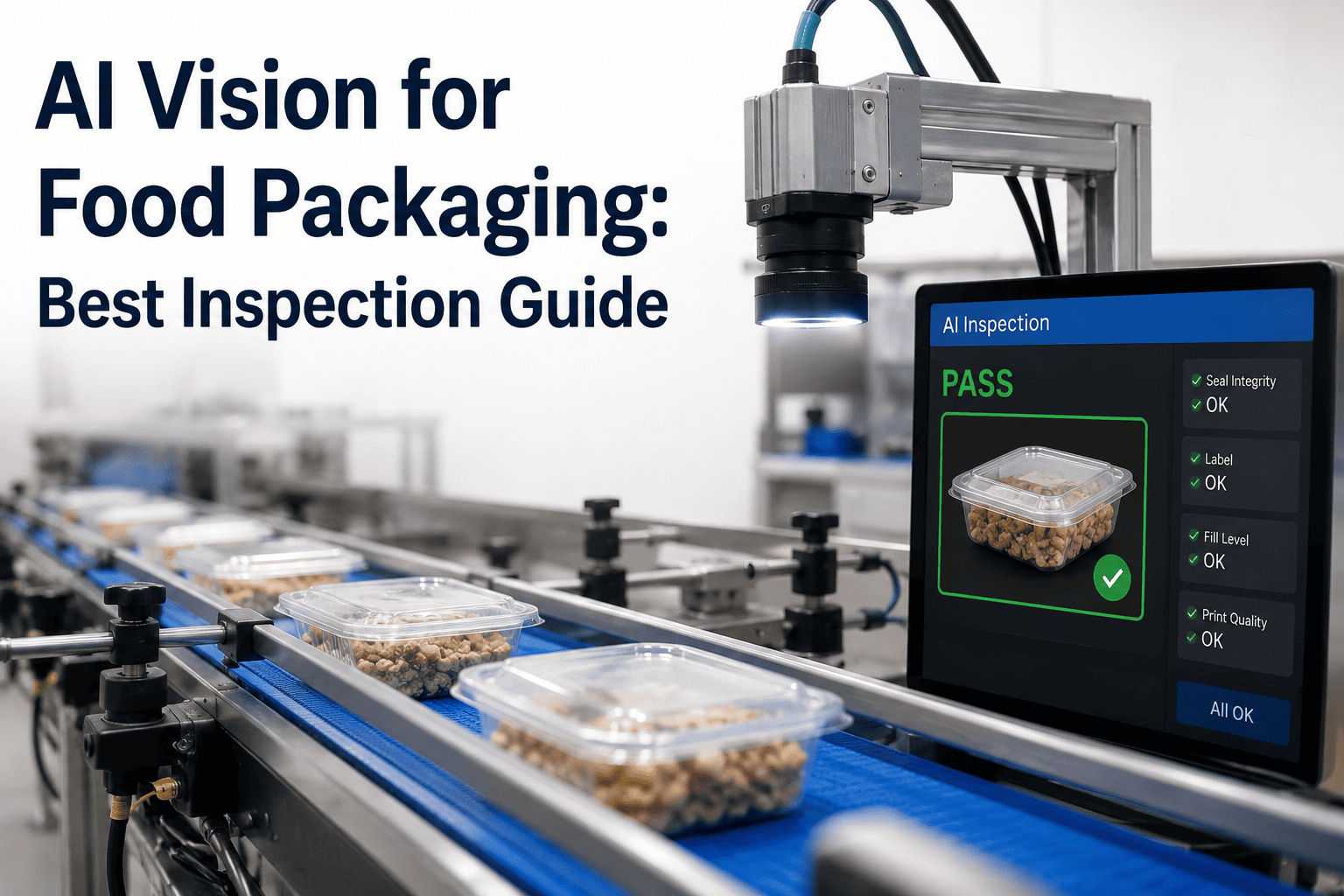
A vision system almost never fails with a warning light. It fails quietly, the dashboard still shows green, the pass rate still looks normal, and a plant manager only finds out something changed weeks later when a customer complaint or a retailer chargeback lands with a defect that should have been caught. The gap between "the system is running" and "the system is actually catching what it was trained to catch" is where most of the real cost of a vision deployment hides, and almost nobody budgets time to watch for it because the assumption, once a camera is installed, is that the hard part is done. It isn't. If your inspection accuracy has ever quietly slipped without an obvious cause, book a demo to see how iFactory tracks that drift before it becomes a recall.
FOOD & BEVERAGE · AI VISION RELIABILITY
Your Vision System Is Passing Product It Should Be Rejecting
Most vision inspection failures aren't dramatic outages, they're a slow, invisible drift in accuracy that no dashboard flags on its own. Here's exactly where that drift comes from and how iFactory catches it before it reaches your customer.
THE FOUR FAILURE MODES
Where Vision Systems Actually Break Down
Ask most plants why their vision system missed a defect and the answer is usually a shrug, "it just happened." It didn't just happen. Every silent failure traces back to one of four causes, and each one develops on a different timeline, which is exactly why a single quarterly checkup catches almost none of them.
01
Lighting Degradation
LED illumination loses intensity gradually over thousands of hours of operation, and the aging isn't even across the array, which means shadow zones appear that the model was never trained to see. The system doesn't stop working, it just starts seeing a slightly darker, slightly uneven version of the product it was calibrated against.
02
Model Drift
A model trained on one batch of production data slowly loses accuracy as your actual product, packaging, or raw material shifts underneath it, a new label stock, a supplier change, a seasonal recipe. The model's confidence scores decline over weeks, not days, which is exactly slow enough to go unnoticed without structured tracking.
03
Lens & Sensor Contamination
Dust, oil mist, and micro-particles common to almost every production floor coat the lens surface over time, softening image sharpness and occasionally creating artifacts the model misreads as an actual defect. This is the failure mode most often mistaken for a model problem when it's really a cleaning schedule problem.
04
The Changeover Blind Spot
A genuinely new SKU, a new packaging format, or a new ambient light source that wasn't represented in the original training data produces unpredictable results the moment it hits the line, and if the retraining pipeline behind the system is slow, the line runs without real coverage until the model catches up.
READING THE WARNING SIGNS
Symptom, Root Cause, and What To Do About It
Most teams respond to a false reading by tweaking the inspection tolerance, which feels like a fix but usually just masks the real problem until it resurfaces somewhere else. Matching the actual symptom to its actual cause is what breaks that cycle.
| Symptom You Notice |
Likely Root Cause |
Correct Response |
| Rising false rejects on good product |
Lighting glare or shift-to-shift intensity variation |
Audit and stabilize lighting geometry, don't loosen tolerance |
| Confidence scores trending down over weeks |
Model drift from a real product or process change |
Schedule retraining against current production frames |
| Sudden increase in blurred or noisy frames |
Lens contamination or condensation buildup |
Clean lens and housing per a fixed maintenance schedule |
| Erratic results right after a SKU changeover |
New product not represented in the training set |
Fast-track a training update before running at full volume |
| A known-bad reference part passes inspection |
Critical calibration failure or corrupted model state |
Take the station offline immediately for full diagnostics |
Find out if your system is already drifting
iFactory can run a reliability audit against your current vision deployment and show you exactly where accuracy has moved since commissioning.
HOW THE DRIFT ACTUALLY LOOKS
Accuracy Doesn't Fall Off a Cliff, It Slides
The reason silent failure is so costly is that it never presents as an obvious break. It presents as a slow, almost imperceptible decline that only becomes visible in hindsight, once someone plots the accuracy number against the calendar.
None of the individual monthly drops in that curve would trigger an alarm on their own. It's only the accumulated slide, tracked deliberately over time against a fixed baseline, that reveals a system quietly sliding below the accuracy your quality program actually depends on.
WHAT ACTUALLY PREVENTS THIS
The Habits That Keep Accuracy Where It Started
None of the four failure modes above are exotic. They're all well understood and all preventable with a maintenance discipline built around the vision system rather than around the assumption that a camera, once installed, just keeps working.
Baseline Every Camera at Commissioning
Record image brightness, contrast, and model confidence at day one so any future drift has something concrete to be measured against.
Track Confidence Trends, Not Just Pass/Fail
A declining confidence trend over two or more consecutive weeks is the earliest reliable signal of model drift, well before reject rates visibly change.
Put Lens Cleaning on a Fixed Schedule
Contamination is cumulative and gradual, which means it needs a calendar-driven task, not a reactive one triggered only after image quality visibly degrades.
Fast-Track Retraining at Every Changeover
A new SKU, label stock, or packaging format should trigger a retraining review before it runs at full volume, not after the first batch of escapes is discovered.
WHAT SILENT FAILURE ACTUALLY COSTS
The Bill Arrives Long After the Drift Started
The cost of undetected vision system drift almost never shows up as a line item labeled "inspection failure." It shows up as customer complaints, trade returns, and retailer chargebacks weeks or months after the underlying cause first appeared, by which point tracing it back to a specific camera or a specific week of drift is far harder than catching it would have been.
WEEK ONE
Drift Begins, Unnoticed
Lighting or model confidence starts to slide. Dashboards still show a passing system because no baseline comparison is running.
WEEK SIX
Escapes Begin Accumulating
Defective units start passing inspection in small numbers, too few to trigger a visible spike in the daily reject rate.
WEEK TWELVE+
The Complaint Arrives
A customer or retailer flags the defect, and the investigation has to work backward through weeks of production with no clear starting point.
Structured monitoring compresses that timeline dramatically, catching the drift within days of it starting rather than after it has already traveled all the way to a customer's hands.
FREQUENTLY ASKED QUESTIONS
What Plants Ask About Vision System Reliability
How do we know if our vision system is already drifting right now?
The most reliable early signal is a declining trend in the model's confidence scores over two or more consecutive weeks, which shows up well before the actual reject rate changes enough to draw attention on its own. Most plants don't track this because their dashboard shows only a pass or fail count, not the confidence level behind each decision, which is exactly the blind spot that lets drift run for months before anyone notices. Comparing current image brightness and contrast against the baseline recorded at commissioning is the second fastest way to spot a problem before it becomes a customer complaint.
Book a demo to see what a drift audit looks like against your own system.
Is loosening the inspection tolerance ever the right fix for false rejects?
Almost never, and it's one of the most common mistakes teams make when a vision system starts rejecting good product. Loosening the tolerance treats the symptom instead of the cause, and it typically just trades a false-reject problem for a missed-defect problem down the line, since the same threshold change that lets good product through also lets marginal defects through. The better path is diagnosing whether the false rejects are coming from lighting glare, lens contamination, or a genuine product change, and fixing that root cause directly rather than adjusting the model's decision boundary around it.
Contact our support team to walk through your specific false-reject pattern.
How often should lighting and lenses actually be checked?
LED illumination degrades gradually over thousands of hours of continuous use, and the aging is rarely even across a full array, so a fixed calendar-based check catches problems that a purely reactive approach misses until the degradation is already severe enough to affect accuracy. High-humidity, spray-wash, or dusty environments generally need lens cleaning on a weekly cadence, while lighting intensity and uniformity checks are typically reviewed on a monthly basis alongside the model's confidence trend data. The right frequency ultimately depends on your specific environment, which is why a structured PM schedule tuned to your plant matters more than a generic industry rule of thumb.
Book a demo to build a maintenance schedule matched to your floor conditions.
What happens to inspection coverage during a SKU changeover?
A genuinely new SKU, packaging format, or ambient lighting change that wasn't represented in the original training data will produce unpredictable results the moment it hits the line, and if the retraining pipeline behind the system takes weeks rather than days, the line effectively runs without meaningful coverage during that gap. The fix isn't avoiding changeovers, it's making sure the retraining workflow is fast enough that a new SKU can be added to the model within a single shift rather than becoming a multi-week blind spot in your quality program.
Contact our support team to review how changeovers are handled on your current line.
Can this kind of drift happen even if nothing on the line physically changed?
Yes, and this is the failure mode that catches the most plants off guard, because it doesn't require any obvious change to the product or the line. Lighting intensity fades on its own over time simply from normal operating hours, dust and oil mist accumulate on lens surfaces regardless of whether anything else changed, and these are physical degradation processes that happen on a schedule of their own rather than in response to a visible event. That's exactly why structured, calendar-driven monitoring matters even during periods when everything on the floor looks the same as it did last quarter.
Book a demo to see how continuous monitoring catches this kind of drift.
CATCH THE DRIFT BEFORE THE COMPLAINT DOES
Make Sure Your Vision System Still Sees What It Was Trained To See
iFactory tracks camera health, lighting performance, and model confidence continuously, so drift gets caught within days instead of surfacing months later as a customer complaint.