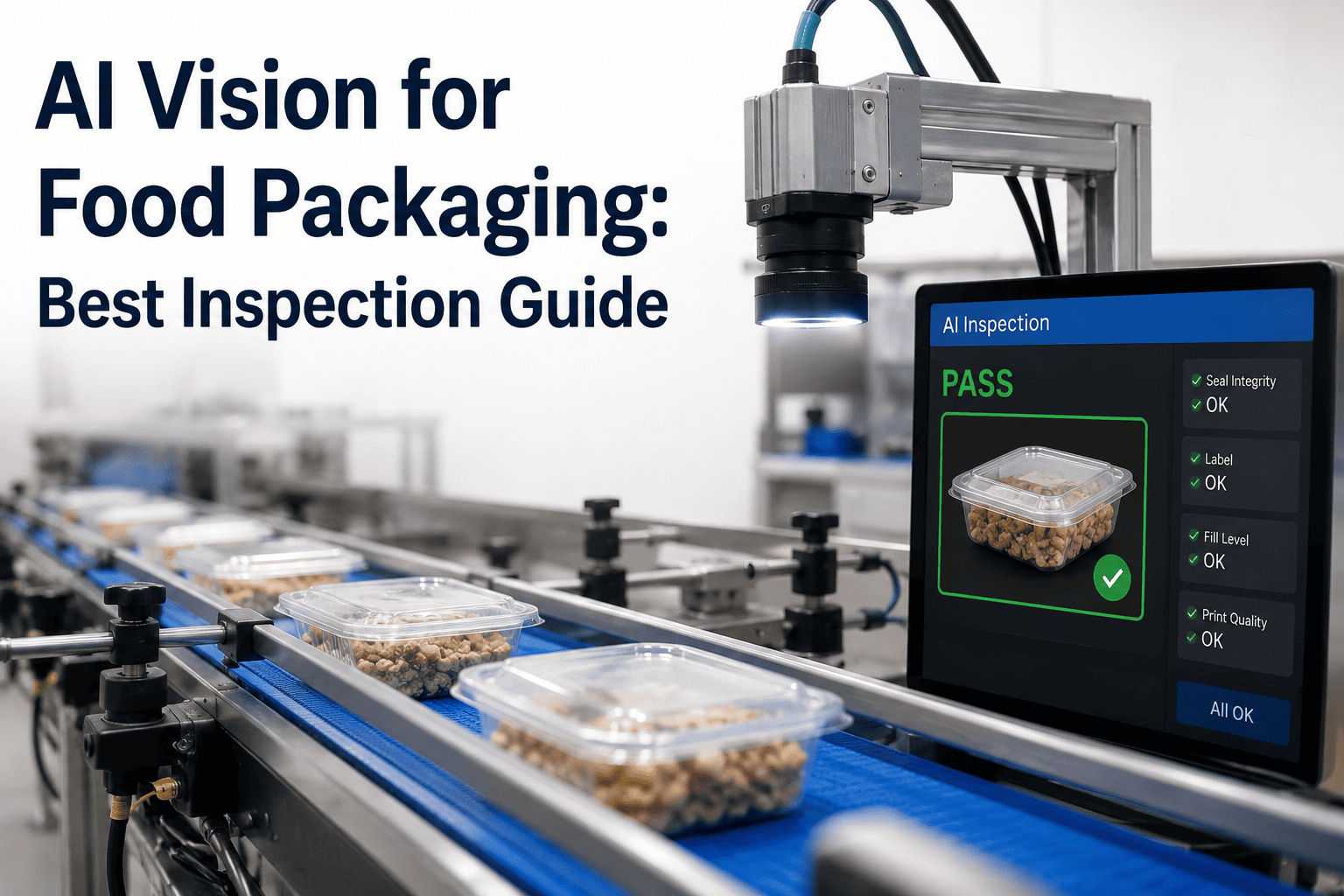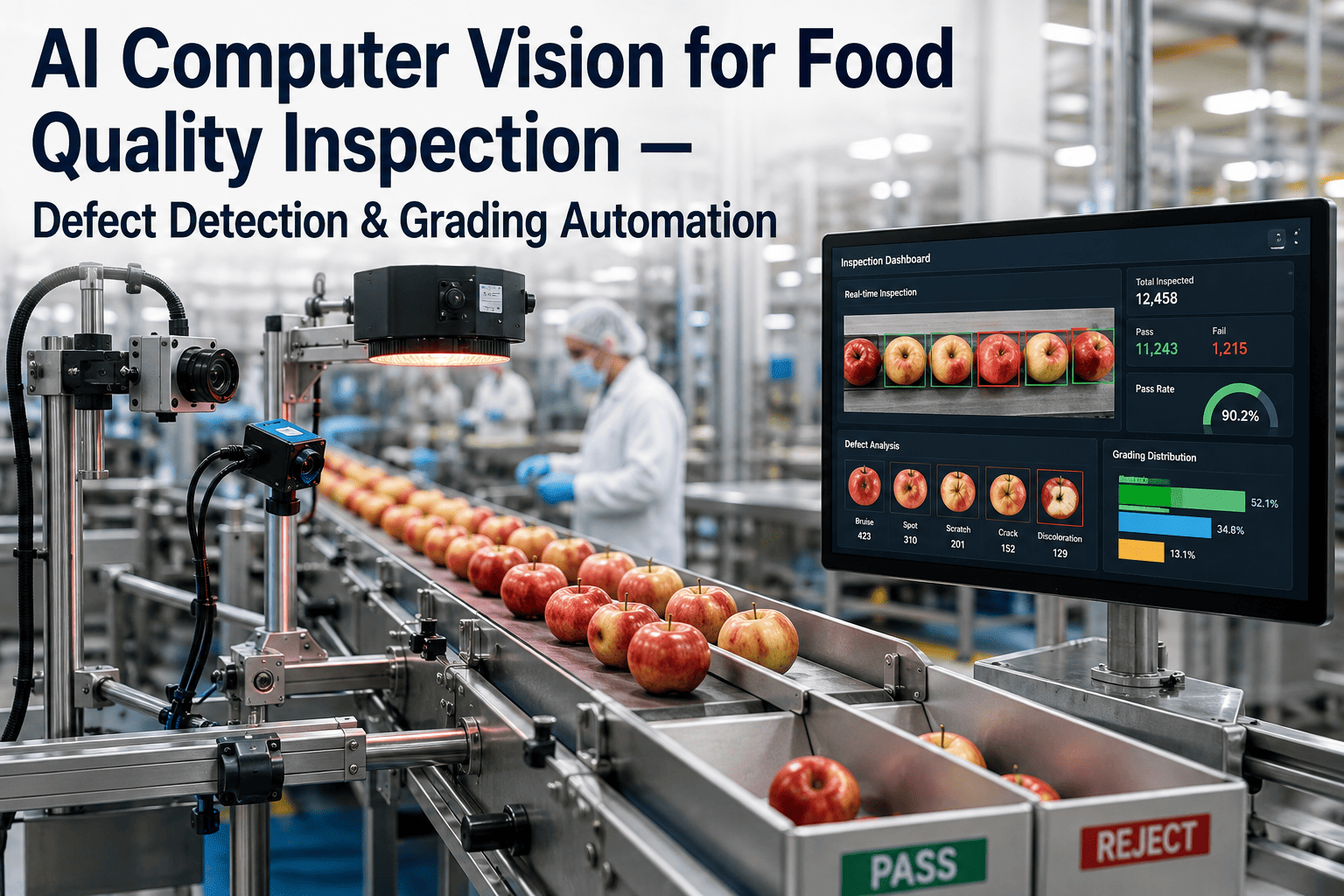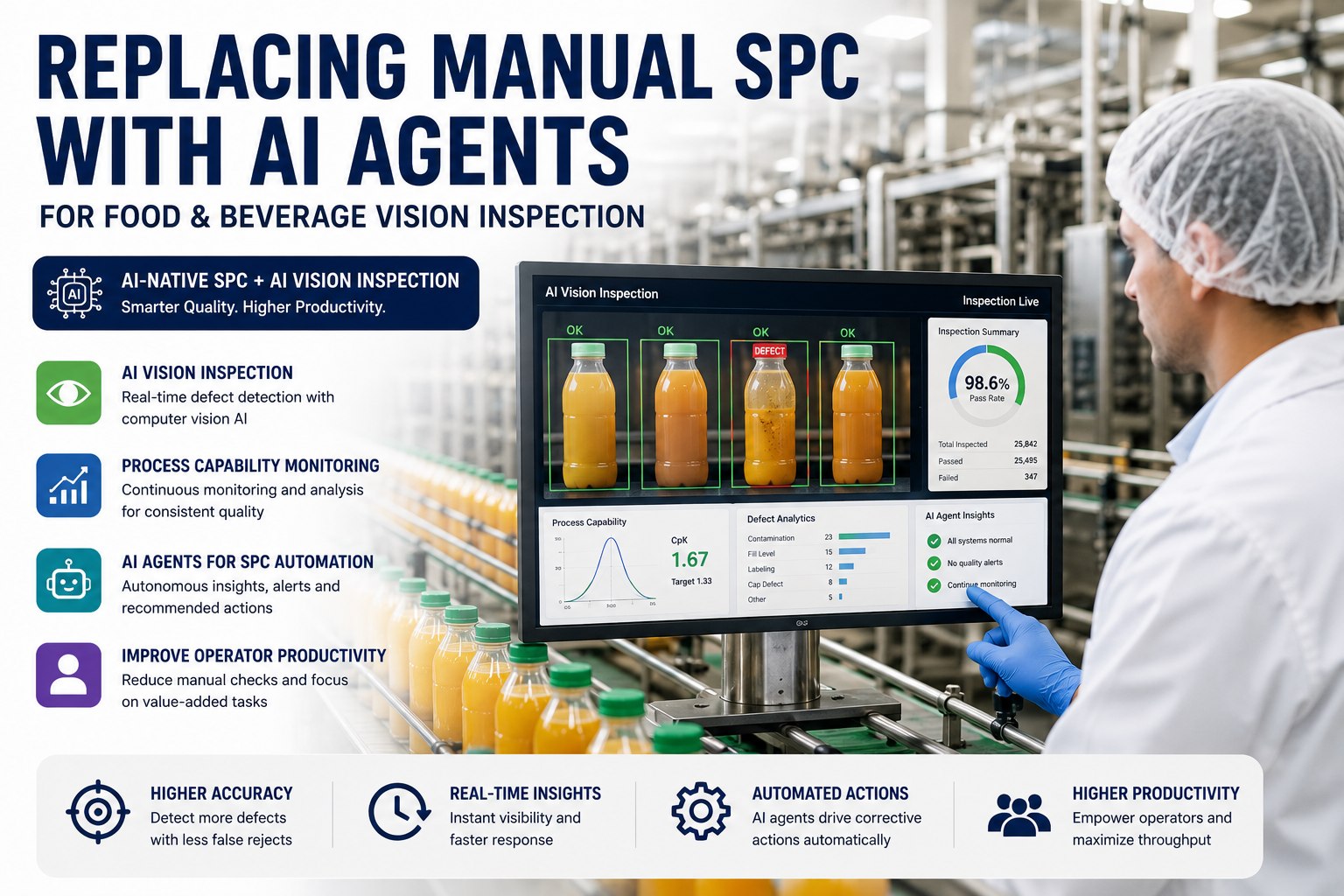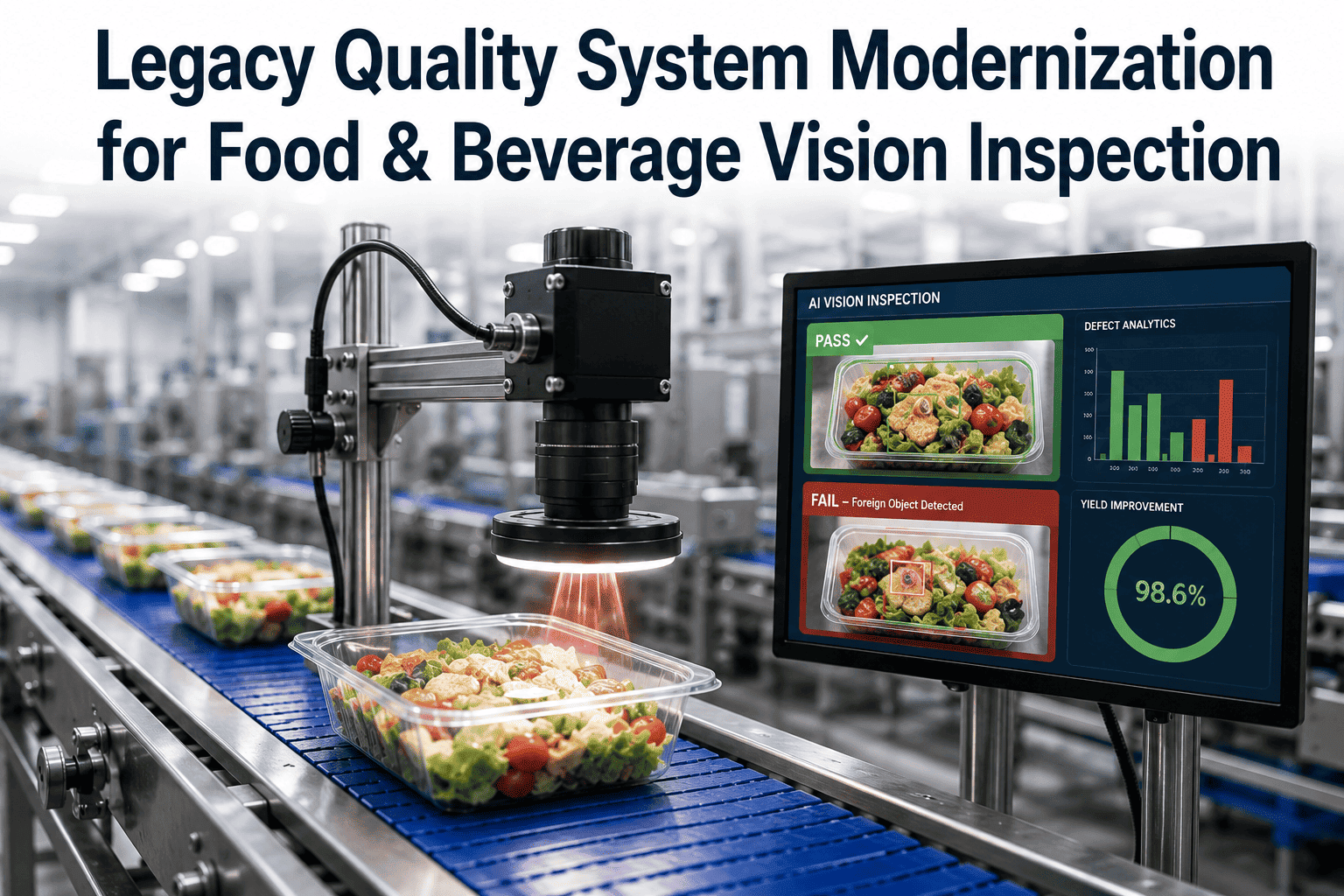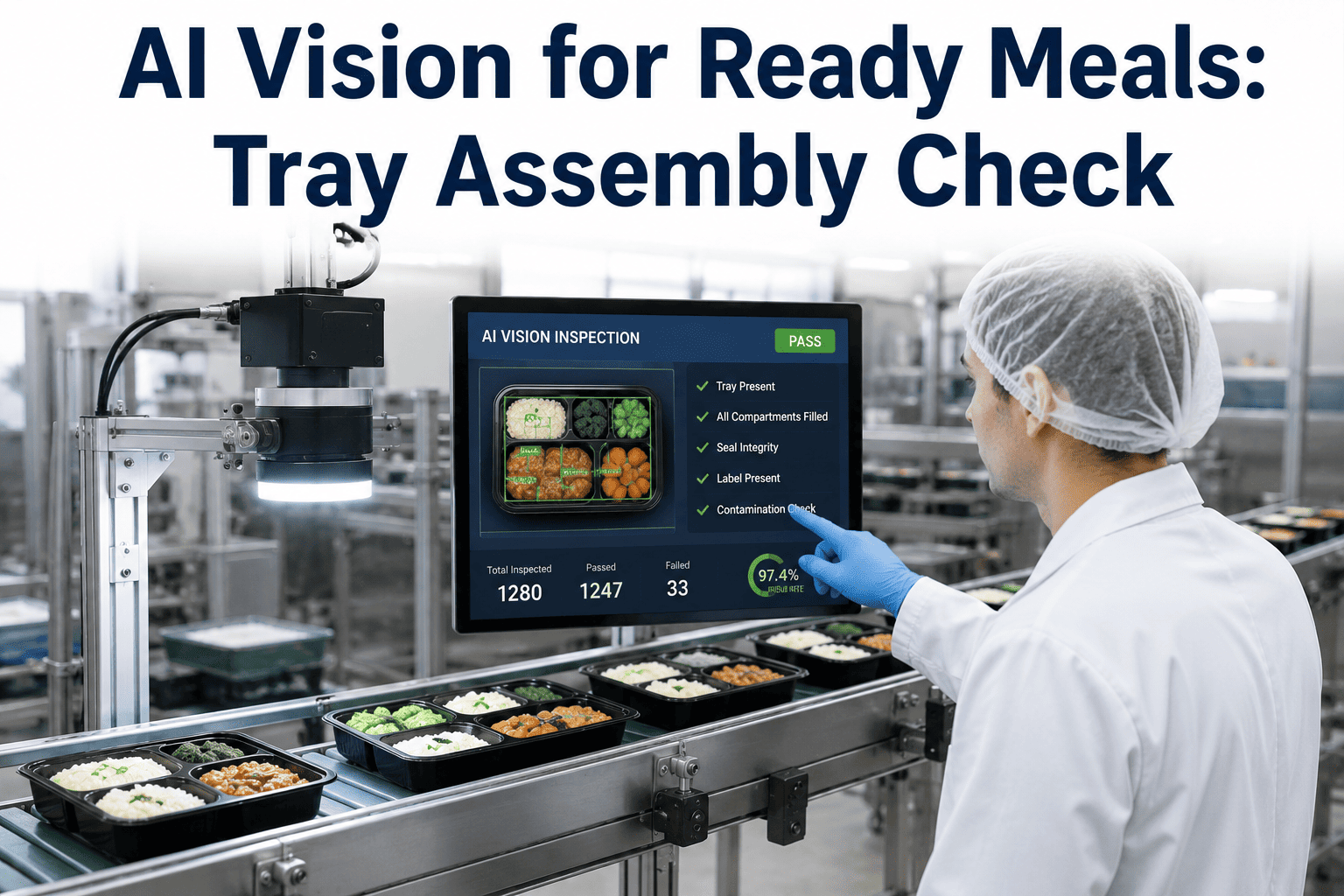
A ready meal line can run flawlessly on portion weight and still ship trays where the sauce pooled to one corner, the garnish landed on the lid seal instead of the food, or a component slid out of its compartment during the sealing step, and none of that shows up on a checkweigher because the total mass is still correct. Presentation defects like these are exactly the category that human visual inspection struggles to catch consistently at line speed, since a person glancing at a tray for half a second is looking for something to be obviously wrong, not silently checking topping distribution against a reference photo. iFactory's AI vision platform checks every tray against that reference, at full line speed, without slowing anything down.
Catch the presentation defects a checkweigher can't see
iFactory verifies portion placement, topping distribution, and component completeness on every tray, in real time, before it reaches the sealer.
Why weight-based checks miss what customers actually notice
A checkweigher confirms that a tray contains the correct total mass, and a metal detector confirms there's no contamination, but neither one has any concept of how the food is arranged inside the tray. Customers, on the other hand, respond almost entirely to presentation: a tray that looks sparse, uneven, or sloppy generates a complaint and a bad review regardless of whether the weight and safety checks both passed perfectly. This is the exact gap where AI vision inspection fits, sitting between the existing weight and safety checks and catching the category of defect that only becomes visible when you actually look at the tray.
Correct Weight, Poor Presentation
Sauce pooled in one corner, garnish off-target, protein piece overlapping the compartment divider.
Distribution & Placement Verified
Sauce coverage, topping spread, and component position all checked against the approved reference image.
Four checks running on every tray, every second
Portion Placement
Confirms each component sits in its intended compartment, not overlapping a divider or shifted during transport.
Topping Distribution
Verifies sauce, garnish, or seasoning coverage matches the approved spread pattern rather than pooling or clumping.
Component Completeness
Checks that every expected element of a multi-component meal is present before the tray reaches the sealer.
Visual Presentation Score
Scores overall appearance against a reference standard, catching subjective-seeming defects consistently.
Presentation complaints rarely show up in a QC report because nothing was technically out of spec. Book a demo to see how vision inspection scores presentation the way a customer actually experiences it.
Presentation defects cost more than they look like they should
A single photo of a sad-looking ready meal posted to social media can do more brand damage than a dozen quieter quality issues combined, because presentation is the one thing every customer evaluates instantly and shares easily. Retail private label programs are particularly unforgiving here, since a retailer's quality team reviewing incoming product samples is looking at exactly the kind of visual consistency that weight and safety checks were never designed to catch, and a pattern of presentation complaints can put an entire program at risk regardless of how clean the safety record looks.
The frustrating part for most ready meal producers is that they already know roughly where these defects come from, whether it's a topping applicator that drifts out of calibration over a shift or a sauce depositor nozzle that clogs partially without stopping the line, but nobody is watching consistently enough to catch the drift before hundreds of trays have already gone out with the same issue.
From camera to corrective action
Cameras positioned at key stations
Typically after topping application and before the sealing step, where a defect is still correctable.
Each tray compared to reference
AI model checks placement, distribution, and completeness against the approved product standard.
Defective trays diverted
Flagged trays are automatically rejected or routed for manual review before sealing locks in the defect.
Drift trends surfaced
Gradual equipment drift, like a slowly clogging nozzle, shows up as a trend before it becomes a full stoppage.
What ready meal lines see within a quarter
What a pilot on one line looks like
Reference standard capture
Approved product images across your SKU range establish the visual baseline every tray gets checked against.
Camera installation at key stations
Positioned post-topping and pre-seal to catch defects while they're still correctable.
Model calibration across variation
Trained to distinguish acceptable natural variation from genuine defects across your product range.
Line integration and reject logic
Connected to existing reject mechanisms or manual review stations without disrupting current line speed.
AI vision for tray inspection, explained plainly
See what your cameras would catch on your own line
Run a live comparison against your current reject rate and find out what's slipping through today.