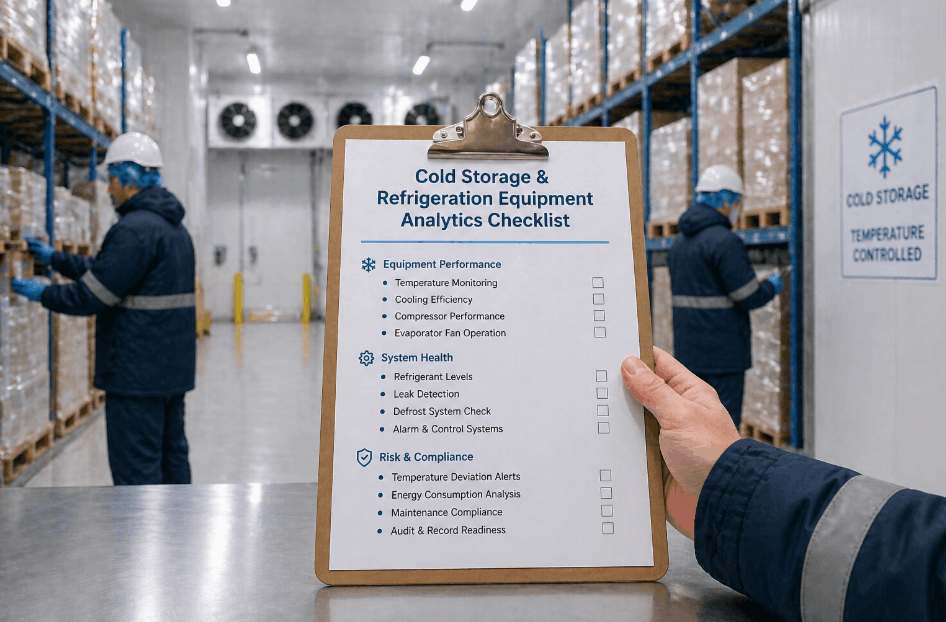
Cold storage and refrigeration systems are the backbone of food safety compliance in food manufacturing, processing, and distribution facilities. When refrigeration systems fail — whether due to compressor breakdown, condenser fouling, failed door seals, or missed defrost cycles — the consequences range from product spoilage and regulatory non-compliance to complete cold chain failure. A structured analytics and inspection checklist ensures every refrigeration asset is monitored, documented, and audit-ready. If your facility still relies on manual temperature logs and paper-based inspection sheets, book a demo to see how automated preventive analytics eliminates recordkeeping gaps and missed inspections across every cold room, walk-in cooler, and freezer circuit.
1. Compressor System Inspection & Performance Analytics
The compressor is the heart of any refrigeration system. Compressor failures cause immediate temperature exceedance events that jeopardize product safety and regulatory compliance. Preventive analytics of compressor operating parameters — discharge pressure, suction pressure, oil level, amp draw, and runtime cycles — allows facilities to detect developing failures before a breakdown occurs. For facilities managing multiple compressor units across several cold rooms, book a demo to explore automated compressor runtime tracking and anomaly alerting in real time.
2. Condenser Cleaning & Heat Rejection Performance Verification
Condenser fouling is the most common and preventable cause of refrigeration system inefficiency in food manufacturing environments. Grease, dust, and airborne food particles accumulate on condenser coil fins, reducing airflow and heat rejection capacity — forcing compressors to operate at elevated discharge pressures that increase energy consumption and reduce equipment lifespan. Scheduled condenser cleaning and performance verification is a critical preventive analytics task. Facilities tracking condenser cleaning compliance across multiple units can schedule a demo to automate cleaning work order generation and completion tracking.
3. Evaporator Coil Inspection & Airflow Performance Analytics
Evaporator coils deliver cooling capacity directly into the refrigerated space. Ice accumulation, fin fouling, and blocked drain pans reduce evaporator airflow and cooling capacity — causing temperature exceedances that directly threaten product safety. Evaporator analytics must track coil condition, superheat, airflow uniformity, and drain pan cleanliness. For food facilities with multiple evaporator units per cold room, book a demo to see how digital analytics tracks evaporator performance parameters and schedules preventive cleaning automatically.
4. Defrost Cycle Verification & Defrost System Analytics
Defrost cycle management is one of the most frequently overlooked areas of refrigeration preventive analytics in food facilities. Inadequate defrost causes progressive evaporator icing that reduces cooling capacity, increases compressor runtime, and ultimately leads to temperature exceedance events. Excessive or improperly timed defrost cycles waste energy and cause unnecessary temperature pulls in the cold room during the defrost period. Every defrost cycle must be validated for initiation, duration, termination, and post-defrost temperature recovery.
5. Temperature Monitoring & Cold Chain Compliance Documentation
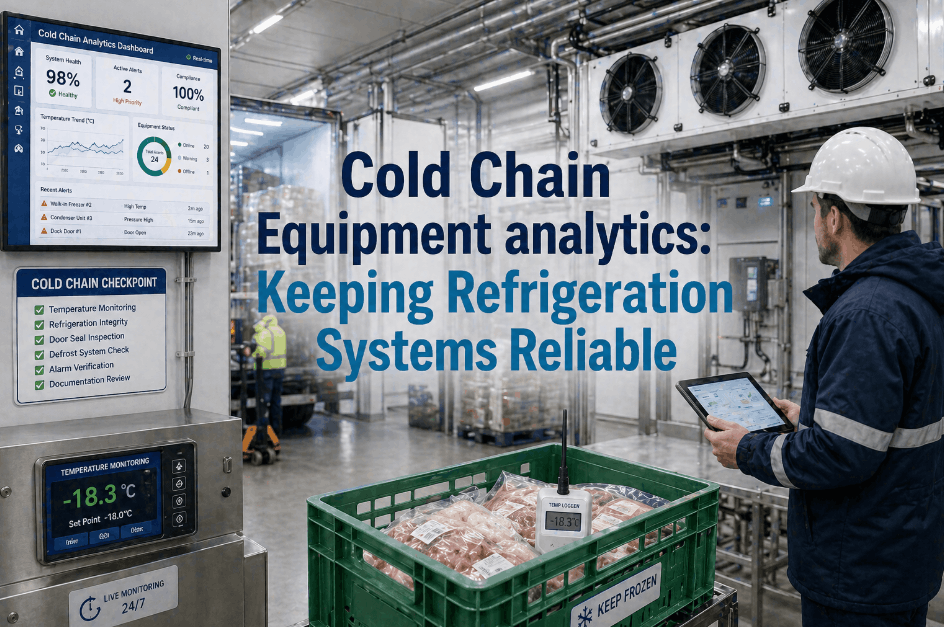
Continuous temperature monitoring is the core compliance requirement for cold storage in food manufacturing, and the area most scrutinized by FDA, USDA, and SQF auditors. Temperature data must be logged continuously, stored in a retrievable format, and traceable to specific product lots stored during any exceedance event. Manual temperature logs recorded once per shift are insufficient under FSMA Preventive Controls — continuous automated monitoring with alarm notification is the regulatory baseline. Facilities upgrading from manual logs can schedule a demo to explore automated continuous temperature monitoring with exceedance alerting and audit-ready documentation.
6. Door Seal & Insulation Integrity Inspection
Door seals and insulation integrity directly control the thermal load that refrigeration systems must overcome to maintain setpoint temperature. Damaged door gaskets, misaligned doors, and degraded panel insulation silently increase compressor runtime and energy consumption while creating humidity ingress that accelerates evaporator icing. Door seal inspection is a fast, high-value preventive analytics task that yields immediate energy savings and product safety improvements when deficiencies are corrected promptly.
7. Refrigerant Charge & Leak Detection Analytics
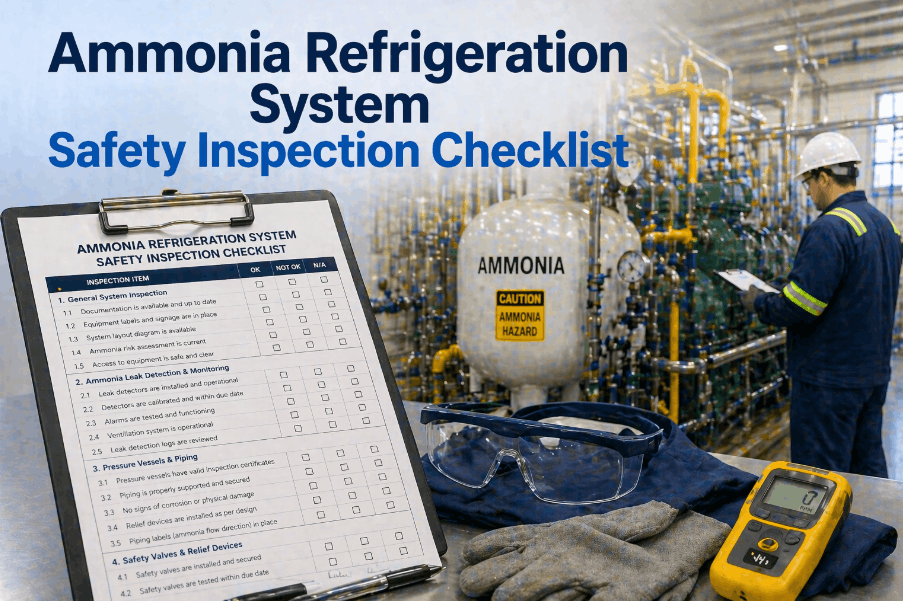
Refrigerant leaks represent both a regulatory compliance issue under EPA Section 608 and a direct threat to refrigeration system performance and food safety. Facilities operating systems with more than 50 pounds of refrigerant charge are subject to mandatory leak rate reporting and repair timelines. Proactive leak detection analytics — tracking refrigerant addition history, subcooling and superheat trends, and suction pressure baseline drift — identifies developing leaks before they reach reportable thresholds or cause temperature exceedance events.
8. Cold Storage Analytics, Work Order Trending & Compliance Reporting
Cold storage preventive analytics is only as effective as the system used to schedule, track, and analyze it. Paper-based inspection records, disconnected spreadsheets, and manual temperature logs create documentation gaps that fail food safety audits and miss developing equipment issues until they become emergency breakdowns. Digital analytics systems that capture inspection findings, generate compliance reports, and trend equipment performance data enable food facilities to demonstrate continuous compliance and identify reliability risks before they impact production. Facilities transitioning from paper-based cold storage PM to digital analytics can book a demo to explore iFactory's preventive analytics platform for food refrigeration systems.