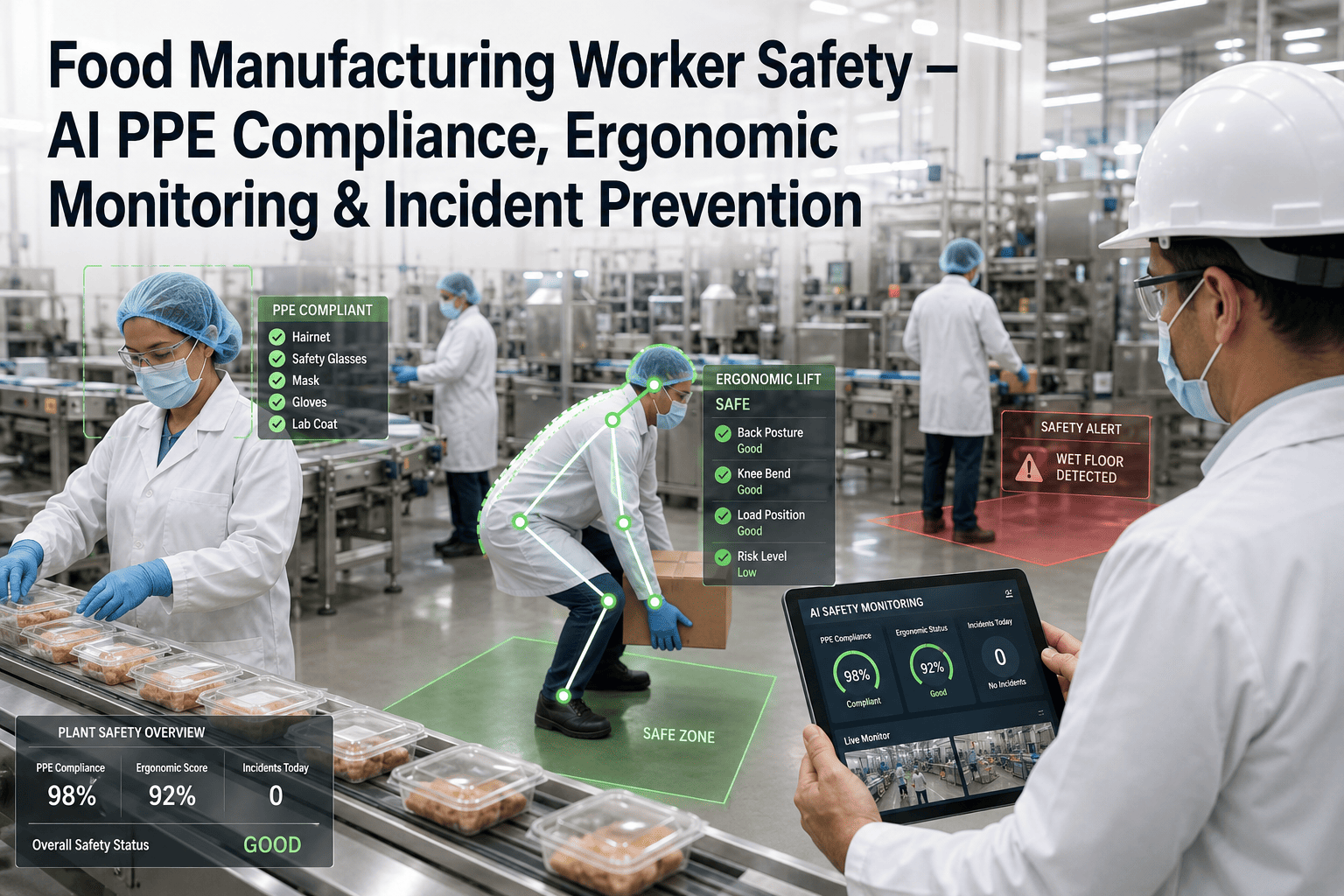
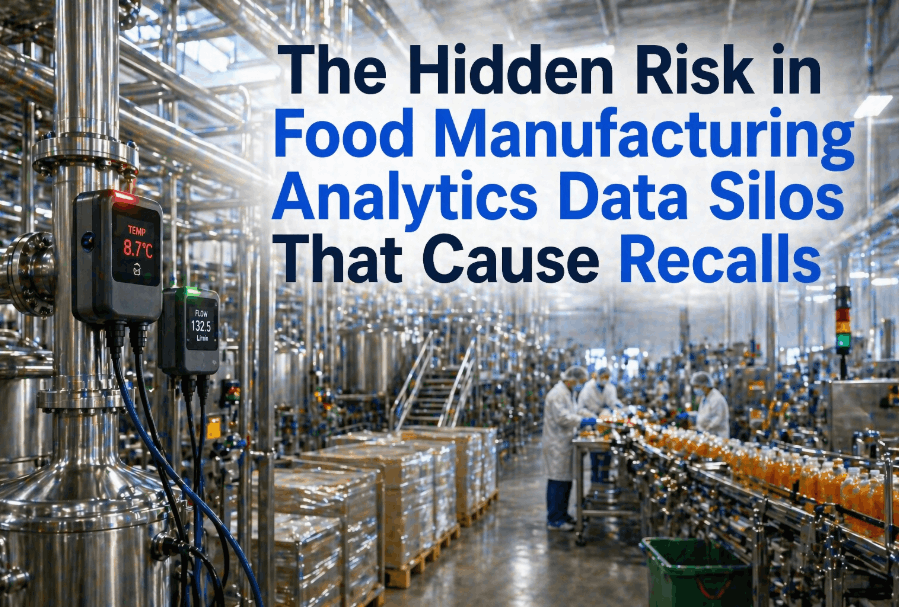
Confined space entry in food manufacturing environments presents a unique and often underestimated hazard landscape. Unlike general industry confined spaces, food plants combine organic material decomposition, cleaning chemical residues, and complex machinery layouts that can rapidly create oxygen-deficient, toxic, or flammable atmospheres. Silos storing grain, flour, or sugar can develop carbon dioxide pockets from fermentation; process tanks used for CIP (clean-in-place) cycles may retain hazardous vapors; and deep pits housing conveyors or waste collection systems can trap hydrogen sulfide from organic decay. The stakes are exceptionally high: a single misstep during entry for inspection, cleaning, or maintenance can lead to catastrophic injury or fatality within minutes. This comprehensive guide provides EHS managers, plant engineers, and safety directors with an authoritative, data-driven framework to manage confined space risks in food manufacturing. We cover permit-required procedures, real-time atmospheric monitoring, rescue planning, and how AI-driven entry tracking from iFactory can transform your safety program from reactive compliance to proactive prevention. Book a Demo to see how our smart factory analytics enhance confined space safety.
Elevate Confined Space Safety in Your Food Plant
Proactive risk management with AI-driven monitoring and real-time analytics. Protect your workforce and ensure compliance.
Understanding Confined Spaces in Food Manufacturing
Confined spaces in food plants are defined by limited entry/exit, not designed for continuous occupancy, and may contain hazardous atmospheres. Common examples include grain silos, mixing tanks, fermentation vessels, CIP tanks, conveyor pits, and waste sumps. The organic nature of food materials introduces unique risks: fermentation produces CO2 and ethanol vapors; decomposition generates hydrogen sulfide; and cleaning agents like caustic soda or peracetic acid can leave toxic residues. Additionally, the physical configuration of these spaces—often deep, narrow, and with internal baffles—complicates rescue operations. A thorough inventory of all confined spaces, updated regularly, is the foundation of any effective safety program. Each space must be evaluated for permit-required status based on the presence or potential for hazardous atmospheres, engulfment hazards, or other serious safety concerns.
Permit-Required Confined Space Program Essentials
A robust permit-required confined space program (PRCS) is mandated by OSHA 29 CFR 1910.146 and is critical for food plants. Key elements include a written program detailing entry procedures, roles (entry supervisor, attendant, entrants), and rescue plans. Permits must be issued for each entry and specify the space, purpose, authorized entrants, hazards, and control measures. The permit must be posted at the entry point and remain valid only for the duration of the work. Training is mandatory for all personnel involved—initial and annual refresher—covering hazard recognition, use of equipment, and emergency response. iFactory's platform digitizes the entire permit process, enabling real-time permit status tracking, automated expiration alerts, and digital signatures, reducing administrative burden and human error. A well-documented program not only saves lives but also withstands regulatory scrutiny.
Atmospheric Monitoring: The First Line of Defense
Continuous atmospheric monitoring is non-negotiable for permit-required confined spaces in food plants. The four primary hazards are oxygen deficiency (below 19.5%), flammable gases (above 10% LEL), toxic gases (hydrogen sulfide, carbon monoxide), and volatile organic compounds (VOCs) from cleaning agents or fermentation. Multi-gas detectors with data logging capabilities should be used, and readings must be taken before entry, continuously during occupancy, and after any change in conditions. Special attention is needed for silos: grain dust can create explosive atmospheres, and fermentation can rapidly deplete oxygen. iFactory's AI-driven monitoring system integrates directly with gas detectors, providing real-time dashboards, trend analysis, and automated alerts when thresholds are breached. This proactive approach allows pre-emptive evacuation before conditions become dangerous, moving beyond simple compliance to true hazard prevention. The system also logs all data for audit trails and continuous improvement.
Pre-Entry Planning
Identify space, hazards, and required PPE. Issue permit digitally via iFactory platform.
Atmospheric Testing
Continuous monitoring for O2, LEL, H2S, and CO. Data streamed to AI analytics.
Entry & Monitoring
Entrants equipped with two-way communication. Attendant monitors conditions via dashboard.
Exit & Review
Post-entry debrief. Data analyzed for trends and program improvements.
AI-Powered Entry Tracking
iFactory's platform uses AI to monitor entry duration, personnel location, and atmospheric trends. Automated alerts notify supervisors of any deviation from safe parameters, enabling rapid intervention. The system also predicts risk levels based on historical data, helping prioritize high-risk entries.
Real-Time Dashboards
Centralized dashboards display live status of all confined space entries across the plant. Color-coded indicators (green, yellow, red) provide instant visibility. Historical data is used to identify recurring hazards and optimize safety protocols.
Automated Compliance Reporting
Generate permit logs, training records, and incident reports automatically. iFactory's platform ensures all documentation is audit-ready, reducing administrative overhead and improving accuracy. Customizable reports meet OSHA and internal standards.
Transform Your Confined Space Safety Program
Integrate AI-driven monitoring and real-time analytics. Protect your team and enhance compliance.
Confined Space Hazard Profile in Food Plants
| Space Type | Primary Hazards | Monitoring Priority | Rescue Complexity |
|---|---|---|---|
| Grain Silos | O2 deficiency, CO2, dust explosion | O2, LEL, CO2 | High (vertical entry, engulfment risk) |
| CIP Tanks | Chemical residues, O2 deficiency | O2, VOCs, pH | Medium (confined, internal baffles) |
| Fermentation Vessels | CO2, ethanol vapors, O2 deficiency | O2, CO2, LEL | High (large volume, multiple openings) |
| Conveyor Pits | H2S, methane, O2 deficiency | O2, H2S, LEL | Medium (horizontal, limited access) |
| Waste Sump | H2S, methane, O2 deficiency | O2, H2S, LEL | High (toxic gases, confined) |
Rescue Planning & Preparedness
Every confined space entry must have a site-specific rescue plan that does not rely on external emergency services alone. On-site rescue teams should be trained in confined space rescue techniques, including use of tripods, winches, full-body harnesses, and self-contained breathing apparatus (SCBA). Practice drills should be conducted at least annually, with scenarios mimicking actual plant conditions (e.g., silo extraction, tank retrieval). iFactory's platform can schedule and track rescue drills, maintain equipment inspection logs, and provide step-by-step rescue procedures accessible via mobile devices at the point of entry. Additionally, the AI system can simulate rescue scenarios based on space geometry and hazard data, helping teams prepare for worst-case situations. A well-rehearsed rescue capability can mean the difference between a minor incident and a fatality.
Training & Competency Development
Effective training goes beyond regulatory compliance. It must be role-specific: entrants need hands-on practice with gas detectors and PPE; attendants require scenario-based decision-making; entry supervisors need authority and knowledge to cancel unsafe entries. iFactory offers a digital training module that tracks individual competency, provides refresher courses, and integrates with your LMS. The platform also uses VR simulations for high-risk spaces like silos, allowing workers to experience hazards in a safe environment. Continuous learning is tracked and reported automatically.
PPE & Equipment Management
Proper selection and maintenance of PPE is critical. This includes respiratory protection (SCBA or air-purifying respirators), protective clothing (chemical-resistant suits for tank cleaning), and retrieval equipment (harnesses, lifelines, tripods). iFactory's equipment management module tracks inspection schedules, expiration dates, and usage history. Automated alerts ensure that equipment is always ready for use. The system also recommends PPE based on specific hazard profiles identified during permit issuance.
Frequently Asked Questions
What are the most common confined spaces in a food plant?
The most common confined spaces include grain and flour silos, mixing and blending tanks, CIP (clean-in-place) tanks, fermentation vessels, conveyor pits, and waste sumps. Each presents specific hazards related to organic decomposition, chemical residues, and physical configuration. A thorough inventory, aided by iFactory's AI-driven risk assessment tool, ensures all spaces are identified and properly classified. Contact support for a detailed guide on conducting a confined space inventory.
How often should atmospheric monitoring be performed during entry?
Continuous monitoring is required before entry, throughout occupancy, and after any change in conditions (e.g., stirring of materials, chemical addition). iFactory's system provides real-time data streaming and automatic alerts if any gas level approaches a dangerous threshold. This eliminates the need for manual periodic checks and ensures immediate awareness of changing conditions. Book a Demo to see how continuous monitoring is implemented.
What are the key elements of a confined space rescue plan?
A rescue plan must include a trained on-site rescue team, appropriate retrieval equipment (tripod, winch, harness), communication protocols, and a step-by-step procedure for each space. Practice drills should be conducted at least annually. iFactory's platform digitizes rescue plans, provides mobile access to procedures, and tracks drill completion. The AI system can also simulate rescue scenarios to identify potential bottlenecks. Contact support for a rescue plan template.
How does AI improve confined space safety?
AI enhances safety by providing real-time monitoring of atmospheric conditions, entry duration, and personnel location. It can predict risk levels based on historical data, automate permit issuance and expiration, and generate compliance reports. iFactory's AI platform also integrates with existing gas detectors and SCADA systems, creating a unified safety ecosystem. This proactive approach reduces human error and enables faster response to hazards. Book a Demo to explore AI capabilities.
What training is required for confined space entry?
OSHA requires initial training for all entrants, attendants, and entry supervisors, with annual refresher training. Training must cover hazard recognition, use of PPE and monitoring equipment, emergency procedures, and rescue techniques. iFactory offers a digital training module that tracks individual progress and provides role-specific content. The platform also supports VR-based simulations for high-risk spaces. Contact support for a training program consultation.
Ready to Transform Your Confined Space Safety?
Leverage AI-driven monitoring and real-time analytics. Protect your workforce and achieve compliance excellence.