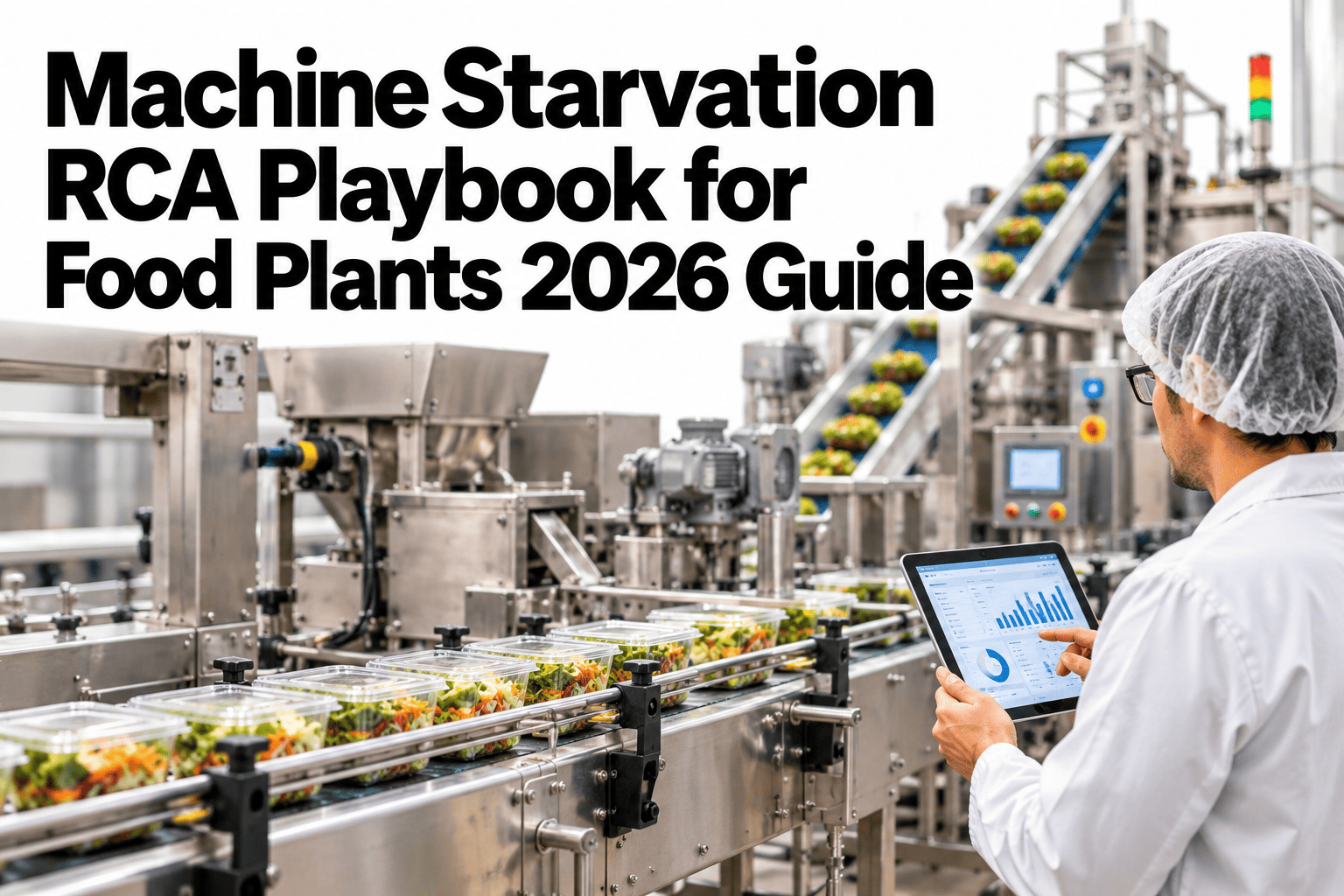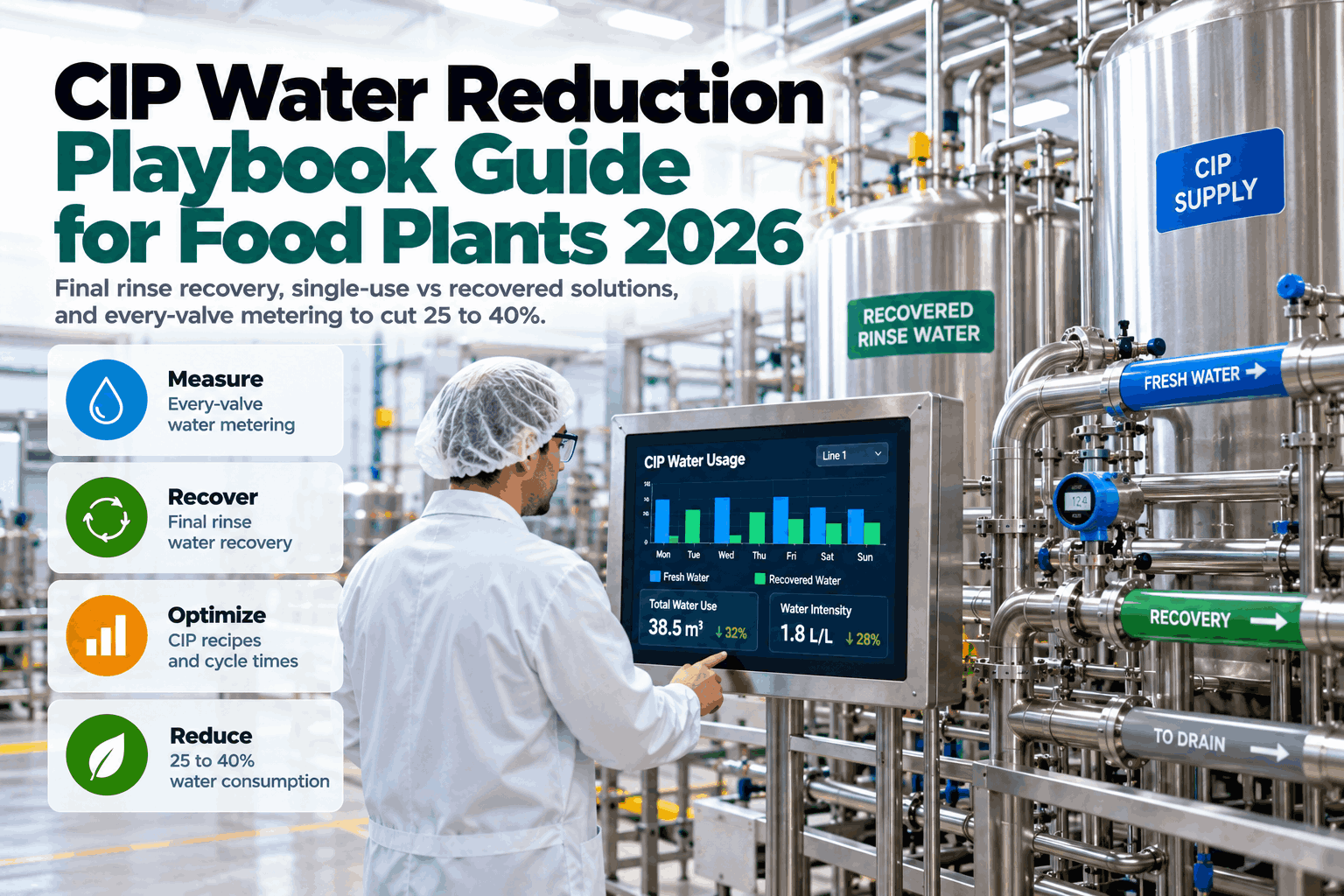
A 1.5 percent reject rate sounds small enough to ignore on a line running at high volume, until it gets multiplied out across a full year of production and lands somewhere around 600 thousand dollars in lost product, rework labor, and disposal cost. Most plants treat damaged package rejects as an unavoidable cost of doing business, a crushed corner here, a torn flap there, without ever breaking the problem down into where the damage is actually happening and why. Combining vision-based damage detection, a gentle-handling audit of the mechanical path, and structured root cause analysis is what turns that abstract annual cost into a specific, shrinking number, and if you want to see what this playbook would find on your own line, you can walk through a damage audit with our team.
Turn a 1.5% Reject Rate Into a Specific, Fixable Problem
A playbook combining vision-based damage detection, gentle-handling audits, and structured root cause analysis to bring down the reject rate quietly costing a busy line around $600K a year.
Why Damage Rejects Get Written Off as Routine
A single crushed case looks like an unavoidable fact of running a mechanical line, which is exactly why nobody stops to ask how much the accumulated total is actually costing.
The Three Levers That Actually Reduce Damage Rejects
Reducing reject rate meaningfully requires addressing detection, the mechanical cause, and the pattern behind recurring damage, not just one of the three.
| Lever | What it addresses | Typical impact |
|---|---|---|
| Vision-based detection | Catching damage consistently instead of relying on operator attention | More accurate reject rate, fewer escapes to the DC |
| Gentle-handling audit | Transfer points, guide rails, and drop heights causing physical damage | Often the single largest reduction in root damage events |
| Structured root cause analysis | Connecting recurring damage to a specific station or condition | Prevents the same cause from repeating indefinitely |
Most plants that only add vision detection see their reject count become more accurate, not smaller, since detection alone doesn't fix the mechanical cause creating the damage in the first place.
Running a Gentle-Handling Audit of the Mechanical Path
A gentle-handling audit walks the physical path a package takes from filling through casing, looking specifically for points that cause impact, friction, or sudden direction change.
Walk Your Own Line's Mechanical Path
Share your line layout and recent damage logs and we will help identify the highest-impact handling points to audit first.
Running Root Cause Analysis on Recurring Damage
Once vision detection and audit findings are in place, root cause analysis connects individual damage events into a pattern worth acting on.
What a Falling Reject Rate Actually Shows
A reject rate that moves from a flat baseline toward a shrinking trend is the clearest sign the playbook's three levers are working together.
What iFactory Food Plant Specialists See Across Packaging Lines
iFactory food plant specialists who review damage reject data across multiple plants consistently find that transfer points between conveyors, not the primary filling or casing equipment, account for the majority of mechanical damage causes once a proper handling audit is run.
They recommend running the gentle-handling audit before investing heavily in more sophisticated vision detection, since fixing an obvious transfer point issue often delivers a larger immediate reduction than improving how well damage gets detected after the fact.
What Plant Managers Ask About Reducing Damage Rejects
Run the Damaged Package Reject Playbook on Your Line
Book a session with iFactory AI to combine vision detection, handling audits, and root cause analysis for your own packaging line.