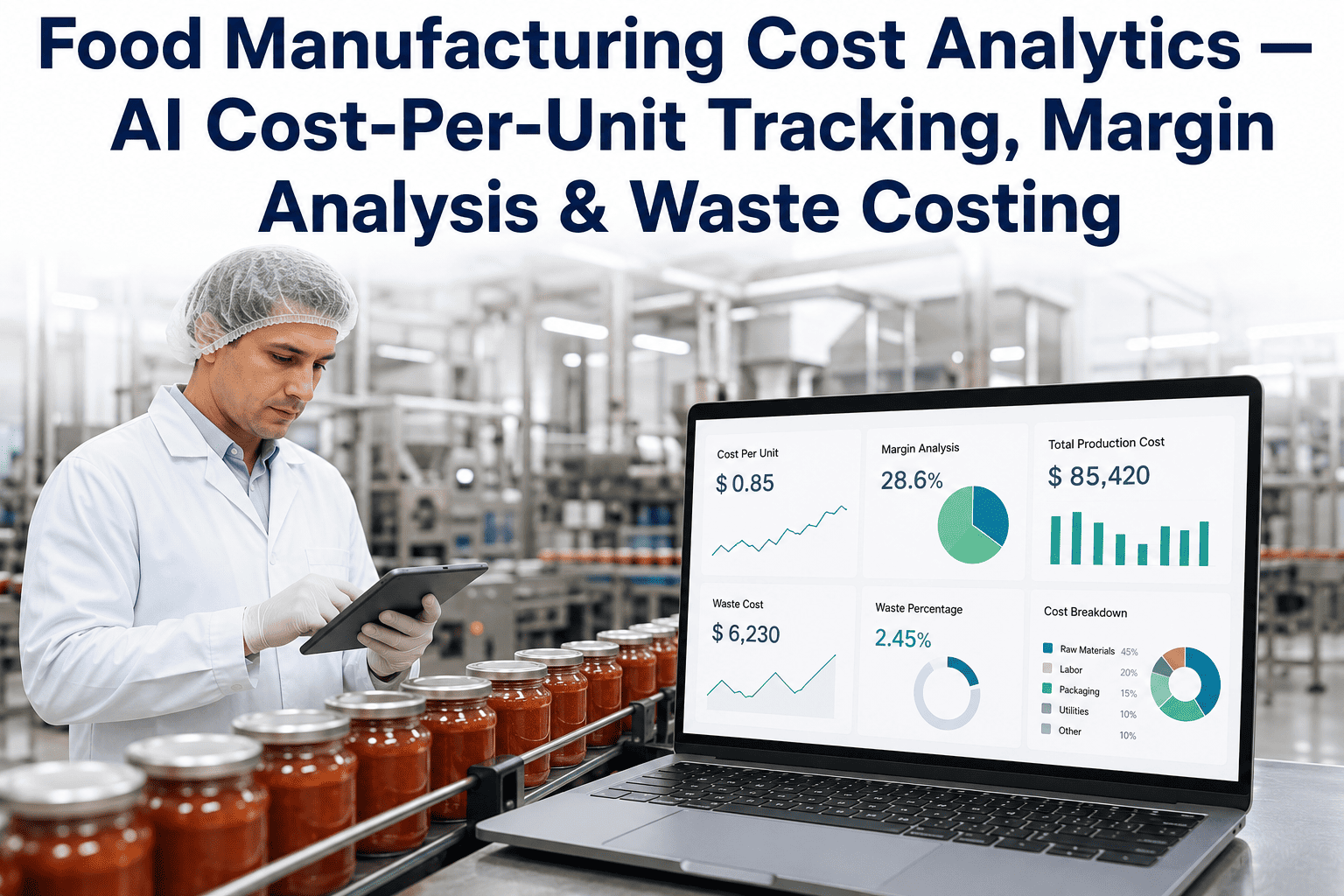
In the high-stakes environment of food manufacturing, where ingredient prices fluctuate rapidly and margins are razor-thin, the ability to precisely track and optimize cost-per-unit is not just a competitive advantage—it is a fundamental survival requirement. Traditional cost accounting methods, often reliant on spreadsheets and periodic manual updates, fall critically short in capturing the real-time dynamics of production. They fail to attribute costs accurately across complex multi-ingredient recipes, labor shifts, and ever-changing waste streams. This comprehensive guide, designed for Operations Directors and Plant Managers, delves into the transformative power of AI-driven cost analytics. We will explore how advanced machine learning models can automatically track every cost driver—from raw material procurement to final packaging—providing granular, real-time visibility into profitability. By the end of this deep dive, you will understand how to leverage AI to reduce waste, optimize labor, and achieve a 3-5% margin improvement, directly impacting your bottom line. If you are ready to move beyond static reports and embrace a dynamic, intelligent cost management system, we invite you to Book a Demo of iFactory's AI analytics platform.
AI-Powered Cost-Per-Unit Intelligence for Food Manufacturing
Achieve real-time visibility into every cost driver—ingredients, labor, waste, and overhead—with enterprise-grade analytics.
Real-Time Ingredient Cost
Track commodity price fluctuations and supplier variances instantly, with AI that adjusts cost-per-unit formulas dynamically.
Labor Efficiency Analytics
Measure shift-level labor costs against production output, identifying inefficiencies and overtime patterns.
Waste & Yield Costing
Automatically attribute waste costs to specific batches and processes, revealing hidden profit drains.
Margin Simulation
Run what-if scenarios on ingredient substitution, pricing changes, and process improvements to protect margins.
Why Traditional Cost Accounting Fails in Modern Food Manufacturing
Conventional cost accounting methods, such as standard costing or activity-based costing, rely on historical averages and periodic updates. In a food manufacturing environment where ingredient prices can change weekly, labor availability fluctuates seasonally, and waste percentages vary by batch, these methods produce dangerously outdated cost-per-unit figures. Operations Directors often make pricing and sourcing decisions based on data that is weeks old, leading to margin erosion. Furthermore, manual data entry is error-prone and time-consuming, diverting resources from value-added analysis. The lack of granularity means that cost variances are averaged out, hiding specific production lines or SKUs that are underperforming. This section explores the specific limitations of legacy systems and sets the stage for an AI-first approach.
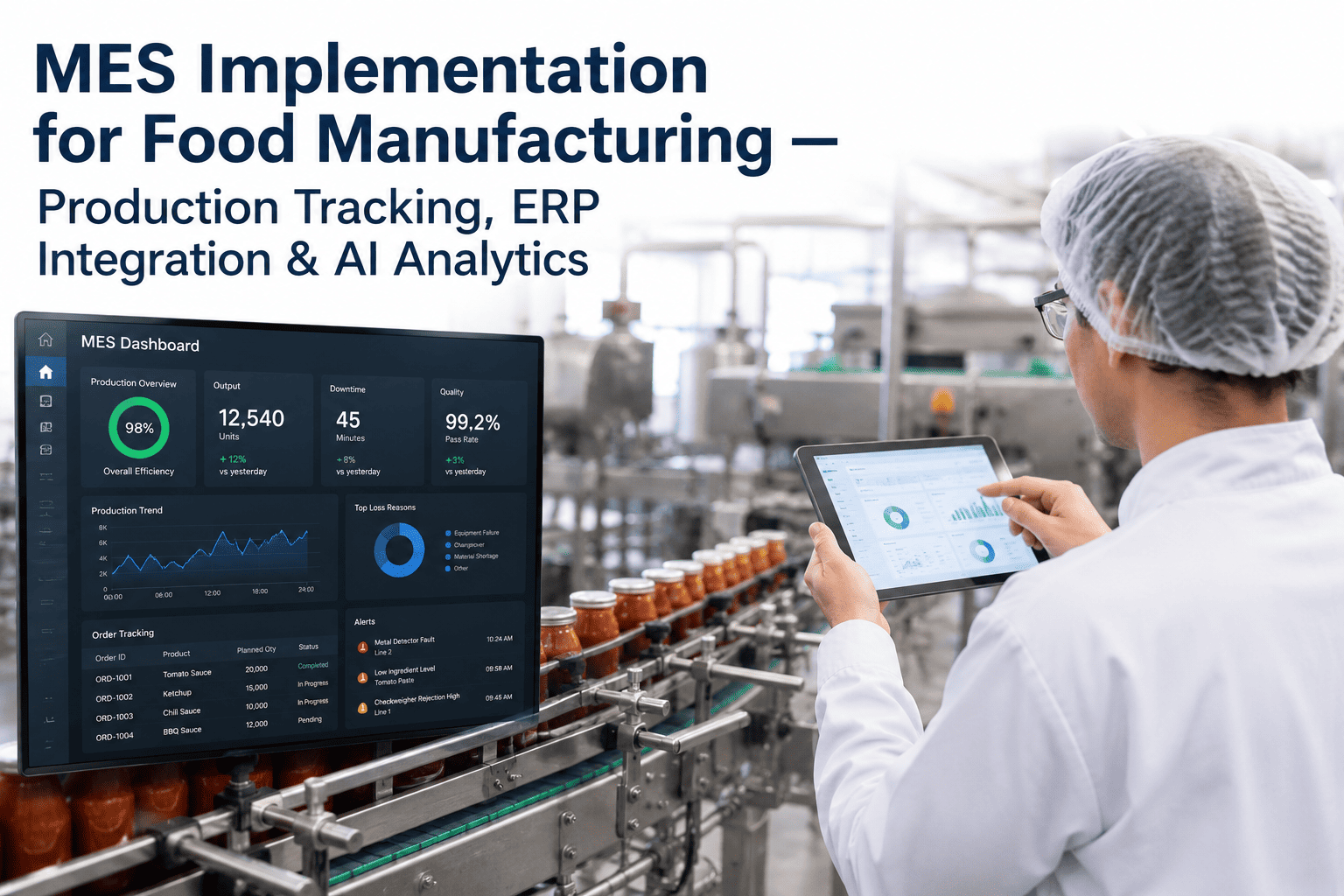
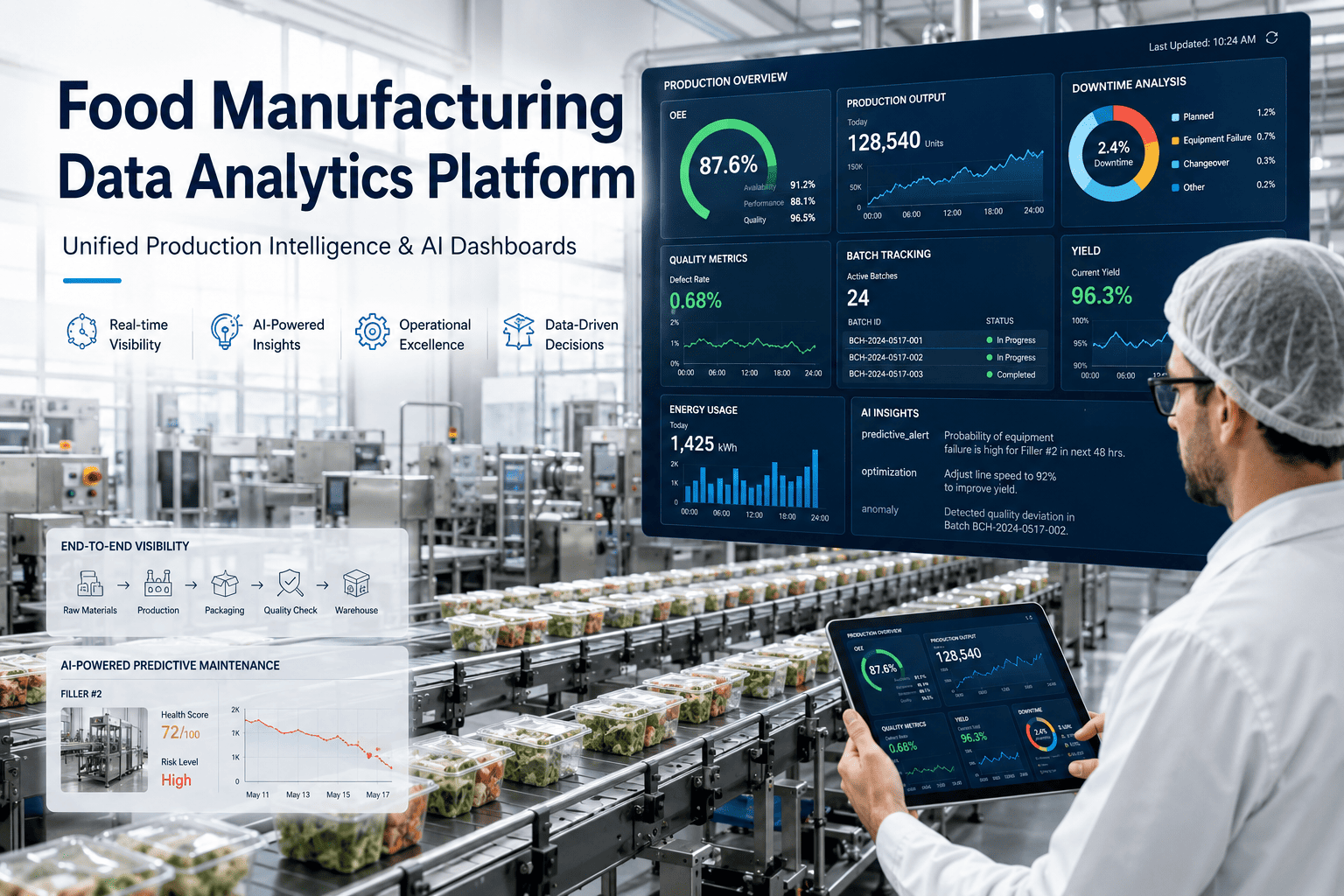
AI-driven analytics, by contrast, ingests data from ERP, MES, and IoT sensors in real time, building a continuously updated cost model. Machine learning algorithms identify patterns—such as a particular supplier's ingredient causing higher waste or a specific shift consistently underperforming—that are invisible to static reports. This proactive intelligence allows plant managers to intervene immediately, adjusting processes or sourcing before costs spiral. The result is a dynamic, self-correcting cost management system that protects margins even in volatile markets.
Implementing AI Cost Analytics: A Step-by-Step Roadmap
Data Integration & Ingestion
Connect your ERP, MES, and IoT sensors to a unified data lake. AI models require clean, consistent data from all cost drivers: procurement, production, labor, and waste.
Cost Model Calibration
Define cost attribution rules for ingredients, labor, and overhead. The AI learns from historical data to create a baseline cost-per-unit for each SKU.
Real-Time Monitoring & Alerts
Deploy dashboards that show live cost-per-unit, with alerts for anomalies like ingredient price spikes or unexpected waste increases.
Predictive & Prescriptive Analytics
Use machine learning to forecast future costs under different scenarios, and receive recommendations for process adjustments or supplier changes.
Ready to Transform Your Cost Management?
Discover how AI can unlock hidden profits in your food manufacturing operations. Our experts are ready to guide you.
Cost Driver Impact Analysis: Traditional vs. AI Approach
| Cost Driver | Traditional Method | AI-Enhanced Method | Impact on Margin |
|---|---|---|---|
| Ingredient Cost | Monthly average pricing | Real-time spot & contract price blending | ±2% accuracy improvement |
| Labor Cost | Standard labor hours per unit | Shift-level actuals with efficiency variance | 1.5% reduction in overtime |
| Waste Cost | Estimated yield percentage | Batch-level waste attribution via sensors | 3% waste reduction |
| Overhead Allocation | Machine hours based | Activity-based with real-time energy monitoring | 1% overhead savings |
Ingredient Cost Attribution
AI models automatically track each ingredient's cost from purchase order to finished good, including inventory holding costs and spoilage. This granularity reveals which recipes are most sensitive to price changes.
Labor Cost Optimization
By correlating labor data with production output, AI identifies optimal shift patterns and cross-training opportunities, reducing labor cost per unit by up to 15%.
Waste Costing & Reduction
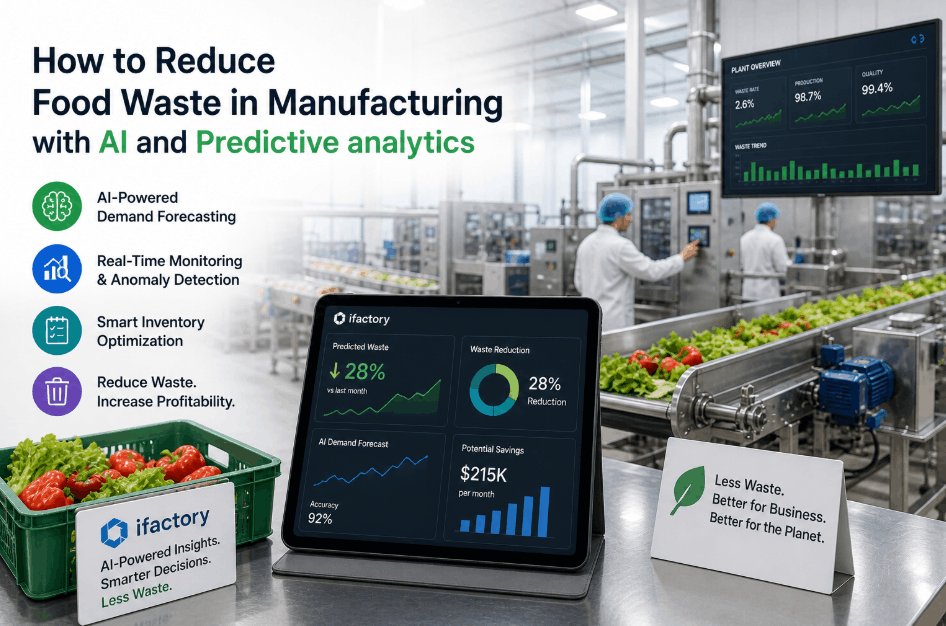
Real-time waste sensors feed data into cost models, attributing waste to specific causes (e.g., overprocessing, equipment malfunction). This enables targeted waste reduction initiatives.
Frequently Asked Questions
How does AI handle volatile ingredient prices in cost-per-unit calculations?
AI models continuously ingest market data, supplier contracts, and spot prices to update cost-per-unit in real time. They use weighted averaging and predictive algorithms to smooth out short-term fluctuations while capturing long-term trends. This ensures that cost reports reflect the most current economic reality. For a deeper dive, explore our support documentation on dynamic cost modeling.
Can AI cost analytics integrate with my existing ERP system?
Yes, iFactory's platform is designed to integrate seamlessly with major ERP systems like SAP, Oracle, and Microsoft Dynamics. We use API-based connectors that extract cost-relevant data without disrupting your existing workflows. The AI layer sits on top, providing analytics without replacing your core systems. Contact our support team for a compatibility check.
What is the typical ROI from implementing AI cost analytics in food manufacturing?
Our clients typically see a 3-5% improvement in gross margin within the first year, driven by waste reduction, labor efficiency, and better sourcing decisions. The ROI is often realized within 6-9 months, considering the reduction in manual reporting and improved pricing accuracy. Schedule a demo to see a personalized ROI estimate.
How does the system attribute waste costs to specific products or batches?
By integrating with IoT sensors and production logs, the AI tracks waste at every stage—from raw material handling to packaging. It uses a traceability model that links waste to specific batches, recipes, and even machine runs. This allows for precise cost attribution and root cause analysis. Learn more in our knowledge base.
What level of manual intervention is required to maintain cost accuracy?
Minimal. The AI self-calibrates using machine learning, but periodic reviews by cost accountants are recommended to validate model assumptions. The system flags anomalies for human review, ensuring high accuracy without constant manual data entry. For best practices, refer to our support guides.
Take Control of Your Food Manufacturing Costs Today
Leverage AI to gain real-time visibility, reduce waste, and protect your margins. Your journey to cost excellence starts here.