In the high-stakes environment of food manufacturing, workforce training is not merely a regulatory checkbox—it is the bedrock of operational excellence, food safety, and competitive agility. Traditional paper-based Standard Operating Procedures (SOPs) and classroom-style training sessions are proving inadequate against the complexities of modern food production lines, which demand real-time precision, rapid adaptability, and unwavering compliance with evolving standards like the Food Safety Modernization Act (FSMA). Plant Managers and Maintenance Directors now face an urgent mandate: to digitize, personalize, and intelligently automate training workflows. This comprehensive guide delves into the strategic transformation of food plant training through digital SOP delivery, competency-based training matrices, rigorous PCQI qualification tracking, and AI-driven skill gap analysis. By embracing these advanced methodologies, enterprises can reduce onboarding time by up to 40%, decrease human error rates, and foster a culture of continuous improvement. For a tailored strategy that aligns with your facility's unique operational footprint, Book a Demo with our Industry 4.0 experts today.
The New Frontier of Food Plant Training
From manual binders to AI-powered adaptive learning — future-proof your workforce with precision.
Ready to Revolutionize Your Training?
Empower your team with digital SOPs and real-time competency tracking. Start your transformation today.
Why Traditional Training Falls Short in Modern Food Plants
Conventional training methods, such as printed manuals and periodic in-person sessions, suffer from several critical limitations. First, they are static—any change in a recipe, equipment, or regulation requires a time-consuming reprint and redistribution process, leading to outdated procedures being followed on the floor. Second, they lack personalization; every operator receives the same content regardless of their prior knowledge or learning pace, resulting in knowledge gaps and disengagement. Third, compliance verification is often manual and retrospective, relying on paper sign-offs that are easily lost or forged. In a sector where a single lapse can lead to costly recalls or safety incidents, these weaknesses are unacceptable. Modern food manufacturing demands a dynamic, data-driven approach that adapts in real-time to both individual performance and evolving operational requirements.
Static Content Delivery
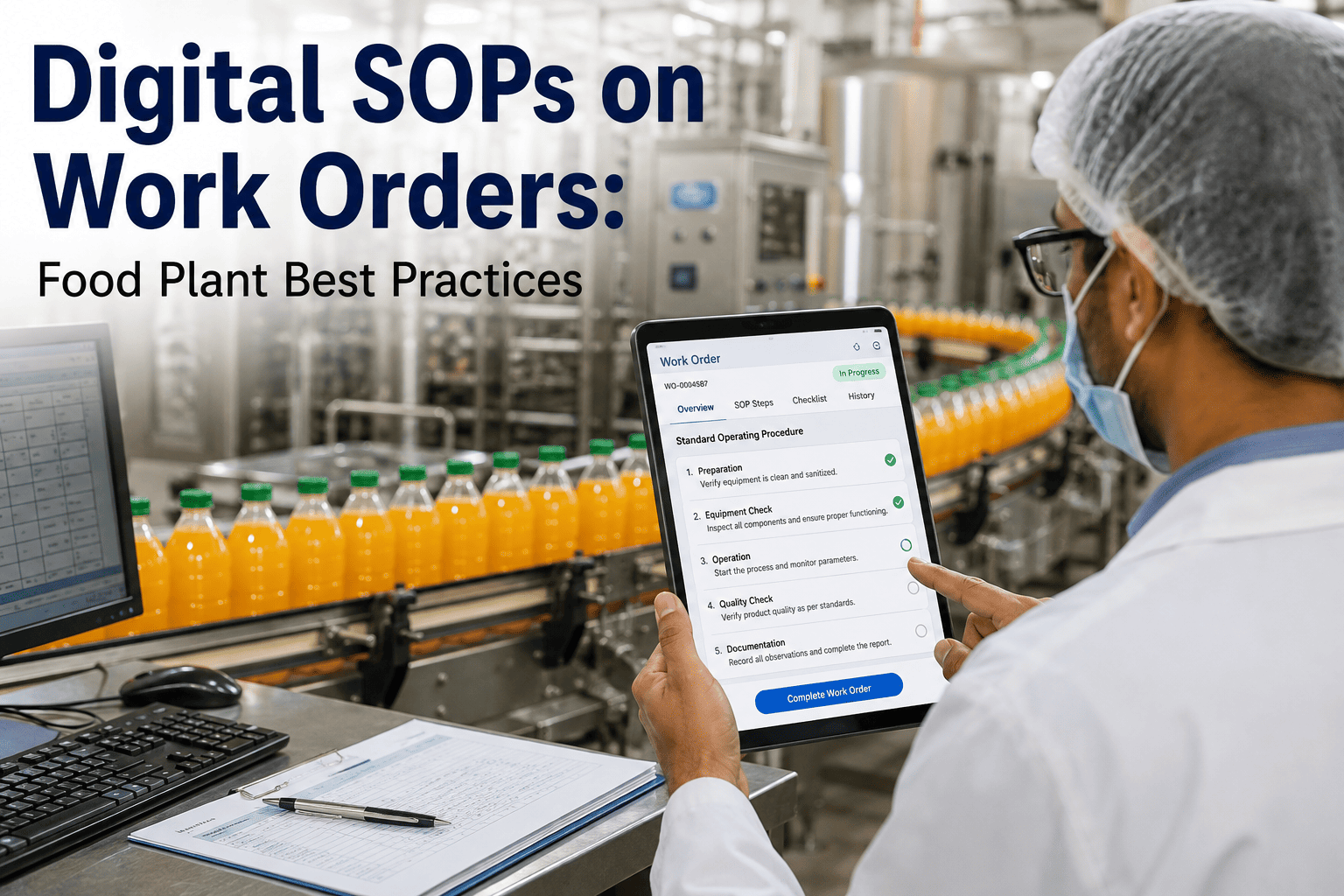
Paper SOPs become obsolete the moment a process changes. Digital delivery ensures every operator sees the latest version instantly, eliminating the risk of following outdated instructions. Updates are pushed centrally, and compliance is tracked automatically.
One-Size-Fits-All Training
Without adaptive learning paths, experienced operators waste time on basics while new hires struggle to keep up. AI-driven skill gap analysis identifies each worker's strengths and weaknesses, creating personalized curricula that maximize efficiency and retention.
Manual Compliance Tracking
Paper sign-offs are unreliable and difficult to audit. Digital training platforms automatically log every completed module, quiz score, and practical assessment, providing a tamper-proof, real-time compliance dashboard for auditors and management.
The Digital Training Maturity Model
Assessment & Gap Analysis
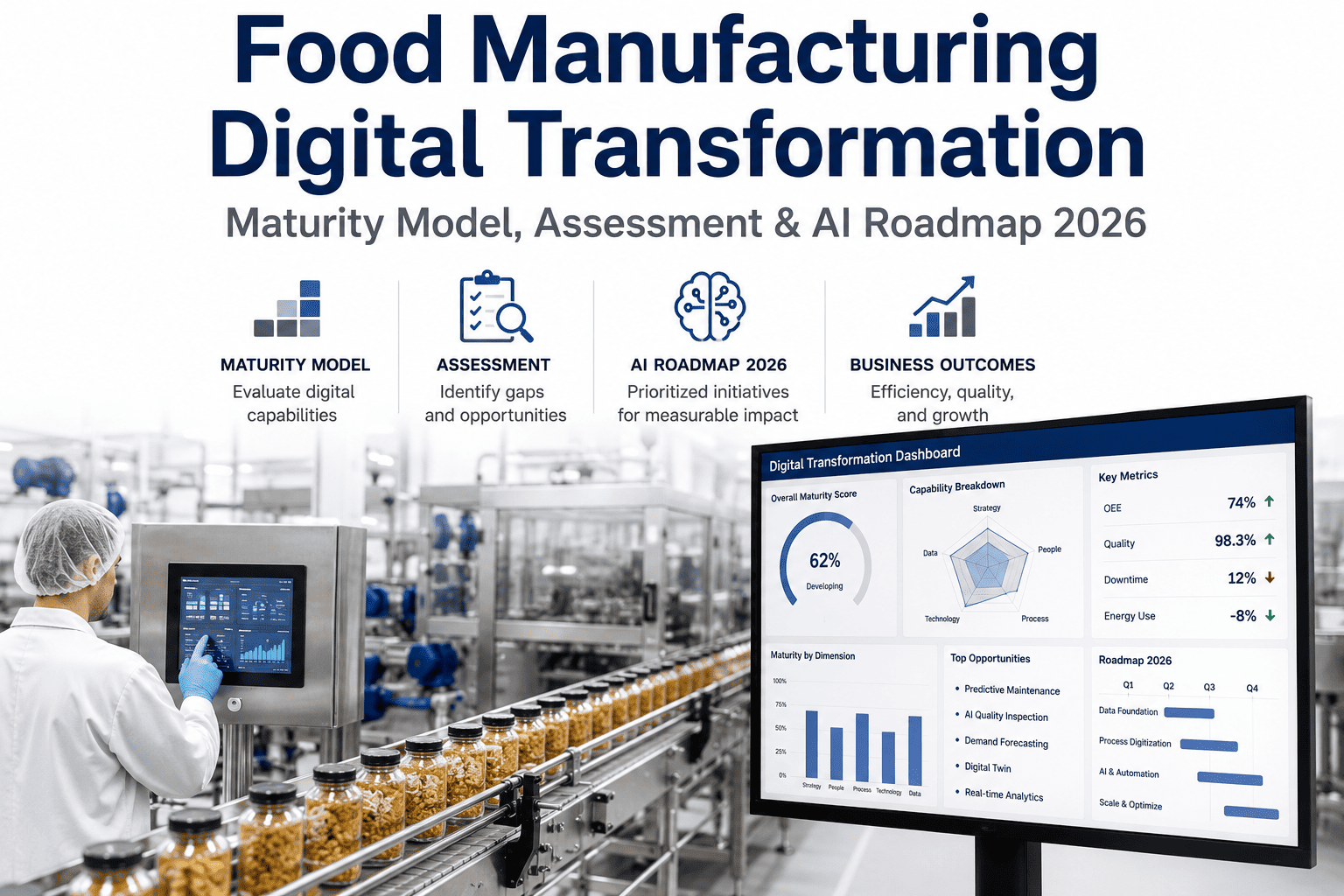
Evaluate current training infrastructure, identify skill deficiencies using AI-driven assessments, and map competencies to specific job roles. This baseline data informs the digital transformation roadmap.
Digital SOP Authoring & Deployment
Convert existing paper SOPs into interactive digital formats with embedded videos, step-by-step checklists, and real-time feedback loops. Deploy via tablets, wearables, or stationary kiosks at the point of work.
Competency-Based Training Matrix
Define proficiency levels for each skill (e.g., Beginner, Competent, Expert) and link them to specific SOPs. The system automatically assigns training modules based on current competency, ensuring no one is over- or under-trained.
Continuous Monitoring & AI Feedback
Leverage IoT data from equipment to correlate training with actual performance. AI algorithms identify recurring errors and recommend targeted retraining, closing the loop between learning and operational outcomes.
Comparative Analysis: Traditional vs. Digital Training
| Dimension | Traditional Training | Digital Training (iFactory) |
|---|---|---|
| Content Updates | Days to weeks (reprint) | Real-time push |
| Personalization | None | AI-driven adaptive paths |
| Compliance Tracking | Paper sign-offs | Automated, auditable |
| Knowledge Retention | ~20% after 1 week | ~75% after 1 week |
| Scalability | Linear with trainers | Exponential with platform |
| Cost per Employee | High (travel, materials) | Low (digital, reusable) |
Transform Your Training Operations Now
Leverage digital SOPs and AI assessments to build a safer, more efficient workforce. Schedule a personalized demo today.
AI-Driven Skill Gap Analysis: The Engine of Personalized Training
Artificial intelligence is revolutionizing how food plants identify and address skill deficiencies. By analyzing data from multiple sources—including training completion rates, quiz scores, supervisor observations, and even equipment sensor logs—AI models can pinpoint exactly where an operator is struggling. For example, if an operator consistently makes errors during a specific packaging step, the system flags that skill as deficient and automatically enrolls the worker in a micro-learning module focused on that task. This targeted approach not only accelerates competency development but also reduces the cognitive load on trainees by eliminating redundant content. Moreover, predictive analytics can forecast future skill gaps based on production changes, new equipment introductions, or regulatory updates, allowing training managers to proactively develop content before the gap becomes critical.
Real-Time Performance Correlation
Integrate training data with production KPIs to see how improved skills directly impact yield, waste, and downtime. For instance, a 10% improvement in a specific SOP adherence often correlates with a 2% reduction in product waste.
Automated Competency Mapping
AI algorithms automatically map each worker's skills to the requirements of their current and future roles. This dynamic matrix updates as new equipment or processes are introduced, ensuring the workforce is always ready for change.
Predictive Retraining Alerts
When an operator's error rate crosses a predefined threshold, the system triggers an alert and automatically schedules a retraining session. This proactive approach prevents minor mistakes from escalating into major quality incidents.
PCQI Qualification Tracking: Ensuring Regulatory Compliance
The Preventive Controls Qualified Individual (PCQI) requirement under FSMA mandates that certain food safety tasks be performed only by personnel who have completed specific training. Tracking PCQI qualifications manually across a large workforce is error-prone and resource-intensive. Digital training platforms automate this process by maintaining a central registry of all PCQI-certified individuals, their certification dates, and renewal deadlines. When a task requiring PCQI oversight is scheduled, the system automatically checks for an available qualified individual and alerts supervisors if coverage is insufficient. Additionally, the platform can integrate with external training providers to import certification records, ensuring a single source of truth for compliance audits. This not only reduces administrative overhead but also minimizes the risk of non-compliance citations, which can carry fines of up to $50,000 per violation.
Centralized Certification Registry
All PCQI certifications are stored in a secure digital database, accessible to auditors and managers in real-time. Automatic reminders for renewal help ensure no certification lapses.
Role-Based Access Control
Only users with appropriate permissions can modify certification records, ensuring data integrity. Integration with HR systems allows automatic updates when employees change roles or leave.
Audit-Ready Reporting
Generate comprehensive compliance reports with a single click, showing who is qualified for which tasks, when they were trained, and when recertification is due. This drastically reduces audit preparation time.
Best Practices for Implementing Digital Training in Food Plants
Transitioning to a digital training ecosystem requires careful planning and execution. Start by securing executive buy-in by demonstrating ROI through pilot projects. Choose a platform that integrates seamlessly with existing ERP, LMS, and IoT systems to avoid data silos. Involve frontline operators in the design of digital SOPs to ensure they are practical and user-friendly. Use a phased rollout approach: begin with one production line or department, refine the process, and then scale. Provide adequate training for trainers and supervisors on the new system to ensure they champion the change. Finally, establish clear metrics for success—such as time-to-competency, error reduction, and audit performance—and review them quarterly to drive continuous improvement.
Pilot Before Scaling
Select a high-impact area (e.g., a line with frequent changeovers) to pilot digital SOPs. Measure baseline KPIs and compare post-implementation results to build a compelling business case for broader deployment.
Integrate with Existing Systems
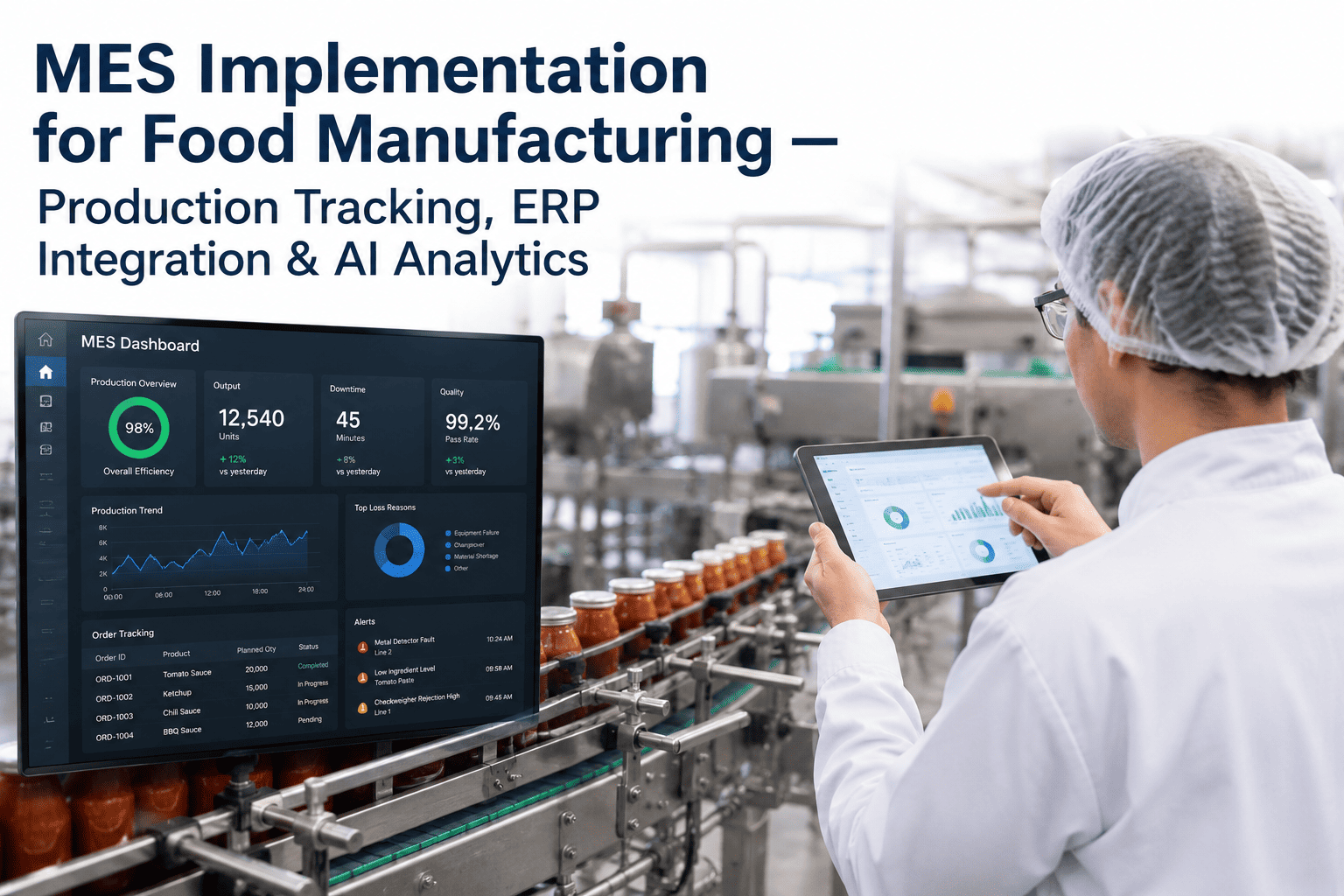
Ensure your training platform can pull data from your MES, CMMS, and HR systems. This integration enables automatic assignment of training based on job changes, equipment upgrades, or regulatory updates.
Empower Continuous Feedback
Create a feedback loop where operators can suggest improvements to SOPs directly through the platform. This not only improves content quality but also increases worker engagement and ownership of safety.
Frequently Asked Questions
How does digital SOP delivery improve compliance in food manufacturing?
Digital SOPs ensure that every operator accesses the most current, approved version of a procedure at the point of work. Real-time tracking logs who viewed or completed each SOP, providing an auditable trail for regulators. This eliminates the risk of outdated paper documents being used, which is a common cause of FSMA violations. For more details, visit our support page or book a demo to see the platform in action.
What is a competency-based training matrix and how does it benefit food plants?
A competency-based training matrix maps each job role to the specific skills and proficiency levels required. It allows training managers to visually identify gaps across the workforce and assign targeted modules. This approach ensures that every operator is trained exactly to the level needed for their tasks, reducing over-training costs and under-training risks. Learn more about implementation on our support portal.
How does AI-driven skill gap analysis work in a food plant environment?
AI algorithms analyze data from training completions, quiz scores, supervisor evaluations, and even equipment sensor data to identify patterns of errors or inefficiencies. The system then recommends personalized learning paths to address each operator's specific weaknesses. Over time, the AI refines its models based on outcomes, continuously improving the accuracy of gap detection. For a deeper dive, schedule a consultation.
What is PCQI qualification tracking and why is it critical?
PCQI (Preventive Controls Qualified Individual) is a designation required by the FSMA for personnel who oversee certain food safety tasks. Tracking these qualifications manually is prone to errors and can lead to non-compliance. Digital tracking automates the process, ensuring that only qualified individuals are assigned to critical tasks and that certifications are renewed on time. Contact our team via support for integration details.
How long does it take to implement a digital training system in a food plant?
Implementation timelines vary based on plant size and complexity, but a phased approach typically takes 4 to 8 weeks for initial rollout. The process includes system integration, content migration, user training, and pilot testing. Our team provides dedicated support throughout to minimize disruption. To discuss your specific timeline, book a demo today.
Ready to Build a Future-Ready Workforce?
Unlock the power of digital SOPs, AI skill analysis, and competency tracking. Partner with iFactory to elevate your training strategy.