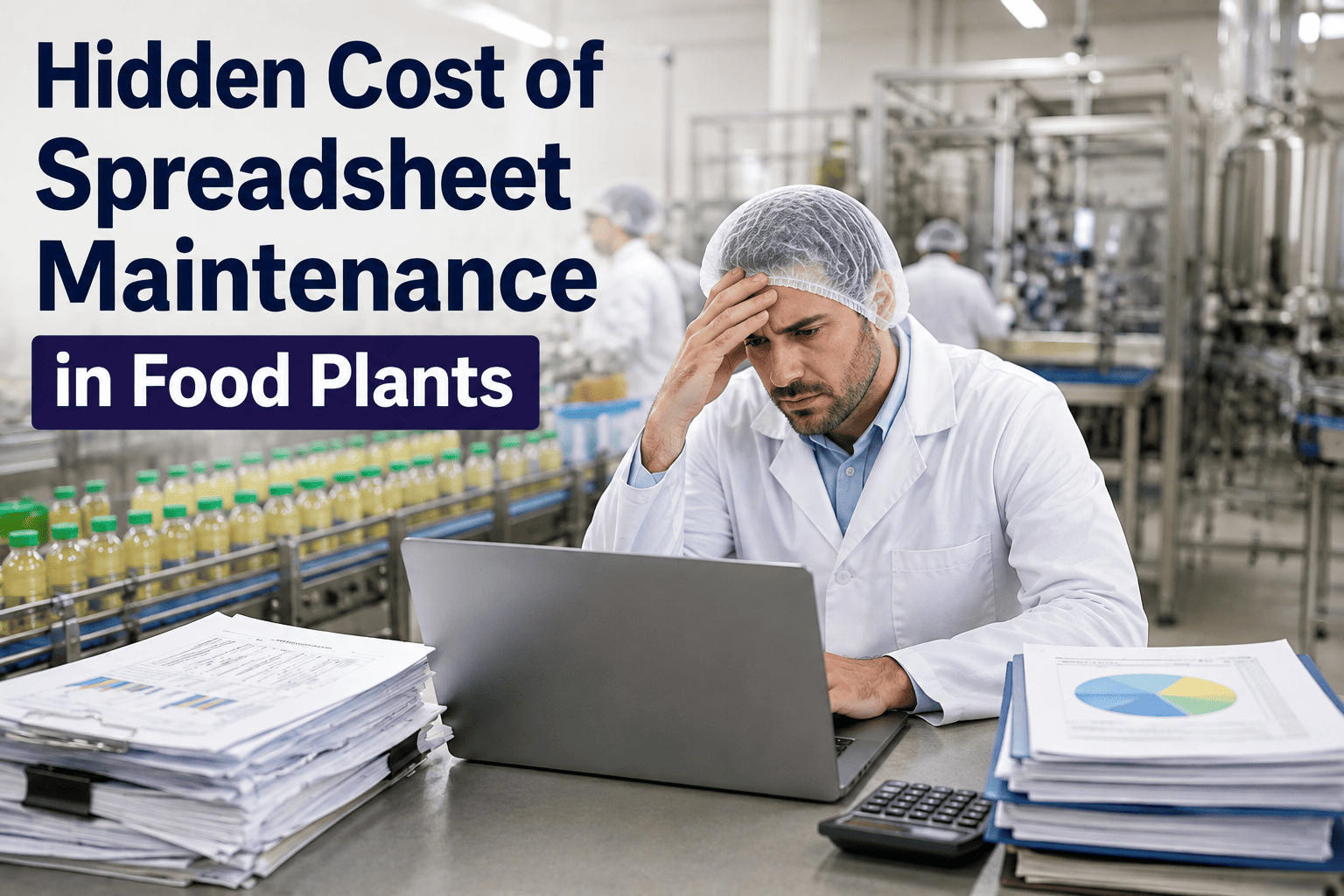
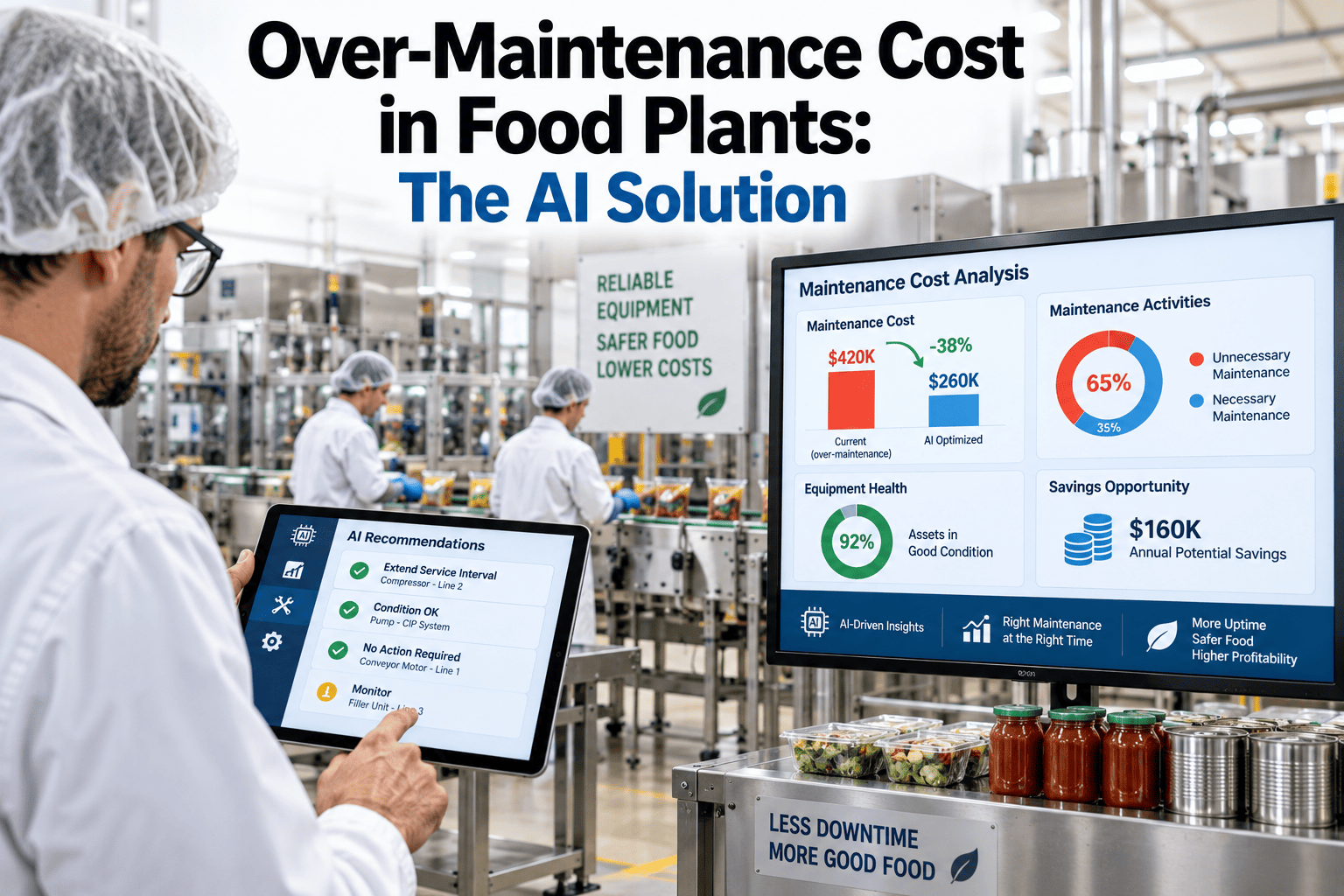
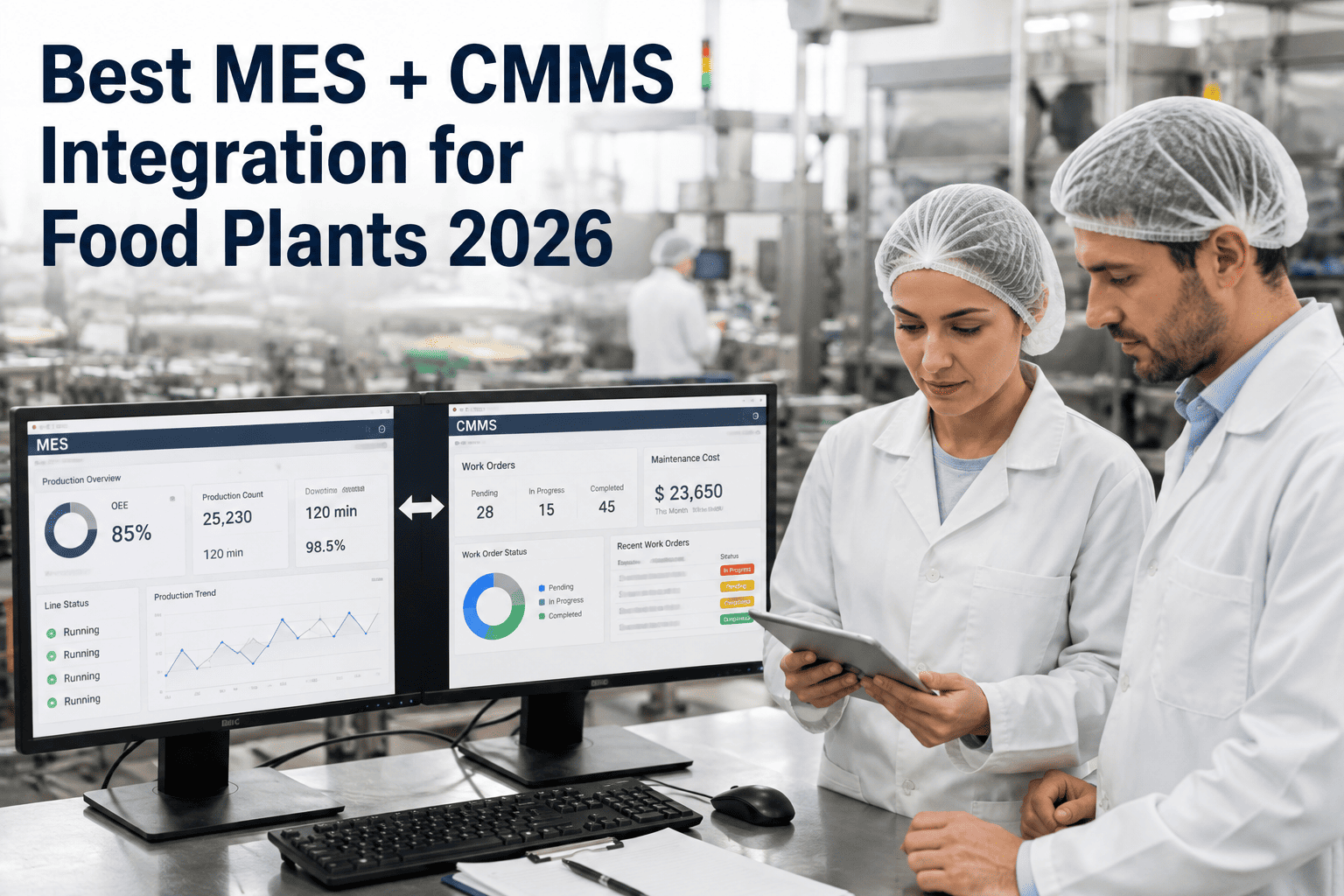
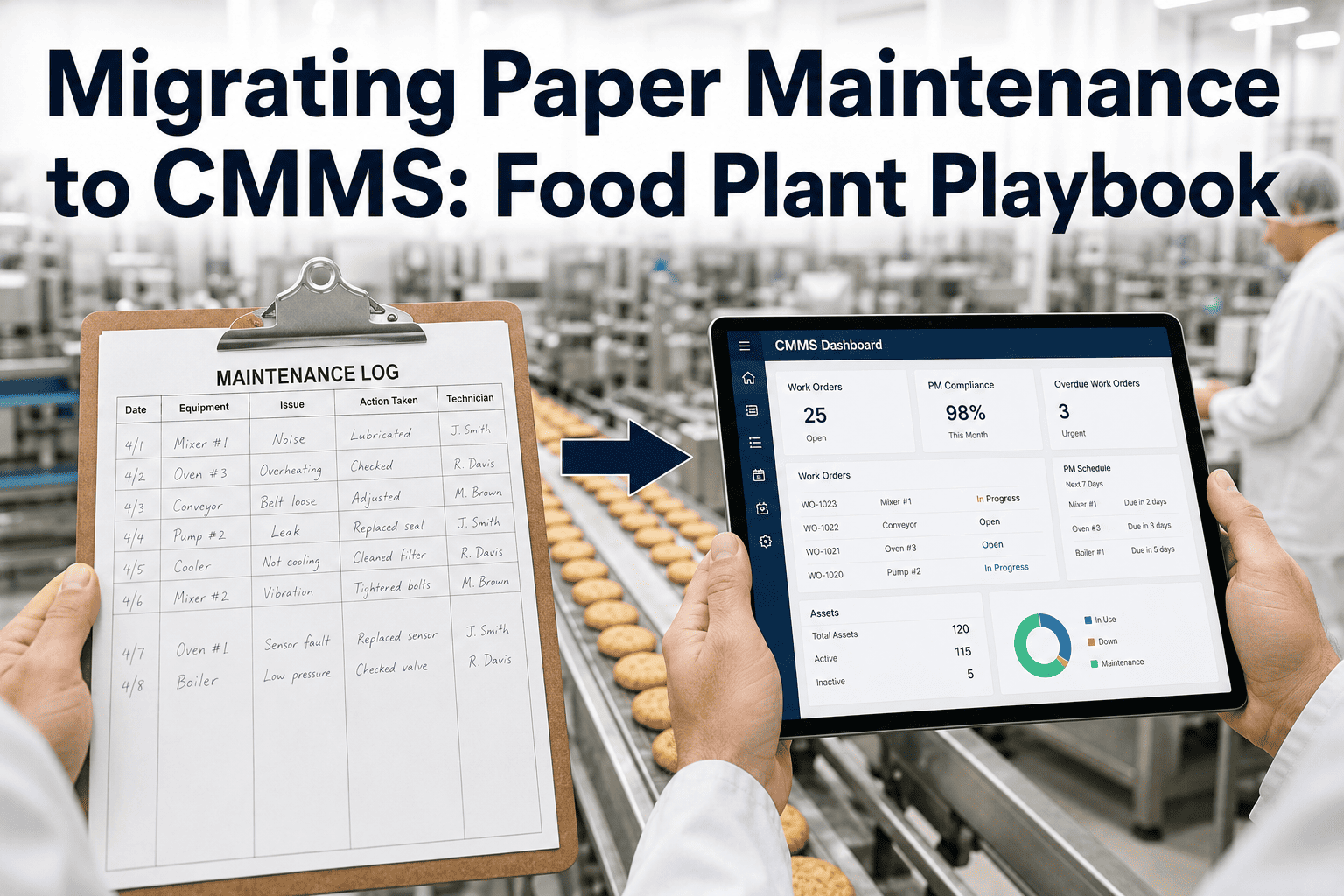
The spreadsheet a food plant maintenance team has relied on for years feels free because nobody bills for it, but the actual cost shows up everywhere else — in the preventive maintenance task that got buried in row 4,000 and never done, in the spare part nobody could find because it was logged under a different name than the one on the shelf, and in the eight hours a quality manager spends every audit season manually reconstructing a maintenance history that a real system would have produced in one export. None of these costs appear on a budget line labeled "spreadsheet," which is exactly why they accumulate for years before anyone adds them up. This breaks down the seven specific ways spreadsheet-based maintenance quietly drains a food plant's time and money. Talk to iFactory about what a real maintenance system would replace before your next audit forces the conversation.
Food & Beverage · Maintenance Digitization
The Hidden Cost of Running Food Plant Maintenance on Spreadsheets
Seven specific ways spreadsheet maintenance quietly costs a food plant time, compliance risk, and money — none of them visible on a budget line.
The Seven Hidden Costs
Where the Money and Time Actually Go
01
Missed Preventive Maintenance
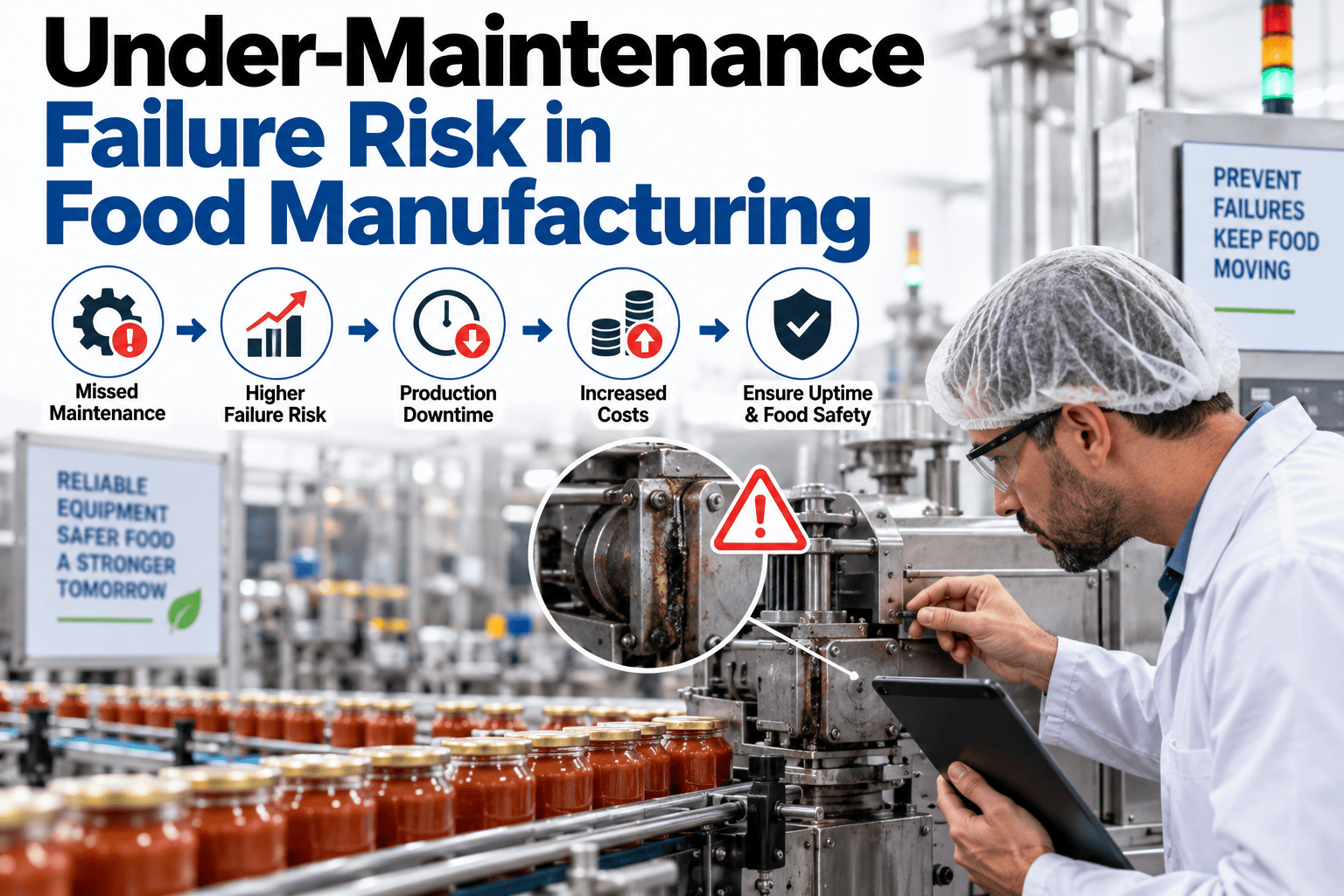
A PM task buried in a long spreadsheet row has no built-in reminder, no escalation, and no way to prove it was ever scheduled — so it quietly gets skipped until the asset fails.
02
Orphaned Assets
Equipment added to the plant floor but never added to the tracking sheet has no maintenance history, no PM schedule, and effectively doesn't exist until it breaks.
03
Phantom Spare Parts
Inventory counts in a spreadsheet drift from reality the moment someone pulls a part without updating the row, leading to emergency orders for parts that were actually sitting on the shelf.
04
Audit Preparation Hours
Reconstructing a defensible maintenance history from scattered tabs and manual entries ahead of an FDA or customer audit routinely consumes days of a quality manager's time.
05
Untracked Repeat Failures
Without searchable failure history, the same asset can fail for the same reason repeatedly without anyone noticing the pattern until it becomes a chronic, expensive problem.
06
Version Conflicts and Data Loss
Multiple technicians editing the same file across shifts creates overwritten entries and lost updates, undermining trust in the data even when it happens to be accurate.
07
No Real Visibility for Management
A spreadsheet can't generate a live dashboard, so plant managers make staffing and budget decisions on gut feel instead of actual backlog and compliance data.
See What You're Actually Losing
Get a Free Spreadsheet-to-CMMS Cost Assessment
iFactory reviews your current spreadsheet setup and estimates the real time and compliance cost it's quietly adding to your maintenance operation.
Side-by-Side Reality
Spreadsheet vs. Purpose-Built Maintenance System
| Capability |
Spreadsheet |
CMMS |
| PM reminders and escalation |
None — relies on someone remembering to check |
Automatic reminders and overdue escalation |
| Real-time inventory accuracy |
Drifts from reality between manual updates |
Updated automatically as parts are used |
| Audit-ready history |
Manually reconstructed, hours of prep work |
Exportable maintenance history on demand |
| Failure pattern visibility |
Invisible unless someone manually searches for it |
Searchable history surfaces repeat failures automatically |
Field Perspective
The plants that finally move off spreadsheets almost never do it because of one dramatic failure — it's usually a slow accumulation of small frustrations that finally crosses a threshold, often triggered by an audit that took far longer to prepare for than anyone expected. When we walk through the actual hours spent each month reconciling spare parts counts, chasing down PM completion, and rebuilding history for an audit, plant managers are consistently surprised by the total, because none of that time ever got logged as a maintenance system cost — it just got absorbed into everyone's week.
Prudence Almeida-Sokolov
Food Manufacturing Maintenance Consultant · 14 years advising F&B plants on maintenance system transitions · Former Maintenance Manager, food and beverage processing
Common Questions
Spreadsheet Maintenance Costs — Frequently Asked
How do we know if our spreadsheet maintenance system is actually costing us money?
Signs include missed PMs discovered only after failure, spare parts counts that don't match physical inventory, and audit preparation that takes multiple days rather than a simple export.
Book a demo to get a specific assessment of your current setup.
Is switching from spreadsheets to a CMMS a disruptive, months-long project?
Migration can be phased, starting with your most critical assets and PM schedules first, so most plants see a working system running alongside legacy spreadsheets within weeks rather than waiting for a single big-bang cutover.
Book a demo to see a realistic migration timeline for your plant.
What happens to years of historical spreadsheet data when we migrate?
Historical data can typically be imported and preserved as searchable history in the new system, so the institutional knowledge built up over years doesn't get lost in the transition.
Book a demo to review data migration options for your existing spreadsheets.
Will technicians who are used to paper and spreadsheets actually adopt a new system?
Adoption is highest when the mobile experience is simpler than what technicians replace, and most plants see faster uptake than expected once technicians realize they no longer have to hunt for the right spreadsheet tab mid-shift.
Book a demo to see the mobile technician experience firsthand.
Can a CMMS actually pay for itself in a food plant environment?
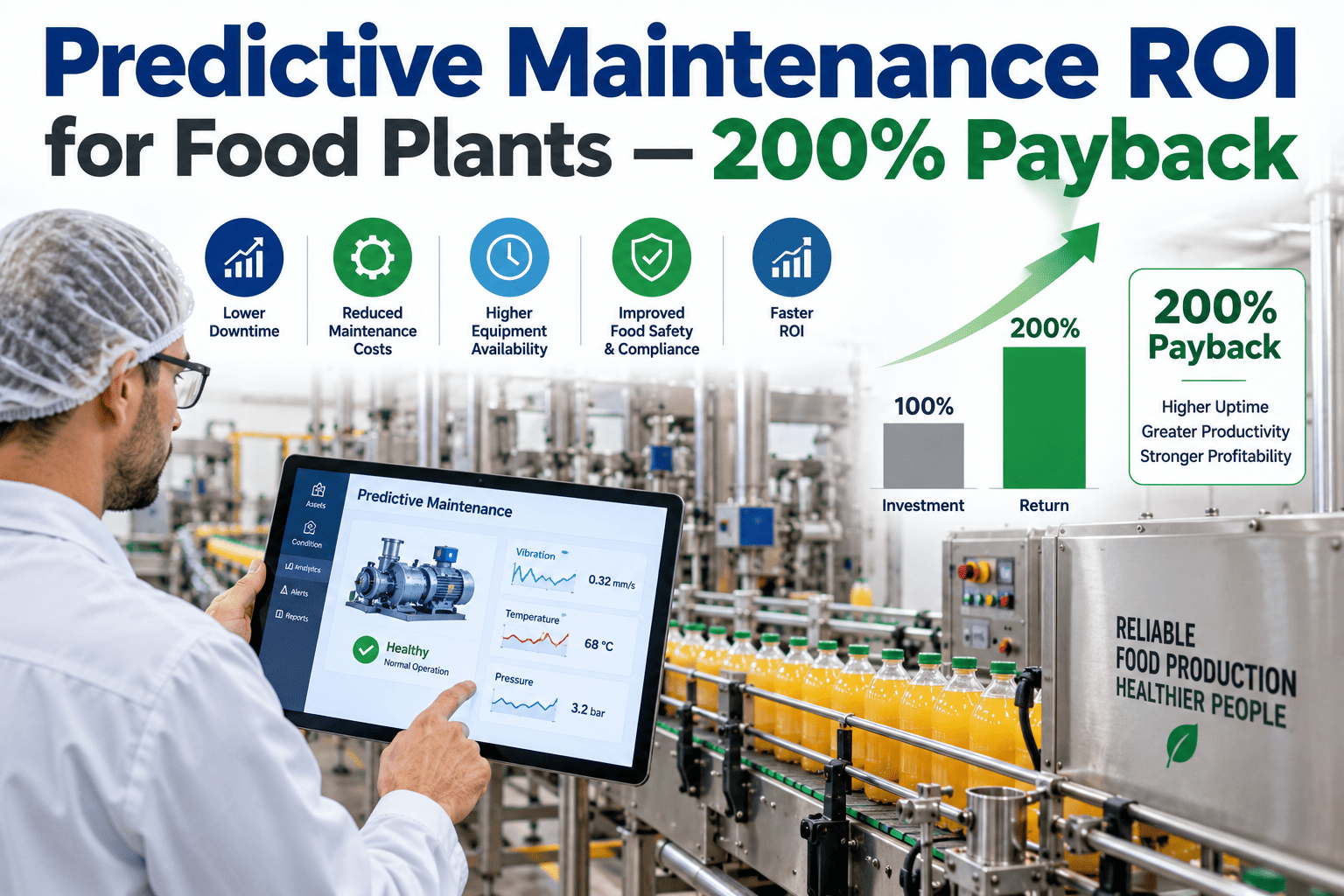
Reduced emergency parts orders, fewer missed PMs leading to unplanned downtime, and dramatically shorter audit prep time are the three areas most food plants see the fastest measurable return from.
Book a demo to build a cost justification specific to your plant.
Stop Paying the Spreadsheet Tax
See What a Real Maintenance System Would Save You
iFactory replaces spreadsheet-based maintenance with a system built for food plant PM compliance, inventory accuracy, and audit readiness.