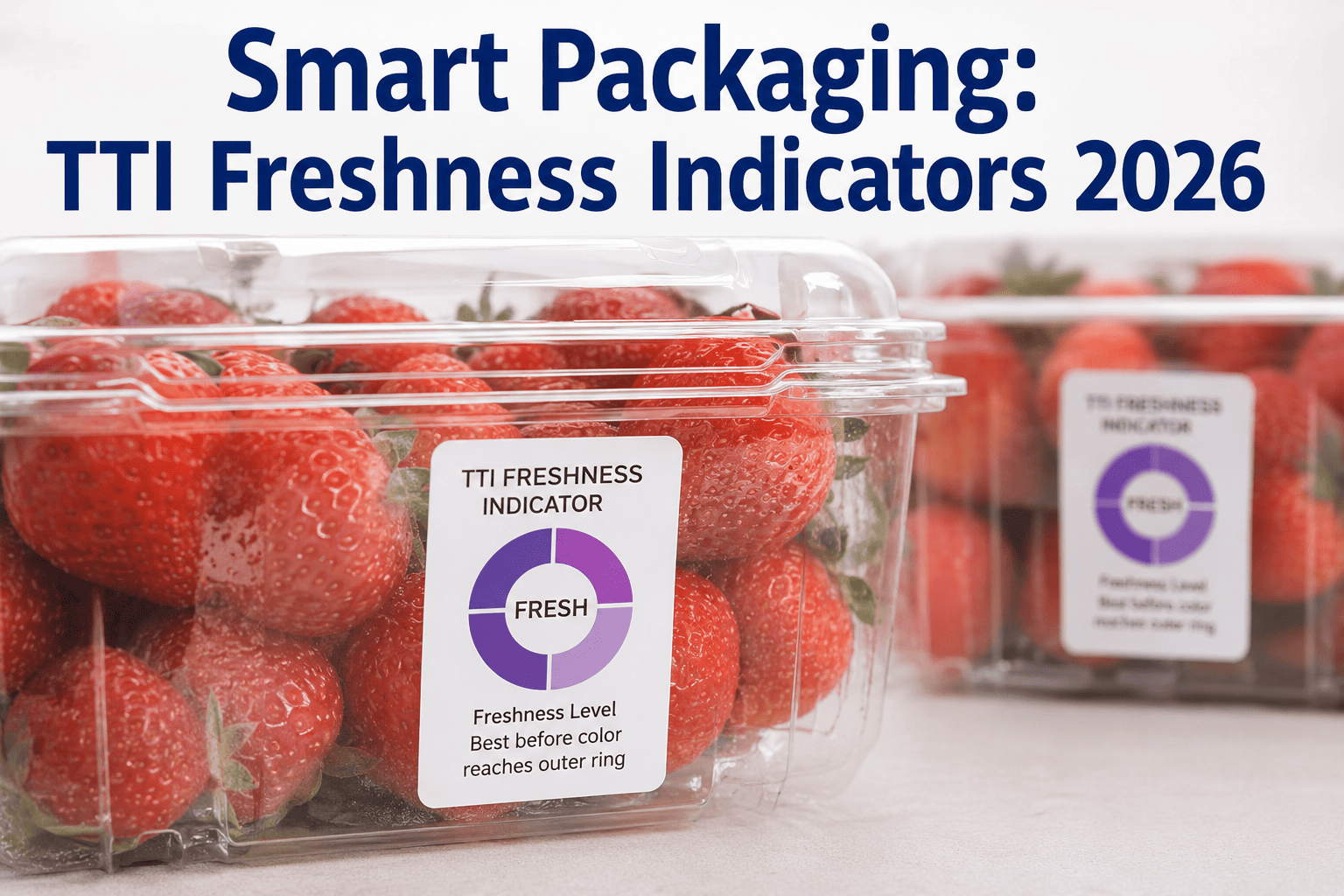
Modified Atmosphere Packaging (MAP) is a cornerstone technology in modern food preservation, enabling significant extension of shelf life by altering the gaseous environment surrounding perishable products. For process engineers in the food industry, achieving optimal gas mixtures of carbon dioxide (CO2), nitrogen (N2), and oxygen (O2) is critical to inhibiting microbial growth, slowing enzymatic reactions, and maintaining product quality. However, traditional MAP systems rely on static gas flush settings and periodic lab-based headspace analysis, leading to inefficiencies and waste. The integration of artificial intelligence and real-time gas composition monitoring is revolutionizing MAP, allowing for dynamic adjustment of gas mixtures based on continuous sensor feedback. This advanced approach reduces spoilage, minimizes packaging material waste, and ensures consistent product quality across batches. At iFactory, we specialize in AI-driven predictive analytics for smart factory environments, and our solutions are transforming MAP operations in food processing plants. For a detailed consultation on implementing these technologies, book a demo with our experts.
Transform Your MAP Process with AI
Achieve precise gas composition control and extend shelf life reliably. Discover how iFactory's analytics can optimize your packaging line.
The Science of MAP Gas Mixtures
Understanding the role of each gas in MAP is fundamental to designing an effective packaging strategy. Carbon dioxide is the primary antimicrobial agent, inhibiting the growth of bacteria and molds. Nitrogen serves as an inert filler, preventing package collapse and displacing oxygen to reduce oxidation. Oxygen is used selectively, often in fresh produce, to maintain respiration and prevent anaerobic conditions. The optimal mixture varies by product type, moisture content, and desired shelf life. For example, red meat requires high oxygen (70-80%) to preserve color, while fresh pasta benefits from high CO2 (60-80%) to suppress spoilage. Achieving the right balance requires precise control and continuous monitoring, which is where AI-driven systems excel.
Headspace Analysis and Leak Detection
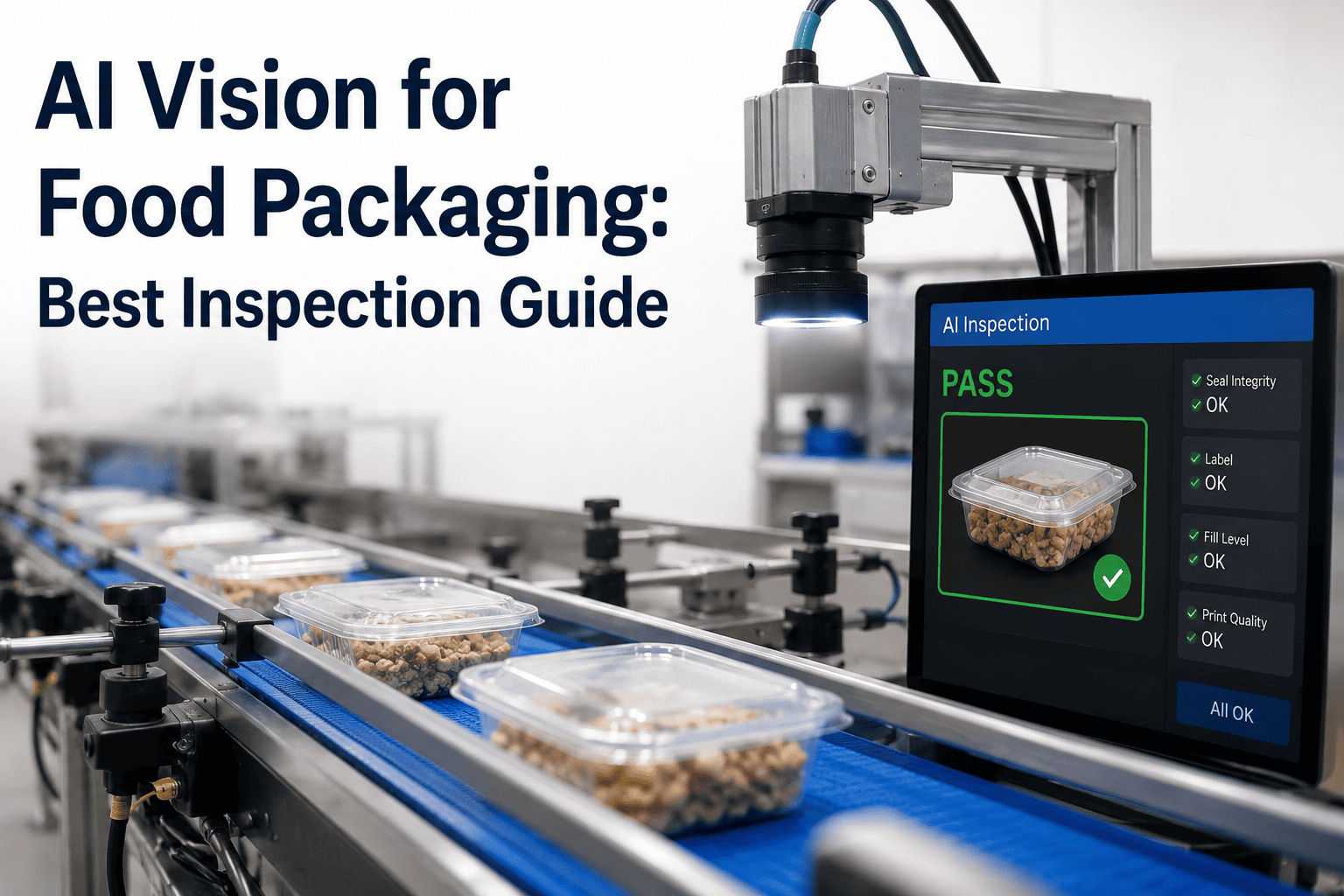
Headspace analysis is the process of measuring the gas composition inside a sealed package to verify that the intended atmosphere has been achieved. Traditional methods involve destructive sampling and lab-based gas chromatography, which are time-consuming and provide only a snapshot of conditions at a single point in time. In contrast, non-destructive optical sensors can now measure oxygen and carbon dioxide concentrations through the packaging film, enabling inline monitoring of every package. These sensors are integrated with AI algorithms that detect anomalies indicative of leaks, incorrect gas flush, or film permeability issues. By flagging defective packages in real time, manufacturers can reduce waste, prevent costly recalls, and ensure that only properly packaged products reach consumers. Leak detection is particularly critical for modified atmosphere packages, as even a small ingress of oxygen can rapidly degrade product quality and shorten shelf life.
Implementing AI-Driven Gas Composition Monitoring
Sensor Integration
Install non-destructive optical sensors on the packaging line to measure O2 and CO2 levels in real time. These sensors communicate wirelessly with a central analytics platform.
Data Aggregation & Edge Processing
Raw sensor data is aggregated at the edge, where AI models preprocess and filter noise. Key metrics such as gas concentration trends, deviation from setpoints, and leak indicators are computed in milliseconds.
Predictive Model Training
Historical data from thousands of packages is used to train machine learning models that predict optimal gas mixtures for each product SKU, accounting for factors like ambient temperature, humidity, and film type.
Closed-Loop Control
The AI system automatically adjusts gas flush parameters (pressure, flow rate, and mixture ratios) in real time to maintain target headspace composition, compensating for variations in film permeability and machine wear.
Continuous Improvement
Performance dashboards provide actionable insights into packaging efficiency, defect rates, and shelf life outcomes. The AI models continuously learn from new data, refining predictions and control strategies over time.
Ready to Optimize Your MAP Line?
Leverage AI for real-time gas composition control and reduce spoilage by up to 40%. See iFactory in action.
Key Benefits of AI-Enhanced MAP
Extended Shelf Life
By maintaining optimal gas composition throughout the packaging process, AI ensures that the intended atmosphere is preserved, maximizing product freshness and reducing waste.
Reduced Spoilage
Real-time leak detection and corrective action minimize the number of defective packages, directly lowering the rate of spoilage and associated financial losses.
Operational Efficiency
Automated gas mixture adjustments reduce the need for manual intervention and lab testing, freeing up process engineers to focus on strategic improvements.
Consistent Quality
AI-driven control ensures that every package meets the same high standard, enhancing brand reputation and customer satisfaction.
Data-Driven Insights
Comprehensive analytics provide visibility into packaging line performance, enabling continuous improvement and rapid troubleshooting.
Regulatory Compliance
Detailed records of gas composition and package integrity support compliance with food safety standards and facilitate audits.
MAP Gas Composition Recommendations by Product
| Product Category | CO2 (%) | N2 (%) | O2 (%) | Expected Shelf Life (Days) |
|---|---|---|---|---|
| Fresh Red Meat | 20-30 | 0-10 | 70-80 | 5-14 |
| Fresh Poultry | 25-35 | 65-75 | 0 | 14-21 |
| Fresh Fish | 40-60 | 40-60 | 0 | 7-12 |
| Fresh Produce (Fruits) | 5-10 | 90-95 | 1-5 | 7-21 |
| Fresh Produce (Vegetables) | 10-20 | 80-90 | 1-3 | 14-28 |
| Bakery Products | 60-80 | 20-40 | 0 | 30-60 |
| Dairy (Cheese) | 30-50 | 50-70 | 0 | 30-90 |
| Pasta (Fresh) | 60-80 | 20-40 | 0 | 30-60 |
| Snack Foods | 0-10 | 90-100 | 0 | 90-180 |
AI Predictive Maintenance for MAP Equipment
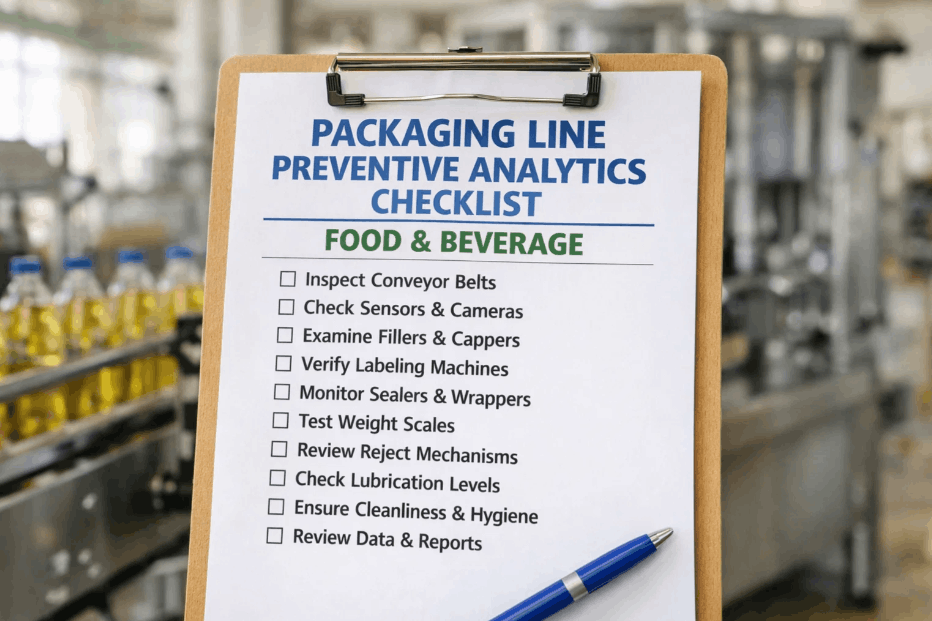
Gas flush systems, seal bars, and vacuum pumps are critical to MAP line performance. Unscheduled downtime can lead to massive product waste and missed delivery deadlines. iFactory's predictive maintenance platform uses sensor data from packaging machinery to forecast failures before they occur. Vibration analysis, temperature trends, and cycle time deviations are fed into machine learning models that flag components requiring attention. This proactive approach reduces unplanned downtime by up to 60% and extends equipment life. Process engineers can schedule maintenance during planned changeovers, ensuring maximum uptime and consistent packaging quality.
Real-Time Quality Dashboards
Centralized dashboards provide a live view of MAP line performance, including headspace gas levels, leak rates, and throughput. Color-coded alerts highlight packages or batches that deviate from specifications, enabling immediate corrective action. Historical trends help identify recurring issues, such as a gradual decline in seal integrity or a shift in gas composition due to film variability. With iFactory's analytics, process engineers can drill down into individual machine data, correlating packaging defects with specific operating conditions. This level of visibility transforms quality assurance from a reactive process into a proactive, data-driven strategy.
Integration with MES and ERP Systems
To maximize the value of AI-driven MAP monitoring, seamless integration with existing Manufacturing Execution Systems (MES) and Enterprise Resource Planning (ERP) platforms is essential. iFactory's solution supports standard protocols (OPC UA, MQTT, REST APIs) to connect with leading systems like SAP, Siemens, and Rockwell. This integration enables automatic adjustment of packaging parameters based on production orders, real-time inventory tracking, and traceability of each package's gas composition history. Process engineers can access a unified view of production data, facilitating root cause analysis and continuous improvement initiatives across the entire supply chain.
Frequently Asked Questions
What is the optimal gas mixture for MAP of fresh meat?
For fresh red meat, a high oxygen mixture (70-80% O2, 20-30% CO2) is commonly used to maintain the bright red color consumers associate with freshness. The oxygen preserves myoglobin, while carbon dioxide inhibits bacterial growth. However, for processed meats or products with shorter shelf lives, lower oxygen levels may be appropriate to reduce oxidation. It is essential to conduct shelf-life trials for each specific product and packaging film. For a customized analysis, book a demo with our team to explore AI-driven optimization.
How does AI improve leak detection in MAP?
Traditional leak detection methods, such as water bath testing, are time-consuming and can damage products. AI-enhanced systems use non-destructive optical sensors that continuously monitor headspace gas composition. Machine learning models analyze sensor data to identify patterns indicative of micro-leaks, such as a slow increase in oxygen concentration or a decrease in carbon dioxide. The system can then automatically reject defective packages and alert operators to the affected sealing station. This approach reduces false positives and ensures that only packages with compromised atmospheres are removed. For more information, visit our support page for case studies.
Can AI-driven MAP monitoring be retrofitted to existing packaging lines?
Yes, iFactory's solution is designed for easy retrofitting. Non-destructive sensors can be installed in the headspace measurement station without modifying existing machinery. The edge computing unit connects to the plant network, and the AI models are deployed via a cloud or on-premise platform. Integration with existing PLCs and SCADA systems is straightforward using standard communication protocols. Most installations are completed within a week, with minimal disruption to production. To schedule a feasibility assessment, book a demo with our engineering team.
What types of sensors are used for real-time gas composition monitoring?
The primary sensors used are tunable diode laser absorption spectroscopy (TDLAS) sensors for oxygen and non-dispersive infrared (NDIR) sensors for carbon dioxide. These sensors are compact, require no consumables, and provide accurate measurements through transparent packaging films. They can be integrated directly into the packaging line or used in a standalone sampling station. The sensors output data at a rate of up to 10 Hz, enabling real-time monitoring of every package. For technical specifications, refer to our technical documentation.
How does AI handle product variability in MAP?
Product variability, such as differences in moisture content, fat composition, or respiration rate, can affect the optimal gas mixture. AI models trained on historical data can automatically adjust gas flush parameters for each product SKU. For example, a model might learn that a particular batch of strawberries requires slightly higher CO2 to suppress mold due to higher sugar content. The system continuously learns from new data, adapting to seasonal variations and raw material changes. This dynamic control ensures consistent shelf life extension across all products. To learn more about adaptive control algorithms, contact our support team.
Empower Your MAP Line with AI
Achieve unmatched precision in gas composition control and extend shelf life reliably. See how iFactory transforms food packaging operations.